
Quick summary: Choosing between an alcohol tincture vs glycerin comes down to what you want most from your extract: maximum potency and long shelf life, or a sweeter, alcohol-free option that’s easier to take. In this guide, we break down glycerin tincture vs alcohol tincture across extraction strength, taste, safety, and storage so you can confidently pick the best method for cannabis or other herbal remedies.
When it comes to making tinctures, the decision between glycerin tincture vs alcohol tincture can shape everything from potency and taste to how long your extract stays fresh. This guide breaks down alcohol tincture vs glycerin in practical terms so whether you’re making cannabis tinctures or everyday herbal remedies, you’ll know which solvent fits your goals and how to use it safely.
Recommended Strains
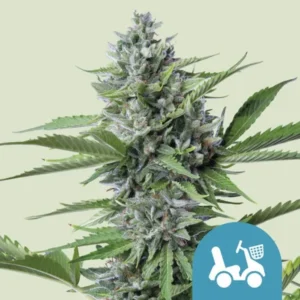
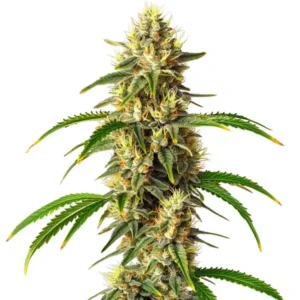
Fast Eddy CBD Auto

|
CBD | 13% – 14% (Medium) |

|
Lineage | Cheese x Juanita la Lagrimosa x Ruderalis |

|
Type | CBD Autoflowering |

|
Height | 3.94 ft | 1.2 m |

|
Yield | Medium |

|
Yield Indoor | 1.31 - 1.47 oz/ft² | 400 - 450 g/m² |

|
Yield Outdoor | 2.82 - 4.59 oz/plant | 80 - 130 g/plant |

|
Life Cycle | 10 - 12 weeks |

|
Phenotype | 40% Indica / 50% Sativa / 10% Ruderalis |

|
Effects | Calming, Focused |

|
Flavors | Citrus, Earthy |
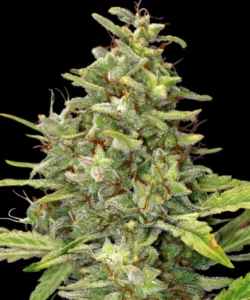
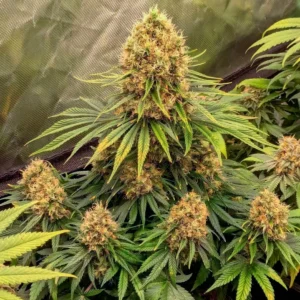
G13 Haze

|
THC | 22% - 23% (Medium) |
|
|
Lineage | G13 x Hawaiian Sativa |
|
|
Type | Feminized |
|
|
Height | 4.43 ft | 1.35 m |
|
|
Yield | High |
|
|
Yield Indoor | 1.8 oz/ft² | 550 g/m² |
|
|
Yield Outdoor | 28.22 oz/plant | 800 g/plant |
|
|
Flowering Time | 9 - 10 weeks |
|
|
Phenotype | 20% Indica / 80% Sativa |
|
|
Effects | Euphoric, Happy, Giggly |
|
|
Flavors | Pepper, Pine, Herbal |
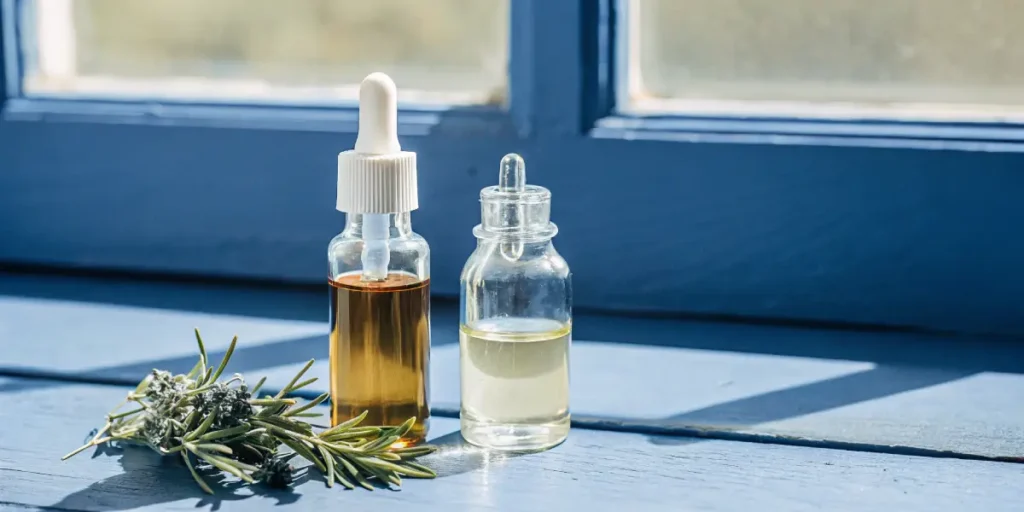
Alcohol tinctures are popular for their ability to extract a wide variety of compounds from herbs. This includes cannabinoids from cannabis. The high solvency of alcohol makes it effective at pulling out both water-soluble and oil-soluble compounds. This means more of the plant’s essence in each drop.
On the other hand, glycerin tinctures offer a sweet, alcohol-free alternative. They’re particularly favored for making tinctures for children or those sensitive to alcohol. Although glycerin is less efficient in extracting certain compounds, it’s still a viable option for those looking to avoid alcohol.
Benefits of Alcohol Tincture Over Glycerin
The benefits of alcohol tincture over glycerin are numerous, especially if potency is your priority. Alcohol acts as a powerful solvent, extracting a full spectrum of components. This results in tinctures with a stronger, more robust profile.
Alcohol tinctures also have an impressive shelf life, often lasting several years without losing their strength. This makes them a practical choice for long-term storage or for those who like to make tinctures in bulk. Just store them in a cool, dark place and they’ll be ready whenever you need them.
Another advantage of alcohol tinctures is their versatility in usage. They can be added to beverages, used in topical applications, or taken directly under the tongue for quick absorption. This flexibility makes them a preferred choice for many herbalists and wellness enthusiasts.
While alcohol tinctures are highly effective, it’s essential to consider the alcohol content. Those who are sensitive to alcohol or prefer to avoid it may still find glycerin tinctures more suitable. The balance between potency and personal preference often guides the choice between alcohol tincture vs glycerin.
In other words, in the alcohol tincture vs glycerin comparison, alcohol usually wins on strength and longevity, while glycerin wins on taste and alcohol-free convenience.
Practical Uses of Alcohol Tinctures
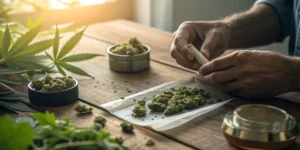
For those interested in making cannabis tinctures, alcohol is often the go-to solvent. Strains like Blue Dream, Candy Cream Go Fast and Northern Lights are perfect examples. These strains are rich in cannabinoids and terpenes, which are easily extracted with alcohol.
Alcohol tinctures also allow for creative applications. You can use them in cooking, adding a drop to sauces or soups to infuse them with herbal goodness. They’re easy to dose, making them a favorite for those using cannabis for medicinal purposes.
Alcohol tinctures are not just limited to culinary uses; they can also be incorporated into aromatherapy practices. When added to a diffuser, they can enhance the ambiance with their aromatic properties, contributing to mental clarity and relaxation.
Moreover, alcohol tinctures are often used in traditional medicine for their antiseptic properties. They can be applied to minor cuts and abrasions to help prevent infection, showcasing their multifunctional nature beyond just consumption.
Glycerin vs Alcohol Tincture for Herbal Remedies
Glycerin tinctures are a friendlier option for many, especially those sensitive to alcohol. Glycerin is sweet and palatable, making it easier to consume, especially for kids. It’s a solid choice for simple herbal remedies.
When considering glycerin vs alcohol tincture for herbal remedies, it’s important to note that glycerin is less effective at extracting resinous compounds. However, it shines when used for herbs with more water-soluble properties. It’s a trade-off between potency and taste.
The alcohol tincture vs glycerin debate often centers on the desired outcome of the remedy. For those seeking a gentle, soothing effect, glycerin tinctures are ideal, especially for formulations intended for children or those with a sensitivity to alcohol.
Glycerin tinctures can also be customized by adding natural flavors or essential oils, enhancing their appeal. This adaptability makes them a favorite in the creation of personalized herbal blends tailored to individual tastes and therapeutic goals.
Alcohol vs Glycerin Tincture Comparison
| Factor | Alcohol tincture | Glycerin tincture |
|---|---|---|
| Extraction power | Strong (pulls a wider range of compounds) | Moderate (best with more water-soluble compounds) |
| Best for cannabis? | Usually yes (better cannabinoid/terpene pull) | Milder option (often less potent) |
| Taste | Sharp/“boozy” unless diluted | Naturally sweet and smooth |
| Alcohol-free | No | Yes |
| Typical shelf life | Often years (cool, dark storage) | Usually shorter (often ~6–12 months; refrigeration helps) |
| Dosing | Easy, fast under the tongue | Easy, gentler taste for frequent dosing |
| Kid-friendly | Not ideal | More suitable (still use responsible dosing) |
| Top uses | Sublingual, beverages, cooking, some topical use | Syrups, skincare, desserts/drinks, gentle daily use |
Glycerin Tincture Applications
Glycerin tinctures are versatile in their own right. They can be used in homemade skincare products, providing a nourishing base for creams or salves. They’re also great for creating soothing cough syrups.
When making cannabis tinctures with glycerin, strains like Amnesia Haze can be a good choice. The sweet profile of glycerin complements the earthy, citrus notes of the strain, making for a pleasant-tasting tincture.
In addition to their use in skincare, glycerin tinctures can be added to bath products for a luxurious, moisturizing soak. This application highlights their skin-friendly nature and adds a spa-like experience to home routines.
For those into culinary exploration, glycerin tinctures can enhance desserts and beverages. Their sweet taste blends well with teas, smoothies, and even baked goods, allowing for creative and flavorful infusions.
Alcohol Tincture vs Glycerin Safety Considerations
Safety is a key consideration when deciding between alcohol tincture vs glycerin. For those avoiding alcohol, glycerin provides a safe alternative. It’s non-toxic and safe for consumption, making it ideal for family-friendly remedies.
However, alcohol tinctures are generally safe when used correctly. The alcohol content is typically low enough to avoid intoxication when dosed properly. Just keep them out of reach of children and use childproof containers for storage.
Understanding the alcohol tincture vs glycerin safety aspects is crucial, especially when using these extracts for therapeutic purposes. Always consult with a healthcare provider if you have concerns about interactions or sensitivities.
Proper labeling and storage are essential for safety. This involves clearly marking bottles with ingredients and preparation dates, ensuring users are aware of what they’re consuming and can track its shelf life effectively.
Ensuring Safe Use of Tinctures
Regardless of your choice, always label your tinctures clearly. Include the date of preparation and the ingredients used. This ensures you know exactly what you’re consuming or giving to others.
For those new to tinctures, start with small doses to gauge your body’s reaction. This applies to both alcohol and glycerin tinctures. Listen to your body and adjust accordingly.
Another important aspect of ensuring safe use is educating yourself about the specific herbs being used. Understanding their properties and potential effects can help minimize risks and enhance the effectiveness of the tincture.
It’s also advisable to store tinctures out of direct sunlight and away from heat sources. This precaution helps maintain their potency and prolongs their alcohol tincture vs glycerin shelf life, ensuring you get the most benefit from your preparations.
Frequently Asked Questions
How long do alcohol tinctures last compared to glycerin?
Alcohol tinctures generally have a longer shelf life than glycerin tinctures. Stored in a cool, dark place, alcohol tinctures can last several years without losing potency. This is due to alcohol’s preservative qualities.
In contrast, glycerin tinctures typically last up to a year. They should be refrigerated to maintain their effectiveness. While they don’t last as long as alcohol tinctures, they still offer a decent shelf life when stored properly.
For those wondering about alcohol tincture vs glycerin shelf life, it’s important to consider the intended use and frequency of consumption. If you plan on using tinctures regularly, the shorter shelf life of glycerin might not be an issue.
Additionally, the alcohol tincture vs glycerin shelf life can be affected by the type of herb used and the preparation method. High-quality ingredients and careful preparation can help extend the lifespan of both types of tinctures.
Can glycerin tinctures extract as well as alcohol tinctures?
Glycerin tinctures are less efficient at extracting certain compounds, especially resinous ones found in cannabis. Alcohol, being a stronger solvent, extracts a more comprehensive range of compounds. This includes both water-soluble and oil-soluble components.
While glycerin is less effective in extraction, it’s still a viable option for those prioritizing taste and alcohol-free alternatives. It works best with herbs high in water-soluble compounds.
When weighing alcohol tincture vs glycerin for extraction, consider the specific compounds you wish to obtain. For a full-spectrum extract, alcohol is the preferred choice; however, glycerin excels in preserving the delicate flavors and aromas of certain herbs.
The decision between alcohol tincture vs glycerin for extraction also depends on personal goals and preferences. For those focusing on flavor and gentler extracts, glycerin may be more appealing despite its limitations in extraction efficiency.
Are alcohol tinctures safe to consume?
Yes, alcohol tinctures are safe when used correctly. The alcohol content is usually low enough to avoid intoxication when dosed properly. It’s important to follow dosing guidelines and keep them out of reach of children.
For those concerned about alcohol, glycerin provides a safe, non-alcoholic alternative. Both types of tinctures are safe choices when used responsibly.
When considering alcohol tincture vs glycerin safety, it’s important to be mindful of any potential allergies or sensitivities. Some individuals may react differently to alcohol or glycerin, so it’s wise to monitor for any adverse effects.
Consulting with a healthcare professional can provide additional guidance on safe consumption practices, especially if you are using tinctures as part of a wellness or therapeutic regimen.
Which is better for cannabis tinctures: alcohol or glycerin?
Alcohol is generally preferred for cannabis tinctures due to its ability to extract a full range of cannabinoids and terpenes. Strains like Blue Dream and Northern Lights benefit from alcohol’s potent extraction power.
Glycerin can be a good choice if you’re looking for a milder, sweeter tincture. It’s less potent but offers a pleasant taste experience, making it ideal for those avoiding alcohol.
The choice between alcohol tincture vs glycerin for cannabis often boils down to personal preference and intended use. If maximum potency is the goal, alcohol tinctures are the way to go; however, for a more subtle, palatable option, glycerin is an excellent alternative.
Additionally, glycerin tinctures can be more user-friendly for those who might be sensitive to the harshness of alcohol, providing a smoother experience without compromising on the therapeutic benefits of cannabis.
What are the main differences between alcohol and glycerin tinctures?
The main differences revolve around potency, taste, and shelf life. Alcohol tinctures are more potent and have a longer shelf life, while glycerin tinctures are sweeter and alcohol-free, but less effective at extraction.
Your choice ultimately depends on your priorities. If you value potency and long-term storage, alcohol tinctures are ideal. If taste and alcohol-free options are more important, glycerin is a great choice.
Considering alcohol tincture vs glycerin safety, both are safe when used appropriately, but your personal needs and lifestyle will dictate the best option for you. Each type of tincture offers its own set of advantages and considerations.
Ultimately, the debate of alcohol tincture vs glycerin should take into account your specific needs, such as flavor preference, desired potency, and any dietary restrictions, to ensure you select the tincture that best fits your lifestyle.