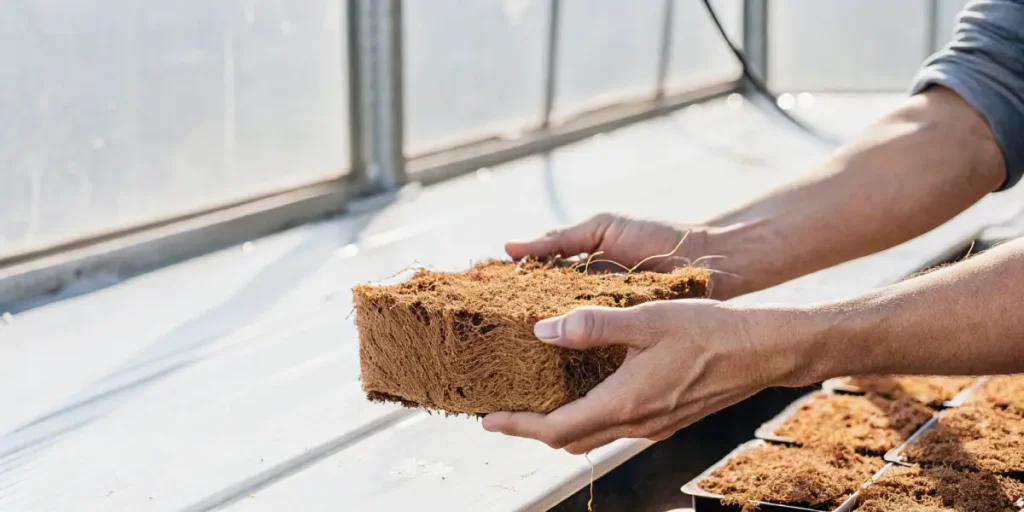

Choosing the right coco coir can make or break an autoflower grow. Thanks to its ideal balance of aeration, moisture retention, and nutrient control, high-quality coco coir allows autoflowers to grow faster, healthier, and with fewer issues. In this guide, you’ll learn how to select, mix, and use the best coco coir for autoflowers to maximize root health, growth speed, and overall yields.
Growing autoflowers can be a rewarding experience, especially when you choose the right medium. Coco coir is a popular choice among growers due to its excellent properties. But how do you choose the best coco coir for autoflowers? Let’s dive into the factors that make coco coir a top choice for both beginners and seasoned growers.
Recommended Strains
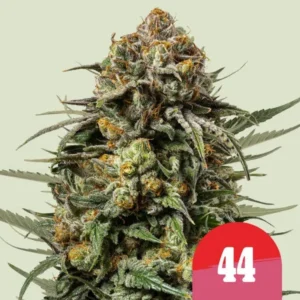
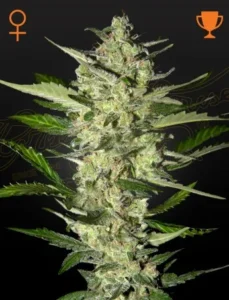
Gelato 44 - Tyson S

|
THC | 21% - 22% (Medium) |

|
Lineage | Sunset Sherbet X Thin Mint Girl Scout Cookies |

|
Type | Feminized |

|
Height | 4.92 ft | 1.5 m |

|
Yield | Medium |

|
Yield Indoor | 1.31 - 1.47 oz/ft² | 400 - 450 g/m² |

|
Yield Outdoor | 19.4 - 21.16 oz/plant | 550 - 600 g/plant |

|
Flowering Time | 8 - 9 weeks |

|
Phenotype | 75% Indica / 25% Sativa |

|
Effects | Creative, Euphoric |

|
Flavors | Citrus, Cookie, Earthy |
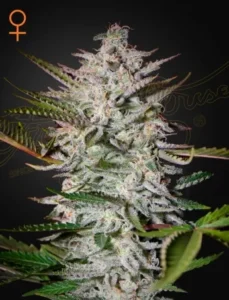
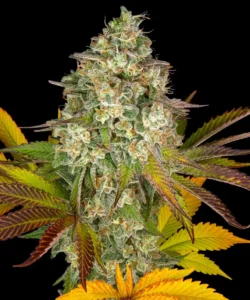
Holy Punch
|
|
THC | 20% - 21% (Medium) |
|
|
Lineage | The Church x Grape |
|
|
Type | Feminized |
|
|
Height | 5.09 ft | 1.55 m |
|
|
Yield Outdoor | 35.27 oz/plant | 1000 g/plant |
|
|
Flowering Time | 8 - 9 weeks |
|
|
Phenotype | 40% Indica / 60% Sativa |
|
|
Effects | Energetic, Talkative, Uplifted |
|
|
Flavors | Diesel, Grape, Woody |
Coco coir is made from coconut husks. It’s a sustainable and renewable resource, offering a perfect balance of water retention and aeration. Autoflowers thrive in coco coir thanks to its ability to provide roots with oxygen while retaining moisture. This combination helps autoflowers grow faster and healthier.
When selecting the best coco coir for autoflowers, consider factors like texture, pH level, and salt content. High-quality coco coir for autoflower plants should be free from impurities and well-buffered to ensure optimal growth conditions. Let’s explore the features and benefits of using coco coir for your autoflowering cannabis strains.
Features of High-Quality Coco Coir
The best coco coir brands for autoflower cannabis offer products specifically designed for optimal plant growth. A high-quality coco coir should have a consistent texture, free from large chunks or dust, which can affect drainage and aeration. Additionally, it should have a natural pH level close to neutral, making it suitable for growing cannabis without needing extensive adjustments.
Salt content is another crucial factor. Coco coir naturally contains salts that can harm plants if not properly washed and buffered. The best coco coir for autoflowers is thoroughly rinsed to remove these salts. This ensures that your plants receive only the nutrients you provide, without any interference from unwanted salts.
Moreover, the best coco coir for autoflowers should be able to retain essential nutrients while allowing excess salts and minerals to drain away. This helps in maintaining a stable growing environment. By choosing products from the best coco coir brands for autoflower cannabis, you ensure that your medium is consistent and reliable.
Another important feature is the coco coir’s ability to resist compaction over time. A high-quality coco coir for autoflower plants should maintain its structure and not compact, which can lead to poor aeration and root issues. Selecting a coco coir that remains airy and fluffy is crucial for the health of your autoflowers.
| Factor | Ideal for Autoflowers | Why it matters |
|---|---|---|
| Texture | Light, fluffy, no dust or large chunks | Ensures proper aeration and fast root growth |
| pH level | 5.8 – 6.5 | Prevents nutrient lockout and deficiencies |
| Salt content (EC) | Low / pre-washed & buffered | Autoflowers are sensitive to salt stress |
| Buffering | Calcium & magnesium buffered | Avoids Ca/Mg deficiencies common in coco |
| Drainage | High (often mixed with perlite) | Prevents overwatering and root issues |
| Reusability | Yes (with proper cleaning) | Cost-effective and sustainable |
| Best mix ratio | 70% coco / 30% perlite | Optimal balance of moisture and oxygen |
Recommended Coco Coir Mix for Autoflowers
Creating the perfect blend for your autoflowers can significantly impact your success. A recommended coco coir mix for autoflowers might include a combination of coco coir, perlite, and vermiculite. This blend enhances drainage and aeration, crucial for healthy root development and overall plant health.
When mixing your coco coir, aim for a ratio of 70% coco coir to 30% perlite or vermiculite. This provides a balanced environment where your plants can thrive. Each component plays a role—coco coir retains moisture, perlite improves aeration, and vermiculite aids in nutrient retention.
An important aspect of a recommended coco coir mix for autoflowers is the flexibility it offers. As you gain more experience, you can tweak the ratios to better suit the specific needs of your strains and growing conditions. This adaptability is a key advantage of using coco coir as a growing medium.
Additionally, some growers incorporate other amendments like worm castings or guano to their coco coir mix, providing an organic boost to plant growth. This can enhance the nutritional profile of the medium, giving your autoflowers an extra edge in their development.
Top-Rated Coco Coir Substrates for Autoflowering Strains
Exploring top-rated coco coir substrates can simplify your growing process. These substrates are pre-mixed and designed to provide optimal conditions for autoflowers. They typically come buffered and pre-washed, ensuring that your plants won’t suffer from salt build-up or pH imbalances.
Choosing a top-rated coco coir substrate can save you time and effort. Many growers prefer ready-to-use products, especially when cultivating strains like Blue Dream autoflowers. These substrates are convenient and effective, offering a consistent medium that supports robust growth and high yields.
These top-rated coco coir substrates for autoflowering strains often come with added beneficial microbes that help in nutrient breakdown and uptake. This can further enhance plant growth and health, giving you a competitive edge in your cultivation efforts.
Furthermore, the convenience of using top-rated coco coir substrates means you can focus more on other aspects of growing, such as lighting and nutrient management, confident that your plants have a solid foundation to grow on.

Optimal Coco Coir Blend for Growing Autoflowers
Finding the optimal coco coir blend for growing autoflowers involves understanding your plants’ needs. Autoflowers have a shorter lifecycle, which means they require precise conditions to maximize growth within a limited timeframe. An optimal blend provides the right balance of nutrients, moisture, and aeration.
For beginners, starting with a high-quality coco coir mix designed for cannabis can simplify the process. These blends often include added nutrients tailored for autoflowers. However, experienced growers might prefer to create their own mix, adjusting components to suit specific strains like the White Widow autoflower from Global Green Genetics.
It’s also beneficial to consider the environmental conditions of your growing space when determining the optimal coco coir blend. Factors such as humidity and temperature can influence how your plants interact with the medium, so adjustments may be necessary to maintain ideal growing conditions.
Additionally, the nutritional needs of your autoflower strains can vary, so it’s important to remain vigilant and responsive. Regular testing of the growing medium and plant tissue can help identify any deficiencies or excesses, allowing you to tweak your coco coir blend for maximum effectiveness.
Benefits of Using Coco Coir for Autoflowers
Using coco coir for autoflowers offers numerous benefits. Its excellent water retention means you don’t have to water as frequently, reducing the risk of over or under-watering. This is especially beneficial for new growers still learning the ropes of cannabis cultivation.
Coco coir is also resistant to pests and diseases, which can be a major concern in cannabis growing. Its natural antifungal properties help protect your plants, giving you peace of mind. For those growing strains like Amnesia Haze autoflowers, this added protection is invaluable.
Another significant benefit of using coco coir is its environmental sustainability. As a by-product of the coconut industry, it’s an eco-friendly choice that supports sustainable agriculture practices. This makes it an appealing option for environmentally conscious growers.
Additionally, coco coir’s lightweight nature makes it easy to handle and transport, simplifying the setup and maintenance of your growing area. This practical advantage can be particularly useful when managing multiple plants or larger grow spaces.
Practical Tips for Using Coco Coir
Start by choosing the right coco coir. Look for products specifically labeled for cannabis to ensure they’re properly processed. Reputable brands will have undergone extensive washing and buffering, making them safe and effective for your plants.
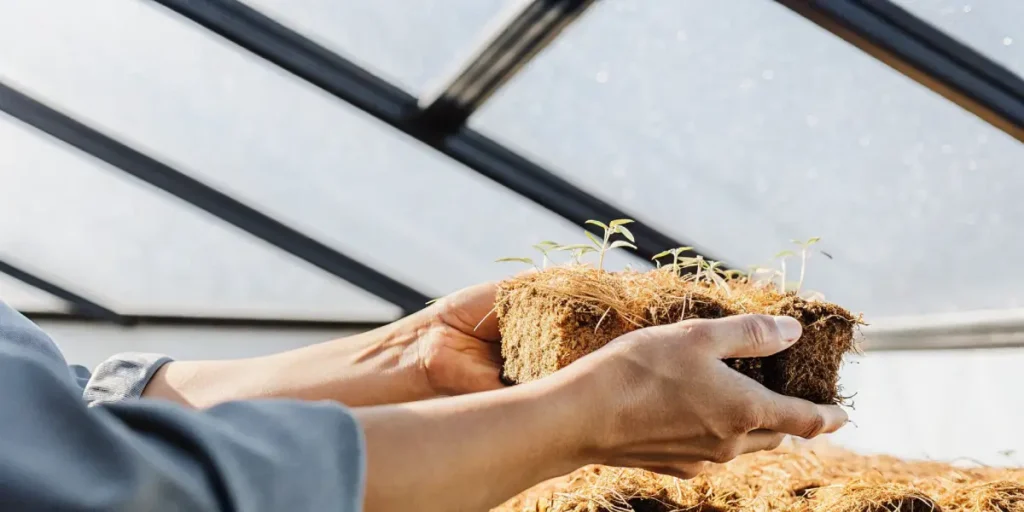
Once you have your coco coir, hydrate it thoroughly before use. Coco coir often comes compressed, so soaking it in water allows it to expand to its full volume. This step is crucial for achieving the proper texture and water retention capabilities.
It’s also advisable to regularly monitor the pH levels of your coco coir. Maintaining the pH within the optimal range ensures that nutrients are readily available to your plants, preventing deficiencies and promoting healthier growth.
Moreover, using a drip irrigation system can help maintain consistent moisture levels within the coco coir. This can be particularly beneficial for autoflowers, which can be sensitive to fluctuations in their growing environment.
FAQs
What makes coco coir ideal for autoflowers?
Coco coir is ideal for autoflowers due to its excellent water retention and aeration properties. These characteristics create a balanced environment that supports rapid growth and strong root development. For first-time growers, coco coir offers a forgiving medium that minimizes common cultivation mistakes.
Additionally, coco coir’s natural resistance to pests and diseases adds a layer of protection for your plants. This is particularly beneficial when growing autoflowers, which have a limited time to mature. By using coco coir, you can focus on providing the right nutrients and conditions, knowing that your medium is supporting plant health.
The versatility of coco coir also makes it suitable for various growing setups, from traditional pots to advanced hydroponic systems. This adaptability allows growers to experiment with different cultivation styles while maintaining optimal conditions for their autoflower strains.
Furthermore, the best coco coir for autoflowers is engineered to be consistent across batches, ensuring that your growing medium remains reliable and effective for each grow cycle. This consistency is key to achieving predictable and successful harvests.
How do I prepare coco coir for planting?
Preparing coco coir involves hydrating and expanding it. Most coco coir products come compressed, so start by soaking them in water. This rehydrates the coir, allowing it to expand and achieve the desired texture for planting. Ensure it’s thoroughly soaked before use.
Once expanded, mix the coco coir with perlite or vermiculite for improved aeration and drainage. This step is important for creating a suitable environment for autoflowers, which thrive in well-aerated mediums. Finally, check the pH level and adjust if necessary to ensure it’s in the optimal range for cannabis growth.
After preparing your coco coir, it’s beneficial to pre-charge it with a light nutrient solution. This initial feeding provides your plants with essential nutrients as soon as they are planted, promoting quicker establishment and growth.
Also, remember to use a container with adequate drainage holes when planting in coco coir. Proper drainage is crucial to prevent waterlogging and ensure that your plants’ roots have access to the oxygen they need.
Can I reuse coco coir for multiple grows?
Yes, coco coir can be reused for multiple grows, making it a sustainable option for cannabis cultivation. However, it’s important to properly clean and rejuvenate the coco coir between grows. This involves removing any root debris, rinsing the coir to remove salt build-up, and re-buffering if necessary.
Reusing coco coir can save costs and reduce waste, but it requires careful management to maintain its quality. Regularly monitoring pH levels and ensuring the coir remains free from contaminants will help you achieve consistent results across multiple grows.
It’s also recommended to refresh the coco coir with new amendments, such as perlite or vermiculite, to restore its aeration and drainage properties. This can help maintain an optimal growing environment for your subsequent grows.
Additionally, thoroughly sterilizing the coco coir before reuse can prevent the carry-over of pathogens and pests, ensuring that each new grow starts with a clean slate. This step is crucial for maintaining the health and vigor of your plants.
What strains grow best in coco coir?
Coco coir supports a wide range of cannabis strains, making it versatile for different growing preferences. Autoflower strains, in particular, benefit from coco coir’s balanced moisture and aeration properties. Strains like Northern Lights, Amnesia Haze, and Blue Dream autoflowers all thrive in coco coir.
Each strain may have specific nutrient and environmental needs, so it’s important to tailor your growing practices accordingly. By using high-quality coco coir and monitoring your plants’ responses, you can optimize conditions for any autoflowering strain.
Additionally, experimenting with different nutrient formulas and coco coir blends can help identify the ideal conditions for each strain. This tailored approach can enhance growth performance and lead to larger, more potent harvests.
Some growers also find success in using specific coco coir products that are formulated with particular strains in mind. These blends can offer a convenient and effective solution for maximizing the potential of your autoflowers.
Is coco coir better than soil for autoflowers?
Many growers find that coco coir offers advantages over soil for growing autoflowers. Coco coir provides better aeration and water retention, reducing the risk of root rot and overwatering. This is particularly beneficial for autoflowers, which require precise conditions to maximize their short growth cycles.
While soil contains natural nutrients, coco coir allows for greater control over nutrient feeding. This control can lead to healthier plants and higher yields. Ultimately, whether coco coir is better than soil depends on your personal growing style and goals.
Another benefit of using coco coir instead of soil is the reduction in pests and diseases commonly found in soil-based systems. This can lead to a cleaner and more controlled growing environment, which is particularly advantageous for indoor cultivation.
Additionally, coco coir is generally more forgiving of mistakes, such as over-fertilization, due to its excellent drainage and nutrient retention properties. This makes it an ideal choice for those new to growing autoflowers, providing a more accessible entry point into cannabis cultivation.