

The autoflower cannabis plant is a fascinating specimen. With an autoflower life span of just 8 to 12 weeks, these plants offer a quick turnaround from seed to harvest. This rapid growth cycle makes them ideal for both beginners and experienced growers who seek fast results. Unlike photoperiod cannabis strains, autoflowers do not rely on light cycles to transition from the vegetative stage to the flowering stage.
Autoflowering cannabis plants have a unique ability to flower based on their age rather than light exposure. This trait stems from their genetics, which includes Cannabis ruderalis, a variety known for its ability to thrive in harsh conditions with limited sunlight. As a result, autoflower plants have a shorter life cycle, making them a popular choice for cultivators looking to maximize yield in a short period.
Recommended Strains
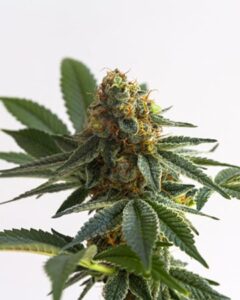
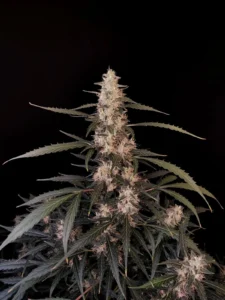
Alaska Thunderfuck Autoflower

|
THC | 22% - 23% (Medium) |

|
Lineage | (North American x Afghani) x Ruderalis |

|
Type | Autoflowering |

|
Height | 3.94 ft | 1.2 m |

|
Yield | High |

|
Yield Indoor | 1.64 oz/ft² | 500 g/m² |

|
Yield Outdoor | 28.22 oz/plant | 800 g/plant |

|
Life Cycle | 9 - 10 weeks |

|
Phenotype | 40% Indica / 60% Sativa |

|
Effects | Energetic, Euphoric, Happy |

|
Flavors | Earthy, Spicy, Sweet |
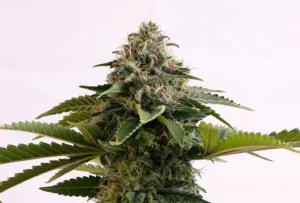
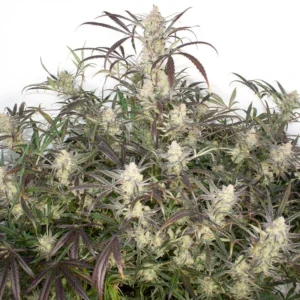
Amnesia Dream XL Auto
|
|
THC | 17% - 18% (Medium) |
|
|
Lineage | Amnesia Auto x Amnesia Haze |
|
|
Type | Autoflowering |
|
|
Height | 4.27 ft | 1.3 m |
|
|
Yield | Low |
|
|
Yield Indoor | 1.15 - 1.31 oz/ft² | 350 - 400 g/m² |
|
|
Yield Outdoor | 7.05 - 10.58 oz/plant | 200 - 300 g/plant |
|
|
Life Cycle | 10 - 11 weeks |
|
|
Phenotype | 30% Indica / 70% Sativa |
|
|
Effects | Energetic |
|
|
Flavors | Citrus, Earthy |
Many growers are drawn to the autoflower life span because it allows for multiple harvests within a single growing season. Whether cultivating indoors or outdoors, the speed and efficiency of autoflowers can lead to a rewarding growing experience. The average time from seed to harvest for autoflower strains is generally between 70-90 days, making them an excellent option for those eager to enjoy their harvest sooner rather than later.
Autoflower Plant Life Cycle Duration
The life cycle of an autoflower cannabis plant begins with the germination phase. During this stage, the seed cracks open, and the first root, known as the taproot, begins to develop. This phase typically lasts about 3 to 7 days, depending on environmental conditions such as temperature and humidity.
Following germination, the seedling phase takes over. This stage lasts for about 1 to 2 weeks. During this time, the plant focuses on developing a strong root system and producing its first sets of true leaves. The seedling stage is crucial for setting the foundation for a healthy plant, and growers should ensure optimal conditions to support robust growth.
After the seedling stage, the plant enters the vegetative phase, which usually lasts around 2 to 4 weeks. During this time, the plant rapidly develops its structure, adding more leaves and branches. The vegetative phase is vital for building the plant’s framework to support the buds that will form later. Proper care and nutrition during this phase can significantly influence the overall autoflower life span.
The final stage is flowering, where the plant shifts its energy towards bud production. This stage can last from 5 to 7 weeks, depending on the strain and growing conditions. The autoflower plant life cycle duration is completed when the buds are fully mature, at which point they are ready for harvest. Monitoring environmental factors and providing adequate nutrients can help ensure that the plant reaches its potential within the typical lifespan of autoflower cannabis.
How Long Do Autoflowers Live Indoors?
Growing autoflowers indoors offers more control over the growing environment, which can positively impact their lifespan. Typically, the autoflower life span indoors ranges from 8 to 12 weeks, allowing for precise control over factors such as light, temperature, and humidity. These conditions can lead to a more consistent and potentially higher yield.
Indoor growers often use LED or HID lights to provide the necessary spectrum for growth. Because autoflowers do not depend on light cycles for flowering, they can be kept under a consistent light schedule, usually 18-24 hours of light per day. This constant light exposure can enhance growth and shorten the overall life cycle.
Ensuring a stable indoor environment is key to maximizing the typical lifespan of autoflower cannabis. Factors such as airflow, humidity levels, and temperature need to be carefully monitored and adjusted to create the optimal conditions for growth. Indoor setups allow for greater control, which can lead to a healthier plant and a successful yield.
Another advantage of indoor growing is the ability to shield plants from outdoor pests and diseases. By creating a controlled environment, growers can reduce the risk of infestations and other issues that might extend or negatively impact the autoflower life span. This protective setup ensures that indoor cultivators can enjoy the benefits of a quick and efficient harvest.
Factors Affecting Autoflower Lifespan
Several factors can influence the life span of autoflower cannabis plants. Environmental conditions such as light, temperature, and humidity play significant roles in determining how quickly a plant will mature. Inadequate lighting or extreme temperatures can prolong the life cycle or lead to suboptimal yields.
Nutrient availability is another critical factor. Autoflowers require a balanced diet of macro and micronutrients to support their rapid growth. Overfeeding or underfeeding can stress the plant, impacting its overall health and lifespan. Using a soil mix specifically formulated for cannabis can help mitigate these risks.
Genetic stability is crucial for ensuring a predictable autoflower plant life cycle duration. Strains with reliable genetics are less likely to experience issues with growth or flowering, allowing for a more straightforward cultivation process. Selecting high-quality seeds from reputable sources can help guarantee a successful grow.
Stress factors, such as transplanting or pruning, can also affect the autoflower life span. Minimizing plant stress by handling them carefully and providing consistent care will help maintain their health and promote a timely harvest. Knowing these factors and how they interact can help growers achieve the best possible outcomes from their efforts.
Average Time from Seed to Harvest Autoflower
The average time from seed to harvest for autoflower strains is typically between 70 to 90 days. This period is significantly shorter than photoperiod strains, which can take several months to mature. This quick turnaround makes autoflowers appealing to growers who want multiple harvests within a year.
During the flowering stage, which usually begins around the third or fourth week, the plant will start to develop buds. This stage lasts for about 5 to 7 weeks, during which time the buds will swell and mature. Growers should monitor the trichomes on the buds to determine the optimal harvest time, looking for a milky or amber hue.
Autoflower growers often capitalize on the shorter average time from seed to harvest by planning multiple cycles throughout the growing season. This strategy allows for continuous production and can be particularly advantageous for commercial growers looking to maximize profits. By understanding the typical lifespan of autoflower cannabis, cultivators can better schedule their planting and harvesting efforts.
The rapid growth and development of autoflowers require careful attention to detail. Growers must be diligent in monitoring their plants and making timely adjustments to care routines. Whether adjusting nutrient levels or modifying environmental conditions, proactive management is essential to achieving a successful harvest within the expected timeframe.

Real-Life Examples of Autoflower Strains
One of the most popular autoflower strains is the Auto White Widow from Global Green Genetics. Known for its potent effects and resinous buds, this strain completes its life cycle in about 75 days. Its robust nature and resistance to pests make it an excellent choice for both indoor and outdoor cultivation.
Another noteworthy strain is Auto Amnesia Haze. This sativa-dominant hybrid offers a cerebral high and can be harvested in approximately 80 days. Its complex flavor profile and energetic effects make it a favorite among connoisseurs.
Auto Blueberry stands out for its unique flavor and compact growth habit, making it ideal for indoor cultivation where space might be limited. Completing its life cycle in around 10 weeks, this strain is prized for its sweet aroma and visually appealing buds. Growers appreciate its resilience and adaptability to various growing environments.
For those seeking a more balanced effect, Auto Northern Lights offers a blend of relaxation and euphoria. Known for its rapid flowering time and high yields, this strain is a staple for many growers. Its ability to thrive in diverse climates makes it a versatile option for both novice and experienced cultivators looking to explore the autoflower life span.
FAQs
What is the typical lifespan of autoflower cannabis?
The typical lifespan of autoflower cannabis ranges from 8 to 12 weeks. This short life cycle is due to the plant’s genetic makeup, which allows it to flower based on age rather than light exposure. This makes autoflowers an attractive option for growers seeking a quick harvest.
Many cultivators appreciate the rapid turnaround time of autoflowers, allowing for multiple harvests in a season. The ability to grow and harvest in such a short period is one of the main reasons autoflowers have gained popularity among growers of all experience levels.
Understanding the typical lifespan of autoflower cannabis helps growers plan their cultivation cycles more effectively. By knowing what to expect, they can prepare their growing environments and schedules in advance, ensuring they have the resources and time needed for each phase of the plant’s life cycle.
Adapting to the fast-paced nature of autoflowers can be a rewarding challenge for growers. With careful planning and attention to detail, cultivators can take full advantage of the short growth period, leading to a successful and productive growing season.
How does the autoflower life span differ indoors and outdoors?
Indoors, the autoflower life span can be more controlled, typically ranging from 8 to 10 weeks. Indoor environments allow growers to manipulate light, temperature, and humidity to optimize growth conditions. This control can lead to more consistent yields and potentially faster harvest times.
Outdoors, the life span may extend slightly due to environmental variables. However, autoflowers are generally hardy and can thrive in a variety of climates. The overall life cycle remains relatively consistent, with most outdoor grows completing in 10 to 12 weeks.
Outdoor growing presents unique challenges and opportunities for cultivators. While the lack of environmental control can introduce variables that affect growth, the natural sunlight and larger growing spaces can lead to robust plant development and potentially greater yields. Understanding how long do autoflowers live indoors versus outdoors helps growers choose the best environment for their specific needs.
Whether growing indoors or outdoors, the autoflower life span offers flexibility and adaptability. By selecting the appropriate strains and managing their growing environment effectively, cultivators can enjoy bountiful harvests regardless of where they choose to grow.
What factors can impact the life span of autoflower strains?
Several factors can affect the life span of autoflower strains, including genetics, environmental conditions, and nutrient availability. Strains with stable genetics, like those available on Global Green Genetics, offer more predictable growth patterns and life cycles.
Environmental conditions such as light intensity, temperature, and humidity levels can also impact how quickly a plant matures. Providing adequate nutrients and maintaining an optimal growing environment will support a healthy and timely life cycle.
Pest and disease management is another crucial aspect of maintaining a healthy autoflower life span. Regularly inspecting plants for signs of infestation or illness and taking preventive measures can help protect plants from stress and potential damage. Keeping the growing area clean and free of debris is an essential part of this process.
Watering practices also play a vital role in determining the health and duration of the autoflower plant life cycle. Overwatering or underwatering can stress plants and lead to growth complications. Implementing a consistent and balanced watering schedule based on the plant’s developmental stage and environmental conditions is key to supporting healthy growth.
How long does it take for autoflowers to mature from seed?
The average time for autoflowers to mature from seed is about 70 to 90 days. This period includes the germination, vegetative, and flowering stages. The entire process is significantly shorter than traditional photoperiod strains, making autoflowers ideal for quick harvests.
Growers can expect the vegetative stage to last around 3 to 4 weeks, followed by a flowering stage of 5 to 7 weeks. Monitoring the plant’s progress and adjusting care as needed can help ensure a successful and timely harvest.
Understanding the average time from seed to harvest autoflower helps growers plan their cultivation strategy effectively. By anticipating the stages of growth, they can allocate resources and time to meet the plants’ needs at each phase, ensuring a healthy and productive cycle.
During the flowering stage, the plant’s energy focuses on bud development. Observing changes in the plant’s appearance, such as the color of the trichomes, can help growers determine the optimal harvest time. Careful monitoring and timely interventions can lead to a successful and satisfying yield.
Why choose autoflower strains from Global Green Genetics?
Choosing autoflower strains from Global Green Genetics offers several advantages, including access to high-quality genetics and a wide variety of strains. With options like Auto Blueberry, Auto Northern Lights, and Auto White Widow, growers can find strains tailored to their specific needs and preferences.
The site’s reputation for quality seeds and reliable genetic stability ensures that growers can expect consistent results. Whether you’re a first-time grower or an experienced cultivator, autoflowers from Global Green Genetics provide a dependable and efficient growing experience.
Besides to a diverse selection, Global Green Genetics provides valuable resources and support for growers. Their commitment to customer satisfaction and educational content helps cultivators make informed decisions and maximize their growing success. This level of support is essential for achieving the desired outcomes in each growing cycle.
By choosing reliable sources for seeds, growers can mitigate many of the uncertainties associated with the autoflower life span. Investing in high-quality genetics and leveraging the expertise available from trusted suppliers can significantly enhance the overall growing experience and lead to more rewarding harvests.