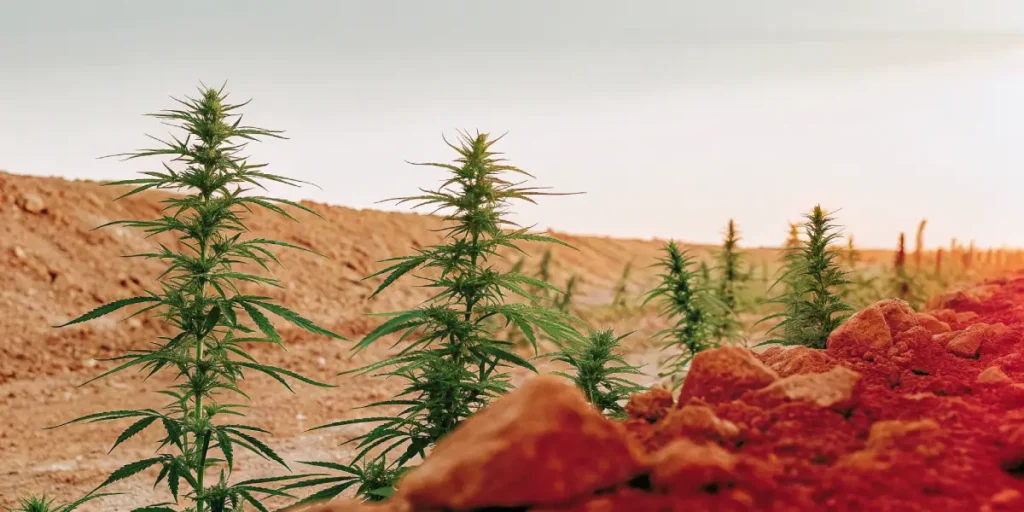

Cannabis ruderalis, the rugged weed, is known for its resilience and adaptability. Originating in the harsh climates of Russia and Central Asia, this plant has developed unique traits that make it a favorite among growers. Unlike its cousins, cannabis sativa and indica, ruderalis is a true survivor, thriving in conditions that would challenge other strains.
The cannabis ruderalis origin story is a tale of survival and adaptation. This plant flourished in regions where the growing season is short and daylight hours are minimal. As a result, it evolved to flower based on age rather than light cycles, a trait known as autoflowering. This characteristic makes it particularly appealing for those looking for an easy-to-grow variety.
Recommended Strains
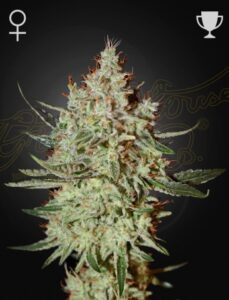
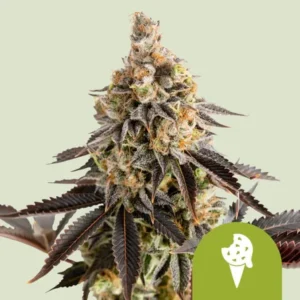
Cheese Strain

|
THC | 22% - 23% (Medium) |

|
Lineage | Skunk x Skunk |

|
Type | Feminized |

|
Height | 5.74 ft | 1.75 m |

|
Yield Outdoor | 31.75 oz/plant | 900 g/plant |

|
Flowering Time | 8 - 9 weeks |

|
Phenotype | 60% Indica / 40% Sativa |

|
Effects | Relaxed, Euphoric, Happy, Powerful |

|
Flavors | Sweet, Pine, Skunk, Cheese |
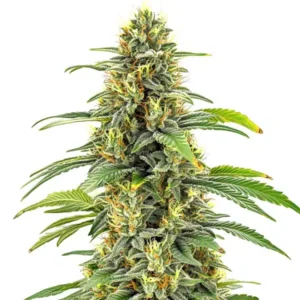
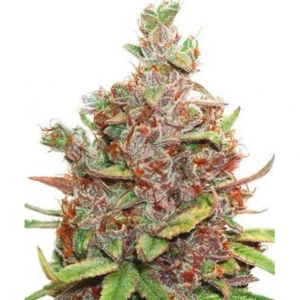
Santa Muerte Fast Blooming
|
|
THC | 17% - 20% (Medium) |
|
|
Lineage | Santa Muerte x Secret Hybrid |
|
|
Type | Fast Flowering |
|
|
Height | 4.92 ft | 1.5 m |

|
Yield | Medium |

|
Yield Indoor | 1.31 - 1.47 oz/ft² | 400 - 450 g/m² |
|
|
Yield Outdoor | 21.16 - 24.69 oz/plant | 600 - 700 g/plant |
|
|
Flowering Time | 8 - 10 weeks |
|
|
Phenotype | 40% Indica / 60% Sativa |

|
Medical | Arthritis, Depression, Fatigue |
|
|
Effects | Happy, Relaxed, Talkative |
|
|
Flavors | Fruity, Herbal, Woody |
When considering cannabis ruderalis growth conditions, it’s important to acknowledge its hardy nature. This plant can withstand colder temperatures and less fertile soils, making it an ideal choice for outdoor cultivation. Whether you’re a novice or a seasoned grower, understanding the environment where this plant thrives is key to a successful harvest.
Benefits of Cannabis Ruderalis
The benefits of cannabis ruderalis extend beyond its robustness. One of the most significant advantages is its autoflowering capability. Unlike photoperiod strains, ruderalis does not rely on specific light schedules to begin flowering. This trait simplifies the growing process, allowing for multiple harvests in a single season.
Another benefit is its compact size. Cannabis ruderalis typically grows shorter than its sativa and indica counterparts, making it ideal for small spaces. This feature is particularly advantageous for those cultivating cannabis ruderalis outdoors in areas with limited space or privacy concerns.
Besides to its ease of growth, the benefits of cannabis ruderalis also include its adaptability to diverse environmental conditions. This rugged weed can endure a range of climates, making it a popular choice for growers in unpredictable weather regions. Its resilience ensures a steady yield even in less-than-ideal soil conditions.
Moreover, cannabis ruderalis can be a great option for experimental growers looking to create new hybrids. By crossbreeding ruderalis with sativa or indica strains, breeders can develop new varieties that combine the robustness and autoflowering traits of ruderalis with the desired characteristics of other strains. This versatility further enhances the appeal of cannabis ruderalis among cannabis enthusiasts.
Cultivating Cannabis Ruderalis Outdoors
When cultivating cannabis ruderalis outdoors, it’s crucial to consider its natural habitat. This plant thrives in environments with cooler temperatures and less-than-perfect soil. Here are some tips to ensure a successful outdoor cultivation:
- Choose a location with well-drained soil.
- Ensure adequate sunlight exposure.
- Monitor temperature and protect from extreme cold.
Using these guidelines, growers can maximize the yield and quality of their cannabis ruderalis crop. Additionally, its rapid life cycle means you can enjoy multiple harvests, even in regions with shorter growing seasons.
Incorporating organic fertilizers and proper watering techniques can further enhance the growth of cannabis ruderalis. It’s important to maintain a balance in watering, as overwatering can lead to root rot, while underwatering can stress the plant. Understanding cannabis ruderalis growth conditions is key to achieving a healthy and productive plant.
Additionally, mulching around the base of the plant can help retain soil moisture and regulate temperature. Mulching also suppresses weed growth, allowing cannabis ruderalis to absorb essential nutrients without competition. By optimizing these cultivating cannabis ruderalis outdoors practices, growers can ensure a successful and rewarding harvest.
Cannabis Ruderalis vs Sativa Differences
Knowing the differences between cannabis ruderalis and sativa is essential for selecting the right strain for your needs. While sativa is known for its tall stature and energizing effects, ruderalis offers a more subtle experience with a focus on durability and ease of growth.
One key difference lies in their flowering mechanisms. As previously mentioned, ruderalis is autoflowering, while sativa requires specific light conditions. This distinction makes ruderalis more accessible for beginners or those with unpredictable growing environments.
Another significant difference between cannabis ruderalis and sativa is their growth habits. Sativa strains typically grow tall and have a longer flowering period, making them suitable for outdoor environments with ample space and prolonged sunlight. In contrast, cannabis ruderalis, the rugged weed, remains compact and completes its life cycle much faster.
Additionally, the effects of these strains vary. While sativa is associated with uplifting and cerebral effects, cannabis ruderalis tends to have milder psychoactive effects. This makes ruderalis a suitable option for those seeking a more subdued experience or for incorporating into hybrid strains to balance effects with ease of growth.
Recommended Cannabis Ruderalis Strains
When selecting strains, consider those that highlight the strengths of cannabis ruderalis. At Global Green Genetics, you can find strains like Lowryder, a classic choice known for its compact size and rapid growth. It’s perfect for discrete indoor setups or limited outdoor spaces.
Another excellent option is the Northern Lights Automatic. This strain combines the resilience of ruderalis with the potent effects of Northern Lights, offering a balanced experience for both recreational and medicinal users.
For growers interested in unique flavors, the Blueberry Auto provides an excellent balance of taste and resilience. Its fruity profile paired with the robust nature of cannabis ruderalis makes it a delightful choice for gardeners seeking both aesthetics and productivity.
Additionally, the Diesel Auto strain brings together the iconic aroma of Diesel with the autoflowering benefits of ruderalis. This combination ensures a fast-growing, aromatic plant that’s suitable for both indoor and outdoor cultivation, adding diversity to any cannabis garden.
FAQs about Cannabis Ruderalis
What is the best climate for growing cannabis ruderalis?
Cannabis ruderalis thrives in cooler climates with shorter growing seasons. Its natural adaptation to these conditions makes it an excellent choice for regions with unpredictable weather. It can withstand lower temperatures and requires less daylight to flower, making it versatile for various environments.
If you’re in a warmer climate, consider using partial shade or providing adequate water to prevent heat stress. The rugged nature of cannabis ruderalis allows it to adapt, but ensuring optimal growth conditions will result in a more bountiful harvest.
In addition to monitoring temperature and light, it’s crucial to ensure that cannabis ruderalis is planted in well-drained soil to prevent waterlogging. Excessive moisture can hinder root development and increase the risk of fungal infections, so proper soil management is key to cultivating healthy plants.
For regions with intense sunlight, using shade cloth can help protect cannabis ruderalis from potential sunburn and heat stress. By tailoring growing practices to accommodate environmental challenges, cultivators can optimize the growth and yield of cannabis ruderalis the rugged weed in diverse climates.
How does cannabis ruderalis differ from indica strains?
Cannabis ruderalis and indica differ primarily in size, flowering time, and effects. Indica strains are typically larger and require specific light cycles to flower, while ruderalis remains compact and flowers based on age. This makes ruderalis easier to manage, especially for new growers.
The effects also vary; while indica is known for its relaxing properties, ruderalis offers a milder experience. It’s often used in hybrids to create autoflowering versions of popular indica strains, blending ease of growth with desired effects.
Another notable difference between cannabis ruderalis and indica is their cultivation requirements. Indica strains generally prefer warmer climates and rich, fertile soil to thrive, while cannabis ruderalis growth conditions are more forgiving, allowing it to flourish in less optimal environments.
Furthermore, the genetic makeup of cannabis ruderalis makes it an ideal candidate for breeding programs aimed at creating resilient strains. By incorporating ruderalis’ autoflowering trait into indica hybrids, breeders can develop strains that offer the relaxing benefits of indica along with the growth advantages of cannabis ruderalis the rugged weed.
Can cannabis ruderalis be grown indoors?
Yes, cannabis ruderalis is well-suited for indoor cultivation. Its compact size and autoflowering nature make it ideal for limited spaces. Growers can control environmental factors such as temperature and humidity more easily indoors, optimizing conditions for healthy growth.
When growing indoors, consider using grow lights to supplement natural light, ensuring the plant receives enough energy to thrive. The convenience of multiple harvests also makes indoor growing a popular choice for ruderalis enthusiasts.
In addition to environmental control, indoor cultivation allows growers to experiment with various growing mediums such as soil, hydroponics, or coco coir. Each medium offers distinct benefits and challenges, enabling growers to tailor their approach to suit the specific needs of cannabis ruderalis the rugged weed.
Moreover, indoor growers can benefit from technological advancements like automated watering systems and climate control units that simplify the cultivation process. These tools help maintain ideal cannabis ruderalis growth conditions, resulting in more consistent yields and healthier plants.
Is cannabis ruderalis suitable for medicinal use?
While cannabis ruderalis itself has a lower THC content compared to other strains, it is often used in breeding programs to create hybrids with medicinal properties. These hybrids combine the rugged qualities of ruderalis with the therapeutic benefits of other strains.
For those seeking medicinal benefits, hybrids like the Northern Lights Automatic can offer relief with the convenience of ruderalis’ growth characteristics. Always consult with a healthcare professional to ensure the strain meets your specific needs.
Additionally, cannabis ruderalis hybrids can be tailored to emphasize certain cannabinoids such as CBD, providing therapeutic effects without the psychoactive high typically associated with THC-rich strains. This makes ruderalis hybrids an attractive option for patients seeking symptom relief without significant intoxication.
Breeders continue to explore the potential of cannabis ruderalis for medicinal purposes, focusing on creating strains that offer specific therapeutic profiles. These advancements highlight the growing recognition of cannabis ruderalis as a valuable component in developing effective medicinal cannabis products.
How long does it take for cannabis ruderalis to flower?
Cannabis ruderalis typically begins to flower within 3 to 4 weeks after germination. This rapid lifecycle is one of its most appealing features, allowing growers to achieve multiple harvests in a single growing season.
This quick turnaround time means less waiting and more frequent yields, making it a favorite for those looking to maximize production. The autoflowering characteristic simplifies planning, as growers don’t need to adjust light schedules to trigger flowering.
The consistent flowering timeline of cannabis ruderalis the rugged weed makes it an ideal choice for staggered planting. By planting seeds at different intervals, growers can enjoy a continuous supply of fresh harvests throughout the growing season, ensuring a steady availability of cannabis products.
Furthermore, the predictable flowering period allows cultivators to better manage their resources and plan for successive harvests, optimizing the efficiency of their cannabis operations. This attribute reinforces the appeal of cannabis ruderalis for both commercial and personal growers seeking reliable and regular yields.