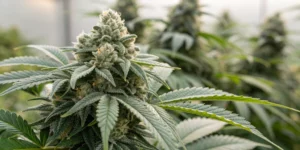
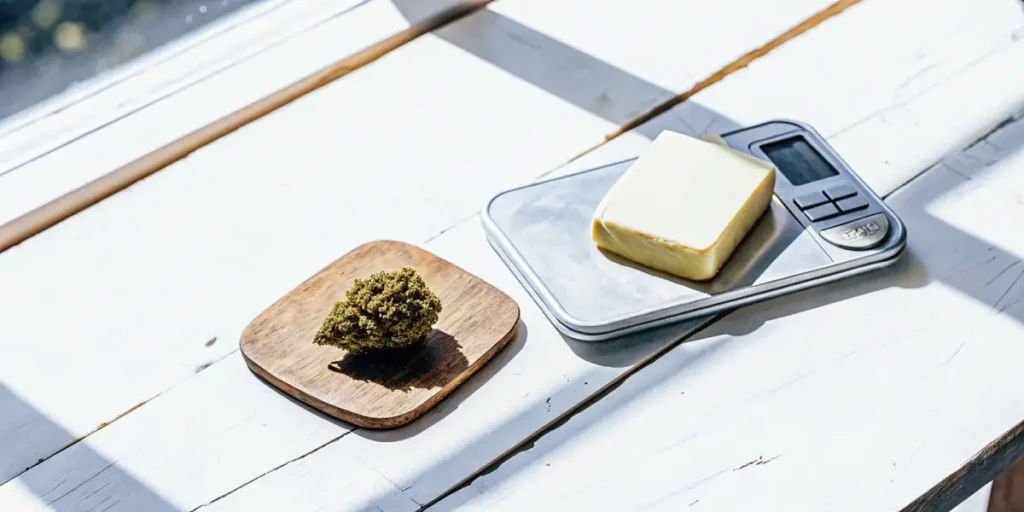

Hash butter is one of the most popular and versatile ways to infuse cannabis into food, allowing you to enjoy long-lasting effects through your favorite recipes. In this guide, you’ll learn how to make hash butter step by step, from choosing the right strain and decarboxylating cannabis to proper infusion, storage, and dosing. Whether you’re following a classic hash butter recipe or experimenting with butter hash at home, this article covers everything you need to achieve potent, flavorful, and consistent results.
Hash butter is ideal for those looking to explore the culinary side of cannabis. It’s a simple way to use your harvest, especially if you’ve grown strains from Global Green Genetics like Blue Dream, Northern Lights, or OG Kush. Once you get the hang of making hash butter at home, you’ll find it’s a versatile ingredient for a variety of dishes.
Recommended Strains
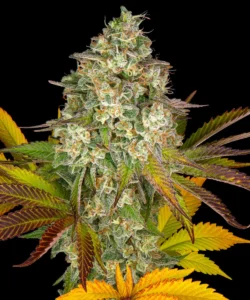
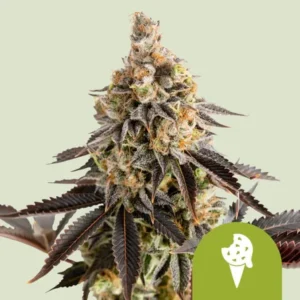
Cookies Kush

|
THC | 24% - 25% (High) |

|
Lineage | Girl Scout Cookies x OG Kush |

|
Type | Feminized |

|
Height | 4.43 ft | 1.35 m |

|
Yield Outdoor | 35.27 oz/plant | 1000 g/plant |

|
Flowering Time | 7 - 8 weeks |

|
Phenotype | 70% Indica / 30% Sativa |

|
Effects | Focused, Energetic, Euphoric, Happy, Relaxed |

|
Flavors | Woody, Apple, Lime |
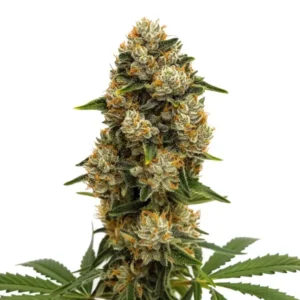
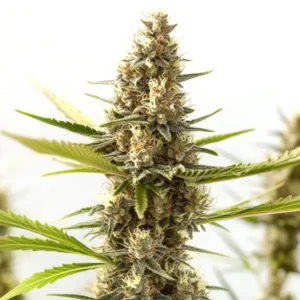
Durban Poison Auto
|
|
THC | 21% - 25% (Medium) |
|
|
Lineage | Durban Poison x Ruderalis |
|
|
Type | Autoflowering |
|
|
Height | 4.92 ft | 1.5 m |

|
Yield | Low |

|
Yield Indoor | 0.82 - 0.98 oz/ft² | 250 - 300 g/m² |
|
|
Yield Outdoor | 2.47 - 4.23 oz/plant | 70 - 120 g/plant |
|
|
Life Cycle | 8 - 10 weeks |
|
|
Phenotype | 20% Indica / 80% Sativa |

|
Medical | Fatigue, Muscle Spasms, Stress |
|
|
Effects | Euphoric, Happy, Tingly |
|
|
Flavors | Earthy, Pine |
For those just starting, it’s important to follow a step-by-step hash butter recipe. This ensures you capture the essence and potency of your chosen cannabis strain. With a little patience and practice, you’ll master the homemade hash butter instructions and enjoy the benefits of your efforts.
Choosing the Right Cannabis Strain
Selecting the right cannabis strain is crucial for making potent hash butter. Different strains have varying levels of THC and CBD, which affect the potency and effects of your butter. Beginners might start with a balanced strain like Blue Dream from Global Green Genetics, known for its mild effects and pleasant aroma.
Experienced growers often opt for strains like OG Kush or Northern Lights. These strains are renowned for their high THC content, making them ideal for those looking for a stronger experience. When choosing a strain, consider what you enjoy in terms of flavor and effect.
Understanding the terpene profiles of different strains can also enhance your hash butter’s flavor. Terpenes contribute to the aroma and taste, adding another layer of complexity to your culinary creations. A strain with citrusy or earthy undertones can complement the rich, creamy texture of your butter perfectly.
Don’t be afraid to experiment with hybrid strains. These can offer unique combinations of effects and flavors, allowing you to craft a truly personalized hash butter experience. Keep in mind that the choice of strain can significantly influence the overall outcome and satisfaction of your homemade hash butter.
Decarboxylation: Key to Potency
Decarboxylation is a necessary step in the process of how to make hash butter. It activates the THC in your cannabis, ensuring the butter is potent. Without this step, your hash butter may not produce the desired effects. It’s a simple process that involves heating your cannabis at a low temperature.
Preheat your oven to around 240°F (115°C) and spread your ground cannabis on a baking sheet. Bake for 30-40 minutes, stirring occasionally to ensure even heating. This step is crucial whether you’re making hash butter at home or in a professional kitchen.
For those new to the process, it’s essential to keep a close eye on your cannabis during decarboxylation. Overheating can degrade the cannabinoids, reducing the effectiveness of your hash butter. Following a step-by-step hash butter recipe helps ensure you’re on the right track.
Once the decarboxylation is complete, let your cannabis cool before proceeding to the butter infusion. This cooling period helps in preserving the aromatic terpenes, which are volatile and can evaporate if exposed to high temperatures for too long. These details make the easy guide to making hash butter more effective.
Ingredients and Equipment Needed
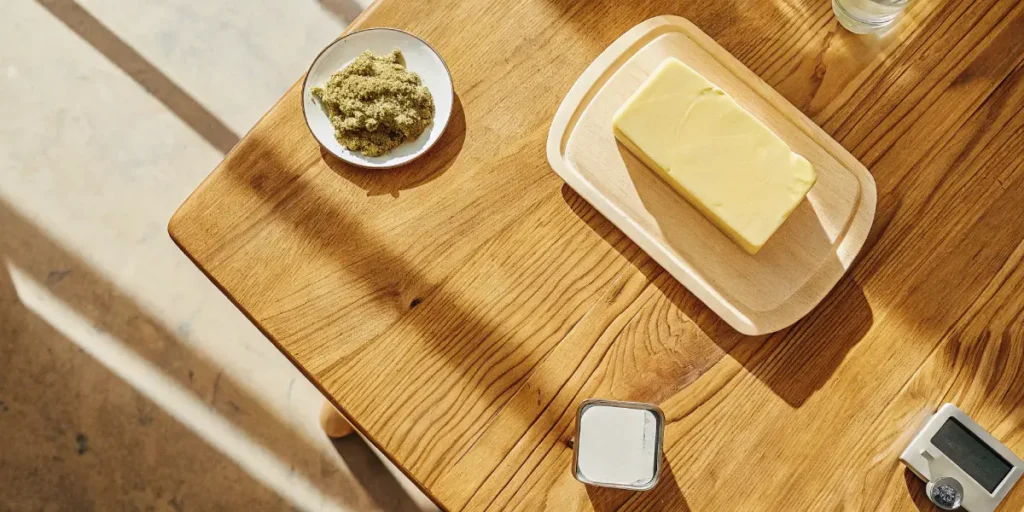
Before diving into the easy guide to making hash butter, gather your ingredients and equipment. You’ll need unsalted butter, cannabis (around 3.5 grams per half-cup of butter), water, and a saucepan. A strainer or cheesecloth is also necessary for filtering the butter.
Using quality butter is important as it affects the overall flavor of your hash butter. Some prefer to use European-style butter for its higher fat content, which better absorbs the cannabis compounds. Ensure all your equipment is clean to avoid contamination.
Choosing the right kind of butter can also influence the texture and consistency of your hash butter. If you’re using salted butter, be aware that it might alter the taste of your final product. Following the homemade hash butter instructions closely will help maintain the intended flavor profile.
Additionally, having a thermometer on hand can be beneficial. Maintaining the correct temperature during the infusion process is one of the crucial tips for making potent hash butter. Proper equipment ensures your efforts yield the best possible results.
Hash Butter – Quick Recipe Overview
| Element | Recommendation |
|---|---|
| Cannabis type | Hash or finely ground flower |
| Cannabis amount | ~3.5 g per ½ cup butter |
| Butter type | Unsalted, high-fat butter |
| Optional liquid | Water (prevents burning) |
| Decarboxylation temp | 240°F / 115°C |
| Decarboxylation time | 30–40 minutes |
| Infusion time | 2–3 hours (low heat) |
| Straining method | Cheesecloth or fine strainer |
| Storage | Airtight container (fridge or freezer) |
| Best use | Baking, sauces, spreads |
Cooking Your Hash Butter
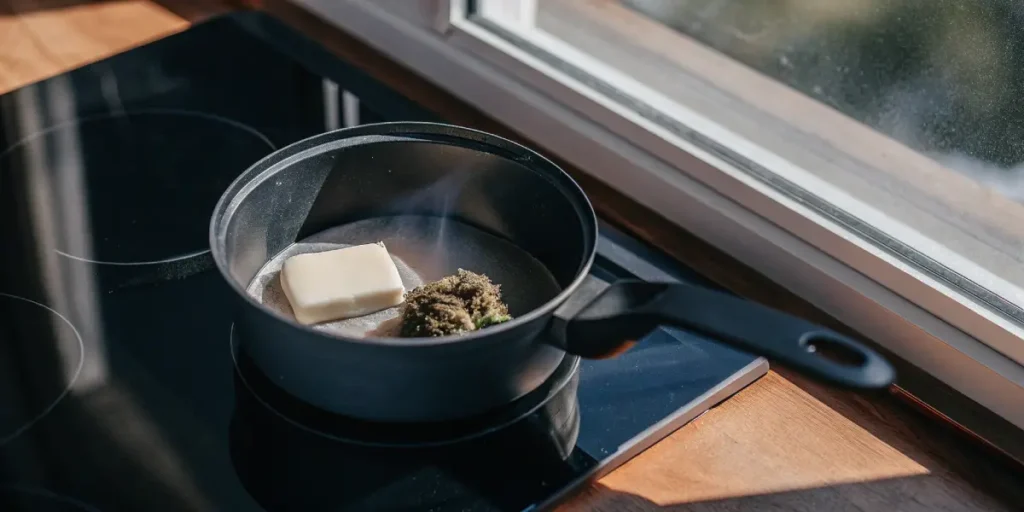
Start by melting the butter in a saucepan over low heat. Add a small amount of water to prevent the butter from burning. Once melted, add the decarboxylated cannabis to the saucepan. Maintain a low heat to avoid scorching the mixture.
Simmer the mixture for 2 to 3 hours, stirring occasionally. Keeping the heat low is crucial; you want the butter to infuse slowly with the cannabis. Following a precise hash butter recipe ensures that the THC is fully absorbed into the butter and evenly distributed for consistent potency.
During the simmering process, it’s important to stir gently to prevent the cannabis from settling at the bottom. This ensures even distribution of cannabinoids throughout the butter. Consistent stirring is part of the easy guide to making hash butter for a uniform infusion.
If you notice the water evaporating too quickly, you can add a bit more to maintain the consistency. This method helps prevent the butter from burning, which could negatively impact the taste and potency of your hash butter. These small adjustments are key to following homemade hash butter instructions effectively.
Storing and Using Your Hash Butter
Proper storage is essential to preserve the flavor, potency, and texture of butter hash once the infusion process is complete. Once cooled, store it in an airtight container in the refrigerator. It will last for several weeks this way. For longer storage, consider freezing it in small portions.
Using hash butter is straightforward. You can substitute it for regular butter in most recipes, from baked goods to savory dishes. Start with small amounts to gauge the potency and adjust according to your preference.
When storing your hash butter, consider labeling the container with the strain used and the date of preparation. This helps in managing potency and freshness, making it easier to plan your culinary adventures. Proper labeling is one of the helpful tips for making potent hash butter.
Incorporating hash butter into your recipes can be as simple as spreading it on toast or adding it to your favorite sauces. Exploring different culinary applications allows you to appreciate the versatility of hash butter, enhancing your enjoyment of how to make hash butter at home.
FAQs
What is the best strain for making hash butter?
The best strain for hash butter depends on your desired effects. Blue Dream is a great starter strain known for its balance and mild effects, making it suitable for beginners. It provides a gentle high that blends well in culinary applications.
For those seeking more potency, Northern Lights or OG Kush are excellent choices. These strains have higher THC levels, resulting in stronger hash butter. Always consider the flavor profile of the strain, as it will influence the taste of your butter.
Beyond THC content, consider the CBD levels in your chosen strain. A higher CBD content can balance the psychoactive effects of THC, providing a more relaxed experience. This balance can be ideal for those who want to enjoy the therapeutic benefits without an overwhelming high.
Ultimately, the best strain for how to make hash butter will depend on your personal preferences and the desired outcome. Experimenting with different strains can lead to delightful culinary discoveries, enriching your experience with cannabis-infused creations.
How do I ensure my hash butter is potent?
Ensuring potency begins with proper decarboxylation. Without activating the THC, your hash butter won’t deliver the expected effects. Follow the homemade hash butter instructions carefully, especially the heating steps, to maximize potency.
Using a strain with a high THC content, like OG Kush, can also enhance potency. Additionally, maintaining a low simmer when infusing the butter ensures the cannabinoids are fully absorbed without degrading the THC.
Another way to ensure potency is by accurately measuring the amount of cannabis you use. Too little may result in weak effects, while too much can be overpowering. Precision in measuring and following a step-by-step hash butter recipe can help achieve the desired strength.
Remember, the quality of your cannabis directly impacts the potency of your hash butter. Using fresh, well-cured cannabis will yield better results than older, less potent material. These considerations are crucial for mastering how to make hash butter at home.
Can I use margarine instead of butter?
While margarine can be used, it may not be as effective as butter due to its lower fat content, which affects THC absorption. Butter, especially European-style, has a higher fat content, making it ideal for infusing cannabis.
If you must use margarine, expect variations in potency and flavor. The easy guide to making hash butter focuses on butter for these reasons. Experiment with small batches to see what works best for your needs.
It’s important to consider the ingredients in margarine, as some contain water or other additives that could affect the infusion process. A purer form of fat, like butter or coconut oil, provides a more reliable vehicle for THC absorption.
For those with dietary restrictions, exploring alternatives like coconut oil or vegan butters can offer a suitable substitute. These options align with the principles of making hash butter while accommodating different dietary preferences.
Is there a vegan alternative for hash butter?
Yes, you can use coconut oil as a vegan alternative. Coconut oil has a high-fat content, similar to butter, making it an effective carrier for THC. Follow the same steps outlined in the step-by-step hash butter recipe for best results.
Using coconut oil can add a slight coconut flavor to your recipes, which pairs well with many dishes. It’s a versatile option for those following a vegan lifestyle or looking for a different taste profile.
Another option is to use nut-based butters, such as almond or cashew butter. These provide a rich, nutty flavor and can be used in a similar manner to traditional butter. They also offer a unique twist on classic recipes when learning how to make hash butter at home.
Experimenting with different vegan alternatives can lead to exciting culinary experiences. Each substitute offers its own set of flavors and textures, allowing you to personalize your hash butter creations to suit your taste and dietary needs.
How should I dose my hash butter in recipes?
Dosing is crucial when using hash butter. Start with small amounts, especially if you’re new to edibles. A quarter to half a teaspoon can be a good starting point to gauge its effects. Adjust based on your tolerance and the potency of the butter.
When cooking for others, always inform them of the potency and allow them to choose their dosage. Remember, the effects of hash butter can take time to manifest, so patience is key. Enjoy the process of experimenting with different recipes.
To further ensure accurate dosing, consider using a kitchen scale to measure the exact amount of hash butter per serving. This precision helps prevent overconsumption and provides a consistent experience with each dish you prepare.
It’s also helpful to keep a journal of your culinary experiments. Recording the amounts used and the effects experienced can guide future cooking endeavors, refining your approach to using hash butter in various recipes. This practice enriches the journey of mastering how to make hash butter effectively.