
When diving into cannabis cultivation, you might stumble upon the term “PGRs.” So, what are PGRs and how do they affect your weed? Plant Growth Regulators, or PGRs, are chemicals used to alter the growth processes of plants. In simple words, they are like growth hormones for plants. While beneficial in some agricultural settings, their use in cannabis growing is controversial. Knowing PGRs in cannabis cultivation can help growers make informed decisions.
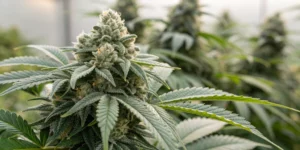
PGRs can influence how your cannabis plants grow. They can make your plants bulkier, denser, and sometimes more visually appealing. However, this comes at a cost. The effects of PGRs on marijuana quality can be significant, impacting the taste, aroma, and even the potency of the final product. For those curious about what are PGRs and how do they affect your weed, it’s crucial to weigh the pros and cons.
Recommended Strains
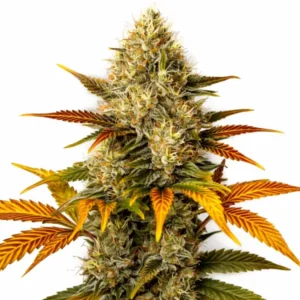
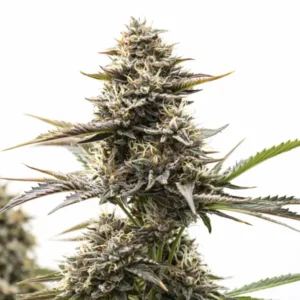
Lemon Tree x Zkittlez

|
THC | 26% - 30% (High) |

|
Lineage | Lemon Tree x Zkittlez |

|
Type | Feminized |

|
Height | 5.58 ft | 1.7 m |

|
Yield | High |

|
Yield Indoor | 1.97 - 2.29 oz/ft² | 600 - 700 g/m² |

|
Flowering Time | 8 - 9 weeks |

|
Phenotype | 40% Indica / 60% Sativa |

|
Effects | Euphoric, Happy, Relaxed, Creative |

|
Flavors | Diesel, Earthy, Lemon, Sweet |
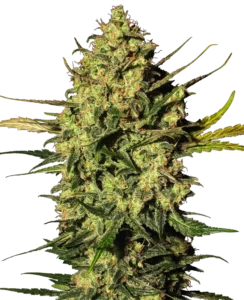
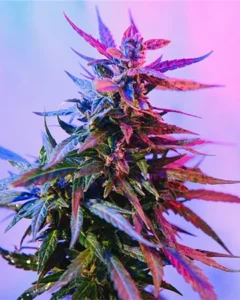
Master Kush Automatic
|
|
THC | 12% - 13% (Low) |
|
|
Lineage | Hindu Kush x Ruderalis |
|
|
Type | Autoflowering |
|
|
Height | 4.92 ft | 1.5 m |
|
|
Yield | Low |
|
|
Yield Indoor | 0.39 - 0.66 oz/ft² | 120 - 200 g/m² |
|
|
Life Cycle | 10 - 11 weeks |
|
|
Phenotype | 80% Indica / 20% Sativa |
|
|
Effects | Sedative, Tingly, Relaxed |
|
|
Flavors | Citrus, Earthy, Lemon |
At Global Green Genetics, you can find strains that may not require the use of PGRs to achieve desirable results. For instance, the popular Northern Lights strain is known for its natural dense buds and resinous yield. Investing in quality seeds can often eliminate the need for PGR usage in weed growing.
Plant Growth Regulators Impact on Cannabis
The plant growth regulators impact on cannabis is a hot topic. PGRs such as Paclobutrazol, Daminozide, and Chlormequat Chloride are commonly used in various crops to control plant size, stimulate growth, or enhance resilience. In cannabis, these PGRs can lead to denser bud structures. But how do they affect your weed beyond appearances?
Using PGRs can result in a reduction of terpenes and cannabinoids. These are the compounds responsible for the plant’s aroma, flavor, and psychoactive effects. Consequently, the effects of PGRs on marijuana quality might mean less flavorful and less potent buds. For a grower seeking high-quality cannabis, this trade-off is often not worth it. It’s important to remember that natural growth can yield a more authentic and enjoyable product.
Moreover, the long-term implications of using PGRs in cannabis cultivation are still under research. While short-term benefits like increased yield and denser buds may seem appealing, the potential health risks associated with consuming PGR-treated cannabis can be concerning. Understanding PGRs in cannabis cultivation is crucial for making safe and informed decisions about growing practices.
In addition, the plant growth regulators impact on cannabis extends to the overall plant health. By interfering with natural growth patterns, PGRs can create stress on the plants, making them more susceptible to diseases and pests. This added vulnerability could lead to increased use of pesticides and fungicides, further affecting the quality and safety of the final product.
Effects of PGRs on Marijuana Quality
To answer the question what are PGRs and how do they affect your weed, it’s essential to consider their impact on quality. A common observation among growers is that PGR-treated cannabis tends to have a harsher taste. These chemicals can leave residues that affect the plant’s natural flavor profile. For cannabis connoisseurs, this is a significant downside.
Moreover, the reduction in cannabinoid content can affect the potency of your weed. If you’re expecting a euphoric high or therapeutic benefits, PGRs can diminish these effects. For example, strains like Blue Dream, known for its balanced effects, may not perform to expectations if grown with PGRs. This is why many experienced growers steer clear of these regulators.
Understanding the effects of PGRs on marijuana quality is vital for any cultivator aiming for premium products. The visual appeal of denser buds should not overshadow the importance of maintaining the plant’s natural chemical profile. Quality cannabis is characterized by its rich terpene and cannabinoid content, which PGRs can significantly alter.
Furthermore, the presence of PGR residues in cannabis products can be a significant health concern. Consumers seeking safe and potent cannabis often opt for organically grown strains that are free from synthetic growth enhancers. The effects of PGRs on marijuana quality highlight the importance of transparency and integrity in cultivation practices.
PGR Usage in Weed Growing
Some growers might wonder, why use PGRs at all? In commercial agriculture, PGRs are used to increase yield and manage plant size. However, in cannabis cultivation, the primary goal is often quality over quantity. When asking what are PGRs and how do they affect your weed, it’s important to note that their usage can sometimes be a shortcut to achieving more substantial-looking plants, but it doesn’t guarantee better cannabis.
When choosing seeds from sites like Global Green Genetics, consider strains that naturally exhibit the desired characteristics. For instance, the Girl Scout Cookies strain is renowned for its rich flavor and robust effects, achieved without the need for PGRs. This approach ensures that the final product is both high-quality and safe for consumption.
It’s important to consider the environmental impact of PGR usage in weed growing. These chemicals can leach into the soil and water systems, affecting the surrounding ecosystem. By avoiding PGRs, growers contribute to more sustainable and eco-friendly cultivation practices, promoting a healthier environment for future generations.
Additionally, PGR usage in weed growing often requires more intensive monitoring and regulation to ensure compliance with health and safety standards. This can increase the cost and complexity of the cultivation process, which may not be justified by the perceived benefits. For many growers, a focus on natural methods and high-quality genetics offers a more straightforward and rewarding path to success.
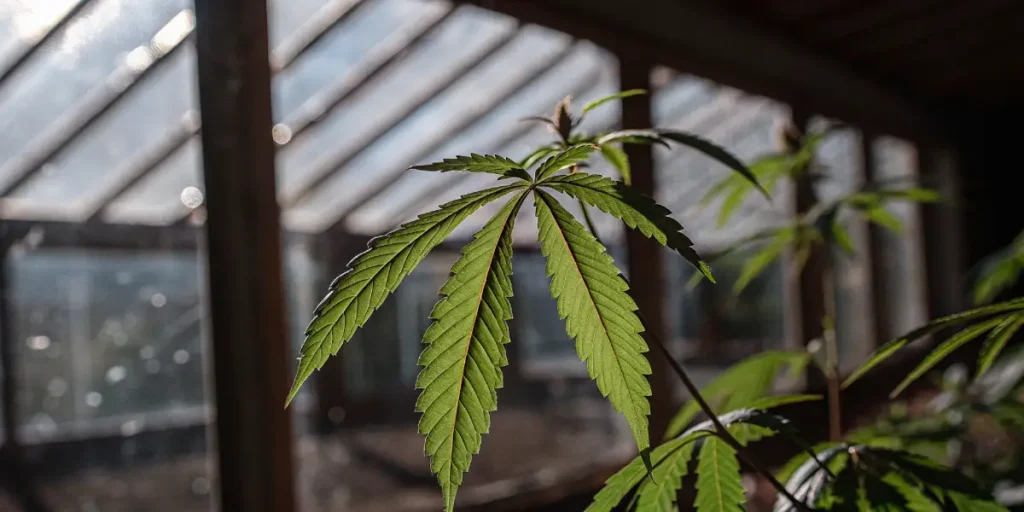
How PGRs Alter Cannabis Plant Growth
How do PGRs alter cannabis plant growth in practice? When asking what are PGRs and how do they affect your weed, it’s important to note that these chemicals can interfere with the plant’s natural growth hormones, leading to changes in size, shape, and structure. While they might produce denser buds, the quality of these buds can be compromised. It’s similar to inflating a balloon; it looks bigger but isn’t inherently better.
Growers aiming for natural, high-quality cannabis often rely on good genetics and proper care rather than chemical shortcuts. By selecting strains like the Sour Diesel or Limoncello, known for its powerful effects and pungent aroma, growers can achieve impressive results without PGRs. The natural growth process allows the plant to develop its full spectrum of cannabinoids and terpenes, delivering a richer experience.
Knowing how PGRs alter cannabis plant growth can help cultivators make informed choices about their growing techniques. While the promise of larger yields is enticing, the trade-off in plant health and product quality may not be worth it. Opting for natural methods ensures a more resilient plant that can thrive without the crutch of synthetic chemicals.
Moreover, the use of PGRs may lead to unintended consequences, such as an increased need for other chemical inputs to manage side effects like pest infestations or nutrient deficiencies. By knowing how PGRs alter cannabis plant growth, growers can prioritize methods that support the plant’s innate capabilities and contribute to a more authentic and enjoyable cannabis experience.
FAQs about what are pgrs and how do they affect your weed
Are PGRs safe for cannabis consumption?
When pondering, what are PGRs and how do they affect your weed, safety is a top concern. PGRs are not inherently toxic, but their residues can pose health risks if not properly managed. Ingesting or inhaling products with PGR residues might lead to adverse health effects. Hence, many consumers prefer products grown without these chemicals, opting for organic or naturally grown cannabis.
For growers and consumers alike, understanding PGRs in cannabis cultivation is crucial. Opting for strains from reputable sources like Global Green Genetics ensures that you’re getting a product that prioritizes safety and quality. Always inquire about the cultivation practices and choose products tested for PGR residues.
Additionally, regulatory bodies in some regions are beginning to scrutinize the use of PGRs in cannabis cultivation more closely. As public awareness of potential health risks grows, there is increasing demand for transparency and adherence to safety standards in the industry. This shift may lead to more stringent regulations on PGR use, impacting how cannabis products are grown and marketed.
While some regions lack comprehensive regulations on PGR use in cannabis, consumers can take proactive steps by researching and choosing brands that voluntarily adhere to higher safety standards. By prioritizing PGR-free products, consumers contribute to a market that values health and quality over yield and appearance.
Do all cannabis growers use PGRs?
Not all cannabis growers use PGRs. Many prioritize quality and natural growth over appearance. The use of PGRs is more common in large-scale operations where maximizing yield is a priority. However, small-scale and artisanal growers often avoid them, focusing instead on organic methods and high-quality genetics.
By selecting seeds from trusted suppliers, growers can cultivate cannabis that doesn’t rely on PGRs. Strains like the Northern Lights and Girl Scout Cookies are examples of high-quality cannabis that can thrive without chemical intervention. Choosing the right strains and cultivation practices can lead to better, more satisfying results.
Understanding the landscape of cannabis cultivation can help consumers make informed choices. Not all growers take the same approach, so it’s essential to identify those who prioritize natural and sustainable practices. Supporting these growers can lead to higher quality cannabis and promote industry standards that favor health and environmental responsibility.
Moreover, the choice to use or avoid PGRs often reflects a grower’s philosophy and commitment to the craft. Many growers who eschew PGRs do so out of a desire to maintain the plant’s integrity and ensure a product that reflects their dedication to quality and authenticity. This commitment often resonates with consumers who value a more natural and genuine cannabis experience.
How can I tell if my weed has been grown with PGRs?
Identifying PGR-grown cannabis can be challenging but not impossible. Buds that are unusually hard or dense might be a sign of PGR use. Also, a lack of aroma or flavor can indicate compromised quality due to these chemicals. However, the best way to ensure you’re getting PGR-free cannabis is to buy from reputable sources that disclose their growing practices.
Consulting with suppliers like Global Green Genetics can provide insights into the growing process. They often offer strains bred for quality without the need for PGRs. Transparency in cultivation methods can help consumers make informed choices about their cannabis purchases.
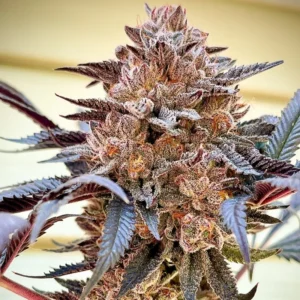
Another indicator of PGR use can be the visual aesthetic of the buds. While PGR-treated cannabis may look more uniform and appealing, it often lacks the vibrant colors and trichome density associated with naturally grown strains. These visual cues, coupled with aroma and taste, can help consumers discern the quality of their cannabis.
Engaging with knowledgeable community members, such as experienced growers and dispensary staff, can also provide valuable insights. These individuals can often share tips and tricks for recognizing quality cannabis and avoiding products that have been altered with PGRs. Building a network of trusted resources is a key step in ensuring a satisfying and safe cannabis experience.
What alternatives exist to using PGRs in cannabis cultivation?
For those concerned about what are PGRs and how do they affect your weed, there are natural alternatives. Techniques like pruning, training, and optimizing environmental conditions can enhance plant growth without chemicals. These methods require more effort but often result in superior quality cannabis.
Choosing the right strain is also key. Strains like Sour Diesel, available at Global Green Genetics, are naturally vigorous and can produce impressive yields without PGRs. Investing time in learning these techniques can lead to a more rewarding growing experience and higher quality cannabis.
Organic fertilizers and soil amendments can also play a significant role in achieving robust plant growth without relying on PGRs. These natural inputs can enhance soil health and encourage the development of strong, resilient plants. Cultivators who invest in soil quality often find that their plants are better equipped to reach their full potential naturally.
Additionally, adopting integrated pest management (IPM) practices can help maintain plant health and prevent the need for chemical interventions. By focusing on a holistic approach to cultivation, growers can achieve the desired results in plant size and yield while preserving the natural balance and quality of their cannabis.
Will using PGRs affect my cannabis plant’s health?
PGRs can impact cannabis plant health by altering natural growth processes. While they might create the appearance of health with larger buds, the overall vitality of the plant can suffer. This is akin to giving a plant steroids; it may look stronger but can be less resilient.
Focusing on natural growth techniques and selecting robust strains can promote healthier plants. Investing in quality seeds from sources like Global Green Genetics can ensure your plants thrive without the need for PGRs. Healthier plants typically result in better quality cannabis, offering a more enjoyable experience.
Understanding PGRs in cannabis cultivation involves recognizing that these chemicals can disrupt the plant’s hormonal balance, potentially leading to issues such as nutrient imbalances or increased susceptibility to disease. By avoiding PGRs, growers can maintain the plant’s natural defenses and support its overall health and resilience.
Ultimately, the decision to use PGRs should be weighed carefully, considering both the short-term benefits and the long-term implications for plant health and product quality. By prioritizing natural methods and focusing on plant health, growers can produce cannabis that is not only visually appealing but also rich in flavor, aroma, and potency.