
Cannabis enthusiasts often talk about albino weed. But what exactly is it—albino weed the stuff of legend or scientific fact? The term “albino weed” conjures up images of ghostly white plants, seemingly mystical and rare. Yet, for both new cannabis seed buyers and seasoned growers, knowing the truth behind this phenomenon can be both fascinating and crucial.
Some claim that albino cannabis is simply a myth, while others argue it’s a genetic anomaly. The debate continues with passionate voices on both sides. For those delving into the world of cannabis cultivation, knowing whether albino marijuana is myth or reality can influence your growing decisions.
Recommended Strains
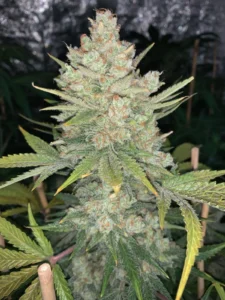
OG Kush Auto

|
THC | 23% - 24% (Medium) |

|
Lineage | OG Kush x Ruderalis |

|
Type | Autoflowering |

|
Height | 3.28 ft | 1 m |

|
Yield | High |

|
Yield Indoor | 1.47 - 1.8 oz/ft² | 450 - 550 g/m² |

|
Life Cycle | 9 weeks |

|
Phenotype | 80% Indica / 20% Sativa |

|
Effects | Powerful, Sedative |

|
Flavors | Pine, Herbal, Pepper |
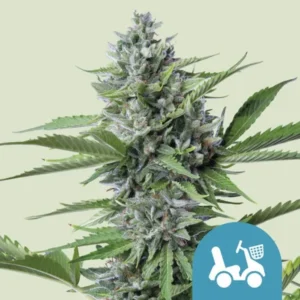
Fast Eddy CBD Auto

|
CBD | 13% – 14% (Medium) |
|
|
Lineage | Cheese x Juanita la Lagrimosa x Ruderalis |
|
|
Type | CBD Autoflowering |
|
|
Height | 3.94 ft | 1.2 m |
|
|
Yield | Medium |
|
|
Yield Indoor | 1.31 - 1.47 oz/ft² | 400 - 450 g/m² |

|
Yield Outdoor | 2.82 - 4.59 oz/plant | 80 - 130 g/plant |
|
|
Life Cycle | 10 - 12 weeks |
|
|
Phenotype | 40% Indica / 50% Sativa / 10% Ruderalis |
|
|
Effects | Calming, Focused |
|
|
Flavors | Citrus, Earthy |
When it comes to legendary albino weed strains, the conversation often circles back to science versus folklore. By examining how such plants arise, you can better grasp whether you’re dealing with an urban legend or a legitimate botanical occurrence. Let’s delve into the facts and fiction surrounding this intriguing topic.
White Cannabis Plant: Folklore vs Science
The image of a snow-white cannabis plant is alluring. In folklore, such a plant is often deemed magical or potent. Stories about albino weed are abundant, yet they often lack scientific backing. Many growers wonder if these plants are simply the result of overexposure to light rather than a genetic trait.
Scientific evidence for albino cannabis is scarce. True albinism in plants means the absence of chlorophyll, the pigment responsible for the green color and essential for photosynthesis. Without chlorophyll, a plant cannot produce the energy it needs to grow. Thus, a truly albino cannabis plant would struggle to survive.
In the context of albino weed the stuff of legend or scientific fact, it is crucial to discern the basis of white cannabis plant folklore vs science. The allure of a purely white cannabis plant is undeniable, yet scientific scrutiny often reveals environmental factors at play rather than genetic alterations. This juxtaposition between myth and reality continues to fuel discussions among cannabis enthusiasts and researchers.
The debate over albino marijuana myth or reality is often fueled by anecdotal accounts rather than empirical studies. Many growers have shared tales of white cannabis plants, yet these stories frequently gloss over the practical challenges such plants face. Understanding the science behind plant pigmentation and growth can dispel myths and guide cultivation practices effectively.
Common Causes of White Cannabis Plants
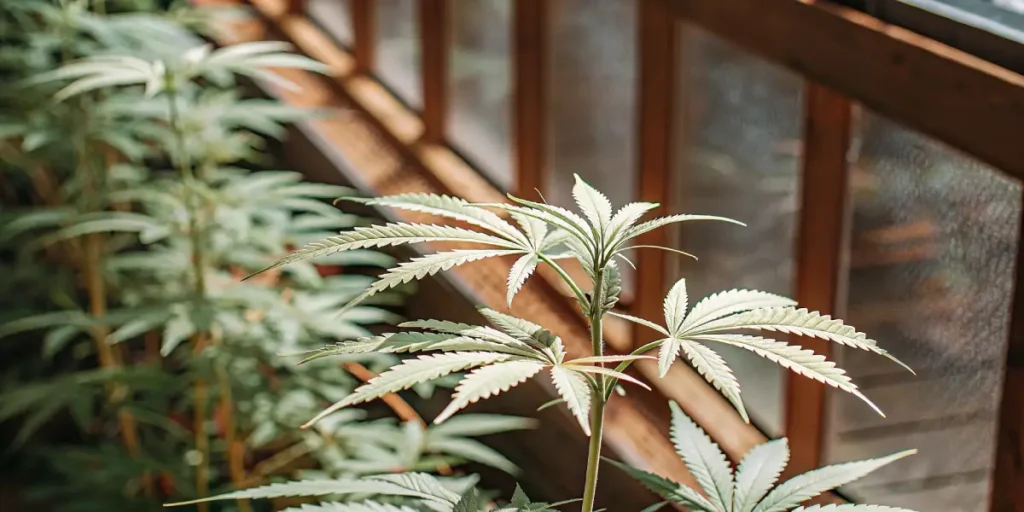
One common cause of white cannabis plants is light bleaching. This occurs when plants are too close to powerful grow lights, leading to a bleaching effect. The top leaves may turn white, giving the appearance of albinism. However, this is not due to a genetic mutation but rather an environmental factor.
Another potential cause is nutrient deficiency. In some cases, a lack of certain nutrients can lead to pale or white leaves. Although this might mimic the appearance of albino weed, it’s a sign of stress or imbalance rather than genetics.
It is crucial for growers to distinguish between environmental factors and genetic mutations when assessing white cannabis plants. The misconception that all white plants are albino can lead to misdiagnosis and improper care. By understanding the role of light and nutrients, growers can better manage plant health and optimize growth conditions.
Legendary albino weed strains often arise from a combination of genetic traits and environmental influences. While the appearance of white plants may be striking, it is essential to investigate underlying causes. Scientific evidence for albino cannabis suggests that while true albinism is rare, various factors can contribute to a plant’s pale appearance, warranting further study and exploration.
Legendary Albino Weed Strains
Despite the myths, some cannabis strains are famous for their unique white appearance. These are often the result of breeding rather than true albinism. At Global Green Genetics, you can find strains like White Widow, which is renowned for its frosty, trichome-covered buds rather than true albinism.
Another strain worth mentioning is White Rhino. This strain is known for its dense, white buds, a result of its thick resin production. While not albino, the striking appearance often leads to its inclusion in conversations about white cannabis plants.
Legendary albino weed strains captivate the imagination of cannabis enthusiasts with their unique and visually striking appearances. These strains, however, owe their fame to selective breeding rather than genetic albinism. Breeders focus on enhancing traits like resin production and trichome density to achieve the coveted white look.
While the albino weed urban legend analysis often highlights the mystical aspects of these strains, it is essential to recognize the role of careful cultivation. Breeding programs aim to produce plants with desirable characteristics, such as high potency and appealing aesthetics, rather than chasing the elusive notion of true albinism. This practical approach ensures reliable results for growers and consumers alike.
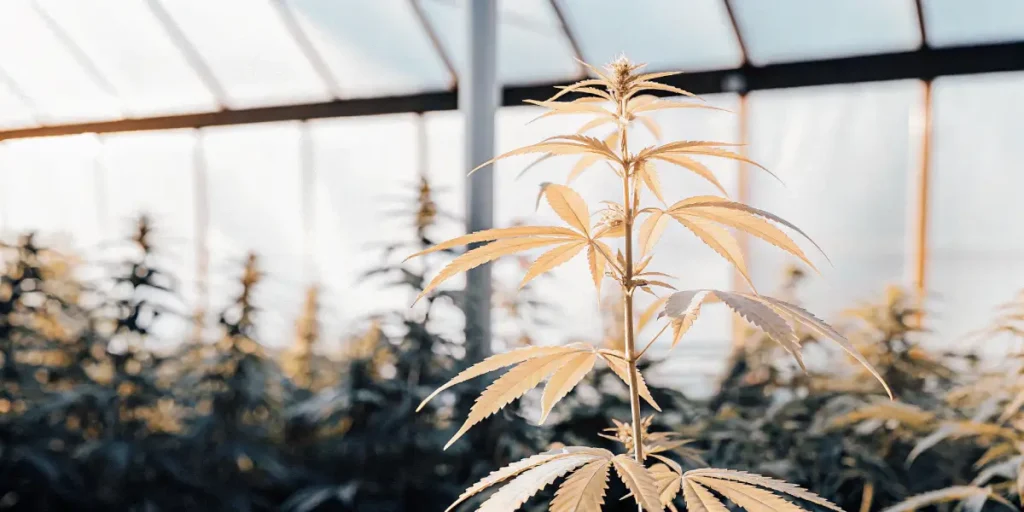
Scientific Evidence for Albino Cannabis
The scientific community has not extensively studied albino cannabis, mainly due to its rarity and the challenges of sustaining such plants. Most evidence points to environmental factors rather than genetic causes for white cannabis appearances.
In cases where genetic mutations are suspected, further research is necessary to understand the mechanisms at play. Without chlorophyll, a truly albino plant cannot photosynthesize, making survival impossible without human intervention.
Recent studies on albino weed the stuff of legend or scientific fact emphasize the need for more comprehensive research. Knowing the genetic and environmental factors that contribute to the appearance of white cannabis plants can help debunk myths and inform growing practices.
Scientific evidence for albino cannabis remains limited, yet ongoing research continues to shed light on this intriguing phenomenon. By exploring the genetic markers and environmental conditions associated with white plants, scientists aim to unravel the complexities of plant pigmentation and growth, offering valuable insights for the cannabis community.
- White Widow – known for its frosty appearance.
- White Rhino – dense, resinous buds give a white look.
- Snow White – another strain with a reputation for a snowy look.
Albino Weed Urban Legend Analysis
Analyzing the urban legend of albino weed reveals a fascinating blend of fact and fiction. The stories often highlight mystical qualities, suggesting enhanced potency or unique effects. Yet, these claims are more rooted in folklore than science.
For growers, it’s essential to distinguish between myth and reality. While an albino weed plant might sound appealing, practical considerations like plant health and yield must take precedence. Knowing the scientific basis—or lack thereof—behind these legends can help guide your cultivation journey.
The allure of albino weed the stuff of legend or scientific fact often captivates the imagination, yet growers must prioritize evidence-based practices. Distinguishing between myth and reality ensures that cultivation efforts are directed toward achieving healthy and productive plants, rather than chasing elusive legends.
Albino weed urban legend analysis often highlights the cultural fascination with rare and unique plant appearances. As these stories circulate within the cannabis community, they contribute to a rich tapestry of folklore. However, grounded scientific understanding remains essential to navigate the practical challenges of cultivation and ensure successful harvests.
FAQs about Albino Weed
What is albino weed, and does it exist?
Albino weed refers to cannabis plants that appear white due to a lack of pigmentation. While true albino weed is mostly a myth, some plants may appear white due to environmental stress, such as light bleaching or nutrient deficiencies. These conditions can cause the top leaves or buds to lose their green color without being genetically albino.
Most white cannabis plants are not albino. Instead, they are often the result of breeding for specific traits like heavy resin production, which gives a frosty or white appearance. Legendary albino weed strains like White Widow are famous for their trichome-rich buds rather than a lack of chlorophyll.
In the context of albino marijuana myth or reality, understanding the distinction between environmental stress and genetic anomalies is crucial. While the allure of a white cannabis plant persists, practical considerations and scientific scrutiny often reveal the true nature of these appearances. This understanding helps guide cultivation and breeding practices.
For those exploring the world of cannabis cultivation, the question of albino weed the stuff of legend or scientific fact can influence growing strategies. By recognizing the factors that contribute to white appearances, growers can make informed decisions that optimize plant health and yield, avoiding the pitfalls of chasing myths.
Can albino cannabis plants survive?
A truly albino cannabis plant, lacking chlorophyll, would struggle to survive. Chlorophyll is crucial for photosynthesis, the process by which plants convert light into energy. Without it, a plant cannot sustain itself, leading to stunted growth and eventual death.
However, plants that appear albino due to environmental factors can survive if the underlying issues are addressed. Adjusting light levels or nutrient intake can often restore normal pigmentation and plant health.
Addressing the question of albino marijuana myth or reality often involves examining the plant’s ability to survive. While true albino plants face significant challenges without chlorophyll, those affected by environmental factors can recover with proper care. This distinction is vital for growers seeking to maintain healthy crops.
Understanding the science behind plant pigmentation and growth is essential for those navigating the albino weed urban legend analysis. By focusing on evidence-based practices, growers can address issues like light bleaching and nutrient deficiencies, ensuring their plants thrive and produce desired results despite initial appearances.
Are there any benefits to albino weed?
The idea that albino weed offers unique benefits is largely a myth. While the appearance of a white cannabis plant can be striking, it does not inherently possess enhanced potency or special effects. Most benefits attributed to albino weed are anecdotal and not supported by scientific evidence.
Growers are better off focusing on known strains with desirable traits. Strains like White Widow offer a visually appealing look while delivering reliable potency and effects. These strains provide a more predictable growing experience than chasing the elusive albino marijuana myth.
In the realm of albino weed urban legend analysis, distinguishing between appearance and actual benefits is crucial. While the allure of a white plant may captivate the imagination, practical considerations like potency and yield must guide cultivation decisions. This pragmatic approach ensures successful harvests and satisfying experiences for growers and consumers alike.
For those seeking to cultivate cannabis, focusing on legendary albino weed strains known for their reliable traits offers a more rewarding path. By prioritizing proven strains over myths, growers can achieve consistent results that meet their expectations, avoiding the potential pitfalls of chasing elusive legends.
What strains are known for white appearances?
Several cannabis strains are known for their white appearances due to heavy trichome coverage rather than true albinism. White Widow is a classic example, offering a frosty look with potent effects. This strain is beloved by growers and consumers alike for its reliability.
Other strains like White Rhino and Snow White also exhibit dense trichome production, giving them a snowy appearance. These strains are available from Global Green Genetics, offering a chance to grow visually stunning plants without the challenges of true albinism.
Exploring legendary albino weed strains reveals a variety of options for growers seeking visually striking and potent plants. While true albinism remains rare, the emphasis on trichome density and resin production ensures these strains deliver both aesthetic appeal and robust effects, satisfying a range of preferences.
The fascination with albino weed the stuff of legend or scientific fact often leads to a deeper exploration of available strains. By selecting plants known for their white appearances due to breeding rather than myths, growers can achieve successful outcomes and enjoy the beauty and potency these strains have to offer.
How can I avoid light bleaching in my cannabis plants?
To avoid light bleaching, ensure your grow lights are positioned at the correct distance from your plants. Too close, and the intense light can bleach the top leaves, giving them a white appearance. Adjusting the height of your lights or using a light meter to check intensity can help prevent this issue.
Monitoring plant health and adjusting environmental conditions are key to avoiding stress-related issues. Regularly check your plants for signs of stress, and make necessary adjustments to light, nutrients, and water to maintain optimal growing conditions.
Understanding the balance between light intensity and plant health is crucial for those navigating the world of cannabis cultivation. By avoiding common pitfalls like light bleaching, growers can maintain vibrant and productive plants, ensuring successful harvests and optimal growth conditions.
The interplay between environmental factors and plant health often shapes the narrative of albino marijuana myth or reality. By focusing on evidence-based practices and proactive monitoring, growers can optimize their cultivation environments, preventing stress-related issues and ensuring their plants thrive.