
CBD, or cannabidiol, has taken the wellness industry by storm. While its popularity continues to rise, there’s an abundance of information and misinformation circulating about this compound. In this article, we aim to dispel myths and confirm truths about CBD, helping you make informed decisions.
Recognizing the nuances of CBD can be challenging, especially with the influx of both positive and negative reports. Whether you’re a first-time buyer or an experienced grower, navigating through the myths and truths is crucial for harnessing CBD’s true potential.
Recommended Strains
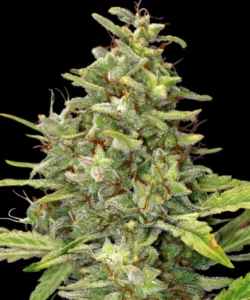
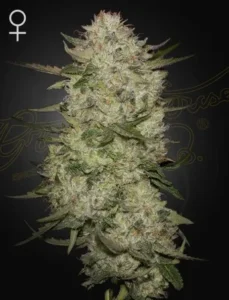
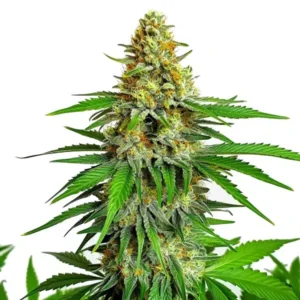
G13 Haze

|
THC | 22% - 23% (Medium) |

|
Lineage | G13 x Hawaiian Sativa |

|
Type | Feminized |

|
Height | 4.43 ft | 1.35 m |

|
Yield | High |

|
Yield Indoor | 1.8 oz/ft² | 550 g/m² |

|
Yield Outdoor | 28.22 oz/plant | 800 g/plant |

|
Flowering Time | 9 - 10 weeks |

|
Phenotype | 20% Indica / 80% Sativa |

|
Effects | Euphoric, Happy, Giggly |

|
Flavors | Pepper, Pine, Herbal |
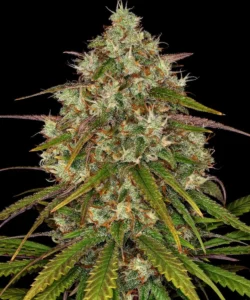
Kyle’s Cherry Ak
|
|
THC | 20% - 25% (Medium) |
|
|
Lineage | Cherry AK |
|
|
Type | Feminized |
|
|
Height | 5.91 ft | 1.8 m |
|
|
Yield | Low |
|
|
Yield Indoor | 0.66 - 1.47 oz/ft² | 200 - 450 g/m² |
|
|
Yield Outdoor | 21.16 - 28.22 oz/plant | 600 - 800 g/plant |
|
|
Flowering Time | 8 - 10 weeks |
|
|
Phenotype | 40% Indica / 60% Sativa |

|
Medical | Arthritis, Insomnia, Pain |
|
|
Effects | Happy, Relaxed, Talkative |
|
|
Flavors | Citrus, Fruity |
Let’s dive into 5 myths and 5 truths about CBD, and separate fact from fiction to better understand this fascinating compound.
Debunking CBD 5 Myths and 5 Truths
There’s no shortage of myths surrounding CBD. From exaggerated claims of its healing abilities to misconceptions about its effects, it’s important to distinguish fiction from fact.
- Myth 1: CBD is a cure-all.
- Truth 1: While CBD has potential benefits, it’s not a miracle cure.
- Myth 2: CBD has psychoactive effects.
- Truth 2: Unlike THC, CBD is non-psychoactive and won’t make you high.
Common Misconceptions About CBD
Many people believe that CBD will get you high because it comes from cannabis. This is a fundamental misconception. CBD is non-intoxicating, allowing users to experience potential benefits without the high.
Another misconception is that all CBD products are the same. In truth, the quality and concentration can vary widely. Recognizing these differences is key to choosing the right product.
Truths About CBD Oil Benefits
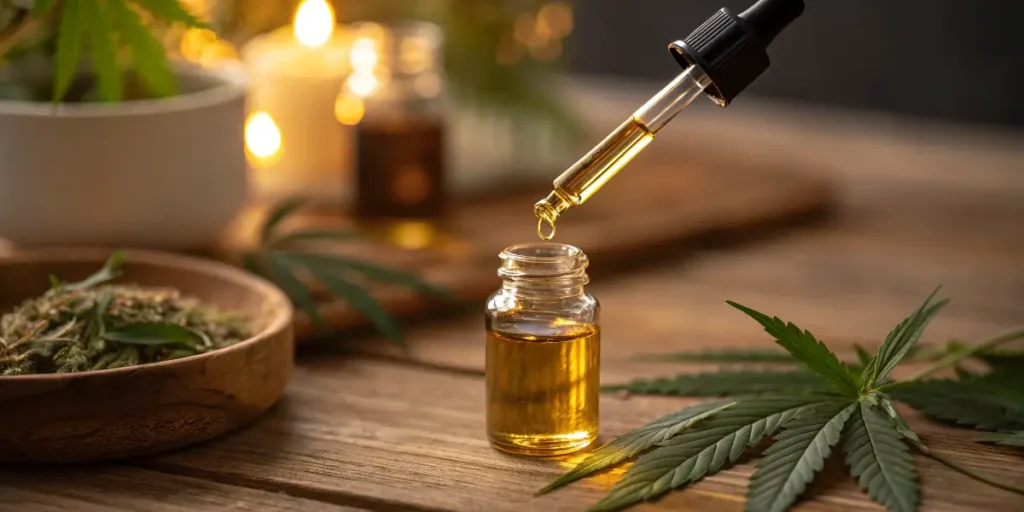
CBD oil is praised for its potential therapeutic benefits. Research suggests that it may help with anxiety, pain relief, and inflammation. However, it’s essential to rely on scientific evidence rather than anecdotal claims.
One of the truths about CBD oil benefits is its potential to support mental wellness, offering a natural alternative for managing stress and anxiety.
Facts Versus Fiction on CBD Usage
It’s crucial to differentiate between facts and fiction when it comes to CBD usage. For instance, while some claim it can treat severe medical conditions, reliable sources recommend it as a supplement rather than a replacement for traditional treatments.
CBD is generally safe, but consulting with a healthcare provider before use, especially if you’re on medication, is a smart approach.
Recognizing Myths and Facts of CBD
To better understand CBD, it’s helpful to look at both scientific studies and personal testimonials. While personal experiences can be insightful, they should be considered with a critical eye.
Research continues to evolve, shedding new light on CBD’s potential. Staying informed through reputable sources is the best way to navigate the myths and facts of CBD.
Product Recommendations: Strains for Every Need
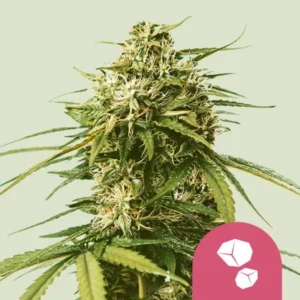
Tatanka Pure CBD is an indica-dominant hybrid (around 70% indica) known for its high CBD content and minimal THC levels. It provides deep relaxation without psychoactive effects, making it ideal for users seeking calm and balance without intoxication. Its sweet, herbal aroma with hints of caramel adds a pleasant touch to each session.
- Yield: High
- Flowering Time: 8–9 weeks
- CBD: 9–14%
- THC: <1%
- Terpenes: Sweet, herbal, caramel
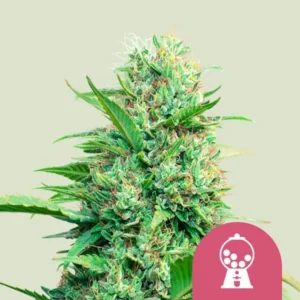
Dance World CBD is a sativa-dominant hybrid (approximately 75% sativa) bred for balance and focus. With a nearly 1:1 ratio of CBD to THC, it delivers mild euphoria combined with clarity and relaxation perfect for daytime use. Its fruity and earthy aroma makes it both uplifting and soothing.
- Yield: Medium to high
- Flowering Time: 8–9 weeks
- CBD: ~12%
- THC: ~12%
- Terpenes: Fruity, pine, earthy
Purplematic CBD Auto is an autoflowering, indica-dominant strain that’s easy to grow and rich in CBD. With up to 17% CBD and less than 0.5% THC, it offers a completely non-psychoactive experience. Its compact size and fast flowering make it great for beginners, producing colorful buds with fruity and piney notes.
- Yield: Medium
- Flowering Time: 7-8 weeks
- CBD: Up to 17%
- THC: <0.5%
- Terpenes: Fruity, pine, earthy
FAQs About CBD and Cannabis Strains
What is the difference between CBD and THC?
CBD and THC are both cannabinoids found in cannabis, but they have different effects. THC is psychoactive and responsible for the “high” associated with cannabis, while CBD is non-psychoactive and is often used for its potential therapeutic benefits.
The distinction is important for consumers looking to use cannabis for specific purposes. Recognizing the effects of each cannabinoid can help you choose the right product for your needs.
Can CBD cause a failed drug test?
Most drug tests are designed to detect THC, not CBD. However, some CBD products may contain trace amounts of THC, which could potentially result in a positive test. It’s important to choose products that are lab-tested and labeled as THC-free if you are concerned about drug testing.
Being informed about the product you are using, and its THC content, is crucial for avoiding any unexpected results on a drug test.
How should beginners start using CBD?
Beginners should start with a low dose of CBD and gradually increase it as needed. It’s important to monitor how your body responds and adjust accordingly. Consulting with a healthcare provider can also provide guidance tailored to your personal health needs.
Using CBD in the form of oils, capsules, or gummies can be a convenient starting point, allowing for more controlled dosing.
Is it legal to grow cannabis strains with CBD?
The legality of growing cannabis strains, including those high in CBD, varies by region. It’s important to familiarize yourself with local laws and regulations before growing. In some areas, growing is legal only with a license or within specific limits.
Checking with local authorities or legal resources can help ensure compliance with regional cannabis laws.
What are the potential side effects of CBD?
CBD is generally well-tolerated, but some users may experience side effects such as dry mouth, fatigue, or changes in appetite. These effects are usually mild and temporary. It’s important to use CBD responsibly and be mindful of how it affects you.
Consulting with a healthcare provider is advisable if you experience significant side effects or if you are on other medications.