
Quick Summary: This guide explains how to master girl scout cookies strain grow from germination through harvest, with clear targets for climate, lighting, nutrients, and training. It highlights key milestones like flowering time and how to avoid common issues such as mold, overfeeding, and poor airflow in dense canopies. For genetic consistency, start with a reputable source to ensure you’re growing a true girl scout cookie plant with stable traits.
Girl Scout Cookies (GSC) is a popular cannabis strain known for its sweet and earthy aroma, potent effects, and vibrant purple leaves. Growing Girl Scout Cookies can be a rewarding experience, provided that you understand its unique growing requirements. This guide will walk you through the essential steps to cultivate this iconic strain successfully, whether you’re a beginner or an experienced grower.
Recommended Strains
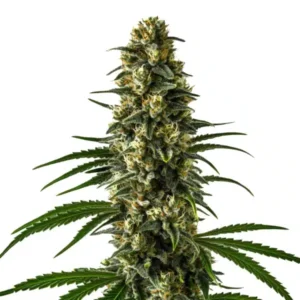
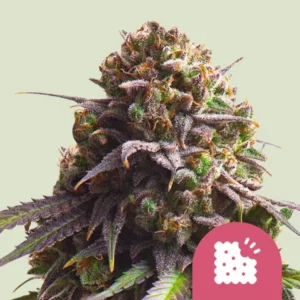
Girl Scout Cookies

|
THC | 18% - 25% (Medium) |

|
Lineage | Durban Poison x OG Kush |

|
Type | Feminized |

|
Height | 4.92 ft | 1.5 m |

|
Yield | High |

|
Yield Indoor | 1.64 oz/ft² | 500 g/m² |

|
Yield Outdoor | 21.16 - 24.69 oz/plant | 600 - 700 g/plant |

|
Flowering Time | 8 - 10 weeks |

|
Phenotype | 60% Indica / 40% Sativa |

|
Medical | Fatigue, Muscle Spasms, Stress |

|
Effects | Happy, Relaxed, Talkative |

|
Flavors | Fruity, Sweet |
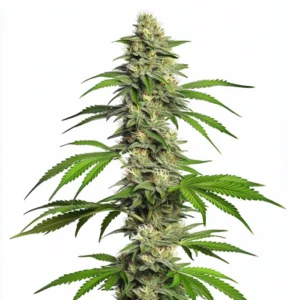
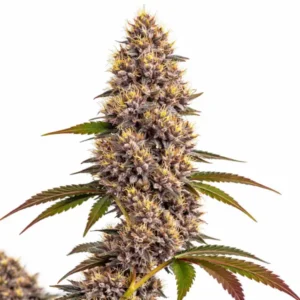
Girl Scout Cookies Auto
|
|
THC | 20% - 22% (Medium) |
|
|
Lineage | Girl Scout Cookies x Secret Rudelaris |
|
|
Type | Autoflowering |
|
|
Height | 3.28 ft | 1 m |
|
|
Yield | High |
|
|
Yield Indoor | 1.64 - 1.97 oz/ft² | 500 - 600 g/m² |
|
|
Yield Outdoor | 22.93 - 26.46 oz/plant | 650 - 750 g/plant |
|
|
Life Cycle | 8 - 10 weeks |
|
|
Phenotype | 60% Indica / 40% Sativa |
|
|
Medical | Fatigue, Muscle Spasms, Stress |
|
|
Effects | Happy, Relaxed, Talkative |
|
|
Flavors | Earthy, Sweet |
If your goal is a consistent outcome when you girl scout cookies grow at home, genetics matter as much as technique. Start with verified stock (for example, blimburn seeds girl scout cookies or another reputable breeder) to ensure you’re working with a true girl scout cookie plant that expresses the expected structure, aroma, and resin production. This small decision reduces variability across the entire girl scout cookies strain grow process.
To start, select seeds or clones from a reputable source. This ensures that you grow a genuine Girl Scout Cookies plant with stable genetics. If starting from seeds, germinate them in a dark, warm place using a damp paper towel method, keeping them moist until you notice small roots emerging. Once germinated, transfer the seeds to a high-quality growing medium such as soil, coco coir, or hydroponic systems.
For best results, avoid transplant stress by choosing your final container early and keeping the seedling environment stable (warm, gentle airflow, and moderate humidity). A strong start improves root mass and internode spacing, which directly influences how your girl scout cookies strain grow performs later during training and flower.
The vegetative stage is crucial for building a healthy structure in your plants. Keep your Girl Scout Cookies plants in a warm environment with temperatures between 68-77°F (20-25°C). Ensure they receive adequate light—at least 18 hours daily—with a consistent flow of fresh air. During this phase, use nutrients high in nitrogen to promote leafy growth and ensure strong roots by watering appropriately without over-saturating the soil.
The flowering stage is where Girl Scout Cookies plants start showing their signature bud structure and aroma. Transition your light schedule to 12 hours on and 12 hours off, simulating natural flowering triggers. Maintain a slightly cooler environment, between 65-75°F (18-24°C). Switch to a nutrient mix that has higher phosphorus and potassium levels, supporting bud development and potency. Regularly prune lower leaves and branches to enhance airflow and light penetration.
Patience is vital in the final stages of growing Girl Scout Cookies, as the flowering stage can last up to 9-10 weeks. In most indoor setups, girl scout cookies flowering time runs about 9–10 weeks, so plan your feeding and humidity reduction around that timeline to avoid late-flower mold and terpene loss. Monitor trichomes using a magnifying glass; they should turn from clear to a milky white with some amber coloration, indicating peak harvest time. After harvesting, let your buds cure in a cool, dark, and dry place for at least two weeks to enhance the flavor profile and potency of your Girl Scout Cookies harvest.
girl scout cookies Strain Overview: Traits, Effects & Genetics
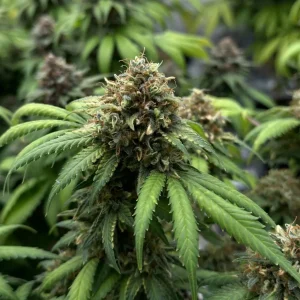
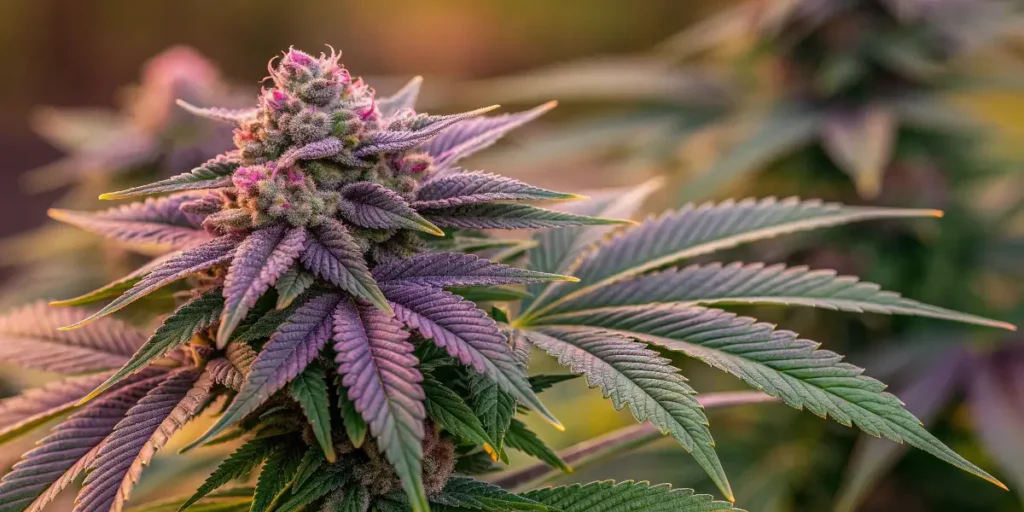
Girl Scout Cookies, often abbreviated as GSC, is a renowned cannabis strain that has gained immense popularity among growers and users alike due to its well-balanced qualities. Known for its sweet and earthy aroma, GSC is visually appealing with its tightly packed buds rich in trichomes. This strain originates from crossing OG Kush and Durban Poison, and it boasts a colorful appearance with purple leaves and vibrant orange hairs. The unique characteristics of GSC make it a staple in the cannabis community, offering both aesthetic appeal and potent effects.
The effects of Girl Scout Cookies are as diverse and notable as its heritage. Typically, GSC is classified as a hybrid, delivering a balanced blend of its sativa and indica origins. Users report a euphoric, uplifting high complemented by a sense of deep relaxation, making it suitable for both recreational and medicinal use. It is especially popular for its ability to relieve stress, anxiety, and chronic pain, thanks to its high THC levels which often exceed 20%. The strain’s profile makes it perfect for evening use, providing a gentle, full-bodied experience that can help with unwinding after a long day.
Genetically, Girl Scout Cookies shines with its storied lineage, deriving potency and complexity from its parent strains, OG Kush and Durban Poison. OG Kush brings with it a potent indica background characterized by its earthy and pine aroma, while Durban Poison contributes its sativa traits that offer uplifting and energetic effects. This genetic synergy in GSC results in a hybrid that is both versatile and unpredictable, often allowing growers and users to experience a wide spectrum of cannabis effects. As a result, GSC maintains its status as a preferred choice for breeders seeking to create new innovative strains.
To sum up, Girl Scout Cookies stands out as a remarkable strain that beautifully balances its unique traits, potent effects, and prestigious lineage. Its visual appeal, combined with the complex genetic makeup, continues to solidify its position as a top choice for cannabis enthusiasts looking for both a robust growing challenge and a high-quality consumption experience. Whether cultivating it for personal enjoyment or exploring its medicinal benefits, GSC offers a versatile and rewarding journey into the world of cannabis cultivation.
Optimal Environment to Grow Girl Scout Cookies Successfully
Girl Scout Cookies (GSC) is a highly sought-after cannabis strain known for its unique combination of sativa and indica genes, offering both a euphoric high and medicinal benefits. To maximize its potency, aroma, and yield, cultivating GSC requires careful attention to its growing environment. GSC thrives best in mild and Mediterranean-like climates, making environmental control crucial. Whether growing indoors or outdoors, achieving the right environmental conditions will ensure robust plant growth and a bountiful harvest.
When cultivating Girl Scout Cookies indoors, maintaining temperature and humidity is paramount. The ideal temperature for GSC ranges between 68°F (20°C) to 79°F (26°C) during the vegetative stage, with a slight decrease to around 68°F (20°C) to 75°F (24°C) during the flowering stage. Consistently monitoring and adjusting the temperature through climate control systems can prevent heat stress and encourage healthy growth. Moreover, relative humidity should be kept between 40-50% during flowering to avoid mold and mildew. High-quality ventilation systems can aid in regulating both temperature and humidity levels.
Lighting is another essential factor for successfully growing Girl Scout Cookies. This strain responds well to a 600W to 1000W High-Intensity Discharge (HID) or LED lights during the vegetative and flowering phases for indoor cultivation. Ensure lights are set to an 18/6 light cycle during the vegetative stage and a 12/12 light cycle during flower development. Proper lighting helps prevent stretchy growth and guarantees dense and resin-rich buds. Adjusting and optimizing light distance from the canopy is also necessary to avoid burning or stunting plant growth.
For outdoor cultivation, Girl Scout Cookies requires conditions that mimic its native environment in California. The strain demands a long growing season with ample sunlight. To protect the plants from harsh weather and pests, a greenhouse or hoop house can provide an optimal growing microclimate. Regular feeding of high-quality nutrients and ensuring proper soil drainage will further enhance plant performance. The strain typically flourishes in nutrient-rich soil with a balanced pH level ranging from 6.0 to 6.5. Furthermore, controlling pest infestations through organic pest control methods will contribute to a healthy harvest.
Overall, growing Girl Scout Cookies successfully demands attention to environmental conditions throughout its life cycle. By maintaining optimal temperature, humidity, light levels, and ensuring rich soil and protection from the elements, cultivators can produce high-quality cannabis that embodies the GSC strain’s renowned flavor and potency. With dedication and fine-tuning, the rewards of fostering a healthy Girl Scout Cookies garden are well worth the effort.
Grow Room Setup for Girl Scout Cookies Plants
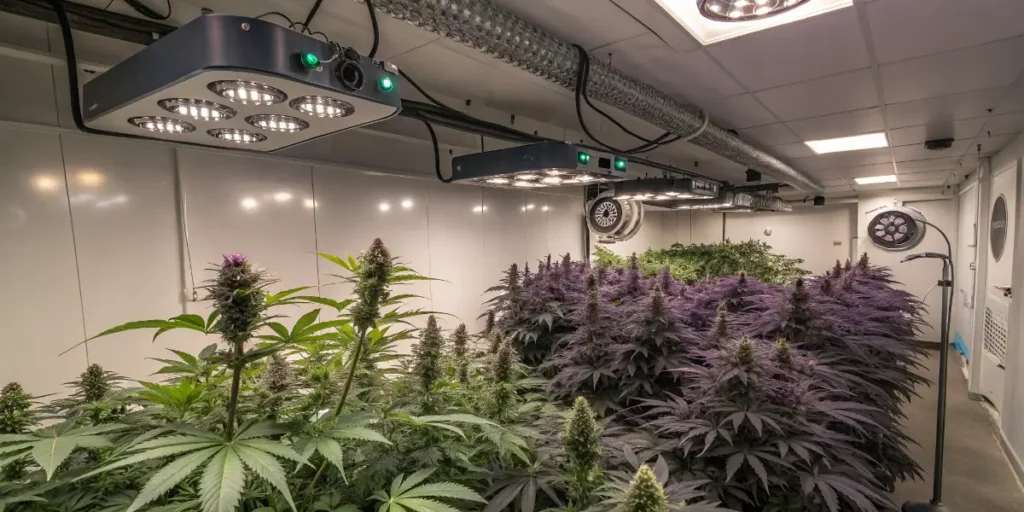
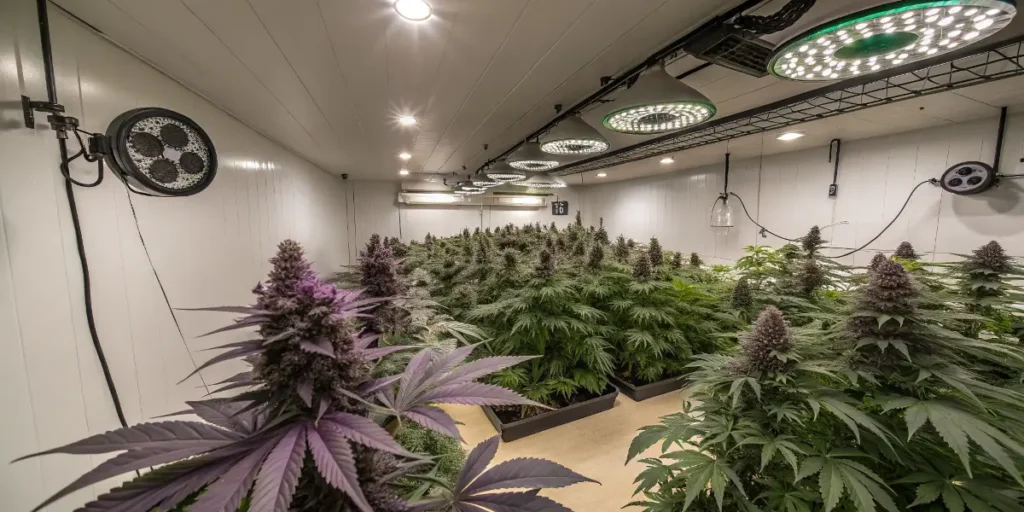
Growing Girl Scout Cookies, a renowned hybrid strain celebrated for its potent effects and sweet, earthy flavor profile, requires a well-considered grow room setup to maximize its potential. A tailored environment is essential to cultivate the dense, resinous buds that this strain is famous for. The starting point is choosing the right space, ideally a room that can be fully dedicated to your cannabis plants, allowing complete control over temperature, light, and humidity.
Girl Scout Cookies typically thrive in a moderately warm and humid environment. The optimal temperature range is between 68°F and 80°F. To achieve this, it’s prudent to invest in a high-quality climate control system that includes both a heater and an air conditioner, ensuring stability throughout the grow cycle. Moreover, maintaining a humidity level between 40% and 50% during the vegetative stage, and lowering it slightly during flowering to around 30% to 40%, will help prevent mold development and support healthy bud formation.
Lighting is a critical element in any cannabis grow setup. For Girl Scout Cookies, full-spectrum LED grow lights or high-pressure sodium (HPS) lights are recommended to mimic the natural sunlight these plants crave. During the vegetative stage, plants should receive 18 to 24 hours of light, whereas the flowering stage demands a 12 hours on, 12 hours off light cycle to simulate fall sunlight patterns, triggering bud development.
Air circulation is vital for this strain as it helps strengthen plant structures and prevents issues like mold and pests. Installing oscillating fans to keep the air moving consistently around the grow room is advisable. Additionally, a robust ventilation system, which includes an exhaust fan and carbon filter, will help in controlling odors and maintaining fresh air within the grow space, essential for the health and vigor of your Girl Scout Cookies plants.
Indoor Growing Tips for Girl Scout Cookies
Girl Scout Cookies, a renowned cannabis strain, is celebrated for its potent effects and distinct aroma. For indoor cultivators eager to optimize their yield and potency, it’s crucial to create a carefully controlled environment. Ensuring consistent temperature and humidity levels is paramount. The optimal temperature range during the day is 68-77°F (20-25°C), while slightly cooler nights help mimic natural conditions. Humidity levels should start at around 60% during the vegetative stage, gradually reducing to 30-40% during flowering to prevent mildew.
Lighting is another critical factor when growing Girl Scout Cookies indoors. It’s essential to use high-quality LED grow lights that can replicate the natural light spectrum. This strain thrives under strong light conditions, so providing a minimum of 600 watts per square meter is advisable. Proper light positioning is crucial; keeping the light source approximately 18 inches away ensures the plant gets the necessary energy without risking heat stress. A 18/6 light/dark cycle during the vegetative phase and a 12/12 cycle during flowering are recommended.
When it comes to nutrient management, Girl Scout Cookies has a slightly higher appetite compared to other strains. A balanced feed incorporating nitrogen during the vegetative stage and phosphorus and potassium during flowering will support optimal growth. It’s crucial to monitor pH levels meticulously, aiming for a range of 6.0 to 7.0 to ensure nutrient uptake. Regularly flushing the soil with plain water can prevent nutrient build-up and potential nutrient burn.
Outdoor Growing Tips for Girl Scout Cookies
Growing Girl Scout Cookies (GSC) outdoors can be a rewarding endeavor, especially if you take the right approach. GSC is a hybrid strain known for its high THC content and distinct flavor profile. When growing outdoors, it’s important to consider the climate, as this strain thrives in a Mediterranean-like environment. Ensuring that you have the right conditions will optimize your yield and overall plant health. The strain’s resilient nature makes it suitable for the outdoors, but attention to detail is critical to achieve the best results.
Start by selecting a growing location that receives plenty of sunlight—at least six hours of direct light per day is optimal. This strain requires abundant light to develop its potent buds. Additionally, check the soil quality as GSC prefers loamy, well-draining soil rich in organic matter. You can enhance the soil’s fertility by adding compost or an organic soil amendment at least a couple of weeks before planting. Regularly checking the soil’s pH levels to maintain a range between 6.0 and 7.0 will support healthy growth and nutrient uptake.
Irrigation is another crucial element when growing Girl Scout Cookies outdoors. The frequency and amount of watering will largely depend on your climate. In dryer, hotter regions, plants may require more frequent watering to prevent stress and dehydration. However, avoid overwatering, as standing water and overly moist soil can lead to root rot and other issues. Implementing mulching can help retain soil moisture and regulate temperature, aiding in consistent plant health.
Pest and disease management is key to producing a successful outdoor Girl Scout Cookies crop. This strain, like many cannabis plants, is susceptible to pests such as spider mites and aphids, as well as diseases like powdery mildew. Regularly inspecting your plants, using natural insecticidal soap, and introducing beneficial insects like ladybugs can help keep pest populations in check. Additionally, ensuring good airflow around plants by spacing them adequately can prevent disease onset.
Lastly, keep in mind the timing of your grow. Girl Scout Cookies typically takes around 9 to 10 weeks to flower. If you live in a region with a shorter growing season, plan accordingly to ensure your plants have ample time to mature before cooler weather sets in. Harvesting at the right time is crucial, as it affects the potency and flavor of the buds. Monitor trichomes closely; when they turn cloudy/milky with some amber, it’s usually time to harvest to achieve the best results.
How to Germinate & Propagate Girl Scout Cookies
Germinating Girl Scout Cookies seeds is the first critical step in cultivating this popular strain, known for its balanced hybrid effects and high THC content. To start, you will need quality seeds, which can be purchased from reputable seed banks. Begin by soaking the seeds in distilled water for 12 to 24 hours. This process hydrates the seeds and encourages them to break dormancy, allowing the taproot to begin its journey outwards.
After soaking, you’ve got several methods at your disposal to facilitate robust germination. Common practices include the paper towel method, a favorite among growers for its reliability and simplicity. Place the soaked seeds between two moist, not wet, paper towels, and put them in a dark, warm place, such as a cupboard. Ensure the environment maintains a temperature between 70-80°F (21-27°C) to mimic natural springtime conditions, perfect for seed germination. Check daily to ensure towels remain moist and observe for germination, which typically occurs within 2 to 5 days.
Once the seeds have sprouted and small roots (1/4 to 3/4 inch) appear, it’s time to transfer them into growing mediums. Handle these delicate structures with care, using tweezers if necessary, to avoid damaging the fragile roots. Plant the sprouted seeds root-down into a light, nutrient-rich soil or a chosen growing medium, about 1/2 inch deep. Maintain a stable environment with moderate humidity and temperatures suitable for cannabis cultivation to promote strong early growth of the young seedlings.
Propagation of Girl Scout Cookies can also involve cloning, a technique used to preserve the plant’s desirable genetic traits. To propagate through cloning, select a healthy mother plant that displays robust growth and vitality. Using sterilized scissors, cut a branch with at least one node, preferably two, for rooting. Place the clone into a rooting hormone to expedite root development and then into a growing medium or propagation cube. Maintain high humidity and gentle lighting for optimal growth conditions, ensuring the clone develops independent roots, which typically takes 7 to 14 days.
By following these detailed germination and propagation steps, you’ll set a solid foundation for growing healthy, productive Girl Scout Cookies plants. Commit to closely monitoring environmental conditions and maintaining ideal parameters to ensure successful cultivation from germination through flowering.
Vegetative Stage
During the vegetative stage, Girl Scout Cookies (GSC) plants transform into lush, green specimens, setting the foundation for a bountiful harvest. This phase typically spans four to six weeks, during which lighting plays a crucial role. Aim to provide 18 to 24 hours of light daily, ideally using LED or fluorescent lamps to maintain energy efficiency and reduce heat output. Light schedules contribute significantly to the overall health and vigor of your plants, promoting strong photosynthesis and robust growth.
The vegetative stage demands a close eye on nutrient intake. Girl Scout Cookies plants require a balanced supply of nitrogen, phosphorus, and potassium, along with micronutrients for optimal development. Use a diluted fertilizer solution with an N-P-K ratio of 3:1:2, gradually increasing concentration as the plants grow. Ensure the soil pH remains between 6.0 and 7.0 to maximize nutrient uptake, which is vital for avoiding deficiencies that could stunt plant growth or cause other issues.
Watering is another critical component of the vegetative phase. Overwatering or underwatering can lead to detrimental effects, such as root rot or nutrient lockout. Allow the top inch of soil to dry out between waterings, ensuring roots receive adequate oxygenation. Pay attention to environmental factors, maintaining a temperature range of 70°F to 85°F with humidity levels around 50% to 70%. These conditions provide a comfortable growing environment, reducing plant stress and encouraging vigorous development.
Training techniques like topping and low-stress training (LST) are especially beneficial during the vegetative stage for Girl Scout Cookies plants. Topping helps to promote a bushier canopy by removing the plant’s apex, redirecting energy to lateral branches. Meanwhile, LST involves gently bending branches to increase light penetration and airflow throughout the plant. These methods enhance yields and improve overall plant health, setting the stage for a prosperous flowering phase.
Flowering Girl Scout Cookies: What to Expect
Girl Scout Cookies (GSC) is a popular strain known for its potency, pleasant aroma, and balanced effects. When approaching the flowering phase of GSC, growers should anticipate a plant that generally requires around 9 to 10 weeks to fully mature for harvest. This strain is known for producing dense, resinous buds with a mesmerizing combination of light and dark green hues, often accentuated by vibrant purple tones if exposed to lower night temperatures. As flowering progresses, anticipate a strong, sweet aroma that blends earthy undertones with hints of mint and a touch of spice.
During the flowering stage, careful attention to environmental conditions is crucial to maximize yield and potency. Girl Scout Cookies thrives in a controlled indoor environment that allows for the regulation of temperature and humidity levels. Aim to keep the temperature between 68 to 79°F (20 to 26°C) with humidity levels decreasing from 60% to about 40-45% as flowering progresses. Consistent exposure to a 12/12 light cycle (12 hours of light followed by 12 hours of complete darkness) is essential for promoting healthy and robust flowering. Girl Scout Cookies also responds well to the Screen of Green (ScrOG) method, which encourages even bud development across the canopy.
Expect to find resinous trichomes coating the buds of Girl Scout Cookies as the flowering stage comes to an end. The generous coating of resin not only underscores the potency potential of this strain but also reflects its high terpene content, which contributes to its unique flavor profile. Growers should also be on the lookout for signs of readiness, such as the browning of pistils and the milky appearance of trichomes through a magnifying glass. Harvesting at the right time during the optimal window is critical to achieving that renowned Girl Scout Cookies experience — powerful, flavorful, and deeply satisfying.
Fertilizers & Nutrient Schedule
The Girl Scout Cookies (GSC) strain is renowned for its potent effects and delightful flavors, but cultivating it to its full potential requires a thoughtful approach to nutrition. Successfully feeding GSC plants involves grasping their specific nutrient requirements during various growth stages. As a high-yielding strain, GSC thrives with precise nutrient management, ensuring efficient growth and a bountiful harvest. By using the right fertilizers and adhering to a well-structured nutrient schedule, growers can maximize the potential of this popular strain.
During the vegetative stage, GSC plants will primarily require nutrients that support robust growth and strong structural development. A balanced fertilizer with a higher nitrogen content will be critical during this period. A recommended N-P-K ratio for the vegetative stage is approximately 3-1-2, as nitrogen encourages vigorous leaf and stem development. Feeding should typically occur every other watering to prevent nutrient burn or build-up, which can hinder plant growth. Additionally, micronutrients like calcium and magnesium should not be overlooked, as they play a vital role in cellular functions and overall plant health.
As GSC transitions into the flowering stage, its nutrient needs will change considerably. The focus should shift towards a phosphorus-rich fertilizer, often with an N-P-K ratio around 1-3-2 or similar, which supports bud formation and resin production. It’s important to gradually decrease nitrogen levels to encourage the plant to focus on flowering. Consistent feeding every week during flowering, combined with strategic water management, is critical during this phase. Monitoring the pH level of the growing medium is also essential to ensure nutrient uptake is not impaired.
Pest and Disease Prevention for Healthy Cannabis Plants
When cultivating Girl Scout Cookies, a beloved hybrid strain praised for its balanced effects and sweet flavor profile, it’s crucial to prioritize pest and disease prevention to ensure bountiful harvests. Like any cannabis plant, Girl Scout Cookies is susceptible to a variety of pests and diseases that can jeopardize plant health and yield. A proactive approach to prevention not only minimizes potential damage but also enhances overall plant resilience. Comprehending the common challenges and implementing effective strategies is key to growing healthy cannabis plants.
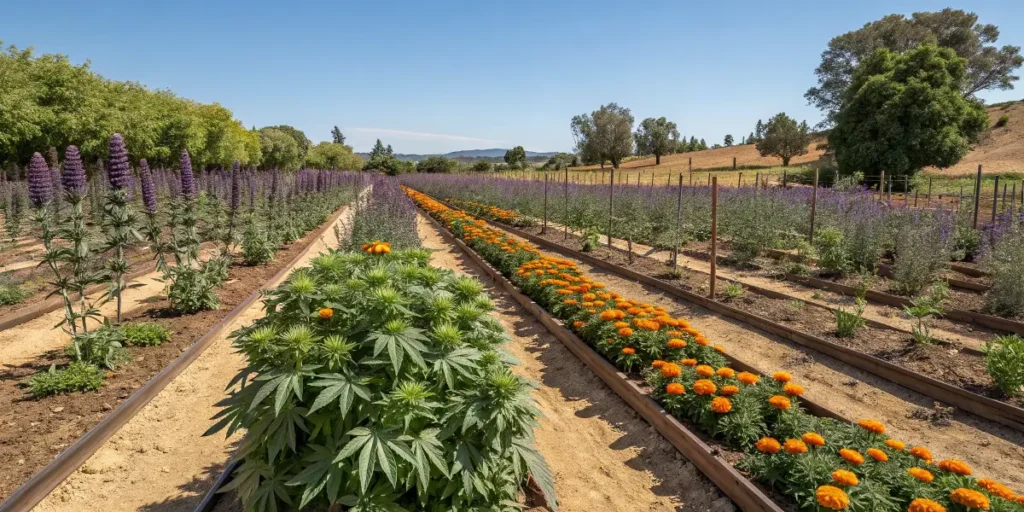
The first line of defense against pests and diseases is creating a clean growing environment. Start by ensuring your growing spaces, whether indoor or greenhouse, are sanitized and free of debris. Regular cleaning of tools and equipment is essential to prevent the unintentional spread of pathogens. Additionally, maintain a balanced eco-system by introducing beneficial insects like ladybugs or predatory mites that naturally control harmful pests. Consider using companion planting techniques with herbs like basil or marigolds to repel certain pests and create a more harmonious growing space.
Another essential factor is vigilance. Monitor your Girl Scout Cookies plants regularly for signs of stress, pests, or disease. Early detection is crucial for effective management. Look for common issues such as spider mites, aphids, and whiteflies, which can all damage foliage and stunt growth. Inspecting plants daily allows for quick intervention, whether through manual removal or the use of organic insecticidal sprays like neem oil, which serves as a natural pesticide that is safe for use on cannabis plants.
Maintaining optimal environmental conditions also plays a significant role in pest and disease prevention. For Girl Scout Cookies, this means managing temperature, humidity, and airflow. Pests and molds thrive under high humidity and stagnant conditions, so ensure adequate ventilation and a consistent climate. Utilize dehumidifiers if necessary, especially during flowering when the risk of mold and mildew increases. Additionally, spacing your plants appropriately prevents overcrowding, thus reducing the microclimates where pathogens proliferate.
Implement a strong nutrient and water management plan to bolster plant health, which inherently increases resistance to pests and disease. Avoid over-watering, as saturated conditions can lead to root rot and attract fungus gnats. Use a balanced nutrient regimen suited for Girl Scout Cookies to promote vigorous growth, coupled with regular pH checks of your water and growing medium to prevent nutrient lockout and related stress that could lead to susceptibility.
To sum up, successful pest and disease prevention for Girl Scout Cookies involves a multi-faceted approach that combines cleanliness, vigilance, environmental control, and proper nutrition. By integrating these strategies into your cultivation practices, you ensure healthier, more resilient cannabis plants that produce the acclaimed potency and flavor profile that have made Girl Scout Cookies a favorite among growers and consumers alike.
Harvesting & Drying
Harvesting the Girl Scout Cookies strain at the optimal time is crucial to ensure you reap the full benefits of its unique flavor and potent effects. This popular strain, known for its strong THC content and sweet, earthy aroma, requires careful monitoring as it nears harvest time. Start by examining the trichomes, which should turn a milky white color, and the pistils, which should be about 70-90% brown and curled. These visual indicators, coupled with a consistent flowering period of around 8-9 weeks, will guide you to the perfect picking time.
Once you’ve determined it’s time to harvest, proceed with cutting the branches carefully to maintain the integrity of the buds. Remove the larger fan leaves and trim away any smaller sugar leaves to improve airflow during the drying process. Trimming not only enhances the appearance of the cannabis buds but also prevents the development of mold. Ensure to handle the buds gently, as rough handling could dislodge the valuable trichomes, diminishing the potency and flavor of the end product.
The drying process is pivotal as it affects the final quality of the Girl Scout Cookies buds. Hang the trimmed branches upside down in a dark, well-ventilated space, maintaining a temperature between 60-70 degrees Fahrenheit and a relative humidity of 45-55%. These conditions are ideal to slow down the drying process, preventing the evaporation of flavorful terpenes while enabling an even drying of the buds. This step takes about 7-10 days, depending on environmental factors, so be patient and monitor closely.
During the initial drying phase, regular checking is essential. The buds are ready when they are crisp to the touch and the stems snap instead of bending. Once properly dried, move the buds to the curing phase, placing them in airtight jars to stabilize the moisture content and further enhance the taste and aroma. Open the jars daily for the first week to allow any residual moisture to escape and to integrate the humidity levels evenly throughout. With diligent care and attention during these stages, you can enjoy the unparalleled experience of perfectly cultivated Girl Scout Cookies cannabis.
girl scout cookies Strain Type: Indica, Sativa or Hybrid?
The Girl Scout Cookies (GSC) strain is a well-balanced hybrid cannabis strain that has gained immense popularity in the cannabis community. It is famous for its unique combination of effects, flavor, and aroma. Created through a cross between the legendary OG Kush and Durban Poison strains, Girl Scout Cookies inherits some of the best characteristics from both parents. This genetic blend results in a strain with a roughly 60% Indica and 40% Sativa composition, making it a versatile choice for various users looking for a balanced experience.
The dominant Indica aspect of GSC is evident in its relaxing and soothing effects, which are common among users seeking relief from stress, pain, and insomnia. The Indica genes provide a full-body high that can help in winding down after a long day and aid in a deep, restful sleep. Despite being Indica-dominant, the Girl Scout Cookies strain’s Sativa influence is not overshadowed, offering an uplifting and happy cerebral high. This combination makes it suitable for daytime and nighttime use, depending on the dosage consumed.
The hybrid nature of GSC offers a well-rounded experience, merging the best effects of both Indica and Sativa. It is a favorite among medical cannabis users for its ability to alleviate symptoms of various conditions, such as chronic pain, nausea, and lack of appetite. On the recreational side, it is celebrated for encouraging sociability and creativity without overwhelming the user with lethargy or hyperactivity. This balanced hybrid is a well-suited choice for cannabis enthusiasts seeking a multifaceted experience from one strain.
Key Benefits for Cultivators
Girl Scout Cookies (GSC) is a legendary cannabis strain known for its potent effects and delightful flavors, making it a favorite among cultivators and consumers alike. Originating from crossing OG Kush with Durban Poison, GSC boasts a high THC content, typically ranging between 18% and 28%, offering a powerful experience for those seeking a strong psychoactive effect. This high-THC level often translates into higher market demand, making GSC not only popular but also potentially lucrative for growers.
Another compelling reason to cultivate Girl Scout Cookies is its versatility. This strain is well-suited for indoor and outdoor growing environments, allowing cultivators flexibility in choosing where to grow. While indoor cultivation allows for control over environmental conditions, growing GSC outdoors can lead to higher yields thanks to the plant’s hardy nature and resilience to various climates. Moreover, GSC’s relatively compact size makes it ideal for indoor growers with limited space, as it can thrive in smaller setups.
The aromatic and flavor profile of Girl Scout Cookies is another reason for its widespread cultivation. The strain offers a unique blend of earthy, sweet, and spicy notes with a hint of mint, often described as reminiscent of the popular cookies from which it derives its name. This complex terpene profile not only provides a rich sensory experience but also contributes to its high demand in the cannabis market. A well-grown batch of GSC can command premium prices, thus benefiting cultivators who prioritize quality and attention to detail.
Besides its commercial appeal, Girl Scout Cookies is also valued for its relatively simple cultivation process. The strain’s natural resistance to pests and diseases reduces the time and resources needed for maintenance. This trait makes GSC an attractive option for novice and experienced growers who wish to maximize their yield with minimal intervention. As long as the plant’s basic needs are met – such as sufficient light, nutrients, and regular pruning – GSC can produce impressive yields, averaging between 10 to 16 ounces per plant outdoors or about 2-4 ounces per square foot indoors.
Potential Challenges When Growing Girl Scout Cookies
Growing Girl Scout Cookies (GSC) can present several challenges that cultivators should be prepared for to ensure a successful harvest. One of the primary issues is the strain’s sensitivity to environmental conditions. GSC plants require a well-balanced climate, with stable temperatures ranging between 68 to 77 degrees Fahrenheit. Any significant deviation, especially towards cold or excessively hot extremes, can stunt growth or reduce yield quality. Maintaining optimal conditions means growers must invest in efficient climate control systems to mitigate fluctuations in temperature and humidity.
Another challenge lies in the strain’s susceptibility to specific molds and pests. GSC plants have dense foliage, which unfortunately makes them a target for mold if humidity levels are not adequately controlled. Gray mold and powdery mildew are common threats that can devastate crops if not identified and treated promptly. Pest control is equally crucial, as aphids, spider mites, and whiteflies can quickly become problematic. Regular monitoring and the use of organic insecticides or beneficial insects are recommended as preventative measures.
Girl Scout Cookies also require meticulous attention during the cultivation phase due to their nutrient-sensitive nature. This strain demands balanced feeding, but growers often face challenges in providing the right nutrient mix. Over-fertilization can lead to nutrient burn, while under-feeding may result in deficiencies, affecting plant growth and bud development. It’s essential to implement a well-planned feeding regimen, tailored to the plant’s growth stage, to prevent imbalances that can impair the harvest.
Lastly, the plant’s growth structure can pose a challenge, especially indoors, due to its propensity for bushy growth and moderate to tall height. Without proper pruning and training, the plants might become overcrowded, restricting light penetration and air circulation. Techniques such as topping and low-stress training can help manage plant shape, encouraging more robust bud development by allowing light to reach lower branches. By recognizing and addressing these potential challenges, growers can better ensure a high-quality yield of Girl Scout Cookies.
Here’s What You Need to Know
The Girl Scout Cookies (GSC) cannabis strain is a celebrated hybrid known for its potent effects and robust profile. Originating from the cross-breeding of OG Kush and Durban Poison, GSC offers a balanced, yet powerful experience for both recreational and medicinal users. With a THC content often testing above 20%, this strain is popular among those seeking a strong psychoactive high. The presence of its rich, earthy aroma combined with sweet undertones makes each session a unique, flavorful journey.
One of the notable features of Girl Scout Cookies is its dual-purpose application. Medicinal users often turn to this strain for its well-documented ability to relieve chronic pain, nausea, and appetite loss. For recreational users, GSC delivers a euphoric, full-body high, perfect for unwinding after a long day. Despite its indica-dominant nature, it also possesses enough sativa genetics to encourage creativity and social interactions, making it a versatile option for different occasions.
Purchasing Girl Scout Cookies can be a worthwhile investment due to its growing popularity and demand which have fueled its reputation as a premium strain. However, potential buyers should be aware of the cultivation challenges it presents. GSC plants generally thrive indoors in a controlled environment with a flowering period of about 9-10 weeks. Given its sensitive nature, maintaining optimal temperatures and humidity is crucial for successful growth. Although it can require more attention than other strains, the rewarding yields and high-quality buds make the effort well worth it.
FAQs about Girl Scout Cookies
How long does it take to grow Girl Scout Cookies from seed to harvest?
Girl Scout Cookies typically takes 9 to 10 weeks to flower, with a full grow cycle of about 16 to 20 weeks from seed to harvest. Indoor growers can expect slightly faster results under controlled conditions, while outdoor cultivation may extend depending on local climate and daylight hours.
What are the ideal conditions for growing Girl Scout Cookies?
To grow Girl Scout Cookies successfully, maintain temperatures between 68–77°F (20–25°C) and humidity levels around 60% during the vegetative stage, lowering to 40–45% during flowering. The strain thrives in well-draining, nutrient-rich soil with a pH of 6.0–6.5, and benefits from strong airflow to prevent mold and mildew.
Is Girl Scout Cookies a difficult strain to cultivate?
GSC is considered moderately challenging to grow. While it’s resistant to some diseases, it’s sensitive to humidity, temperature swings, and overfeeding. Regular pruning, balanced nutrients, and proper air circulation are key to preventing issues like mold or nutrient burn and achieving high-quality yields.
What nutrients and feeding schedule work best for GSC plants?
During the vegetative stage, use a nitrogen-rich fertilizer (N-P-K ratio around 3-1-2) to encourage leaf and stem growth. As GSC enters the flowering phase, switch to a phosphorus- and potassium-heavy formula (1-3-2) to enhance bud density and resin production. Always keep pH levels stable and flush the medium before harvest for optimal taste.
Why do growers choose Girl Scout Cookies over other strains?
Cultivators love GSC for its potency, visual appeal, and strong market demand. Its high THC levels (18–28%), sweet, earthy aroma, and resilient genetics make it profitable and rewarding. Plus, its hybrid nature offers the perfect balance between relaxing indica effects and uplifting sativa energy, appealing to a wide range of consumers.