

Driving under the influence of cannabis is a topic that many find confusing, especially when traveling internationally. The rules can differ vastly from one country to another. This guide will help you navigate the complex landscape of international cannabis driving laws.
First-time cannabis users and seasoned growers alike need to be aware of these laws to avoid any legal complications. It’s crucial to understand that laws are not only country-specific but can also vary within regions of a country.
With cannabis strains like Kama Kush CBD from Global Green Genetics offering medicinal benefits without the high, it’s easy to assume driving is safe post-consumption. However, legal systems might not see it that way, and this guide aims to clarify these nuances.
International Cannabis Driving Regulations Guide
Different countries have different thresholds for what constitutes cannabis impairment. In Canada, for instance, there are strict limits on blood THC levels, similar to alcohol limits. This means you could be penalized even if you don’t feel impaired.
In contrast, some countries like the Netherlands have more relaxed rules, primarily because cannabis consumption is more culturally accepted. Still, driving under the influence remains illegal. Knowing these differences is key to staying on the right side of the law.
Knowing international cannabis driving regulations is essential for anyone planning to travel. In countries like Japan and South Korea, cannabis use and possession are strictly prohibited, and their laws extend to any trace of the substance found in your system. This means that even if you consumed cannabis legally in another country, you could face severe penalties upon entering these nations.
Besides, many countries have begun to implement technology to detect cannabis use more effectively. For example, Australia is exploring advanced roadside testing methods that can detect THC levels with greater accuracy. Staying informed about these evolving regulations can prevent unexpected legal challenges during international travel.
Global Cannabis DUI Laws Overview
Driving under the influence (DUI) laws for cannabis can be quite stringent in many parts of the world. For example, in Australia, any detectable level of THC in your system can result in DUI charges. This zero-tolerance approach is common in countries with stringent drug laws.
On the other hand, some U.S. states have set specific THC limits to determine impairment. This means that the same amount of cannabis could lead to different legal outcomes depending on where you are. The Damn Sour strain, known for its rapid flowering, is less likely to linger in the system, potentially reducing legal risk.
In Europe, the global cannabis DUI laws overview reveals a complex patchwork of regulations. Countries like Italy and Switzerland are taking a more liberal approach, focusing on education and harm reduction rather than strict penalties. However, neighboring countries may have vastly different rules, making cross-border travel particularly challenging for cannabis users.
Similarly, South American countries like Colombia and Argentina have progressive policies on cannabis use but maintain strict DUI laws. This dual approach highlights the importance of grasping both the legal status of cannabis use and the specific driving laws in any given country. A Guide To International Cannabis Driving Laws is indispensable for clarifying these complexities.
Cross-Border Cannabis Driving Penalties
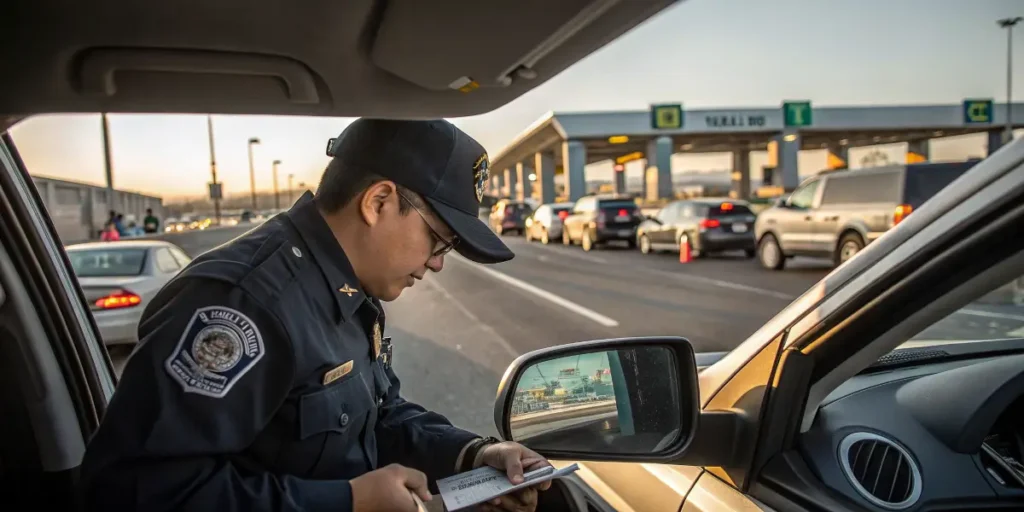
Crossing borders with cannabis in your system can be even more complicated. For instance, driving from a U.S. state where cannabis is legal into Canada could land you in hot water. The penalties can range from fines to imprisonment, depending on the amount of THC detected.
Countries like Germany and France have strict cross-border regulations. A minimal amount of THC in your bloodstream can result in severe penalties. Therefore, it is advisable to be cautious and informed about these rules before crossing any international borders.
These cross-border cannabis driving penalties are not only applicable to THC but also to CBD products. In some countries, CBD is considered a controlled substance, and possessing or using it while driving can lead to legal issues. It’s crucial to verify the legal status of CBD products in each jurisdiction to avoid unexpected complications.
Additionally, travelers should be aware that some nations have agreements to share drug-related offenses. This means that a DUI charge in one country could potentially affect your ability to drive in another. Staying updated on international marijuana driving rules 2025 is essential for those frequently crossing borders and using cannabis.

Cannabis Driving Laws by Country Guide
When it comes to specific countries, the laws can be quite diverse. In the UK, for example, cannabis remains illegal, and driving under its influence is a criminal offense. The penalties can include hefty fines and even license suspension.
In Spain, while cannabis use is decriminalized, driving under its influence is still punishable by law. This duality can be confusing, so it’s best to be cautious. The CBD Therapy strain, known for its therapeutic effects, could be a safer option for those needing relief without the risk of impairment.
In countries like Thailand, recent changes in cannabis legislation have led to increased confusion. While some forms of cannabis use have been decriminalized, driving under the influence remains a grave offense. The cannabis driving laws by country guide can be an invaluable resource for interpreting these nuanced regulations.
Brazil presents another interesting case where cannabis use is decriminalized, but driving while impaired is heavily penalized. Users must navigate these dual realities carefully to avoid legal repercussions. Choosing strains with low THC content, such as Easy Bud, can help mitigate the risk of legal complications.
International Marijuana Driving Rules 2025
As of 2025, marijuana driving rules continue to evolve globally. Countries like New Zealand have adopted saliva testing to enforce their cannabis DUI laws. This method is quicker and less invasive, making enforcement more efficient.
In some European countries, like Italy, the laws are becoming stricter with time. New amendments often include lower THC limits and increased penalties. Staying updated with these changing rules is essential for any cannabis user.
In the United States, federal and state laws create a complex environment for cannabis users. While some states have legalized cannabis, federal laws still classify it as a controlled substance. This dichotomy complicates enforcement and highlights the need for a reliable guide to international cannabis driving laws.
Asia presents another challenging landscape where countries like Singapore maintain a zero-tolerance policy. Even trace amounts of cannabis can lead to severe legal consequences. Being aware of the international marijuana driving rules 2023 is crucial for anyone considering cannabis use in these regions.
FAQ
What are the penalties for driving under the influence of cannabis internationally?
Penalties for driving under the influence of cannabis can vary considerably from one country to another. In some places, such as Australia, having any amount of THC in your system can result in DUI charges. This zero-tolerance approach means you’ll face penalties even if you aren’t visibly impaired.
In other regions, like certain U.S. states, there are specific THC limits to determine impairment. This means that a detectable level of THC doesn’t automatically result in a DUI charge. However, crossing borders with cannabis in your system can lead to severe penalties, including fines and imprisonment, especially in countries with strict drug laws like Germany and France.
In Scandinavian countries, the penalties for cannabis-related DUIs are among the harshest globally. Norway and Sweden impose heavy fines, license suspensions, and even imprisonment for those caught driving under the influence. This underscores the importance of familiarizing yourself with international cannabis driving regulations guide before traveling.
Conversely, Mexico has adopted a more lenient approach, focusing on harm reduction rather than punitive measures. However, this leniency doesn’t extend to impaired driving, where penalties remain severe. Being informed about these differences is crucial for safe and lawful international travel.
How do different countries test for cannabis impairment?
Testing methods for cannabis impairment differ worldwide. In Canada and several U.S. states, blood tests are common to determine THC levels. These blood tests offer precise measurements but are invasive and time-consuming.
Conversely, countries like New Zealand have adopted saliva testing. This method is quicker and less intrusive, allowing for efficient roadside checks. Regardless of the testing method, knowing the laws of the country you’re in is crucial for compliance.
In Germany, authorities have started using advanced breathalyzers capable of detecting THC levels with high accuracy. This technology is being evaluated for wider implementation across Europe, reflecting a trend towards more efficient law enforcement.
In contrast, some countries in Africa and South America rely on field sobriety tests due to limited resources. These tests are less scientific but still form the basis for DUI charges. Recognizing these testing methods is vital for navigating international cannabis driving laws effectively.
Are there any cannabis strains that are better for avoiding DUI charges?
Yes, certain strains like CBD Therapy from Global Green Genetics are recommended for users concerned about DUI charges. This strain offers medicinal benefits without the psychoactive effects, reducing the risk of impairment.
Similarly, the Easy Bud strain is known for its low THC content, making it a practical choice for those who want to avoid legal issues while still experiencing the benefits of cannabis. The Damn Sour strain is also a good option, designed to have minimal residual THC, thus lowering the risk when driving.
Choosing the right strain can make a significant difference in your legal standing. Strains like Easy Bud offer a balanced cannabinoid profile, allowing users to enjoy the therapeutic benefits without crossing legal thresholds. This makes them an excellent choice for those navigating international cannabis driving regulations guide.
Additionally, Global Green Genetics continues to innovate by developing strains that prioritize user safety and compliance with global cannabis DUI laws overview. Their focus on low-THC options provides peace of mind for responsible cannabis consumers.
How can I stay updated with international cannabis driving laws?
Staying informed about international cannabis driving laws is essential for any cannabis user. Regularly check official government websites and legal resources for updates in the countries you plan to visit. These platforms often provide the most accurate and current information.
Another effective way is to join online forums or communities focused on cannabis use. Engaging with other users can provide practical insights and firsthand experiences that are invaluable when navigating international laws.
Subscribing to newsletters and alerts from legal advisory firms can also be beneficial. These organizations often publish updates on international marijuana driving rules 2023, helping users stay compliant with the latest regulations.
Attending cannabis-focused events and seminars is another way to gain insights into evolving laws and trends. These gatherings often feature experts who can provide a complete cannabis driving laws by country guide, tailored to your travel needs.
Can medical cannabis users face DUI charges?
Medical cannabis users are not exempt from DUI charges. Even if you’re using cannabis for medical purposes, having THC in your system can still result in legal consequences. Laws are designed to ensure public safety, and impairment is impairment, regardless of the reason for consumption.
In countries where medical cannabis is legal, the laws are often more lenient, but this is not a guarantee. Users should be cautious and informed about the specific driving laws in their region to avoid any legal complications.
Medical cannabis users should be particularly vigilant when traveling internationally. While some countries may recognize medical cannabis usage, they may not extend the same exemptions to driving under the influence. Consulting A Guide To International Cannabis Driving Laws can provide clarity in these situations.
It’s advisable for medical users to carry documentation proving their legal right to use cannabis for health reasons. However, this documentation does not offer immunity from DUI laws, emphasizing the importance of acknowledging cross-border cannabis driving penalties.