
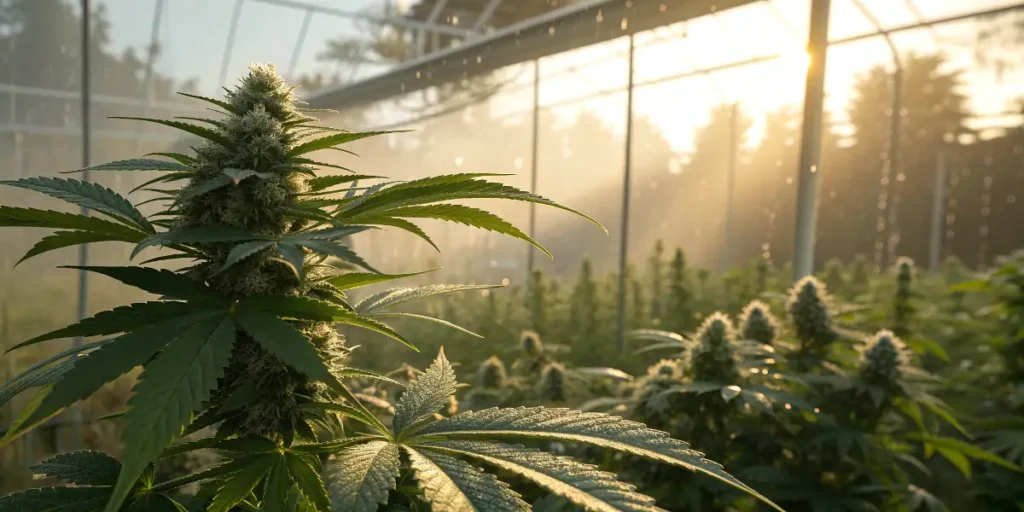

When you think about weed, taste might not be the first thing that comes to mind. However, for both new buyers and seasoned growers, knowing the flavor profile of cannabis can enhance the experience. Weed taste varies significantly depending on the strain and the terpenes present in the plant.
What does marijuana taste like to beginners? It’s a common question. Some might describe the taste as earthy or herbal, while others might notice fruity or citrusy notes. The first encounter with cannabis can be similar to trying wine for the first time, where the flavors become more discernable with experience.
Cannabis flavor profiles explained simply involve knowing different components like terpenes. Terpenes are compounds found in many plants, and they influence the aroma and taste of cannabis. These compounds are why some strains taste skunky while others are sweet or spicy. Let’s dive deeper into how these flavors come to be.
How Terpenes Affect Cannabis Taste
Terpenes are a crucial factor in determining weed taste and aroma differences. These naturally occurring compounds not only provide plants with their distinct scents but also play a significant role in the overall cannabis experience. For instance, the terpene myrcene is common and gives off an earthy, musky scent, often associated with hops and lemongrass.
Limonene, another terpene, is found in citrus fruits and imparts a zesty lemon flavor to certain strains. This can make a strain taste fresh and clean, which is appealing to many users. The balance and presence of these terpenes can significantly alter the taste, making cannabis consumption a unique experience each time.
Knowing how terpenes affect cannabis taste can be enlightening for enthusiasts seeking to deepen their appreciation of cannabis. By recognizing which terpenes are most prominent in a strain, users can predict the potential flavors and aromas they might experience. This knowledge can guide them in selecting strains that align with their personal taste preferences.
Moreover, terpenes are not just about flavor; they also contribute to the entourage effect, enhancing the overall impact of cannabis. This interplay between terpenes and cannabinoids can lead to a more nuanced and satisfying experience, further emphasizing the importance of terpenes in cannabis flavor profiles explained in detail.
Strawberry Banana
One of the notable strains is Strawberry Banana Auto. This strain is a perfect example of how terpenes can influence taste. It is known for its sweet, fruity flavors, reminiscent of its namesake fruits. The high myrcene content contributes to its sweet and musky aroma, making it a favorite for those who enjoy sweeter cannabis flavors.
Strawberry Banana is particularly popular among users who prefer a smooth and mellow taste. This strain is excellent for beginners who might be overwhelmed by more pungent strains. Its mild taste makes it easier for novices to appreciate the subtleties in cannabis flavors.
In addition to its pleasant taste, Strawberry Banana also offers a balanced high that is both relaxing and uplifting. This makes it an ideal choice for social settings or creative endeavors, where the sweet taste complements the enjoyable effects. Users often describe the experience as serene and joyful, a testament to the strain’s delightful combination of flavor and effect.
For those curious about what does marijuana taste like to beginners, Strawberry Banana serves as an excellent entry point. Its approachable flavor profile and gentle effects provide a welcoming entry point into the diverse world of cannabis, making it a staple in the collection of any cannabis enthusiast.
Critical Kush
Another interesting strain is Critical Kush, which presents a different taste profile. Critical Kush is known for its earthy and slightly spicy flavors. The presence of caryophyllene, a terpene also found in black pepper, gives it a distinctive peppery kick.
This strain’s rich and robust taste might appeal more to experienced users who appreciate complex flavors. Critical Kush’s deep flavors are perfect for those who enjoy savoring a full-bodied taste. The strain’s skunky taste often intrigues users who are curious about why does weed taste skunky.
Critical Kush is not only about its strong flavor profile; it also offers a potent relaxing effect that many users find beneficial for unwinding after a long day. The combination of its earthy taste and calming effects makes it a go-to option for those looking to decompress and enjoy a meditative experience.
For those who enjoy exploring weed taste and aroma differences, Critical Kush provides a compelling case study. Its unique terpene composition results in a bold flavor and aroma that stand out, offering a sensory experience that is as intense as it is satisfying. This strain is a must-try for connoisseurs who appreciate a robust, skunky profile.
Cheese
The Cheese strain is another unique offering from Global Green Genetics. As the name suggests, this strain has a distinct cheesy aroma and taste. The presence of terpenes like terpinolene contributes to its unique flavor profile.
Cheese is an excellent example of how diverse cannabis flavors can be. Its pungent and tangy taste might not be for everyone, especially beginners, but it is beloved by those who appreciate bold flavors. The complexity of this strain’s taste can be a delightful challenge for those looking to expand their palate.
For those wondering why does weed taste skunky, Cheese provides an intriguing answer. Its strong, pungent aroma is a hallmark of its terpene profile, offering a taste that lingers and leaves a memorable impression. This makes Cheese a fascinating choice for those who relish strong, distinctive flavors.
Beyond its unique taste, Cheese also offers a balanced high that is both euphoric and relaxing. This strain’s combination of flavor and effect makes it a favorite among users who enjoy a complex sensory experience. For those looking to broaden their knowledge of cannabis flavor profiles, Cheese is an essential addition to their exploration.
Weed Taste and Aroma Differences
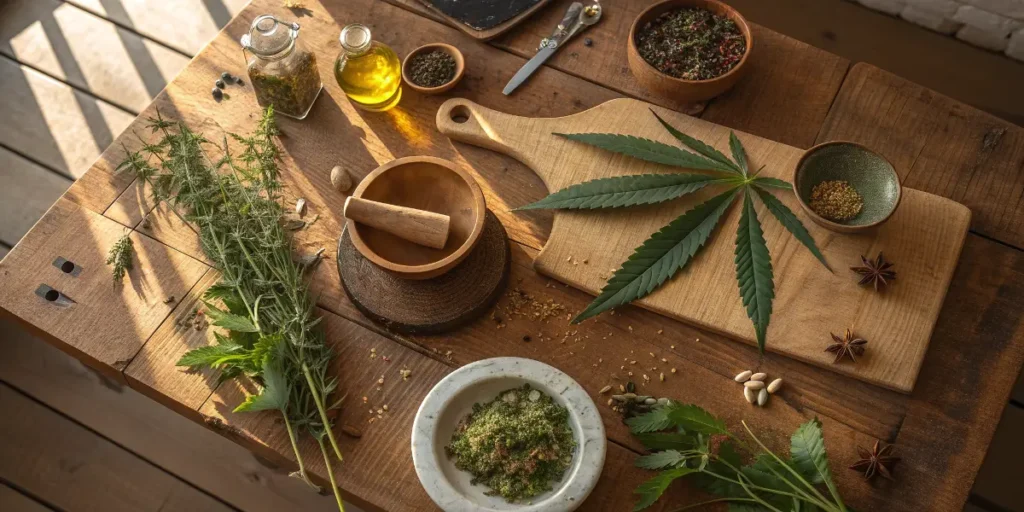
Weed taste and aroma differences are often influenced by the growing conditions, curing processes, and the specific genetic makeup of the strain. For instance, the same strain grown in different environments can have variations in taste due to differences in soil, climate, and cultivation techniques.
The curing process is another factor that can affect the taste. Proper curing allows the terpenes to develop fully, enhancing the flavor and aroma of the cannabis. A well-cured strain will have a more pronounced and satisfying taste compared to one that has been rushed through the process.
Knowing these weed taste and aroma differences can help consumers make more informed choices when selecting cannabis. By considering factors such as growing conditions and curing techniques, users can better predict the flavor profiles they might encounter, enhancing their overall experience.
Moreover, the genetic makeup of a strain plays a crucial role in its taste and aroma. Strains bred for specific terpene profiles can offer unique flavor experiences that are consistent and reliable. This genetic influence is a key component in the diverse world of cannabis flavors, providing endless possibilities for enthusiasts to experience.
Why Does Weed Taste Skunky?
Many wonder why does weed taste skunky. The skunky taste is often attributed to the presence of specific terpenes like myrcene and caryophyllene. These terpenes can give cannabis a strong, pungent aroma that some people find skunky.
Skunky flavors are more common in strains that have a higher concentration of these terpenes. For those who enjoy this unique taste, it can be a defining characteristic of their cannabis experience. Strains like Critical Kush often have this skunky profile, appealing to those who appreciate a robust flavor.
This skunky aroma is not only about the terpenes but also the way these compounds interact with the rest of the plant’s chemistry. The complexity of these interactions can lead to a rich and multifaceted taste experience that many users find intriguing. This complexity is a key aspect of why some strains stand out for their distinctive skunky taste.
For those exploring what does weed taste like, a guide to skunky strains can be particularly enlightening. Knowing why certain strains exhibit this characteristic can deepen one’s appreciation for the diverse and intricate world of cannabis flavors. Embracing these strong tastes can add a new dimension to the tasting experience, offering a bold and memorable journey.
Practical Tips for Tasting Weed
For those looking to discover what does weed taste like, here are some practical tips to enhance your tasting experience:
- Start with a clean palate. Avoid strong foods or drinks before tasting.
- Use a clean pipe or vaporizer to avoid flavor contamination.
- Smell the cannabis first to identify the terpenes and anticipate the flavors.
- Take small, slow inhales to savor the taste.
- Note the flavors you experience and compare them to known terpene profiles.
These tips can help both beginners and experienced users fully appreciate the diverse flavors cannabis has to offer. Tasting weed is much like tasting wine, where attention to detail can reveal a whole new world of flavors.
By following these guidelines, users can develop a more refined palate and a deeper awareness of cannabis flavor profiles. This enhanced awareness can lead to more satisfying and enjoyable experiences, as users learn to recognize and appreciate the nuances of different strains.
Being mindful of the tasting process also encourages users to try a wider variety of strains, broadening their horizons and deepening their appreciation for the art and science of cannabis cultivation. As they become more attuned to the subtleties of taste and aroma, they can more confidently navigate the vibrant world of cannabis.
FAQ
What Does Weed Taste Like to Beginners?
For beginners, weed can taste mild and herbal, often with hints of sweetness or earthiness. The first experience might not reveal all the complexities, but as they become more familiar, the subtleties start to shine through.
Beginners should start with strains like Strawberry Banana, which offer a gentle start to cannabis flavors. This way, they can gradually learn to distinguish different tastes and aromas.
As beginners gain more experience, they will likely become more adept at identifying specific terpenes and flavor notes. This progression can make the cannabis experience more enjoyable and rewarding, as they learn to savor the intricate layers of taste and aroma.
To further enhance their knowledge , beginners might consider keeping a tasting journal. By noting their impressions and comparing them over time, they can track their evolving tastes and preferences, leading to a more personalized and informed exploration of cannabis.
How Do Terpenes Affect Cannabis Taste?
Terpenes are the compounds that give cannabis its unique flavors and aromas. They are present in varying concentrations in different strains, influencing whether a strain tastes fruity, earthy, or skunky.
Knowing terpenes can help users choose strains that match their taste preferences. For example, a strain high in limonene will have a citrusy taste, while one rich in myrcene might be more earthy and musky.
This knowledge about how terpenes affect cannabis taste can be particularly useful for those seeking specific flavor profiles. By selecting strains based on their terpene content, users can tailor their cannabis experience to better align with their personal tastes and preferences.
Moreover, the study of terpenes extends beyond taste and aroma, as these compounds are also believed to have various therapeutic properties. This adds another layer of consideration for users looking to optimize their cannabis experience, making terpenes an essential aspect of cannabis flavor profiles explained in a complete way.
Why Does Some Weed Taste Skunky?
The skunky taste is usually due to specific terpenes like myrcene and caryophyllene. These compounds give certain strains their strong, pungent aroma, reminiscent of a skunk.
Some users appreciate this skunky taste for its intensity and uniqueness. It often indicates a potent and full-bodied strain, such as Critical Kush.
Knowing why some weed tastes skunky can help users make more informed choices about the strains they select. Those who enjoy robust flavors may seek out strains known for their skunky profiles, while others might prefer to try different terpene combinations.
For those interested in what does weed taste like, a guide to skunky strains can offer valuable insights. By delving into the science behind these distinctive flavors, users can deepen their appreciation for the complexity and diversity of cannabis, enhancing their overall enjoyment and exploration.
Can the Growing Environment Affect Weed Taste?
Yes, the growing environment can significantly impact the taste of cannabis. Soil quality, climate, and cultivation techniques all play a role in the final flavor of the plant.
Different environments can enhance or diminish certain terpene profiles, leading to variations in taste even within the same strain. This is why some growers prefer specific conditions to cultivate their cannabis.
Growers who understand how environmental factors influence weed taste can make strategic decisions to optimize their crops. By adjusting factors such as light, temperature, and humidity, they can cultivate strains that exhibit the desired flavor profiles, enhancing the overall quality and appeal of their cannabis.
This attention to environmental detail can also lead to more consistent and predictable results, allowing growers to produce cannabis that meets the specific tastes and preferences of their target audience. This level of precision underscores the importance of knowing weed taste and aroma differences in the cultivation process.
What Are Some Tips for Tasting Weed?
Tasting weed involves more than just inhaling. It’s about appreciating the complex flavors and aromas. Start with a clean palate, use a clean smoking device, and take slow, deliberate inhales.
Pay attention to the initial flavors and how they evolve. Compare them to known terpene profiles to better understand what you’re tasting. This practice will enhance your overall cannabis experience.
Engaging in mindful tasting can transform the cannabis experience from a simple act to a nuanced exploration of flavor and aroma. By focusing on the subtleties of each strain, users can develop a deeper appreciation for the artistry and science involved in cannabis cultivation.
Over time, these tasting practices can lead to a more sophisticated palate, allowing users to discern even the most subtle flavor notes. This heightened awareness not only enhances enjoyment but also fosters a more informed and enriching exploration of what does weed taste like, a guide to the vast and varied world of cannabis flavors.