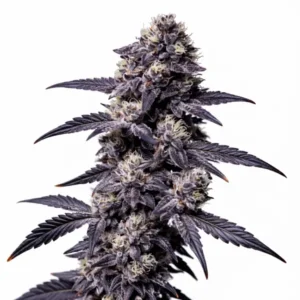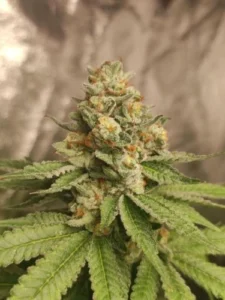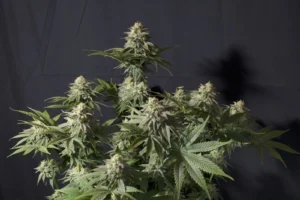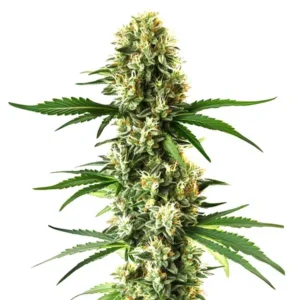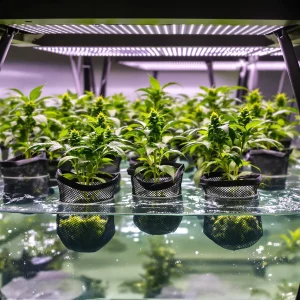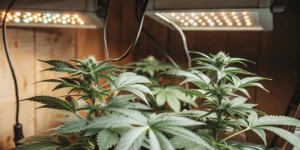
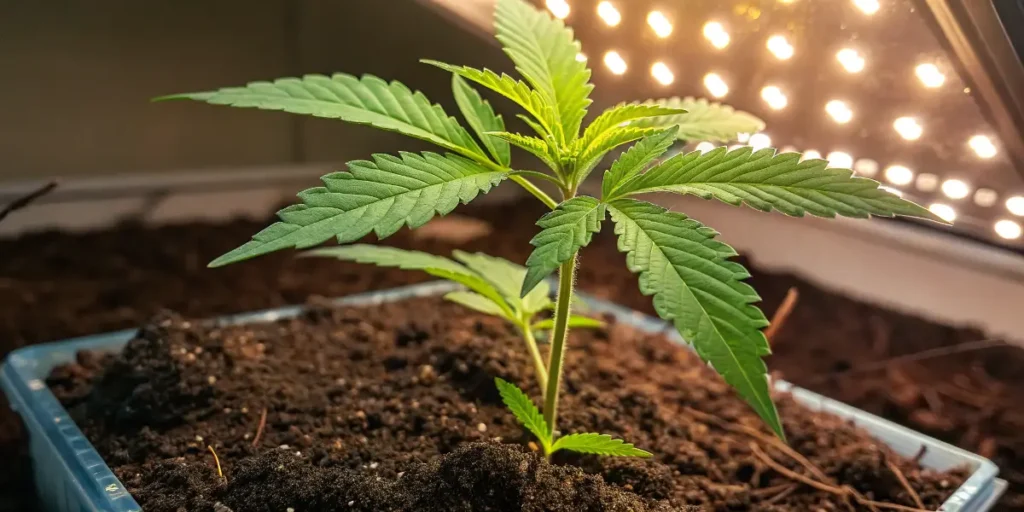

Blackberry Moonrocks offers unique challenges and rich rewards for cannabis enthusiasts. Known for its impressive terpene profile and vibrant buds, this plant thrives best in a controlled environment where temperature and humidity can be carefully monitored. Whether you’re a novice or a seasoned grower, providing the right conditions is essential to successfully cultivating this genetics.
Start by selecting a location with ample light, as this variety demands plenty of sunlight or high-quality grow lights to flourish. Ensure soil is nutrient-rich or choose an appropriate hydroponic setup to foster a conducive environment for growth. Proper airflow and ventilation are vital to prevent mold and pests, keeping the plant healthy throughout its life cycle.
Recommended Strains
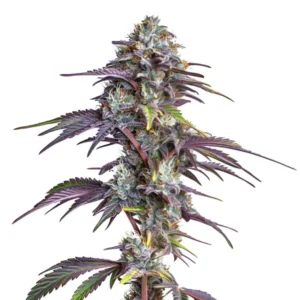
Blackberry Moonrocks

|
THC | 26% - 33% (High) |

|
Lineage | Blue Moonrock x male Blackberry Kush |

|
Type | Feminized |

|
Height | 3.94 ft | 1.2 m |

|
Yield | High |

|
Yield Indoor | 1.8 oz/ft² | 550 g/m² |

|
Yield Outdoor | 12.35 - 22.93 oz/plant | 350 - 650 g/plant |

|
Flowering Time | 8 - 10 weeks |

|
Phenotype | 80% Indica / 20% Sativa |

|
Medical | Arthritis, Depression, Fatigue, Migranes |

|
Effects | Focused, Happy, Relaxed |

|
Flavors | Berry, Blueberry |
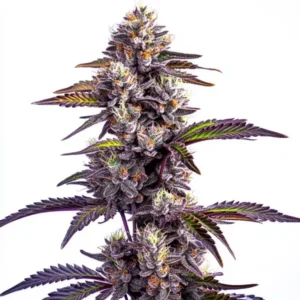
Blackberry Moonrocks Auto
|
|
THC | 26% - 33% (High) |
|
|
Lineage | Blue Moonrock x male Blackberry Kush x Ruderalis |
|
|
Type | Autoflowering |
|
|
Height | 3.94 ft | 1.2 m |
|
|
Yield | High |
|
|
Yield Indoor | 1.8 oz/ft² | 550 g/m² |
|
|
Yield Outdoor | 4.23 - 7.05 oz/plant | 120 - 200 g/plant |
|
|
Life Cycle | 8 - 10 weeks |
|
|
Phenotype | 80% Indica / 20% Sativa |
|
|
Medical | Arthritis, Depression, Fatigue |
|
|
Effects | Focused, Happy, Relaxed |
|
|
Flavors | Berry, Blueberry |
Regular pruning and topping can significantly enhance the yield of Blackberry Moonrocks, encouraging it to produce denser, more potent buds. Maintain a consistent feeding schedule, using fertilizers that support the flowering stage when the plant begins forming its distinctive blooms. This attention to detail will reward growers with aromatic and flavorful harvests.
As harvest time approaches, carefully monitor trichomes to determine the optimal moment for cutting. Proper drying and curing techniques will enhance the quality and potency of the buds, ensuring the full expression of its terpene profile. By following these practical steps, cultivators can achieve a bountiful and high-quality yield from this captivating variety.
Blackberry Moonrocks Strain Overview: Traits, Effects & Genetics
This cultivar is a unique blend within the cannabis world, cherished for its intense flavor profile and robust growth characteristics. A favorite among growers, this variety is celebrated for its rich terpene content that exudes a berry-like aroma, coupled with earthy undertones. During cultivation, the plant develops dense buds, signaling an abundant yield when expertly nurtured.
Blackberry Moonrocks is known for its potent effects, providing a balanced experience that caters to both recreational and medicinal users. The high from this variety often delivers a euphoric cerebral buzz, gradually easing the body into a state of relaxation. Such traits make the plant a popular choice for those seeking stress relief or an antidote to physical discomfort.
To optimize harvest, growers should focus on providing the right conditions that allow the buds to thrive. Ensuring adequate lighting, maintaining proper humidity levels, and implementing a consistent feeding schedule are all critical to maximizing yield. This cultivar, known for its adaptability, responds well to both soil and hydroponic cultivation methods.
Beyond its growth potential, the plant’s genetic lineage contributes to its appeal. Derived from a meticulous breeding process, this variety incorporates elements from other renowned strains, enhancing its flavor and effects. Knowing the genetics aids in fine-tuning cultivation strategies, allowing for a more personalized approach to growing cannabis.
Optimal Environment to Grow Blackberry Moonrocks Successfully
In order to maximize the yield and terpene profile of this strain, creating an ideal setting is paramount. This variety thrives in a controlled environment where temperature, humidity, and light are carefully monitored. Growers who focus on these parameters will find that cultivating this particular genetics can be a rewarding endeavor.
The plant prefers a warm climate, around 70-80°F during the day, with nighttime temperatures slightly cooler. Consistent temperatures help in optimizing growth and enhancing the bud development. Maintaining a relative humidity of 40-50% during the vegetative stage will support robust growth, while reducing it to about 30-40% in the flowering stage can prevent mold and boost the harvest quality.
Investing in a quality lighting system is essential for indoor cultivation. Full-spectrum LED lights are highly recommended as they mimic natural sunlight and support photosynthesis, enhancing the growth of healthy, potent buds. For outdoor cultivation, ensure the plant receives ample sunlight while protecting it from excessive wind or rain, which can damage delicate buds.
For those looking to enhance the rich terpene profile of Blackberry Moonrocks, consider using a stable nutrient mix tailored to cannabis. Organic fertilizers can encourage better flavor profiles and resin production. Regular monitoring and a steady feeding schedule will ensure the plant remains healthy and productive throughout its growing cycle.
Grow Room Setup for Blackberry Moonrocks Plants
Setting up a grow room for this strain requires careful consideration of various environmental factors to ensure optimal growth. This cultivar thrives in a stable environment where temperature, humidity, and light are precisely controlled. By creating ideal conditions, growers can enhance the production of high-quality buds rich in aromatic terpenes.
When cultivating Blackberry Moonrocks, lighting is of utmost importance. Full-spectrum LED lights are highly recommended as they mimic natural sunlight and promote vigorous growth. Moreover, ensuring a light schedule of 18/6 during the vegetative stage and 12/12 for flowering will support healthy development throughout the plant’s cycle.
Temperature and humidity should be continuously monitored and adjusted to suit the plant’s needs. During the vegetative phase, aim for temperatures between 70-85°F with a relative humidity of 40-70%. As the plant transitions to flowering, reduce humidity levels to about 40-50% to prevent mold and mildew on the buds, while keeping temperatures stable.
Proper airflow and ventilation are crucial to maintaining a healthy grow room. Installing oscillating fans will help circulate air and strengthen stems, while exhaust systems will remove excess heat and humidity. By maintaining an ideal grow room setup, cultivators are more likely to achieve a bountiful harvest, maximizing the yield and quality of this genetics.
Indoor Growing Tips for Blackberry Moonrocks
Growing Blackberry Moonrocks indoors offers the advantage of controlling environmental variables, crucial for attaining optimal growth and a bountiful harvest. This variety thrives in a stable climate where temperature ranges from 68°F to 80°F, with relative humidity kept around 50-60% during the vegetative stage. Adjusting these parameters will support healthy growth and increase the yield of potent buds.
This cultivar is known for its vibrant terpene profile, and cultivating it indoors helps preserve its aromatic nuances. Using quality grow lights, such as LEDs or HIDs, is essential to mimic natural sunlight and promote robust photosynthesis. Aim for 18 hours of light during the vegetative phase and switch to 12 hours for flowering, allowing the plant to develop its full potential.
For growers looking to maximize yield, employing techniques like topping or low-stress training can be beneficial. These methods encourage the plant to grow more colas, resulting in more abundant buds. Additionally, ensuring proper airflow by using oscillating fans will help regulate temperature and humidity, preventing mold and pests, which can compromise the quality of the final product.
Feeding the plant within an appropriate nutrient regime is critical for optimal cultivation. During the early stages, a higher concentration of nitrogen will support leafy growth, whereas phosphorus and potassium are more beneficial during flowering to enhance bud formation and terpene development. Regular monitoring and adjustments based on the plant’s response will aid in achieving a successful grow cycle.
Outdoor Growing Tips for Blackberry Moonrocks
When cultivating Blackberry Moonrocks outdoors, it is crucial to understand its preference for warm, temperate climates. This cultivar thrives when exposed to plentiful sunlight, making the late spring or earlier summer an ideal time for planting. This variety’s genetic profile contributes to its resilience, yet it still appreciates attention to environmental conditions to maximize the quality of buds.
Growers should invest in nutrient-rich soil to support robust growth. The plant benefits from a balanced fertilizer regimen throughout its life cycle, enhancing its terpene profile and overall yield. Consistent monitoring of pH levels is recommended to ensure optimal nutrient uptake and prevent any potential growing issues.
Practical considerations include keeping an eye on humidity levels, particularly during the flowering stage, to prevent mold issues that can affect buds. Adequate spacing between plants is vital for airflow and light penetration, which directly influences the plant’s ability to thrive and results in a more bountiful harvest.
Planning for pest control is also wise, as outdoor cultivation exposes plants to a variety of insects. Organic solutions and preventive measures, such as natural predators or neem oil, can help maintain plant health. By following these tips, growers can expect to nurture a healthy crop, resulting in a rewarding and aromatic harvest season.
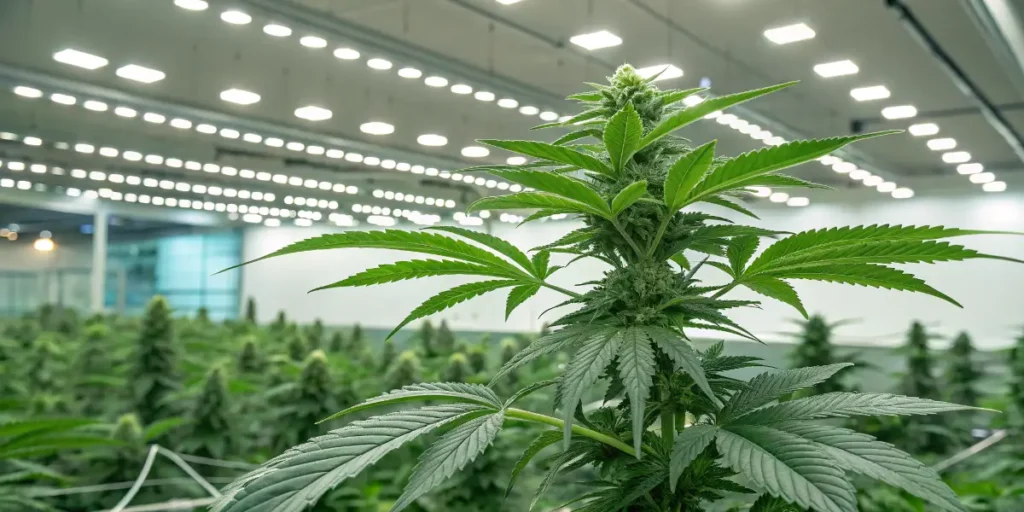
How to Germinate & Propagate Blackberry Moonrocks
When it comes to germinating this strain, patience and precision are key for successful cultivation. To begin with, obtain high-quality seeds from a reputable source. The paper towel method is a popular choice among growers; it involves placing seeds between damp paper towels and storing them in a warm, dark place. This technique helps ensure that the seeds absorb ample moisture, kickstarting the germination process.
Once the seeds have sprouted and developed small roots, they can be transplanted to a growing medium. A seedling starter mix or peat pellets are excellent choices for this phase. Ensure the medium remains consistently moist but not waterlogged to promote healthy root development. This cultivar thrives in environments that provide ample light; thus, placing the seedlings under a grow light will encourage robust growth.
Propagation of Blackberry Moonrocks is often done by cloning, allowing growers to replicate the desirable characteristics of the plant without relying solely on seeds. To clone, select a healthy mother plant with strong genetics and cut a 4-6 inch branch just below a node. Dip the cutting in rooting hormone and plant it in a suitable medium such as rockwool cubes or perlite. Ensure that clones receive adequate humidity and light for optimal rooting.
Temperature and humidity control is crucial during both germination and propagation. Maintain an ambient temperature of 70-75°F and keep humidity levels around 70%. Adequate air circulation is necessary to prevent mold growth and ensure strong, healthy buds later in the plant’s life cycle. By following these steps, growers can maximize yield and enjoy the unique terpene profile that this genetics offers.
Vegetative Stage: Nurturing Your Plants
During the vegetative stage, this strain requires careful attention to ensure healthy growth and an eventual bountiful harvest. This phase is critical for developing a strong framework as the plant prepares to produce buds filled with rich terpenes and cannabinoids. Growers should prioritize providing an optimal environment to maximize the potential of this genetics.
The plant thrives in warm temperatures ranging from 70 to 85 degrees Fahrenheit, coupled with humidity levels between 40% to 60%. Maintaining these conditions is essential for robust growth during this stage. Adequate lighting is vital, with cannabis generally requiring 18 to 24 hours of light per day to encourage vigorous development. Ensure that your grow lights are well-positioned to prevent stretching and promote bushy growth.
Feeding Blackberry Moonrocks appropriately is crucial for strong vegetative growth. A balanced nutrient regimen focusing on nitrogen will support the development of lush foliage and root systems. It’s important to monitor pH levels in both soil and water, aiming for a range of 6.0 to 7.0 to facilitate nutrient uptake effectively. Regularly check for any signs of nutrient deficiencies or pest issues, and address them promptly.
Additional care techniques like topping and training can enhance the yield potential of this cultivar. Techniques such as low-stress training (LST) or the screen of green (ScrOG) method can help optimize light exposure across the entire plant. These methods encourage a more even canopy, leading to improved airflow and light penetration, both of which are vital for maximizing harvest success.
Flowering Blackberry Moonrocks: What to Expect
When the flowering phase begins for this strain, you can expect a captivating transformation. This variety typically enters its flowering stage after about 8 to 9 weeks of growth, depending on the cultivation conditions. As the plant progresses, growers will notice buds forming at a rapid pace, developing a dense and resinous appearance, which is a hallmark of it.
During this blooming phase, Blackberry Moonrocks exhibits a rich profile of terpenes, contributing to its distinctive aroma and flavor. This enhanced terpene production not only makes the cultivation experience more rewarding but also promises a robust yield. The plant’s trichomes become more pronounced, giving the buds a frosted look that signifies its maturity and potency.
For successful cultivation, maintaining optimal conditions is key. Growers should ensure the plant receives sufficient nutrients, water, and light to support its vigorous flowering. Monitoring humidity and temperature is crucial, as excessive moisture can lead to mold on the dense buds. Employing proper air circulation within your grow space can mitigate this risk, leading to a healthier yield.
Patience during this stage is critical, as harvesting too early can diminish the potential terpene and cannabinoid richness of this cultivar. Aim to harvest when the majority of trichomes appear milky with some turning amber, indicating peak potency. With careful attention, the harvest promises to be both satisfying and abundant, rewarding growers with the exceptional qualities of this genetics.
Fertilizers & Nutrient Schedule
For optimal cultivation of this strain, knowing the right fertilization and nutrient schedule is crucial. The plant flourishes when growers provide a balanced mix of essential nutrients. During its vegetative stage, focus on nitrogen for robust growth and healthy foliage. As the plant transitions to the flowering stage, adjust the nutrient mix to increase phosphorus and potassium, boosting bud development and enhancing terpene profiles.
Generally, Blackberry Moonrocks thrives with a regimen of high-quality cannabis fertilizers, tailored to its growth phases. Organic options, such as compost teas or seaweed extracts, can promote soil health and support the plant’s vitality. Integrating these fertilizers judiciously will underpin successful harvests. Regular monitoring of pH levels and nutrient concentrations in the soil or growing medium ensures the plant can effectively absorb critical nutrients.
Practical feeding schedules can vary depending on your growing environment. Many growers follow a weekly schedule, commencing with lighter doses during early growth and gradually increasing as the plant matures. Consider flushing the growing medium with plain water every two weeks to prevent nutrient build-up, which can impair yield quality and diminish terpene production. Tailor feeding practices to the specific needs of your plant, always observing its response.
Ensuring successful growth of this variety involves attentiveness to environmental cues and adapting nutrient inputs accordingly. Observing signs such as yellowing leaves or stunted growth can indicate nutrient deficiencies or imbalances. Adjustments during the growth cycle, coupled with a mindful feeding schedule, can result in more abundant yields and a richer aromatic profile of buds at harvest.
Pest and Disease Prevention for Healthy Cannabis Plants
To ensure a bountiful harvest, protecting cannabis plants from pests and diseases is crucial. Growers can adopt several preventative measures to safeguard their crops. Blackberry Moonrocks is particularly sensitive to environmental conditions, so maintaining a clean and balanced growing area is key to preventing infestations and diseases from taking hold.
Regularly inspecting the plants for early signs of issues is a fundamental practice in cannabis cultivation. Look for discolored leaves, stunted growth, or unusual spots, which can indicate the presence of pests or disease. Introducing beneficial insects, like ladybugs, can be an organic way to control pests without adversely affecting the quality of the buds.
Practicing good hygiene is essential for keeping this variety healthy. Ensure that the growing area is clean and free from debris that could harbor pests. Tools should be sterilized before use, and hands should always be washed to prevent the transfer of pathogens. Additionally, maintaining optimal humidity and temperature levels can deter the development of mold and mildew.
For further prevention, consider using natural repellents such as neem oil or garlic spray to protect the foliage. These can help deter unwanted invaders while preserving the delicate terpene profile of the buds. Ensuring proper ventilation and spacing between plants will promote air circulation, reducing the risk of fungal diseases. By incorporating these strategies, growers can enhance the resilience of this cultivar and ensure a successful yield.
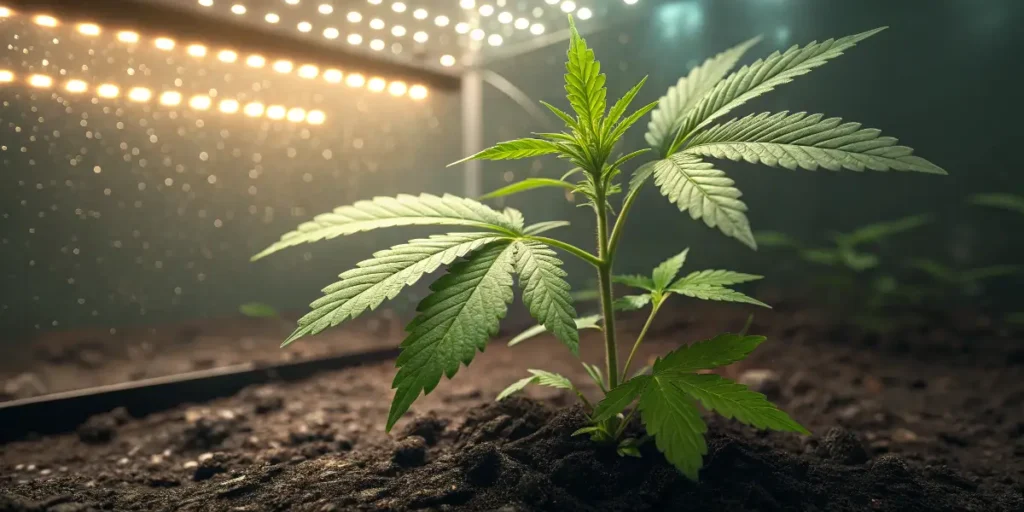
Harvesting & Drying this Cultivar the Right Way
When it comes to harvesting, timing is crucial for this variety. Growers should look for signs such as the change in color of the pistils and a cloudy appearance in the trichomes, signaling that the plant is at its peak potency. This careful observation helps ensure that the desired terpenes and cannabinoids are preserved for maximum effect.
Once harvest time is determined, gently cut the cannabis buds, avoiding any bruising or damage that could affect the quality. The correct handling of this cultivar allows for better preservation of its essential oils and terpenes, which contribute to this strain’s unique aroma and flavor profile. Always use clean, sharp shears to maintain the integrity of the buds.
After harvesting, drying is the next crucial step in the cultivation process. It is essential to hang the buds upside down in a dark, well-ventilated space with a controlled climate. Ideal conditions include a temperature of 60-70°F and humidity levels of 45-55%. This slow drying process ensures that the buds cure properly, enhancing both potency and flavor.
For an added layer of quality, consider curing the dried buds for an extended period in airtight jars. This step allows the buds to mature, balancing the moisture content and further developing the terpene profile. Opening the jars periodically to let in fresh air will prevent mold and maintain the optimal environment for storing this variety.
Blackberry Moonrocks Strain Type: Indica, Sativa or Hybrid?
The exact classification of this cultivar can guide growers in tailoring their cultivation approach. This strain is a hybrid, balancing both indica and sativa characteristics. The plant combines the best of its genetic lineage, resulting in a cannabis variety that delivers a rich and nuanced experience both for cultivators and consumers.
While cultivating this genetics, it is important to consider its growth patterns. The plant may exhibit indica-dominant traits, such as shorter stature and denser buds, making it suitable for indoor cultivation spaces. Its sativa influence can manifest in the plant’s terpene profile, producing aromatic and flavorful yields that are highly sought after by enthusiasts.
Growers focusing on maximizing yield should prioritize optimal conditions for both indica and sativa traits. Providing adequate light, well-draining soil, and a balanced nutrient regimen will support the hybrid vigor of Blackberry Moonrocks. Regular monitoring is essential to ensure the plant reaches its potential without succumbing to stress caused by environmental factors.
Knowing the hybrid nature of this cultivar can also enhance the harvesting process. The timing of the harvest will influence the terpene and cannabinoid profile heavily. Aim to find a balance that accentuates the unique flavors and effects associated with this hybrid. By appreciating its dual characteristics, cultivators can achieve a harmonious and productive cannabis growing experience.
Why Grow These Genetic? Key Benefits for Cultivators
Blackberry Moonrocks presents an excellent opportunity for cultivators due to its unique characteristics and rich terpene profile. This cultivar is renowned for producing dense, aromatic buds that are highly sought after in the cannabis market. The plant’s resilience in various environmental conditions makes it a favorite among both novice and experienced growers.
The impressive yield potential of this variety is another notable benefit. Its growth patterns allow for substantial harvests, making it an attractive option for those aiming to maximize their production. The striking appearance of the buds, with a suggestive purple hue and a mouth-watering aroma, further adds to the appeal of cultivating this strain.
To optimize growth, consider focusing on providing adequate lighting and implementing effective pruning techniques. This cultivar thrives in well-controlled environments where growers can manage temperature and humidity levels precisely. Additionally, investing in quality soil and nutrients will support the plant’s development, ensuring a rewarding harvest.
Engaging with community forums and experienced growers can offer additional insights into best practices for cultivating this genetics. By doing so, cultivators can exchange tips and troubleshoot challenges, ultimately enhancing their growing experience and success rate with this exceptional cannabis variety.
Potential Challenges When Growing Blackberry Moonrocks
When cultivating this strain, growers might encounter various challenges that can affect the final yield and quality of the buds. Like many cannabis plants, this variety requires careful attention to its environmental conditions, such as temperature and humidity, to thrive. Inconsistent levels can lead to stress, which might adversely impact the plant’s growth and potency.
Blackberry Moonrocks is known for its dense, resinous buds that are rich in terpenes, but it can be prone to mold and pest infestations. Ensuring good airflow and monitoring for signs of mold are critical in the cultivation process. Growers should be vigilant, as mold not only harms the plant health but can also compromise the final harvest quality.
One practical approach to managing these challenges is to maintain an optimal growing environment. Implementing a reliable ventilation system helps regulate humidity and temperature, thus reducing the risk of mold. Additionally, regular inspection for pests allows for early intervention, using organic treatments that prevent infestations without harming the plant.
To maximize the yield and ensure robust buds, it’s crucial for growers to provide balanced nutrients throughout the plant’s life cycle. This variety may also benefit from pruning techniques to allow light to penetrate deeper into the canopy, encouraging healthier and more productive growth. Consistent monitoring and proactive management can significantly improve the cultivation outcomes for this genetics.
Here’s What You Need to Know
When considering the purchase of this strain, potential growers and consumers should know that it is highly valued for its unique blend of flavorful terpenes and impressive resin production. Known for its potent effects, this variety has quickly gained popularity among cannabis enthusiasts who appreciate a strong, aromatic experience. However, its cultivation may require some specific considerations that beginners might find challenging.
Blackberry Moonrocks thrives in controlled environments where growers can manage factors like humidity and temperature. The buds it produces are dense and sticky, reflecting its high resin content. Growers should be prepared for a relatively moderate yield compared to other varieties, but the quality of the harvest can make the investment worthwhile. The flavors and effects associated with this plant often speak for themselves.
For those looking to maximize the yield and quality of their harvest, maintaining proper ventilation and investing in suitable soil nutrients are crucial steps. Ensuring optimal conditions can greatly enhance the plant’s terpene profile and overall growth. Interested growers may find it beneficial to consult with experienced cultivators or community forums dedicated to this genetics for specific growing tips and advice.
Ultimately, the decision to purchase this variety will depend on your cultivation skills and the priorities you have for your cannabis experience. While it may not be the easiest plant to cultivate, its unique flavor profile and robust effects could be well worth the extra effort. Whether you are a novice or an experienced grower, considering the necessary resources and environment will greatly impact your success with this plant.
FAQs: Growing Blackberry Moonrocks
What is the ideal climate for growing Blackberry Moonrocks?
Blackberry Moonrocks thrives in a controlled indoor environment where temperature and humidity can be optimized. Aim for temperatures between 70-80°F (21-27°C) with moderate humidity levels, around 40-50% during flowering. Outdoors, it prefers a warm, sunny climate and should be harvested before the first frost. Maintaining stable conditions helps enhance the terpene profile and overall yield of this cultivar.
How long does it take for Blackberry Moonrocks to flower?
Blackberry Moonrocks possesses a flowering period of approximately 8-10 weeks. Ensuring that the plant receives a consistent light cycle, such as 18/6 during vegetative stages and switching to 12/12 for flowering, can help maximize its yield. Patience during this stage is rewarded with dense buds marked by rich terpenes, reinforcing the unique aromatic profile associated with these genetics.
What are common nutrient needs for Blackberry Moonrocks?
The plant benefits from a balanced diet rich in nitrogen, phosphorus, and potassium. During the vegetative stage, emphasize nitrogen, transitioning to increased phosphorus and potassium during flowering to promote bud development. Regularly monitoring the pH of your soil or hydroponic solution (keeping it between 6.0-6.5) ensures optimal nutrient uptake, reducing the risk of deficiencies that can impact growth and yield.
What training techniques work best for Blackberry Moonrocks?
Blackberry Moonrocks responds well to techniques like Low-Stress Training (LST) and topping, which can help maximize light exposure and promote a bushier structure. Screen of Green (SCROG) methods can also be applied to increase yields by spreading the canopy evenly. Regular pruning of lower branches enhances airflow and prevents mold, ensuring healthy bud development throughout its life cycle.
What are some common issues faced when growing Blackberry Moonrocks?
Growers may encounter issues like powdery mildew due to humidity fluctuations or nutrient imbalances leading to yellowing leaves. Vigilant monitoring of environmental conditions and maintaining a clean grow space can mitigate these issues. Another challenge could be overwatering; ensuring a proper wet-dry cycle and good drainage supports healthy root development and reduces the risk of root rot.