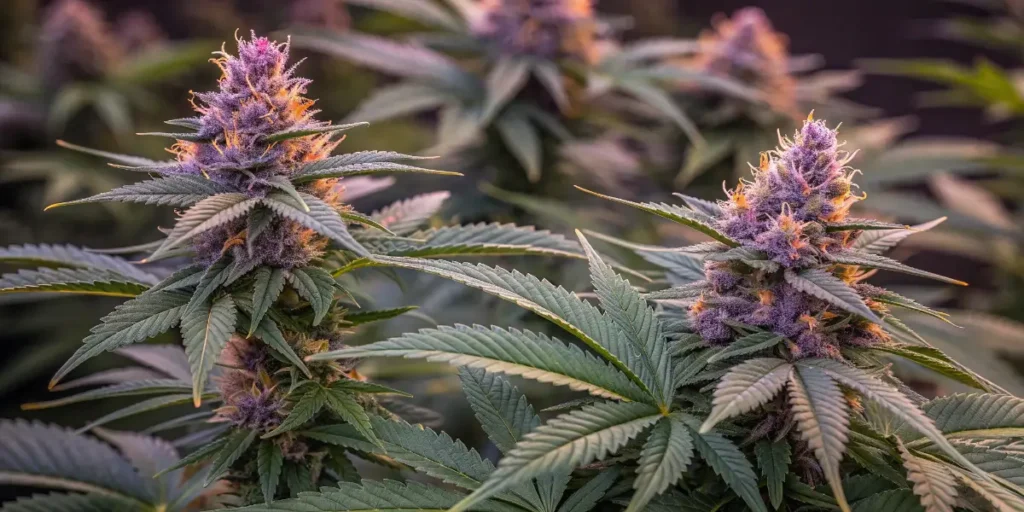

Afrodite, a remarkable cannabis strain known for its robust growth and euphoric effects, is gaining popularity among cultivators for its unique characteristics. To successfully cultivate this hybrid, which harmoniously combines the best features of its parents, it is essential to understand its specific growing requirements. This strainis favored for its ease of growth, making it suitable both for beginners venturing into cannabis cultivation and for experienced growers seeking a reliable strain. Here, we provide a detailed step-by-step guide to ensure you cultivate healthy, high-yielding this variety.
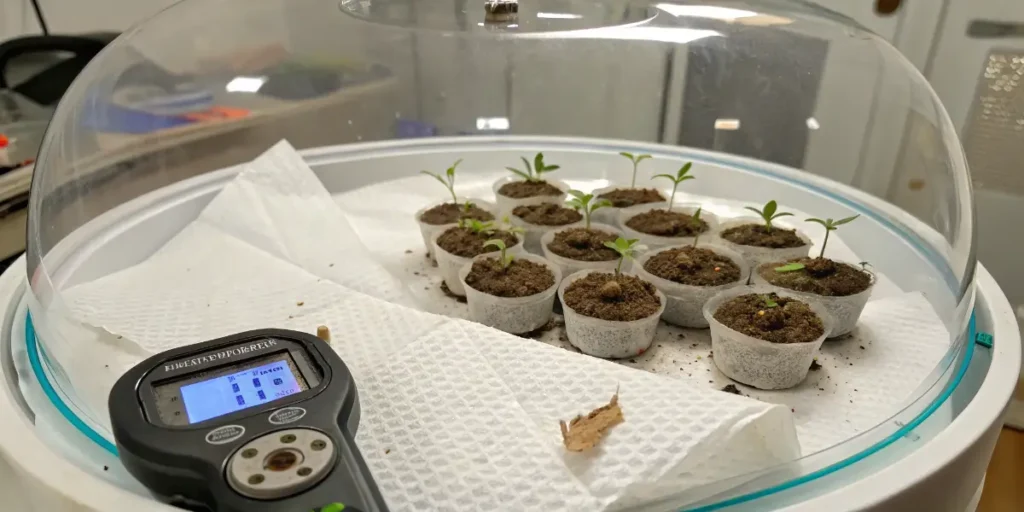
Begin the process with high-quality this strainseeds from a reputable source to guarantee genetic integrity. These seeds, when given the right conditions, will grow into robust plants. During the germination phase, it is recommended to use the paper towel method as it ensures optimal moisture levels. Place your seeds between two damp paper towels, then position them between two plates to create a dark, humid environment. Within a few days, sprouts will emerge, indicating readiness for transplantation.
Recommended Strains
Afrodite Seeds

|
THC | 22% - 23% (Medium) |

|
Lineage | Jack Herer x Black Domina |

|
Type | Feminized |

|
Height | 6.56 ft | 2 m |

|
Yield | Medium |

|
Yield Indoor | 1.31 oz/ft² | 400 g/m² |

|
Yield Outdoor | 21.16 oz/plant | 600 g/plant |

|
Flowering Time | 8 - 9 weeks |

|
Phenotype | 35% Indica / 65% Sativa |

|
Effects | Energetic |

|
Flavors | Earthy, Spicy |
Blue Berry Skittlez Auto
|
|
THC | 12% - 14% (Low) |
|
|
Lineage | Blueberry x NL#5 x Skunk Kush x Durban x Ruderalis |
|
|
Type | Autoflowering |
|
|
Height | 2.62 ft | 0.8 m |
|
|
Yield | Low |
|
|
Yield Indoor | 0.39 - 0.66 oz/ft² | 120 - 200 g/m² |
|
|
Life Cycle | 10 - 12 weeks |
|
|
Phenotype | 60% Indica / 40% Sativa |
|
|
Effects | Relaxed, Tingly |
|
|
Flavors | Berry, Citrus, Diesel, Earthy |
Once germinated, transfer the seedlings to pots filled with a quality potting mix, ensuring adequate drainage to prevent over-watering. This variety thrives in a pH-balanced soil, ideally between 6.0 and 6.5. Make sure the seedlings have access to plenty of light; if growing indoors, employ LED grow lights set on an 18/6 light/dark cycle. Adequate light exposure is crucial during the vegetative stage to encourage the lush, vigorous growth that this strain is known for.
During the flowering stage, switch your light cycle to 12/12 to encourage the production of bud sites. Hold off on heavy feeding until signs of flowering emerge. This variety responds well to phosphorus-rich fertilizers during this phase. It is also important to monitor humidity levels, ideally keeping them between 40% and 50% to mitigate mold risk, especially as the buds begin to dense up.
Regular pruning and training methods such as low-stress training (LST) can be employed to manage the plant’s structure and encourage bud development. Maintain a clean growing environment to prevent pest infestations and diseases, and inspect your plants regularly to catch any early signs of trouble. As harvest approaches, usually around 9 to 10 weeks post-germination, closely monitor trichomes for peak potency, indicating harvest time with a mix of milky and amber trichomes on the buds.
After harvesting, drying and curing your Afrodite buds is crucial for preserving their flavor and potency. Hang the buds in a dark, well-ventilated area with humidity levels maintained at around 50%. Allow the buds to dry for 7-10 days, then transfer them into glass jars for curing. Open the jars daily during the first week to release excess moisture, then gradually reduce the frequency. Proper curing enhances the strain’s aromatic qualities and ensures a smooth, palatable smoke.
Afrodite Strain Overview: Traits, Effects & Genetics
Afrodite is a cannabis strain that has been gaining popularity among both novice and seasoned growers, thanks to its exceptional traits and robust genetics. This strain is renowned for its balanced character, combining the best attributes of its parent strains. This variety is a sativa-dominant hybrid that offers an exciting blend of uplifting and energizing effects, making it an ideal choice for those seeking an invigorating experience. This strain is distinguished by its unique aroma and flavor, with sweet and citrusy notes that delight the senses.
When it comes to effects, this strain delivers a powerful cerebral high, characterized by a sense of euphoria and enhanced focus, making it suitable for creative pursuits and social interactions. As the initial energetic high settles, users often feel a gentle relaxation that washes over them without causing sedation. This balance of effects makes Afrodite a versatile option for those who require daytime relief from stress or anxiety without being weighed down. Additionally, its moderate THC levels provide a manageable potency, making it accessible to a wide range of users.
The genetics of this cultivar are a result of a careful cross between two well-known strains: Jack Herer and a Black Domina hybrid. Jack Herer is celebrated for its sativa-dominant properties and is associated with increased energy, focus, and creativity. The addition of the Black Domina hybrid brings a subtle indica influence, contributing to this variety’s well-rounded effects and unique flavor. The genetic lineage of this strain bestows it with vigor and resilience, making it a suitable choice for growers looking for a strain that offers both high yield and robust performance in various growing conditions.
Afrodite stands out as a compelling cannabis strain with a harmonious blend of traits. The invigorating effects, coupled with its exceptional flavor profile, make it a favorite among those looking for a rejuvenating experience. Its strong genetic background ensures reliable cultivation, promising rewarding yields for growers of all experience levels.
Optimal Environment to Grow Afrodite Successfully
This variety is a highly regarded cannabis strain known for its robust genetics, exceptional yield, and balanced effects. To cultivate this strain successfully, growers must create an optimal environment that maximizes its potential. This involves maintaining precise control over various environmental factors, including temperature, humidity, light, and air circulation. By knowing and implementing these conditions, cultivators can achieve a thriving this strain crop.
Temperature plays a critical role in the growth and development of this variety. Ideally, these plants should be kept in a temperature range between 70°F and 80°F (21°C – 27°C) during the day. At night, a slight decrease in temperature to between 60°F and 70°F (16°C – 21°C) is recommended to simulate their natural environment. Maintaining consistent temperatures within this range helps to prevent stress and encourages healthy metabolic processes essential for growth.
Humidity is another crucial environmental factor to consider when growing Afrodite. During the vegetative stage, a relative humidity level of 40% to 60% is optimal. As the plants transition to the flowering stage, it’s essential to gradually reduce the humidity to around 30% to 50%. This reduction helps minimize the risk of mold and mildew, which can be detrimental to cannabis plants during the flowering period.
Lighting is also of paramount importance for this strain, or any cannabis strain, to thrive. In the vegetative stage, Afrodite requires approximately 18-24 hours of light each day. High-intensity discharge (HID) lights or LED grow lights are excellent choices to provide the necessary intensity and spectrum. During the flowering stage, the light cycle should be adjusted to 12 hours of light and 12 hours of darkness to encourage bud formation.
Proper air circulation and ventilation are essential components of this variety’s optimal growing environment. Good airflow helps to strengthen plant stems, prevent pest infestations, and ensure consistent temperatures and humidity levels. Using oscillating fans and proper exhaust systems can effectively circulate air and remove excess heat and moisture. This setup helps create an environment where this strain can flourish and deliver abundant yields.
Grow Room Setup for Afrodite Plants
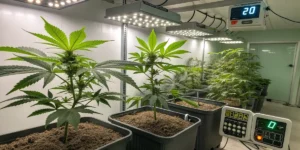
Setting up an optimal grow room for Afrodite plants is crucial to harness the full potential of this robust and aromatic cannabis strain. This variety, known for their resinous buds and strong growth characteristics, demand a carefully controlled environment to thrive. The first aspect to consider is the size of your grow space. A dedicated indoor grow room or tent with a minimum height of six feet is recommended to accommodate the plant’s potential growth. Ensure the space is easily accessible for watering, pruning, and monitoring plant health. Proper planning and layout will greatly affect your success in cultivating this strain.
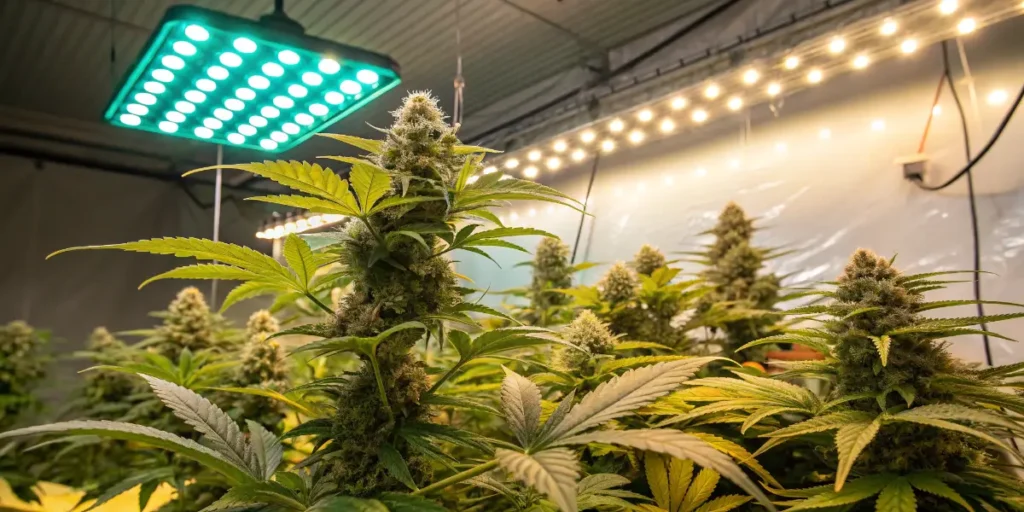
Lighting is another critical factor in cultivating healthy this cultivar. High-intensity discharge (HID) lights, including metal halide (MH) and high-pressure sodium (HPS) bulbs, are highly effective. Alternatively, modern LED grow lights are energy-efficient and offer full-spectrum lighting, catering to all growth stages from seedling to flowering. Aim for a light cycle of 18 hours on and six hours off during the vegetative stage, then switch to 12 hours of light and 12 hours of darkness for flowering. This mimics natural sunlight patterns, prompting this variety to develop lush, resinous buds.
Temperature and humidity control are essential components of the grow room setup. This strain flourish in a temperature range of 70-80°F (21-27°C) during the day and slightly cooler temperatures at night to mimic natural conditions. Humidity should be maintained at around 40-50% during the vegetative stage, reducing to 30-40% as the plants begin to flower. Utilize humidifiers, dehumidifiers, and ventilation systems to maintain these levels, ensuring adequate air circulation to prevent mold and pests.
Soil quality and nutrient management are foundational to the health and yield of Afrodite plants. Use a high-quality, well-draining potting mix rich in organic matter. Implement a feeding schedule with balanced nutrients, high in nitrogen during vegetative growth and increased phosphorus and potassium during flowering. Regular pH testing of the soil and water will ensure your plants are able to effectively absorb nutrients. By adhering to these guidelines, you will create an ideal environment for cultivating robust this variety with high yields and potent effects.
Indoor Growing Tips for Afrodite
Afrodite is a popular cannabis strain known for its robust growth and delightful balance of Sativa and Indica effects. When cultivating Afrodite indoors, it’s essential to create an environment that mimics its natural conditions. Start by setting up your grow room with the right equipment, such as high-quality LED lights, which provide the full spectrum needed for optimal growth. Maintain a consistent light cycle, ideally 18 hours of light followed by 6 hours of darkness during the vegetative stage, to ensure this strain receives the energy it requires to thrive.
Temperature and humidity control are vital aspects of indoor growing, particularly for a strain like this strain that flourishes in specific conditions. Keep the temperature between 70-85°F (21-29°C) during the day and slightly cooler at night to simulate its natural environment. Additionally, maintaining a humidity level around 40-50% during the vegetative phase helps prevent mold and pests. As this variety transitions to the flowering stage, gradually lower the humidity to around 30-40%, which enhances resin production and overall bud quality.
Soil choice and nutrient management play a critical role in the successful indoor growth of this cultivar. Use a well-draining soil mixed with perlite to promote root health and oxygen flow. Throughout its growth cycle, this variety benefits from a balanced nutrient regimen. During the vegetative stage, focus on higher nitrogen levels to support leafy growth, while during flowering, switch to a formula that boosts phosphorus and potassium, thereby encouraging robust bud development and resin production.
Regular training techniques like topping and Low-Stress Training (LST) are beneficial for this strain. These methods maximize light exposure to the lower branches, leading to an even canopy and better yields. Regular monitoring and adjusting of pH levels, keeping them between 6.0 and 6.5, help this cultivar absorb all the necessary nutrients efficiently, ultimately resulting in a thriving plant with abundant, high-quality buds.
Outdoor Growing Tips for Afrodite
Growing this cultivar outdoors can be a rewarding experience thanks to its robust genetic lineage and adaptability. To begin with, selecting the right location is crucial. This strainthrives in a warm, sunny climate with plenty of natural light. Ideally, choose a spot that gets at least 6 to 8 hours of direct sunlight daily. This ensures the plant receives sufficient energy for optimal growth and bud formation. Additionally, make sure the location is sheltered from strong winds, which can stress the plants and damage their structure.
When it comes to soil,this variety flourishes in rich, well-draining soil that is abundant in organic matter. Preparing the soil with compost or well-rotted manure will provide necessary nutrients and promote healthy root development. Maintaining a slightly acidic to neutral pH (around 6.0 to 7.0) will further enhance nutrient uptake. Regularly check and adjust the soil pH to prevent any deficiencies that could impair growth. Consider using natural mulches like straw or wood chips to help retain soil moisture and suppress unwanted weeds.
Watering is another critical aspect of successfully growing Afrodite outdoors. While the plant requires regular watering, overwatering should be avoided as it can lead to root rot. Allow the topsoil to dry out slightly between waterings to promote strong root growth. During dry spells or heatwaves, increase the frequency and amount of water to prevent wilting. Employing drip irrigation systems can be an efficient way to ensure consistent moisture levels without the risk of overwatering.
Pest and disease control is an important consideration when cultivating Afrodite outdoors. Due to its resinous buds, outdoor growers should be vigilant in scouting for pests such as spider mites, aphids, and caterpillars. Implementing integrated pest management strategies like introducing beneficial insects or using organic sprays can effectively keep infestations at bay. Regularly inspect plants and remove any affected leaves or stems to prevent diseases from spreading.
Topping and training techniques can enhance this variety’s yield and structure in an outdoor setup. Employing methods such as topping, low-stress training (LST), and the use of support systems ensures even light distribution and robust growth. These practices encourage bushier plants with multiple flowering sites, ultimately boosting the overall yield. Being proactive and attentive to your this strain’s needs will result in a bountiful harvest of high-quality buds that are a testament to your outdoor growing efforts.
How to Germinate & Propagate
Germinating and propagating Afrodite, a renowned cannabis strain known for its robust growth and aromatic profile, requires attention to detail and a nurturing touch. Germination is the first and fundamental step in the lifecycle, setting the foundation for a healthy plant. Begin with high-quality seeds from a reputable source. The success of your germination process largely depends on the quality and condition of the seeds. Look for seeds that are dark brown to black, indicating maturity, and hard to the touch, which suggests viability.
One popular method for germinating this variety seeds is the paper towel technique. This easy-to-follow process involves placing seeds between two moist paper towels. Ensure the towels are damp but not overly wet to provide the appropriate moisture level necessary for sprouting. Place these towels on a plate and cover them with another plate to create a dark, humid environment. Store in a warm area, ideally between 70-85°F (21-29°C), as warmth is crucial to activating the growth hormones within the seeds.
Regularly check the seeds to ensure consistent moisture and to monitor germination progress. Within 3 to 10 days, you should notice the emergence of tiny roots, signifying successful germination. Once the roots are approximately half an inch long, carefully transplant them into a growing medium such as soil or a hydroponic system. Use tweezers to handle the seeds gently to avoid damaging the delicate root structures. At this stage, proper lighting and steady temperature control are vital for continued growth.
Propagation of Afrodite, following initial germination, follows similar cultivation principles as other cannabis strains. For those interested in cloning this strain, select the healthiest and most vigorous plants as mother plants. Take cuttings from the mother plant, ideally from the lower branches, which can encourage fuller growth. Ensure tools are sterilized to prevent the entry of diseases. Place the cuttings in a growth medium tailored for clones, like rock wool or a cloning gel, and maintain high humidity and moderate light conditions to stimulate root development.
By maintain meticulous care throughout germination and propagation processes, you can ensure the successful cultivation of this variety. Paying close attention to factors such as temperature, humidity, and light exposure ensures optimal growth conditions. Whether starting from seed or cloning, precision in these early stages is key to cultivating a bountiful and aromatic Afrodite harvest that growers can enjoy fully.
Vegetative Stage
The vegetative stage is a crucial period in the life cycle of Afrodite cannabis plants, setting the foundation for a strong and healthy plant capable of producing a high yield. During this stage, the primary focus should be on providing optimal conditions that promote robust growth. Begin by ensuring that your this variety plants are receiving abundant light, as they require at least 18 hours of light per day to thrive. Utilizing either high-quality LED lights or sunlight in a well-positioned growing area can make a significant difference in plant health. Adequate light intensity is essential to facilitate photosynthesis, which allows your plants to convert light energy into the food necessary for their growth.
Besides light, ensuring the right temperature and humidity levels is key to nurturing your this variety plants during the vegetative stage. Aim for temperatures ranging from 70 to 85 degrees Fahrenheit (21 to 29 degrees Celsius) during the day and slightly cooler at night. Maintaining relative humidity between 40% and 70% is ideal. These conditions will help prevent stress and promote vigorous growth. Furthermore, consider using fans for air circulation to strengthen the stems by mimicking natural outdoor conditions, which act as resistance training for the plant structures.
Nutrition and watering also play a pivotal role during the vegetative stage. This strain require a well-balanced nutrient regimen rich in nitrogen, as it is vital for developing lush foliage. Choose a high-quality cannabis-specific fertilizer and follow the recommended feeding schedule, being careful not to over-fertilize. Overwatering is a common mistake that can lead to root rot and other issues. Instead, maintain a consistent watering schedule and allow the top inch of soil to dry out between watering sessions. This balance supports healthy root systems and encourages the plant to establish a strong, supportive structure.
Consider implementing some training techniques such as Low-Stress Training (LST) or topping, to manage the canopy and improve light penetration. This not only maximizes your grow space but also increases the potential yield by encouraging a bushier plant with multiple colas. By closely monitoring your plants and adjusting their environment as needed, you’ll be well on your way to cultivating a bountiful harvest. A proactive approach during the vegetative stage sets the stage for successful flowering and ultimately, a rewarding cannabis cultivation experience with your Afrodite plants.
Flowering Afrodite: What to Expect
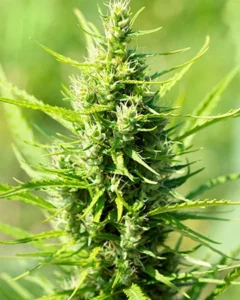
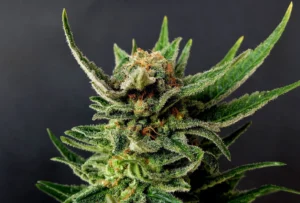
Afrodite is a renowned cannabis strain celebrated for its exceptional flowering traits and robust yields. This hybrid strain, which leans slightly towards the sativa spectrum, showcases a remarkable mix of resilience and vigor during its flowering phase, spanning roughly 8 to 9 weeks. Growers can expect the plants to reach a medium height, which makes this variety suitable for both indoor and outdoor cultivation. Its flowering phase is where this strain truly shines, producing dense buds laden with resin that are a testament to its vigorous growth and hybrid genetics.
During the flowering phase, anticipate a notable transformation in Afrodite’s aroma profile. Initial hints of floral and spicy scents gradually develop into a more pronounced citrus and earthy fragrance. These aromatic changes are indicative of the plant reaching its maturity, providing growers with sensory cues that harvest time is approaching. As the weeks progress, the buds will become more resinous, especially in optimal growing conditions with controlled temperature and humidity levels. This resin production not only enhances the plant’s aromatic profile but also suggests a heightened potency of the finished product.
One of the key aspects of flowering this variety is monitoring its nutrient uptake. It’s essential to shift the nutrient focus to phosphorus and potassium during this stage to support bud development and potency. Excessive nitrogen should be avoided as it can hinder flower growth. Regular observation for signs of nutrient burn or deficiencies is crucial to maintaining plant health. Growers should also be vigilant against common pests and mold, particularly in the later flowering stages, to ensure a bountiful harvest.
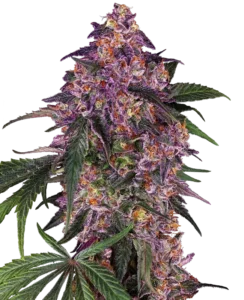
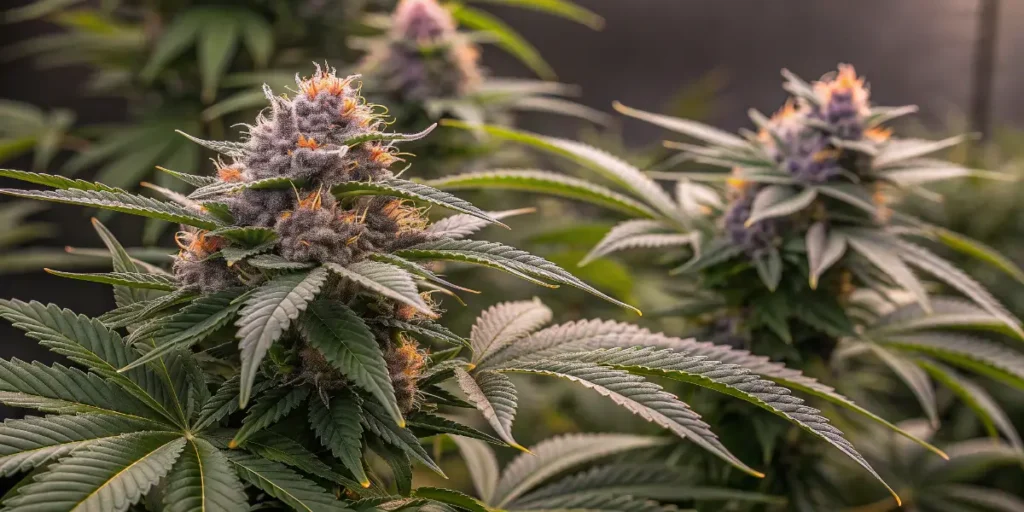
Moreover, Afrodite’s flowering stage is characterized by aesthetic appeal. The plants exhibit vibrant green foliage accented with hues of purple and orange pistils, which make the buds strikingly beautiful. These visual transformations, coupled with the strain’s robust terpene profile, make this variety a favorite among enthusiasts who appreciate both the visual and sensory rewards of cannabis cultivation. By the end of the flowering phase, growers can expect a rewarding yield rich in aromatic and potent flowers ready for harvest.
Feeding Afrodite: Fertilizers & Nutrient Schedule
Afrodite, a hybrid renowned for its resilience and quality yield, necessitates a precise approach to fertilization to thrive. This strain benefits from a balanced nutrient regimen that promotes vigorous growth and robust flowering. Initially, during the seedling stage, this variety requires a gentle start to nutrients. Opt for a mild solution, such as 1/4 strength of a complete start-up fertilizer, which should provide adequate nitrogen, phosphorus, and potassium (N-P-K), as well as essential micronutrients to establish a strong root system.
As this cultivar transitions into the vegetative stage, it demands higher nitrogen levels to support its leafy growth. Utilize a nutrient solution with a higher nitrogen content, such as a 3-1-1 N-P-K ratio, ensuring that the plant can efficiently produce chlorophyll and enhance its energy production. Be vigilant about maintaining the pH level of the soil or nutrient solution between 6.0 and 7.0, as this variety can be sensitive to nutrient lockout if the pH deviates from this range.
During the flowering stage, this strain shifts its nutrient needs significantly, requiring less nitrogen and increased levels of phosphorus and potassium to encourage bud development and resin production. Implement a fertilizer with a 1-3-2 N-P-K ratio, gradually decreasing the nitrogen input and elevating the phosphorus and potassium as the flowering progresses. This change is crucial for optimising flower density and terpene synthesis, which are vital for Afrodite’s aromatic profile and potency.
Throughout the growth cycle, it is essential to monitor this strain for any signs of nutrient deficiencies or excesses, such as yellowing leaves or nutrient burn. Regular flushing of the growing medium with pH-balanced water helps to prevent salt build-up and ensures nutrient uptake remains optimal. By adhering to a carefully adjusted feeding schedule, growers can maximize the yield potential and enhance the overall quality of this cultivar’s harvest.
Pest and Disease Prevention for Healthy Cannabis Plants
Growing Afrodite cannabis, renowned for its robust resilience and distinct aromatic profile, involves maintaining an environment that minimizes pest and disease risks. Implementing preventive measures is essential for ensuring healthy plant growth and optimizing yield. One of the primary steps in pest and disease prevention is maintaining a clean and sanitary grow area. Regularly disinfecting equipment and surfaces can greatly reduce the chances of introducing harmful pathogens or pests to your cannabis plants.
Adopting an integrated pest management (IPM) approach can further enhance your pest prevention strategy. IPM incorporates a holistic view, combining cultural, biological, and physical methods to minimize pest populations. Introduce beneficial insects, such as ladybugs and predatory mites, which naturally control pest populations. These natural allies work as an effective defense against common cannabis pests like aphids and spider mites. Additionally, monitoring and identifying pest threats early can help in deploying targeted interventions that are less harmful to the plant and environment.
In terms of disease prevention, humidity and temperature control play crucial roles. Excessive humidity can lead to mold and mildew growth, which can devastate this strain. Maintaining optimal humidity levels, especially during the flowering stage, is vital. Employing dehumidifiers or adequate ventilation can help achieve this balance. Furthermore, ensuring adequate space between plants can promote airflow and prevent the development of a microclimate conducive to disease.
Plant nutrition is paramount in building resilience against pests and diseases. Providing your this variety cannabis plants with a balanced diet of nitrogen, phosphorus, potassium, and micronutrients enhances their ability to withstand and recover from stressors. An adequately fed plant develops stronger cell walls and immune responses, reducing susceptibility to both pests and diseases. Regularly inspecting plants, knowing their nutritional needs, and making timely nutrient adjustments can maintain their vigor and health throughout the growth cycle.
Harvesting & Drying
Successful cultivation of Afrodite requires careful attention to the harvesting and drying processes, which significantly impact the final quality of the cannabis. This strain is known for its potent effects and unique aroma, making it crucial to harvest at the optimal time. Generally, the ideal time to harvest this variety is when the trichomes on the buds have transitioned from cloudy white to a milky amber color. This transformation indicates the highest concentration of THC, ensuring maximum potency and flavor. Using a magnifying glass or a jeweler’s loupe can help closely examine the trichomes to determine the right moment to begin harvesting.
Once you have decided that it’s time to harvest, proceed by carefully cutting the branches of the Afrodite plant. It’s essential to handle the buds gently to avoid damaging the precious trichomes. After cutting, remove any large fan leaves, as these leaves can prolong the drying time and are not necessary for the final product. However, keep the sugar leaves intact as they contain valuable cannabinoids. After trimming, bunch the branches together, ensuring good airflow between them, and hang them upside down in a dark, cool room with a temperature between 60-70°F (15-21°C) and humidity of around 50%. This environment helps preserve the terpene profile while allowing the plant to dry evenly.
The drying process is crucial in preventing mold and ensuring the cannabis retains its quality and aroma. Generally, this variety requires about 7-10 days to dry fully, but the exact time may vary based on climate conditions and plant size. The stems should snap easily rather than bend when the buds are sufficiently dry. It is critical not to rush this process, as proper drying directly influences the smoothness and flavor of the final product. After drying, the buds should be cured in airtight glass jars to maintain their freshness and flavor. Open the jars periodically to allow excess moisture to escape during the initial weeks of curing, then store them in a cool, dark place to allow the flavor of this strain to ripen to perfection. Through these attentive steps, growers can ensure their of this cultivar harvest. harvest delivers its signature potent, flavorful experience.
Afrodite Strain Type: Indica, Sativa or Hybrid?
The Afrodite cannabis strain is a remarkable hybrid that skillfully blends the attributes of both indica and sativa plants. As a hybrid, this variety offers the best of both worlds, striking a balance that caters to various preferences for effects and growth characteristics. This strain is the result of crossing two potent lineages: a sativa-dominant Jack Herer and a stable indica from the Black Domina family. By combining these diverse genetics, this strain delivers a unique profile that appeals to a wide array of cannabis enthusiasts, from recreational users seeking an engaging high to cultivators interested in a manageable growth process.
Afrodite’s sativa heritage from Jack Herer is prominent in its uplifting effects. Users often report a surge in creativity, euphoria, and energy when consuming this strain, making it an excellent choice for daytime use or when a boost in motivation is needed. This sativa influence not only impacts the cerebral effects but also contributes to the plant’s growth structure, resulting in taller plants with elongated colas. As such, growers should anticipate a plant that stretches during the flowering stage, potentially requiring height management strategies such as topping or training to maximize space within indoor setups.
On the other hand, the indica influence from the Black Domina lineage tempers the intensity of the sativa elements, providing a soothing body relaxation that balances the experience. This genetic background also imbues this strain with robust resilience, making it suitable for novice growers. The indica traits ensure a shorter flowering period, often around 8 to 9 weeks, which is advantageous for those seeking quicker harvests. Furthermore, its dense bud structure and substantial resin production are indicative of this variety’s indica roots, contributing to its appeal among those who prioritize yield and potency.
This cultivarstands out as a hybrid that encapsulates the essence of both indica and sativa characteristics. Its genetic lineage offers an intriguing combination of sativa-induced cerebral excitement with the calming, physically relaxing qualities of indica. This balanced profile makes this variety a versatile strain, perfect for users looking to enhance both social and introspective activities, while offering growers a reliable and rewarding plant. Cultivators and consumers alike appreciate Afrodite for its harmonious blend, exceptional effects, and the enriching experience it provides.
Why Grow Afrodite? Key Benefits for Cultivators
This variety is a remarkable cannabis strain that has gained popularity among cultivators for its exceptional qualities and benefits. One of the primary reasons to grow Afrodite is its robust growth profile. This strain is known for its resilience and ability to adapt to various growing conditions, making it an excellent choice for both novice and experienced growers. Its genetic makeup contributes to this strength, ensuring that even those with limited cultivation experience can achieve a successful harvest. The simplicity with which this strain can be cultivated allows cultivators to focus on optimizing other aspects of their growth environment, such as lighting and nutrient management.
Another significant advantage of growing Afrodite is its high yield potential. This strain has been engineered to produce bountiful harvests, providing cultivators with an impressive return on investment. The large, resinous buds are not only visually appealing but are also packed with potent cannabinoids that contribute to its desirable effects. The generous yield offered by this variety means that growers can maximize their harvest and improve their overall efficiency. This characteristic is particularly appealing for commercial growers looking to meet the demands of a competitive market while maintaining quality and potency.
This cultivar is celebrated for its unique terpene profile and the exceptional quality of its bud. The strain delivers a balanced aroma and flavor, often characterized by sweet and floral notes, which appeal to a wide range of consumers. The pleasing sensory experience, combined with a well-rounded effect profile that provides both relaxation and euphoria, makes this strain a popular choice among users. By growing this variety, cultivators can offer a product that stands out in the marketplace, ensuring customer satisfaction and fostering brand loyalty.
Potential Challenges When Growing Afrodite
Growing Afrodite cannabis can be a rewarding experience, but cultivators should be aware of several potential challenges. One primary issue is maintaining an optimal environment, specifically controlling temperature and humidity. This variety plants require a warm climate with temperatures between 70 and 85 degrees Fahrenheit during the day and slightly cooler at night. Additionally, they prefer a relative humidity of around 40-50%. These conditions can be difficult to maintain, especially in areas with fluctuating weather, requiring growers to use environmental control systems such as fans, heaters, or humidifiers.
A further challenge associated with this strain cultivation is nutrient management. These plants need a balanced diet of macro and micronutrients, particularly nitrogen (N), phosphorus (P), and potassium (K). Overfeeding or underfeeding can lead to nutrient burn or deficiencies, both of which can severely affect plant health and yield. Growers must carefully monitor the nutrient schedule and watch for signs of stress or imbalance, such as yellowing leaves or stunted growth. Using high-quality soil and amendments can help mitigate this risk.
Pest and disease prevention is another critical aspect that growers must manage effectively. Afrodite plants can be susceptible to common cannabis pests such as spider mites, aphids, and molds like powdery mildew. Implementing an integrated pest management strategy, which includes regular plant inspections and the use of organic pest control solutions, can help prevent infestations. Additionally, maintaining proper airflow around the plants can help minimize the risk of mold growth, ensuring the plants remain healthy throughout the growing cycle.
This variety is a photoperiod strain, meaning its flowering is triggered by changes in light cycles. Growers need to carefully manage the light schedule, typically ensuring 12 hours of light and 12 hours of darkness to induce flowering. Any disruptions or inconsistencies in this cycle might delay flowering or reduce yield. Indoor growers should consider investing in timers and blackout shades to maintain precise control over lighting conditions.
Despite these challenges, with careful attention to environmental conditions, nutrient management, and pest control, growers can successfully cultivate robust Afrodite plants that deliver high-quality yields. Learning to anticipate and address these challenges will improve not only the health of the plants but also the overall quality of the harvest.
Here’s What You Need to Know
Afrodite is an enticing cannabis strain that has been gaining attention among cultivators and enthusiasts alike. Developed by crossbreeding Black Domina with Jack Herer, it promises a unique experience due to its balanced genetics. This hybrid boasts an interesting blend of indica and sativa characteristics, making it a versatile option for growers interested in experimenting with different effects and growing conditions. The allure of this variety largely comes from its distinctive aroma and well-rounded high, which might make it worth considering for your next growing project.
One of the primary reasons you might consider purchasing this strain seeds is their relatively easy cultivation process. This strain is known for its resilience, making it an excellent choice for both novice and experienced growers. It tends to exhibit strong growth, with good resistance to common pests and diseases, which reduces the maintenance and attention required. This cultivar can be grown both indoors and outdoors, often reaching harvest in just about 8 to 10 weeks. This quick turnaround time is particularly appealing for those looking to achieve multiple harvests in a single year.
Apart from its ease of cultivation, Afrodite is prized for its high yield potential. When grown under optimal conditions, it can provide a bountiful harvest of dense, resinous buds that are visually appealing and aromatic. The strain offers a sweet yet spicy flavor profile, with undertones of earthiness and citrus. Its effects are similarly balanced; users report a euphoric yet calming high, which makes it suitable for both daytime and nighttime use. This versatility increases its appeal both as a recreational choice and a potential therapeutic option.
Moreover, Afrodite has gained popularity for its adaptability to a variety of growing techniques, including soil, hydroponics, and even the increasingly popular Sea of Green (SOG) method. This adaptability further enhances the strain’s value, allowing growers to customize their approach according to their space constraints and personal preferences. In terms of market availability, this variety is relatively accessible, providing a range of options in terms of seed types, including feminized and autoflowering varieties. This availability makes it easy to incorporate into diverse growing setups.
Ultimately, whether this strain is worth buying depends on your specific needs and growing goals. If you value a balanced hybrid with good yield potential, resilience, and adaptability, this cultivar is indeed an excellent candidate. Its combination of ease of growth, enticing flavor, and versatile effects make it a favorite among many cultivators and consumers alike. However, as with any strain, it’s always wise to start with a small batch to ensure it aligns with your expectations and fits well within your particular cultivation environment.
FAQs
How long does it take to grow Afrodite from seed to harvest?
Afrodite typically takes around 8 to 10 weeks to flower, depending on environmental conditions and cultivation techniques. From seed to harvest, the full growth cycle usually lasts about 16 weeks. Indoor growers often achieve faster and more controlled results, while outdoor cultivation may vary with temperature and sunlight exposure.
What are the best growing conditions for Afrodite plants?
Afrodite thrives in warm, stable temperatures between 70–80°F (21–27°C) and prefers a humidity range of 40–50%. It grows best in well-draining, nutrient-rich soil with a pH level of 6.0–6.5. Whether indoors or outdoors, ensuring proper airflow and consistent light exposure is essential for achieving strong growth and resinous buds.
Is Afrodite an easy strain to cultivate for beginners?
Yes, Afrodite is known for being beginner-friendly, thanks to its resilient genetics and adaptability. This hybrid responds well to training methods like Low-Stress Training (LST) and topping, which help maximize yields. Its natural resistance to pests and mold also makes Afrodite a reliable choice for novice cultivators.
What kind of effects can you expect from Afrodite cannabis?
Afrodite offers a balanced hybrid experience, combining the energizing effects of Jack Herer with the relaxing qualities of Black Domina. Users often report euphoria, focus, and mild body relaxation, making it ideal for daytime use. Its sweet, citrusy aroma enhances the experience, appealing to both recreational and medicinal consumers.
How can you maximize yield when growing Afrodite?
To increase yield, provide Afrodite with consistent lighting, a nutrient-rich feeding schedule, and proper pruning techniques. Use phosphorus- and potassium-rich fertilizers during the flowering stage, and maintain a steady light cycle of 12/12 hours to promote dense, resin-covered buds. Regular monitoring of pH and humidity levels helps ensure optimal results.