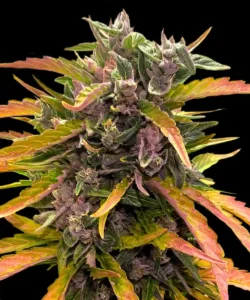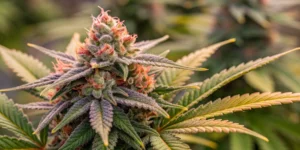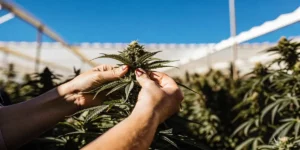

AK, known for its robust genetic lineage and balanced effects, is a popular strain among cannabis cultivators. Due to its notable characteristics, it is essential to understand the specific requirements for growing this strain to ensure a healthy yield. This guide will provide a detailed step-by-step approach to cultivating this strain , whether you are growing indoors or outdoors.
To begin, consider the setup for your AK plants. If growing indoors, ensure that your grow space is adequately equipped with proper lighting, ventilation, and temperature controls. This strain typically thrives in a temperature range of 68-80°F with a relative humidity of around 40-50% during the vegetative stage. Setting up a dedicated growing area with adjustable lights will help you closely monitor and control the environment, thus providing optimal conditions for your plants.
Recommended Strains
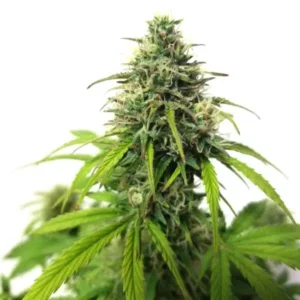
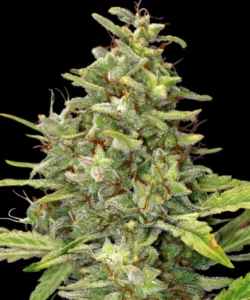
Ak Autoflower

|
THC | 16% - 18% (Medium) |

|
Lineage | Lowryder x AK - 47 |

|
Type | Autoflowering |

|
Height | 4.92 ft | 1.5 m |

|
Yield | Medium |

|
Yield Indoor | 1.15 - 1.47 oz/ft² | 350 - 450 g/m² |

|
Yield Outdoor | 21.16 - 24.69 oz/plant | 600 - 700 g/plant |

|
Life Cycle | 8 - 10 weeks |

|
Phenotype | 35% Indica / 65% Sativa |

|
Medical | Arthritis, Insomnia, Pain |

|
Effects | Creative, Focused, Hungry |

|
Flavors | Citrus, Mango, Spicy |
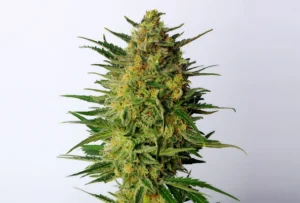
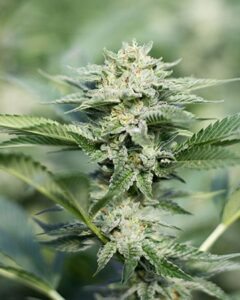
Super AK
|
|
THC | 16% - 17% (Medium) |
|
|
Lineage | Californian Sativa x AK47 x Afghan |
|
|
Type | Feminized |
|
|
Height | 3.61 ft | 1.1 m |
|
|
Yield | High |
|
|
Yield Indoor | 1.8 oz/ft² | 550 g/m² |
|
|
Yield Outdoor | 28.22 oz/plant | 800 g/plant |
|
|
Flowering Time | 8 - 9 weeks |
|
|
Phenotype | 45% Indica / 55% Sativa |
|
|
Effects | Energetic |
|
|
Flavors | Spicy, Earthy |
Once your setup is complete, focus on the cultivation medium. This strain can be grown in soil or hydroponically, but organic soil rich in nutrients is often recommended for maximizing the strain’s potent flavors and aromas. Ensure that the soil is well-draining and amended with components like perlite or vermiculite to maintain adequate aeration and moisture retention. Monitoring the pH level is crucial, with a range of 6.0 to 7.0 being ideal for soil-based growing.
Maintaining a regular watering schedule is critical for AK’s growth. Overwatering can lead to root problems and hinder overall plant health. Water your AK plants only when the top inch of the soil feels dry to the touch. Additionally, apply nutrient solutions sparingly during the vegetative phase to promote robust leaf and stem development, gradually increasing them as your plants transition to the flowering stage.
This strain typically has a flowering period of around 8-9 weeks. As your plants enter this stage, gradually reduce humidity levels to around 35-40% to prevent mold and pests. Keep a close eye on the plant’s trichomes, as they are a reliable indicator of peak harvest time. A blend of milky white and amber trichomes often signifies the ideal period for harvesting.
Post-harvest processing is essential for optimizing the quality of your AK buds. Properly trimming, drying, and curing your flowers will enhance their flavor, aroma, and overall potency. Store your cured buds in airtight containers placed in a cool, dark environment to preserve their characteristics over time. By following these steps, your AK plants will be well on their way to delivering a rewarding and enjoyable yield.
AK Strain Overview: Traits, Effects & Genetics
This strain, often recognized by its full name, AK-47, is a highly acclaimed cannabis variety celebrated for its potent effects and robust growing traits. This strain is a Sativa-dominant hybrid that traces its lineage back to a renowned blend of Afghani, Thai, Colombian, and Mexican genetics. Known for its resilience and high yield, it has become a favorite among both experienced growers and users seeking a powerful cannabis experience. The AK strain’s distinct, spicy aroma combined with its energizing properties leaves a lasting impression on all who encounter it.
In terms of effects, this strain is renowned for delivering an exceptional balance of mind and body effects. Users commonly report a quick onset of a cerebral high that promotes creativity and focus, making it a suitable choice for day-time use or artistic endeavors. As the initial euphoria settles, a calm and relaxing body buzz follows, enveloping users in a state of well-being without inducing couch-lock. This balanced high is also accompanied by therapeutic benefits, often relieving stress, anxiety, and pain, making it a versatile option for both recreational and medicinal use.
Genetically, AK is a complex multiracial hybrid, and this complexity presents itself in its growing characteristics. It is well-suited for indoor and outdoor cultivation, thriving best in a controlled environment to maximize yield. This strain is typically robust, with dense, resinous buds that appear after a flowering period of around 8-9 weeks. Despite its somewhat demanding needs, intermediate growers are often rewarded with high yields of buds rich in THC content, typically ranging between 15-20%. Whether for personal use or commercial cultivation, the AK strain remains a top contender in the cannabis world due to its impressive profile of traits and effects.
Optimal Environment to Grow AK Successfully
Growing AK cannabis successfully starts with setting up the ideal environment, which plays a crucial role in developing its potent effects and signature aroma. AK strains, like AK-47, are known for their high yields and strong, euphoric effect. To maximize its potential, the environmental conditions must be closely monitored and maintained. This particular strain thrives in both indoor and outdoor settings depending on your geographical location, though many opt for indoor cultivation for better control over climate variables.
Temperature is a critical factor for AK’s robust growth. During the vegetative stage, temperatures should ideally range from 70°F to 85°F (21°C to 29°C). As the plant transitions to flowering, temperatures should be lowered slightly to between 65°F and 80°F (18°C to 26°C) to mimic its natural habitat and stress the plant slightly to enhance cannabinoid production. Maintaining consistent temperatures within these ranges ensures optimal metabolic processes and reduces the risks of pests and diseases.
Alongside temperature, humidity levels must be managed carefully. Throughout the vegetative phase, AK strains prefer humidity levels around 60% to 70%, as higher humidity supports lush vegetative growth. However, as the plant enters the flowering stage, reducing humidity to 40% to 50% is essential to prevent mold and mildew, which are common issues in dense bud structures. This reduction mimics the plant’s natural environmental change and promotes denser, higher-quality blooms.
Light is another pivotal element in cultivating AK cannabis. Indoors, using full-spectrum LED lights helps achieve the necessary light intensity and spectrum for robust growth. This strain typically require 18-24 hours of light during the vegetative phase, reducing to 12 hours in the flowering phase to trigger bud development. Ensuring plants receive optimal light exposure will enhance photosynthesis, leading to vigorous growth and bountiful yields.
Ventilation and airflow are vital for maintaining a healthy growing environment. Proper airflow prevents heat buildup from lights, reduces humidity, and strengthens plant structures through gentle movement. Using oscillating fans and ensuring a fresh air exchange helps in creating a robust, resistant plant structure and potent buds. By meticulously controlling these environmental variables, growers can optimize their AK crop’s potential, ensuring high yields of potent, aromatic, and flavorful cannabis.
Grow Room Setup for AK Plants
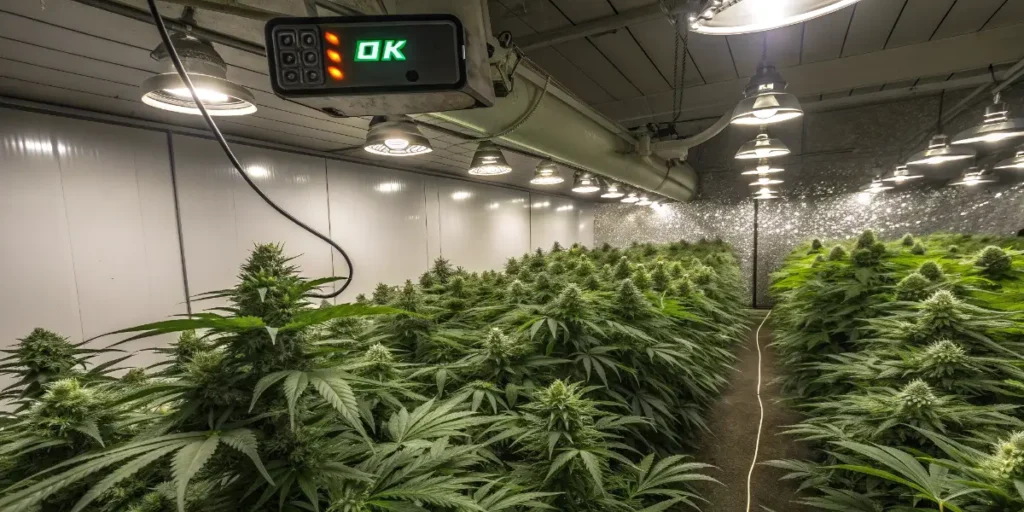
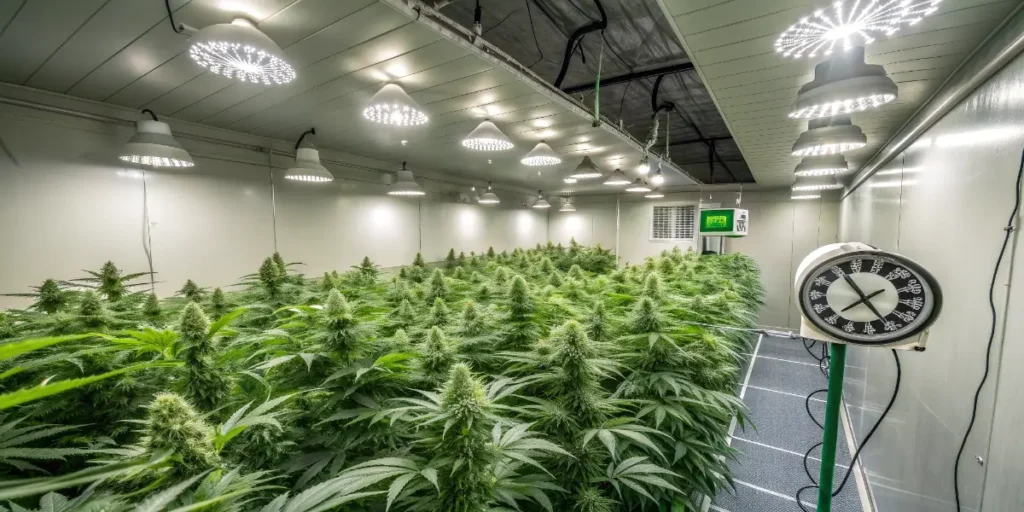
Setting up a grow room for AK cannabis plants requires careful planning to optimize conditions that are conducive to their growth. AK strains, known for their robustness and high yields, thrive in a controlled indoor environment. The first step in setting up your grow room is selecting a suitable space that is free of light leaks and has adequate ventilation. This ensures that the temperature and humidity levels remain stable throughout the growth cycle. Space should be ample enough to accommodate your expected number of plants, along with room for movement and equipment like fans and lights.
Lighting is a critical component in nurturing this strain indoors. Depending on the stage of growth, lighting requirements may vary. High-intensity discharge lamps, such as metal halide and high-pressure sodium lights, are particularly effective during the vegetative and flowering stages, respectively. These lights should be positioned at a reasonable distance from the plants to prevent scorching while ensuring they receive the optimal light spectrum for photosynthesis. Alternatively, LED lights are an energy-efficient option that can also provide the full spectrum of light needed to support robust plant growth.
Ventilation and air circulation are vital to maintain healthy this strain. Proper ventilation ensures carbon dioxide is adequately supplied, which is essential for photosynthesis. Installing an exhaust fan with a carbon filter will help to manage odors and prevent mold and mildew by keeping the air fresh and humidity in check. Oscillating fans can be employed to simulate a natural breeze, strengthening plant stems and promoting even air distribution, which helps to prevent common grow room pests and diseases.
Temperature and humidity control play a crucial role in the successful cultivation of AK strains. During the vegetative stage, maintaining temperatures between 70-85°F (21-29°C) and relative humidity levels around 40-70% is recommended. As the plants enter the flowering phase, gradually reducing the humidity to 40-50% and adjusting temperatures to 65-80°F (18-26°C) will optimize bud development. Using digital thermometers and hygrometers will provide precise environmental monitoring, allowing you to make necessary adjustments efficiently.
Outfitting your grow room with reflective materials will help to maximize the efficiency of your lighting setup. Covering walls with a reflective material like Mylar or flat white paint will reflect light onto your plants, promoting more uniform growth and increasing yield potential. Regular maintenance, such as cleaning surfaces and equipment, will prevent the build-up of potentially harmful microbes. By setting up and maintaining the grow room with these considerations in mind, this strain can flourish, and growers can achieve generous yields of high-quality cannabis.
Indoor Growing Tips for AK
Growing AK indoors can be a rewarding experience, provided that you pay close attention to this strain’s specific needs. AK is known for its adaptability and robust growth, making it suitable for indoor environments where you can control various factors. When growing AK indoors, focus on maintaining optimal temperature and humidity levels. It’s advisable to keep the temperature between 70-80°F (21-27°C) during the day and slightly cooler at night. Humidity should be kept around 40-50% during the vegetative stage and lowered to 30-40% during flowering to prevent mold and mildew.
Lighting is crucial when growing AK indoors. High-quality LED or HPS lighting systems are recommended, as they provide the full spectrum of light needed for healthy growth and robust flowering. Ensure that your plants receive 18-24 hours of light during the vegetative phase and adjust to a 12/12 light cycle once you initiate flowering. This strain responds well to the Sea of Green (SOG) method, which maximizes yields by creating an even canopy, fully utilizing the light and maximizing space efficiency.
Nutrition is another essential factor when cultivating AK indoors. Use high-quality nutrients, tailored for cannabis during each stage of growth. During the vegetative phase, ensure that nitrogen levels are higher, while during flowering, increase the phosphorus and potassium levels. Maintaining a balanced pH of around 6.0-7.0 in the soil or 5.5-6.5 in hydroponic systems is critical for nutrient absorption. Regular monitoring and adjustments based on plant feedback will ensure vigorous growth and potent buds.
Pruning and training are techniques that will benefit your AK plants. The AK strain tends to grow tall, so topping and training can help manage plant height and increase bud production. Techniques such as low-stress training (LST) can help you achieve a more even canopy, improving light penetration and air circulation. Regularly inspect your plants for signs of pests and diseases, as early detection and treatment can prevent possible yield loss.
Ensure good air circulation and ventilation in your grow room to eliminate excess heat and humidity. Fans and exhaust systems can help maintain a fresh air supply, reducing the risk of mold and mildew. By following these indoor growing tips for AK, you can achieve a successful harvest, yielding potent and aromatic buds.
Outdoor Growing Tips for AK
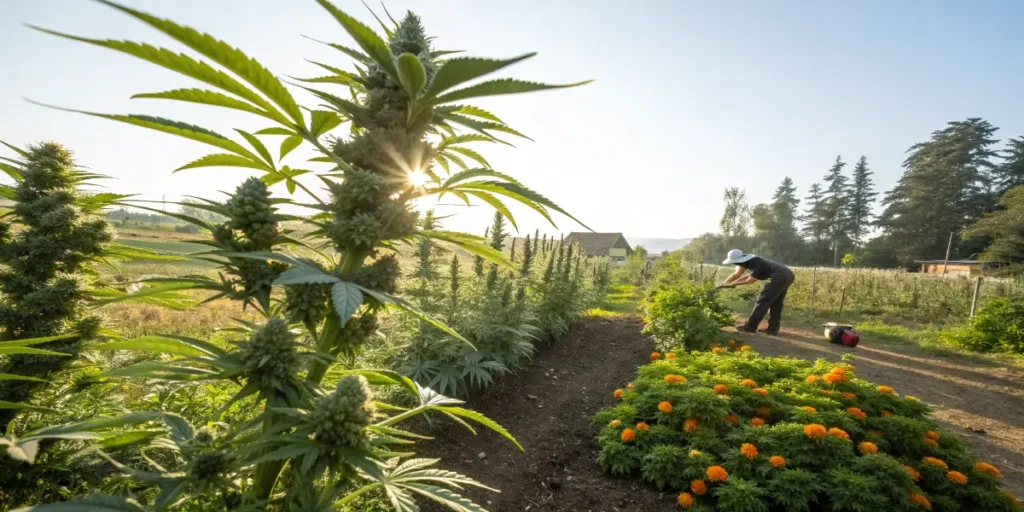
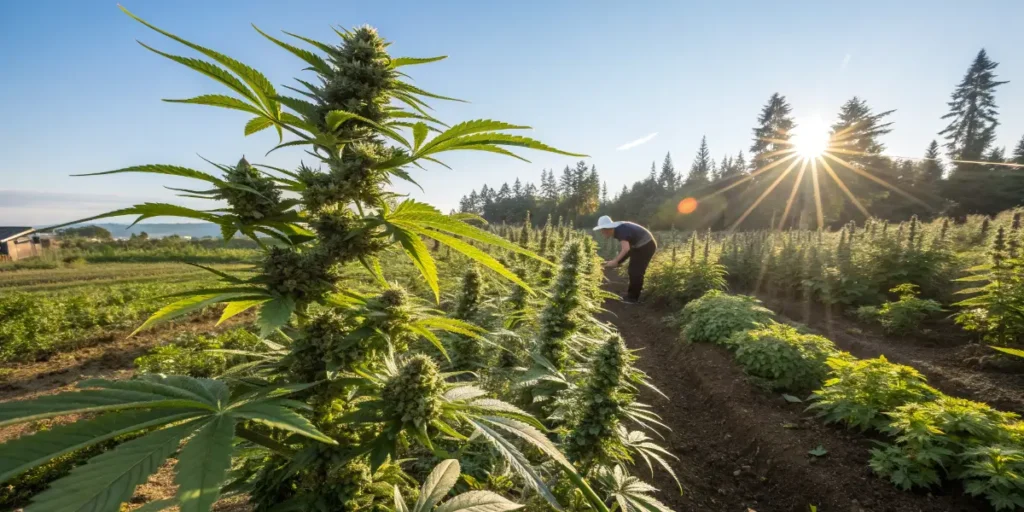
The AK strain, known for its robust growth and high yield, is an excellent choice for outdoor cultivation. This strain thrives in a variety of climates, but it especially flourishes in Mediterranean-like conditions. It is important to select a location with ample sunlight, as AK requires a minimum of six hours of direct sunlight daily. The more sunlight your plants receive, the better the cannabinoid production and overall plant health.
When preparing the outdoor soil, ensure it is well-draining and rich in organic matter. This strain benefit from a soil mixture that balances nutrients and retains moisture yet allows excess water to escape easily. Consider adding perlite or vermiculite to enhance soil aeration and drainage. Regularly top-dress the soil with compost or organic fertilizers to fuel vigorous growth throughout the season.
Due to AK’s vigorous growth, it is crucial to allow sufficient space between plants. Plan for each plant to have at least a square meter to ensure adequate airflow and light penetration, reducing the risk of mold and mildew. Regular pruning and trimming of the lower branches will further enhance airflow and support healthy development.
Pest and disease control is essential for maximizing the productivity of your AK crop. Natural options such as neem oil or insecticidal soap can effectively manage common pests like aphids or spider mites. Additionally, consider integrating companion planting strategies, using plants like marigolds or basil, which deter pests while enriching the growth environment.
Watering your AK plants consistently and correctly is fundamental. These plants prefer a cycle of deep watering followed by periods of drying out. Overwatering can lead to root rot, so adjust your watering schedule based on weather conditions and soil moisture levels. Mulching around the base of your plants can help maintain moisture consistently.
Monitoring and tweaking your approach as the season progresses will make a significant difference. AK is known for its resilience and adaptability, making it a forgiving choice for both novice and seasoned growers looking to cultivate a high-yielding, potent variety. By providing the right care and conditions, you can look forward to a bountiful harvest.
How to Germinate & Propagate AK
The process of germinating AK cannabis seeds can significantly impact the plant’s growth and yield. To begin, ensure that you have high-quality seeds, as this will increase the chances of successful germination. A widely recommended method involves using the paper towel technique. Start by moistening two clean, sterile paper towels and placing your AK seeds between them. The paper towels should be damp but not soaking wet to prevent mold growth. Place the paper towels in a dark, warm environment ideally, somewhere between 70-85°F (21-29°C). Keep an eye on them, ensuring that the towels remain moist until the seeds begin to sprout, which typically takes within 24 to 72 hours.
Once the seeds have germinated and exhibit a small taproot, it’s crucial to transfer them gently into a growing medium. Using a high-quality soil mix or rock wool cubes provides a balanced environment for initial growth. Make a small indentation in the soil or cube, approximately a quarter-inch deep, where you can place the sprouted seed root-side down. Lightly cover it with soil or close the rock wool opening to provide structural support while still allowing sunlight to reach the surface. Maintaining an ideal temperature, moisture, and light conditions during this phase will promote healthy root development.
Propagating AK cannabis successfully requires optimal environmental conditions and care during the early stages. Once the seedlings have established roots, a gentle entry to artificial light, such as LED grow lights or fluorescent tubes, is beneficial. Aim for an 18/6 light/dark cycle to simulate a natural day while allowing rest. Keep the hydration level balanced, avoiding overwatering, which can lead to root rot. Nutrient needs should be minimal initially, as excess fertilization is detrimental at this stage. Observing the seedlings for signs of stress or growth issues is paramount, ensuring they transition smoothly into the vegetative phase and ultimately mature into robust AK plants.
Vegetative Stage
The vegetative stage is a crucial phase in the growth of AK cannabis plants, as this is when they establish their structure and vigor. During this stage, your plants will focus on developing strong stems and lush foliage, which will support the flowering stage later. To ensure that your AK plants thrive, it is essential to provide them with adequate light, nutrients, and the right environmental conditions. AK strains are known for their robust growth and resilience, making them ideal for both beginner and experienced growers alike.
Lighting is a critical factor during the vegetative stage. This strain require substantial light to maximize their photosynthesis process, which promotes healthy growth. Most growers recommend using high-intensity discharge lamps or LED lights, set at around 18 to 24 inches above the canopy. The light cycle should be maintained at 18 hours of light followed by 6 hours of darkness. This simulates a long summer day and encourages vegetative growth. Always ensure that your plants receive consistent and even light coverage to prevent any stretching or uneven growth.
Nutrient management is equally important in nurturing your AK plants during the vegetative stage. Focus on providing a balanced nutrient solution rich in nitrogen, as this element is crucial for the development of leaves and stems. Monitor your plants for any signs of nutrient deficiencies or excesses, such as yellowing leaves or leaf burn, and adjust your feeding regimen accordingly. Additionally, keep the pH levels of your soil or hydroponic solution between 6.0 and 7.0 for optimal nutrient uptake.
Another essential aspect of the vegetative stage is the environmental control of temperature and humidity. AK cannabis plants thrive in temperatures between 70°F to 85°F (21°C to 29°C) during the day, with a slight drop at night. Maintaining a relative humidity level of 40% to 70% will help keep your plants healthy and minimize the risk of pests and diseases. Proper air circulation is also vital, as it helps strengthen stem development and prevents mold and mildew. Use oscillating fans to ensure a gentle breeze throughout your growing space.
Nurturing your AK plants during the vegetative stage requires a delicate balance of light, nutrients, and environmental control. By providing the right conditions and monitoring your plants closely, you will set the foundation for a bountiful harvest. Focus on creating an optimal growth environment, and your AK cannabis plants will reward you with vigorous growth and exceptional yields.
Flowering AK: What to Expect
When growing the iconic cannabis strain AK, known for its robust genetic lineage and balanced effects, knowing the flowering stage is crucial. This period typically lasts between 8 to 10 weeks, though factors like growing conditions and phenotype may slightly influence the duration. During this time, AK plants undergo significant transformations that define their final yield and potency. Recognizing the signs of flowering and the needs of your plants during this phase ensures a successful harvest.
In the initial weeks of flowering, you will notice AK plants developing buds at the nodes along the branches. These sites will be densely packed with flowers as they progress, hinting at the strain’s impressive yield potential. It’s essential to monitor your plants for pre-flowers, allowing you to identify and separate male from female plants if you’re growing from regular seeds. Female plants develop pistils, the hair-like structures that are a vital part of bud formation. Males, on the other hand, show pollen sacs, which should be removed to prevent accidental pollination and ensure seedless, quality buds.
Midway through the flowering stage, you’ll observe the AK plants producing a rich, pungent aroma, a characteristic trait of this strain. Aromatic compounds, or terpenes, increase significantly during this time, contributing not just to the smell but also to the plant’s therapeutic effects. To maximize terpene production, it’s advised to maintain optimal environmental conditions, such as consistent humidity and temperature levels, with adequate airflow to prevent mold and mildew.
As AK approaches maturity, the buds will become denser and more resinous, featuring a generous coating of trichomes that house cannabinoids like THC and CBD. By this stage, maintaining a watchful eye on the trichome color is crucial. Trichomes transition from clear to cloudy and eventually amber, indicating the peak cannabinoid content and optimal time for harvest. Typically, growers aim to harvest when the majority of trichomes are cloudy, reflecting maximum potency and balanced psychoactive effects.
Flowering the AK strain requires careful attention to detail and environmental control. By recognizing the changes your plants undergo and responding appropriately, you can ensure a robust yield of high-quality, flavorful buds. With its rich heritage and consistent performance, the AK strain remains a favorite among growers looking for reliability and a rewarding cultivation experience.
Fertilizers & Nutrient Schedule
AK cannabis strains, known for their resilience and robust growth, still require a well-structured feeding schedule to achieve their full potential. These strains typically thrive under a balanced nutrient plan, which includes essential macro and micronutrients. To start, it’s crucial to understand the different growth stages: seedling, vegetative, and flowering. Each of these stages demands a specific nutrient mix to support optimum growth. During the seedling phase, a mild nutrient solution with higher nitrogen content facilitates healthy root and leaf development.
As AK enters the vegetative stage, the demand for nutrients ramps up significantly. This period requires a nutrient solution rich in nitrogen, phosphorus, and potassium (N-P-K) with a focus on nitrogen to support leafy growth. A common formulation such as a 4-2-3 N-P-K ratio can be effective. Additionally, micronutrients like calcium, magnesium, and iron are vital and should not be overlooked, as they assist in photosynthesis and nutrient uptake. Regular feeding intervals of once a week should be maintained, adjusting the concentration based on the plant’s response and growth rate.
When AK transitions to the flowering stage, the nutrient requirements shift towards a blend higher in phosphorus and potassium. Phosphorus is crucial for bud formation and development, while potassium supports overall plant vigor and improves the plant’s resistance to pests and diseases. A 2-4-5 N-P-K ratio is often beneficial during this stage. It’s advisable to gradually ease the plant into a new feeding schedule to prevent nutrient shock. Also, maintaining a pH level between 6.0 and 7.0 ensures optimal nutrient uptake, preventing issues such as nutrient lockout.
Toward the end of the flowering phase, growers might consider flushing the plants with pure water. Flushing helps remove any built-up salts or residual nutrients in the soil, leading to a smoother and more flavorful harvest. The timing of this flush typically coincides with the last two weeks before harvest. Overall, maintaining a disciplined feeding routine, observing the plant’s response, and adjusting as necessary will help growers achieve the best results with AK cannabis strains.
Pest and Disease Prevention for Healthy Cannabis Plants
Ensuring the health of your AK cannabis plants begins with diligent pest and disease prevention strategies. First and foremost, maintain a clean growing environment, as cleanliness is a cornerstone of preventative care. Regularly clean all surfaces, pots, and tools that come into contact with your plants to minimize the risk of contamination. Besides, regularly remove debris and trim dead or damaged leaves, as these can attract pests and harbor diseases. The use of sterile soil is also imperative, as it limits the start of unwanted pathogens from the start.
Another integral component of pest management for AK cannabis is establishing a regular and observant inspection routine. Examine your plants frequently, looking for signs of common cannabis pests such as spider mites, aphids, and whiteflies. Early detection is crucial, as it allows for prompt intervention before infestations can spread. Utilize handheld magnifiers to enhance visibility, making it easier to spot small insects or eggs that may be present on leaves and stems. These preventative measures, bundled with vigilance, form a robust first line of defense against potential pest issues.
Introducing beneficial insects into your grow space can also bolster your pest prevention strategy. Natural predators such as ladybugs, lacewings, and predatory mites can help control pest populations without the need for chemical pesticides, thus maintaining an organic growing environment. Additionally, establishing companion planting methods, like growing plants such as marigolds and basil that repel pests, can serve a dual purpose by contributing to the biodiversity and protective function within the grow area.
Disease prevention plays an equally critical role in maintaining the vitality of AK cannabis plants. Proper air circulation is essential as it reduces humidity levels, thereby minimizing the risk of fungal diseases such as powdery mildew and botrytis. Employ the use of fans and ensure adequate spacing between plants to promote airflow. Furthermore, regulate humidity and temperature using dehumidifiers and air conditioners if necessary, maintaining conditions ideal for AK cannabis growth.
Employing organic fungicides like neem oil on a routine basis can serve as an effective preventative measure against fungal diseases. Ensuring that all environmental controls are optimized and that natural deterrents are used regularly will protect your plants from common ailments. Through a combination of these systematic and preventive care strategies, you can safeguard the health and productivity of your AK cannabis plants, resulting in a bountiful and robust yield.
Harvesting & Drying
Harvesting AK cannabis strains at the right time is crucial to ensuring maximum potency and optimal effects. The first step is to monitor the trichomes closely. Trichomes are resin glands on the flowers, and their appearance changes as the plant matures. AK strains exhibit optimal harvest time when the trichomes shift from clear to a milky white, with some showing shades of amber. Harvesting at this stage ensures a balanced high, blending both euphoric and relaxing effects, typical of the AK strain’s genetic profile.
The process of harvesting itself should be methodical to preserve the integrity of the buds. Begin by cutting the branches and removing larger fan leaves. This facilitates a more efficient drying process and helps focus drying efforts primarily on the parts of the plant where potency is concentrated – the buds. It’s recommended to use clean, sterilized scissors to prevent contamination, ensuring that the plant’s trichomes remain intact and unharmed during the process. Carefully handling the buds will maintain their structure and prevent unnecessary trichome loss.
Drying is a critical stage that starts immediately after harvest. For AK strains, a slow drying process is preferred to preserve the terpene profile and maximize flavor. Hang the branches upside down in a well-ventilated space with temperatures around 60-70°F (15-21°C) and humidity levels between 45-55%. Avoid direct sunlight as it can degrade cannabinoids. This slow drying method, typically lasting 7-10 days, minimizes the risk of mold and helps in achieving a smoother smoke, conserving the strain’s unique aromas.
Once drying is complete, it’s time for the curing phase, which further enhances the quality of the AK strain. Place the dried buds in airtight glass jars to control airflow and humidity. Keep the jars in a cool, dark place and check regularly, opening them for several minutes a day during the first few weeks – a process known as burping. This aids in releasing excess moisture and allows fresh air to circulate, improving the cure. A proper cure increases potency, flavors, and the longevity of the buds, optimizing the strain’s renowned characteristics.
AK Strain Type: Indica, Sativa or Hybrid?
The strain, often referred to as AK-47, is a prominent and well-loved cannabis strain with a complex lineage and a unique profile. To classify AK accurately, it falls under the category of a hybrid strain. This designation stems from its balanced genetic makeup, combining characteristics from both its Sativa and Indica parent strains. Originating from a confluence of landrace strains from Colombia, Mexico, Thailand, and Afghanistan, AK-47 is known for offering users a harmonious experience that embodies the traits of its diverse ancestry.
One of the remarkable aspects of this strain as a hybrid is its ability to harness the best qualities of both Indica and Sativa varieties. Typically, this strains present a slight Sativa dominance, estimated to be about 65% Sativa and 35% Indica. This ensures that while users will experience a powerful cerebral high characteristic of Sativas, they will also enjoy the relaxing, soothing body effects synonymous with Indicas. This balanced synergy makes AK ideal for both recreational users looking to stay energized and creative, and for medicinal users seeking relief from ailments without excessive sedation.
The hybrid nature of thethis strain contributes to its versatility in cultivation and consumption. It is suitable for both indoor and outdoor growing environments, often praised for its strong resilience and relatively straightforward care process. Growers appreciate its quick flowering time and generous yields, typically harvesting within 8 to 10 weeks. In terms of consumption, its hybrid characteristics make it versatile, allowing users to enjoy it during daytime for a boost of creativity and energy, or in the evening to unwind and relax. Indeed, this strain is celebrated not only for its storied genetics and unique high but also for its ability to adapt and cater to a wide range of user preferences.
Key Benefits for Cultivators
AK, a strain revered for its excellent balance and high resin content, is a popular choice for both novice and experienced cultivators. One of the primary benefits of growing this strain is its robust nature and resilience during cultivation. This strain is renowned for its ability to thrive in diverse climates, allowing cultivators in varied geographic locations to produce healthy and potent plants. AK’s hardy genetics mean it can withstand common growing challenges such as pests and mildew, reducing the need for intensive intervention.
Another significant advantage of cultivating this strain is its relatively short flowering period compared to other strains. This strain typically flowers in about 8-9 weeks, which is advantageous for those looking to optimize their production cycles. This faster turnaround can lead to multiple harvests within a year, maximizing yield and profit potential for commercial growers. Furthermore, the ease of predictability in its growth patterns helps cultivators manage resources effectively and plan their operations with greater accuracy.
The yield produced by this strain is another considerable benefit. Known for its generous output, this strain delivers a high yield of dense, resin-rich buds. This abundance not only enhances profitability for commercial growers but also satisfies personal-use growers who desire a more extensive stash. The resinous nature of AK’s buds makes it an excellent choice for those interested in producing concentrates and extracts, as it naturally lends itself to these processes, yielding high-quality and potent products.
This strain stands out for its indisputable potency and well-loved aroma, which are crucial for attracting a dedicated consumer base. The strain is often celebrated for its balanced effects, providing a satisfying blend of euphoria and relaxation without the overwhelming sedation seen in some other strains. The unique terpene profile of this strain, offering spicy, earthy flavors with a hint of sweetness, makes it particularly appealing to connoisseurs, ensuring a steady demand across different markets.
The AK strain’s combination of resilience, short flowering time, bountiful yield, and marketable traits make it a valuable asset for any cultivator. Whether one is looking for a reliable crop to enter the commercial scene or to fulfill personal usage with minimal fuss, this strain provides numerous benefits that contribute to its sustained popularity in the cannabis cultivation community.
Potential Challenges When Growing AK
This strain, often noted for its robust growth and high potency, can present a unique set of challenges to growers, particularly those who are new to cannabis cultivation. One primary challenge is managing and managing the plant’s vigorous growth. This strain tend to grow tall and fast, which requires adequate space and potentially frequent trimming. Growers with limited vertical space may struggle to keep the plants within an optimal height, necessitating techniques such as topping or training to control their upward growth.
Furthermore, this strain is renowned for their resilience but are not entirely immune to pests and diseases. Growers need to be vigilant about protecting plants from common cannabis enemies such as spider mites and powdery mildew. Ensuring proper air circulation and maintaining appropriate humidity levels can mitigate some of these risks; however, regular monitoring and preventive measures are crucial. The dense foliage of AK can create microenvironments conducive to pests and molds, emphasizing the importance of regular inspection.
Temperature management can also pose a significant challenge when cultivating this strain. These strains generally prefer a mild climate with temperatures ranging from 68°F to 80°F (20°C to 27°C). Sudden temperature fluctuations or extremes can stress the plants, impacting their growth and yield. Indoor growers must invest in quality climate control systems, while outdoor cultivators should remain mindful of their geographic climate conditions and adjust their growing strategies accordingly.
Nutrient management is another potential hurdle. This strain require a balanced nutrient diet to thrive, particularly during their flowering phase. Over or under-fertilizing can lead to nutrient burn or deficiencies, showing symptoms such as yellowing leaves or stunted growth. A rigorous nutrient schedule tailored to the specific needs of the AK strain, coupled with regular soil pH checks, can help in avoiding these issues.
Achieving the desired potency and flavor profile of AK requires careful attention during the curing process. Improper drying and curing can degrade the desired cannabinoid profile and terpenes, resulting in a less potent and less flavorful product. A slow and steady approach to curing, maintaining a stable humidity level, and ensuring a dark environment can mitigate this challenge, ensuring the full potential of AK is realized.
Is AK Worth Buying? Here’s What You Need to Know
AK, especially recognized as AK-47, is a classic strain cherished by cannabis cultivators and consumers alike. This hybrid strain, originating in the 1990s, boasts a nearly balanced composition of Sativa and Indica genetics, exhibiting a uniquely powerful and complex experience. Users typically appreciate its euphoric and cerebral effects, accompanied by a soothing body relaxation. Before purchasing, it’s crucial to understand its growing needs, effects, and market availability to ensure it aligns with your expectations and preferences.
One of the standout features of this strain is its relatively straightforward cultivation requirements, making it a viable option for both novice and experienced growers. Its robust nature provides resilience against mold and pests, facilitating an accessible growing process under various conditions. This strain grows vigorously, reaching moderate heights which are manageable for indoor setups. Additionally, it tends to have a quick flowering period of about 8 to 9 weeks, allowing for a rapid turnaround from planting to harvesting, making it appealing for growers looking for efficiency.
From a commercial perspective, AK-47 garners high demand due to its potent THC content, often reaching up to 20% or more, providing energetic and mood-lifting effects. This makes it particularly popular among users seeking relief from stress, depression, and mild pain without excessively sedative effects. Furthermore, its distinctive aroma, merging earthy, sweet, and floral tones, enhances its marketability in dispensaries, ensuring robust sales potential for growers targeting mainstream cannabis consumers.
Pricing is another crucial consideration. While some might find premium seeds pricier than other strains, the investment typically justifies itself through the plant’s high yield and consistent quality. Whether you’re a grower prioritizing low-maintenance strains or a consumer looking for a reliable, well-rounded experience, this strain could potentially meet those needs efficiently. It’s important to source seeds from reputable suppliers to maintain genetic integrity and achieve optimal growing outcomes.
AK’s robust growth attributes, captivating effects, and market viability make it a valuable contender for growers and users alike. Prospective buyers should evaluate their own cultivation conditions, usage preferences, and market goals to determine if this strain aligns with their requirements. Researching and knowing the nuances of this strain can facilitate informed purchasing decisions, ensuring a rewarding cannabis growing experience.
FAQs about AK
How long does it take to grow the AK strain from seed to harvest?
AK plants typically take around 8 to 9 weeks to flower, depending on growing conditions and phenotype. From seed to harvest, the full cycle usually spans 16 to 18 weeks. Indoor growers often see slightly faster results due to better control over temperature, humidity, and lighting.
What are the ideal growing conditions for AK cannabis?
AK thrives in temperatures between 70–80°F (21–27°C) during the day and slightly cooler at night. Maintain humidity levels of 40–50% during the vegetative phase, reducing to 30–40% during flowering to prevent mold. Adequate light exposure and airflow are essential for developing dense, resin-rich buds.
Is the AK strain easy to grow for beginners?
Yes, AK is considered beginner-friendly, thanks to its resilient genetics and adaptability to various environments. It performs well in both indoor and outdoor setups, resisting common issues like mold, mildew, and pests. Its predictable growth pattern makes it ideal for new growers aiming for consistent results.