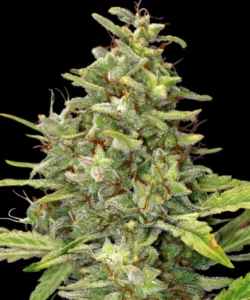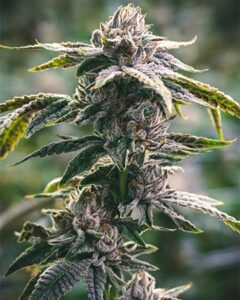


To successfully cultivate Charlottes Web, begin by selecting high-quality seeds or clones to ensure healthy growth. Cultivators should use a well-draining soil blend rich in organic matter and maintain a pH level between 6.0 and 6.5. Adequate lighting is crucial, with LED lights recommended to mimic natural sunlight for optimal photosynthesis and cannabinoid production.
Regular watering is essential, but growers must avoid overwatering to prevent root rot, which could severely impact the yield potential of this variety. As the plant develops, maintain consistent humidity levels, ideally between 45% to 55%, to encourage healthy foliage growth and bud formation. Periodically test soil nutrients, adjusting as needed to keep this cultivar thriving.
Recommended Strains
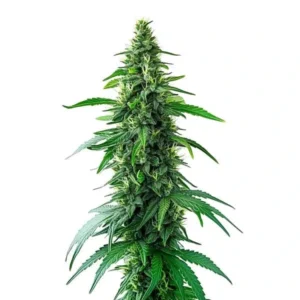
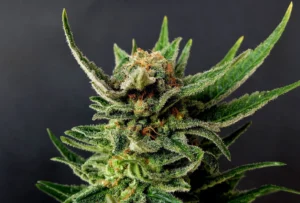
Charlottes Web

|
Lineage | Secret |

|
Type | CBD Feminized |

|
Height | 4.92 ft | 1.5 m |

|
Yield | Low |

|
Yield Indoor | 1.15 - 1.31 oz/ft² | 350 - 400 g/m² |

|
Yield Outdoor | 19.4 - 21.16 oz/plant | 550 - 600 g/plant |

|
Flowering Time | 10 - 12 weeks |

|
Phenotype | 30% Indica / 70% Sativa |

|
Medical | Depression, Insomnia, Muscle Spasms |

|
Effects | Happy, Hungry, Relaxed |

|
Flavors | Earthy, Pine, Woody |
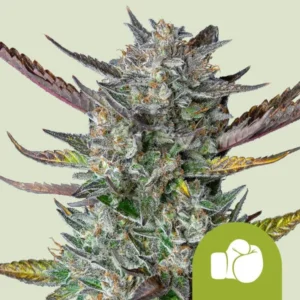
Gypsy Kush

|
THC | 16% - 18% (Medium) |
|
|
Lineage | Afghan x Ginger Ale x Black Domina |
|
|
Type | Feminized |
|
|
Height | 4.43 ft | 1.35 m |
|
|
Yield | High |
|
|
Yield Indoor | 1.64 oz/ft² | 500 g/m² |
|
|
Yield Outdoor | 22.93 oz/plant | 650 g/plant |
|
|
Flowering Time | 9 - 10 weeks |
|
|
Phenotype | 50% Indica / 50% Sativa |
|
|
Effects | Balanced |
|
|
Flavors | Sweet, Spicy, Floral |
During the flowering stage, monitor for pests and diseases which can affect the quality of terpenes and final harvest. Pruning lower leaves and branches enhances airflow and sun exposure, optimizing resin development in the buds. When the trichomes reach a cloudy or amber hue, it’s time to harvest Charlottes Web for maximum potency and overall yield.
Charlottes Web Strain Overview: Traits, Effects & Genetics
Charlottes Web is a renowned cannabis variety, celebrated for its unique profile and minimal THC content. This strain, developed for its beneficial CBD properties, is favored by medical users seeking non-psychoactive outcomes. Growers appreciate the plant’s resilient nature, making it an ideal choice for both novice and experienced cultivators looking for consistency in their harvests.
This cultivar boasts a rich genetic background, incorporating traits that appeal to various growers. Known for producing dense buds, the plant yields a bounteous harvest when cultivated under optimal conditions. The terpenes present add to its aromatic profile, offering a subtle scent that is both earthy and sweet, making it a sensory delight for cannabis enthusiasts.
Practical in its cultivation, this variety thrives in diverse environments but particularly excels in controlled indoor settings. It responds well to careful management of light and nutrients, rewarding attentive growers with abundant yields. The plant’s robust genetics ensure resilience against common pests and diseases, reducing the need for intensive interventions during the growing cycle.
The effects of this strain are primarily therapeutic, making it an effective option for those seeking relief without the high. Its gentle, calming influence supports those managing conditions such as anxiety and inflammation. With a focus on wellness, it provides users with a natural alternative, aligning with the modern demand for health-centric cannabis options.
Optimal Environment to Grow Charlottes Web Successfully
Achieving a successful cultivation of this strain begins with the right environment. It thrives in a climate that closely mimics its natural outdoor conditions. Temperatures should ideally range between 70-85°F during the day and slightly cooler at night. Humidity control is also essential; maintaining levels between 40-50% will help in the prevention of mold and other common issues.
For indoor growers, ensuring adequate lighting is pivotal. Full-spectrum LED lights are recommended for this variety, as they provide the extensive light range necessary for optimal bud production. Ensure your plants receive at least 18 hours of light during the vegetative stage, reducing to 12 hours when flowering. This light cycle encourages healthy growth and maximizes yield.
Beyond temperature and lighting, the soil quality and nutrients are crucial for the plant’s development. A well-aerated, nutrient-rich soil mix supports robust root systems and overall health. Incorporating organic compost and regular feeding with a balanced fertilizer can enhance terpene profiles, thus improving the aroma and taste of the final harvest.
Providing adequate airflow is vital. Good air circulation within your cultivation space reduces humidity levels around the plant, helping it to produce dense, resinous buds. Utilizing oscillating fans and exhaust systems will ensure fresh air reaches all parts of the plant, aiding in the prevention of pest infestations and plant stress. With these strategies, growers can cultivate Charlottes Web with confidence and success.
Grow Room Setup for Charlottes Web Plants
Setting up a grow room for this variety requires careful planning to optimize its unique traits. Ensure it has access to sufficient natural sunlight or use high-quality LED grow lights to mimic this. Adequate lighting is critical to maximize the potential yield and encourage healthy, robust buds. Maintain a consistent light schedule to promote steady growth throughout the cultivation cycle.
Temperature and humidity control are essential for cultivating this strain successfully. Keep the temperature between 68-77°F (20-25°C) and the humidity around 40-50% during the vegetative stage. This environment helps prevent mold and mildew, providing a healthy space for the plant to flourish. Make sure to adjust these settings as the plant transitions to the flowering stage.
Air circulation is another crucial aspect of growing this cultivar. Proper ventilation helps to strengthen the plant’s stems and disperse carbon dioxide evenly. Use oscillating fans to simulate a natural breeze, reducing the risk of pest infestations and ensuring that your cannabis plants have a steady supply of fresh air. Good airflow supports overall plant health.
When cultivating Charlottes Web, providing the right nutrients is vital for achieving top-quality buds. Use a balanced nutrient mix tailored for cannabis, adjusting as the plant moves from the vegetative to the flowering stage. Proper nutrition enhances terpene production, contributing to a more fragrant and potent harvest. Be vigilant about monitoring nutrient levels to avoid overfeeding this strain.
Indoor Growing Tips for Charlottes Web
To cultivate Charlottes Web indoors successfully, maintain a temperature range of 70-85°F and humidity levels around 40-50%. Monitoring environmental conditions closely ensures the plant remains healthy throughout its growth cycle. Using a high-quality LED light system helps maximize the cultivation potential, ensuring optimal light penetration and energy efficiency to promote thriving buds.
This cultivar thrives when placed in well-draining soil, rich in organic matter. Regularly check the pH levels, aiming for a range between 6.0 and 7.0 to support nutrient absorption. It’s crucial to feed this variety with a balanced nutrient mix tailored for cannabis, ensuring the plant receives sufficient nitrogen, phosphorus, and potassium, essential for vigorous growth and robust terpene production.
Training techniques like topping and low-stress training can enhance the yield, allowing for better light distribution and improved air circulation. Monitoring for pests and diseases is also important to protect it from damage. Indoor growers should consider maintaining a careful schedule for watering and feeding to optimize the overall harvest quality and ensure the buds of this cultivar develop to their full potential.
Outdoor Growing Tips for Charlottes Web
For growers interested in cultivating Charlottes Web outdoors, selecting a site with abundant sunlight is crucial. The plant thrives in a warm climate with temperatures ranging from 70 to 85 degrees Fahrenheit. It’s essential to ensure that the location offers good air circulation to prevent mold and pest infestations, promoting healthy development and maximizing potential yields. Proper planning and placement are key to success.
This variety requires nutrient-rich soil for optimal growth. Amending the ground with organic matter like compost will enhance drainage and aeration, essential for robust root systems. Monitoring pH levels to maintain them between 6.0 and 7.0 ensures nutrient availability. The unique terpene profile of this cultivar benefits from consistent watering, yet it is vital to avoid waterlogged conditions by ensuring proper soil drainage.
To maximize the yield of the plant, regular pruning is recommended to encourage bushier growth and better light penetration. As the flowering stage begins, being vigilant about pest control is necessary to protect the buds. Harvesting should occur when the trichomes turn milky white, ensuring the highest quality and potency. Patience and attention throughout the growing season will reward you with a satisfying and plentiful harvest.
How to Germinate & Propagate Charlottes Web
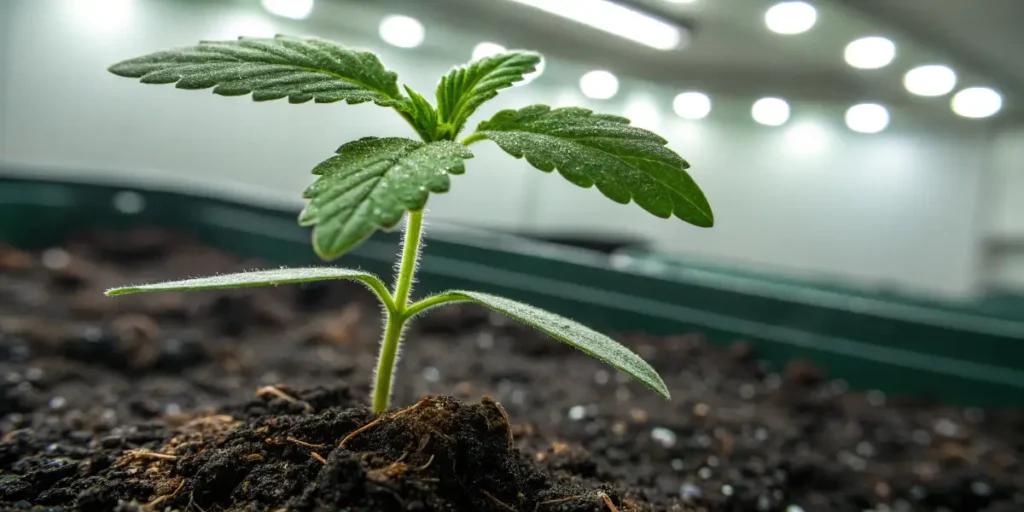
When starting the cultivation of Charlottes Web, successful germination is crucial. Begin by acquiring high-quality seeds from reputable sources to ensure robust growth. Soak the seeds in distilled water overnight to encourage their sprouting process. This hydration technique primes the seeds, making them more likely to develop into healthy seedlings, which is the first step towards a bountiful harvest.
Once the seeds of this variety have soaked, they can be transferred to a germination medium like peat pellets or paper towels. Place them in a warm, dark environment, ideally between 70-85°F, to encourage sprouting. Maintain a steady moisture level, but avoid overwatering as this can lead to rot. Within a few days, the seeds should crack open, revealing tiny taproots ready for planting.
After noticing taproots, carefully transfer the seedlings of this cultivar into small pots with well-draining soil. During the initial growth stage, provide ample light and maintain a temperature between 70-78°F. Consistent care during this period enhances root development and prepares the plant for vigorous vegetative growth, ultimately boosting yield and terpene profiles in the mature buds.
As the young plants continue to mature, regular monitoring for pests and nutrient needs is essential. This botanical vigilance ensures the health of the plant, leading to a robust Charlotte’s Web crop. By tailoring care practices to this specific variety’s needs, growers can optimize their efforts from germination through to harvest, ensuring a rewarding cultivation journey.
Vegetative Stage: Nurturing Your Plants
The vegetative stage is a crucial phase in the cultivation of cannabis, where growers focus on maximizing growth potential. Ensuring that this strain receives adequate light, usually around 18 hours a day, is essential. Proper spacing is also key for optimal air circulation, promoting healthier foliage and preparing the plant for a bountiful harvest.
Nutrient management is vital during the vegetative stage of this variety. Providing a balanced diet of nitrogen, phosphorus, and potassium helps in developing robust stems and lush foliage. Regular monitoring is important to prevent nutrient deficiencies that could compromise the yield quality. Growers must ensure that the soil is well-draining to avoid waterlogging issues.
Training techniques such as topping and low-stress training can significantly enhance the structure of the plant. By directing its energy towards numerous budding sites, cultivators can increase the ultimate yield. Doing so not only encourages more even light distribution but also supports the development of aromatic terpenes, which are crucial for the plant’s profile.
Maintaining the appropriate temperature and humidity levels is another critical aspect of nurturing this cultivar. A temperature range of 70-85°F during the day keeps the plant in its optimal growth zone. Meanwhile, relative humidity levels should be kept between 40-60% to prevent mold, ensuring that your Charlottes Web plants remain healthy and thriving.
Flowering Charlottes Web: What to Expect
When cultivating this strain, growers can anticipate a flowering period that typically ranges from 8 to 9 weeks. During this time, the plant demonstrates a hardy and resilient nature, making it suitable for both indoor and outdoor environments. It’s important to maintain stable environmental conditions to ensure optimal growth and bud development for this variety.
As the plant progresses through its flowering stage, you’ll notice the emergence of tight buds enriched with a unique terpene profile. The aroma is distinct, often described as earthy with subtle sweet notes. Though this cultivar is not typically grown for high THC content, its rich CBD profile offers therapeutic benefits, which many growers find appealing.
This cultivar thrives in environments that allow for consistent light exposure and controlled humidity levels. Paying close attention to these factors can enhance the yield and quality of the buds. Due to its genetic stability, the plant generally exhibits uniform growth patterns, making it a favored choice among cannabis cultivation enthusiasts.
Expect the harvest of Charlottes Web to provide a moderate yield compared to more THC-focused strains. The quality of the buds often compensates for the quantity, as this genetics is celebrated for its calming effects. With suitable cultivation practices, growers can achieve a successful flowering phase, preserving the sought-after benefits this strain is known for.
Fertilizers & Nutrient Schedule
Nutrient management is crucial when cultivating this strain to optimize its yield and potency. Charleston Web thrives with a balanced feeding schedule that adjusts through its growing stages. During the vegetative phase, focus on higher nitrogen levels to support healthy leaves and stems, as these are vital for the overall energy production in the plant.
Transitioning to the flowering stage, the nutrient composition requires adjustment. This cultivar benefits from an increase in phosphorus and potassium levels, essential for robust bud formation. These nutrients enhance the development of rich terpenes and resin, increasing the quality and density of the buds. Monitoring and fine-tuning these levels can significantly influence the plant’s overall performance.
For optimal results, growers should consider organic fertilizers that promote a healthy microbial ecosystem in the soil. These fertilizers release nutrients slowly, ensuring a steady supply that aligns with the plant’s growing needs. Additionally, a consistent watering schedule is crucial, as it helps maintain the right nutrient balance and prevents overfeeding, which can harm this variety.
Pay close attention to the pH levels of the soil or growing medium, as this affects nutrient uptake. For the optimal growth of Charlottes Web, maintain a pH range of 6.0 to 7.0. Regular testing ensures the plant remains in favorable conditions throughout its lifecycle, leading to a successful harvest with high-quality buds.

Pest and Disease Prevention for Healthy Cannabis Plants
Ensuring that cannabis plants remain healthy requires vigilant pest and disease prevention strategies. For growers of this strain, consistent monitoring is crucial. Regular inspection of the foliage can help detect early signs of infestation. Introducing beneficial insects and ensuring proper air circulation can help protect the plant, minimizing potential damage to its buds and thus optimizing the overall harvest and yield.
In cultivating this variety, maintaining a balanced environment lessens the risk of pathogens. Implementing preventative measures, such as using high-quality soil and avoiding overcrowding, helps reduce stress on the plant. Stress can make it more susceptible to diseases. Proper watering schedules and maintaining optimal humidity levels are vital, as they promote healthy terpene production and strengthen the plant’s resistance.
Charlottes Web, like other cannabis varieties, benefits substantially from proactive care. Use natural pest deterrents and organic sprays as a part of your integrated pest management plan. The key is to create a robust immune system for this cultivar by enriching the soil with nutrients and ensuring the leaves receive adequate light. These practices, along with regular monitoring, ensure a healthy cannabis crop.
Harvesting & Drying This Strain the Right Way
When cultivating cannabis, timing is crucial, especially with a delicate cultivar like this strain. Observing the trichomes is essential; they should appear milky rather than clear, indicating the right moment for harvest. For this variety, ensuring an optimal window can maximize its therapeutic yield and promote a robust terpene profile, emphasizing its unique characteristics.
Experienced growers understand that each plant has its own rhythm. For Charlottes Web, waiting too long can degrade its compounds, while harvesting too early may diminish its efficacy. Careful monitoring of the buds is key. Utilizing a pocket microscope or magnifying glass can offer the clarity needed to determine the perfect harvest time for this unique plant.
Once the choice to harvest is made, the drying process becomes the next critical phase for this genetics. Maintaining a controlled environment typically around 60% humidity and 21°C will help preserve the plant’s integrity. This method allows the cannabis to retain its valuable properties, ensuring that the terpenes do not dissipate prematurely, affecting the overall quality.
After drying, curing is the final step, enhancing both flavor and potency. For this cultivar, jars are ideal for curing, with regular burping to release excess moisture. This gradual process benefits the buds, refining their characteristics and ensuring an optimal experience. By following these steps, growers can fully realize the potential of Charlottes Web, providing a high-quality harvest.
Charlottes Web Strain Type: Indica, Sativa or Hybrid?
Charlottes Web is a remarkable strain renowned for its unique cannabinoid profile and low THC content, making it a favored option for those seeking the therapeutic benefits of cannabis without the psychoactive effects. This cultivar leans heavily towards the Sativa side, offering users a calm and clear-headed experience. With such properties, growers often target its cultivation for specific health-related purposes.
This strain has gained popularity among cultivators due to its distinctive growth pattern. The plant typically exhibits characteristics associated with Sativa varieties, including tall and slender structures with elongated buds. These attributes are complemented by a vibrant terpene profile that contributes to its nuanced aroma. For those interested in viable cultivation, it is important to provide ample vertical growth space for successful harvesting.
Given its Sativa-dominant genetics, growers should focus on achieving optimal light conditions to maximize yield potentials. The plant’s flowering period can be slightly longer than pure Indica varieties, but the wait is well worth it for the high yield of quality buds. With the right care, this variety can be a rewarding addition to any cultivation operation, consistently delivering exceptional results at harvest.
Why Grow This Variety? Key Benefits for Cultivators
Charlottes Web has gained recognition among cultivators due to its unique terpene profile and high CBD content. This strain is particularly appealing for those who seek to produce therapeutic cannabis products. The plant’s robust growth patterns and resilience against common pests make it a reliable choice for both novice and experienced growers, promising a fruitful harvest.
One of the main attractions of this variety is its ability to produce sizeable yields without sacrificing quality. Growers value the dense, aromatic buds that this cultivar consistently delivers. The plant’s adaptability to different growing conditions, including both indoor and outdoor environments, further enhances its appeal in the cultivation community.
Moreover, this strain’s low THC levels make it an excellent choice for cultivators focused on non-psychoactive cannabis products. Such an attribute broadens its market potential to include consumers seeking wellness benefits without the high. With its consistent yield and robust growth, this genetics continues to be a favored option among cannabis growers.
Potential Challenges When Growing Charlottes Web
Growing this strain can present several challenges for both novice and experienced cultivators. One significant issue is ensuring optimal growing conditions for this variety, as it requires a precise balance of humidity and temperature. Additionally, pest control can be tricky, as this cultivar is particularly susceptible to certain pests that can damage the buds and diminish overall yield.
Another important aspect to consider when cultivating this genetics is nutrient management. Over-fertilization can lead to nutrient burn, leaving growers with stunted plants and reduced harvest. It’s crucial to provide the appropriate amount of nutrients to maintain healthy growth and maximize the terpene profile. Monitoring and adjusting the nutrient levels throughout its lifecycle can prevent potential issues before they arise.
Controlling humidity levels is vital to prevent mold and mildew, common challenges that can affect the plant. High humidity levels during the flowering stage can lead to bud rot, which is detrimental to the quality and quantity of the harvest. Regularly checking and adjusting the environment ensures that Charlottes Web thrives, resulting in a successful cultivation experience.
Is This Strain Worth Buying? Here’s What You Need to Know
Charlottes Web is renowned for its therapeutic potential, particularly among growers focusing on high-CBD cannabis. This strain is highly valued for its minimal psychoactive effects and rich terpene profile, making it a favored choice for many. When cultivating this plant, expect a moderate yield of buds, suitable for those prioritizing quality over quantity. Its unique characteristics make it a staple in any serious grower’s garden.
When considering the cultivation of this variety, it’s essential to understand its growing requirements. This cultivar is known for being resilient, but requires careful monitoring of humidity and temperature to maximize bud quality. The plant flourishes in a controlled environment, which can help mitigate the risks of mold and pests. Investing in the right setup ensures a rewarding harvest.
For those questioning the investment in this strain, the potential benefits speak for themselves. With its noteworthy cannabinoid profile, it appeals to both medical and recreational consumers alike. Whether you’re harvesting for personal use or distribution, the high yield of premium buds is a compelling factor. Choosing this strain can be a wise decision for anyone looking to expand their cannabis cultivation repertoire.
FAQs: Growing Charlottes Web
How difficult is it to grow Charlottes Web for beginners?
Charlottes Web is considered moderately challenging to cultivate, making it better suited for those with some growing experience. It needs careful attention to environmental factors such as humidity and temperature. This strain responds well to training techniques like LST and topping, although these methods need to be executed with precision. With the right care and monitoring, growers can achieve excellent results from this variety.
What are the expected yield levels for Charlottes Web?
Charlottes Web is known for providing moderate to high yields depending on the grow conditions. When grown indoors, it generally produces about 300-400 grams per square meter. Outdoor cultivation of Charlottes Web can yield significantly higher, around 400-500 grams per plant, especially when it’s provided with ample sunlight and care. With proper nourishment, you can maximize the yield of the plant.
What flowering time can growers expect with Charlottes Web?
The flowering period for Charlottes Web usually ranges from 8 to 9 weeks. During this time, maintain consistent light schedules and optimal environmental conditions for the best results. Outdoor growers might see the plant ready for harvest by early to mid-autumn depending on their geographical location. Being mindful of the flowering duration can lead to harvest success.
In what climate does Charlottes Web best thrive?
Charlottes Web flourishes in mild to warm climates with plenty of sunlight, reminiscent of Mediterranean environments. If you’re growing indoors, replicate these conditions using controlled climate settings. Monitoring temperature and humidity plays a key role in the successful cultivation of Charlottes Web, ensuring the grow area mimics its preferred climate conditions as closely as possible.
What are common problems faced when growing Charlottes Web?
Charlottes Web can be susceptible to issues such as mold and spider mites, particularly if grown in overly humid environments. Regular plant inspections and maintaining proper air circulation can help mitigate these problems. Adequate ventilation and carefully monitored humidity levels are essential in keeping this plant healthy and reducing the risk of common plant diseases.
What nutrient needs are specific to Charlottes Web?
A balanced nutrient regimen focusing on essential macronutrients like nitrogen, phosphorus, and potassium will support the growth of Charlottes Web. During its vegetative stage, this variety benefits from higher nitrogen levels, whereas the flowering period requires increased phosphorus. Supplementing with micronutrients such as calcium and magnesium can help in optimizing the plant’s growth and yield.