
Growing Cindy 99 begins with selecting quality seeds and preparing a well-draining soil mix rich in nutrients. For optimum cannabis cultivation, maintain a consistent temperature between 70-85°F and humidity around 40-50%. Ensure the plant receives ample light, ideally from a full-spectrum LED grow light, to encourage robust growth during the vegetative stage.
Once this strain enters the flowering phase, typically eight to nine weeks, closely monitor the development of its buds. Adjust nutrients to suit this stage, focusing on phosphorus and potassium to support resinous bud production. Watch for trichome maturity to gauge harvest readiness. This variety is known for its abundant yield, so strategic pruning can enhance light penetration and airflow, contributing to healthier plants.
Recommended Strains
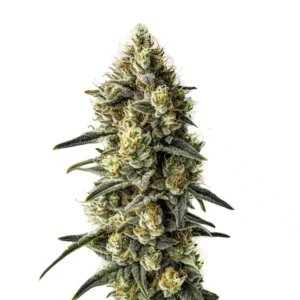
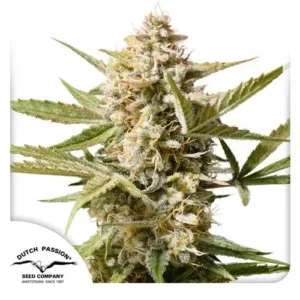
Cindy 99

|
THC | 20% - 22% (Medium) |

|
Lineage | Princess x Cinderella 88 |

|
Type | Feminized |

|
Height | 9.84 ft | 3 m |

|
Yield | High |

|
Yield Indoor | 1.47 - 1.8 oz/ft² | 450 - 550 g/m² |

|
Yield Outdoor | 21.16 - 24.69 oz/plant | 600 - 700 g/plant |

|
Flowering Time | 8 - 10 weeks |

|
Phenotype | 30% Indica / 70% Sativa |

|
Medical | Depression, Insomnia, Muscle Spasms |

|
Effects | Happy, Relaxed, Talkative |

|
Flavors | Fruity, Sweet |
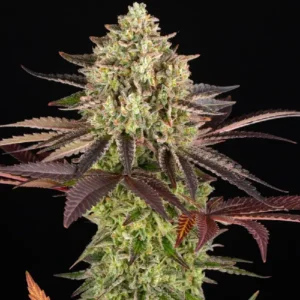
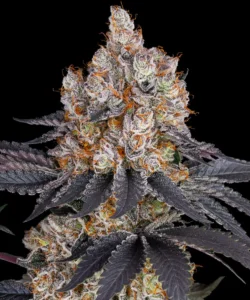
Apple Fritter Seeds
|
|
THC | 30% - 31% (High) |
|
|
Lineage | Animal Cookies Strain x Sour Apple Strain |
|
|
Type | Feminized |
|
|
Height | 5.58 ft | 1.7 m |
|
|
Yield | High |
|
|
Yield Indoor | 1.97 - 2.13 oz/ft² | 600 - 650 g/m² |
|
|
Flowering Time | 8 - 10 weeks |
|
|
Phenotype | 50% Indica / 50% Sativa |
|
|
Effects | Relaxed, Creative, Happy |
|
|
Flavors | Apple, Earthy, Cheese |
To maximize the potential of Cindy 99, pay attention to environmental control, preventing mold and pests. As the plant matures, its unique terpenes will develop, offering a distinct aroma. Harvest at peak ripeness for optimal flavor and potency. Following these steps will allow growers to enjoy a successful cultivation experience and a bountiful harvest from this cherished genetics.
Cindy 99 Strain Overview: Traits, Effects & Genetics
Cindy 99, a legendary cannabis strain, is cherished for its robust growth and high yields. Popular among growers for its short flowering time, it offers a rewarding cultivation experience. The plant thrives both indoors and outdoors, making it versatile. Its resilience to common pests and diseases further enhances its appeal, ensuring a successful harvest.
This variety is known for its uplifting and cerebral effects, often described as euphoric and energizing. It makes a great choice for daytime use, sparking creativity and focus. The buds are dense and aromatic, with a distinct blend of sweet, fruity terpenes. Consumers appreciate the potent, long-lasting effects that this cultivar delivers, making it a favorite among cannabis enthusiasts.
The genetics of this strain come from a hybrid of sativa-dominant parents, resulting in a balanced profile that leans slightly towards sativa. This diverse lineage contributes to its unique traits, combining desirable characteristics from each of its parent strains. Owing to its heritage, the plant produces abundant, resinous buds typical of high-quality cannabis.
Growers appreciate it for its manageable height and fast maturation period. Typically flowering within seven to nine weeks, this genetics offers significant yields that satisfy even seasoned cultivators. The strain’s adaptability ensures it performs well under various conditions, maintaining its reputation as a reliable and potent choice for both novice and experienced growers alike.
Optimal Environment to Grow Cindy 99 Successfully
Cultivating this strain requires a controlled indoor setup, providing a warm and stable environment that emulates subtropical climates. Maintaining temperatures between 70-85°F is crucial for the plant’s health. Adequate light exposure, around 18 hours during the vegetative phase, optimizes growth. This variety thrives under high-intensity lighting, which aids in developing dense and resinous buds.
Humidity control is essential when cultivating this cultivar. During the vegetative stage, keep humidity levels between 50-70% to facilitate robust growth. As the plant transitions into the flowering phase, reduce humidity to 40-50% to prevent mold and mildew that could compromise the harvest. Ventilation is vital to ensure a steady airflow, aiding in temperature and humidity regulation.
The soil composition also plays a significant role in the successful cultivation of the plant. Use well-aerated soil enriched with organic nutrients to promote optimal root development. Additionally, this genetics benefits from regular feeding with balanced nutrients rich in nitrogen, phosphorus, and potassium. Adjust nutrient solutions according to the growth stage for maximum yield.
A keen eye on the pH level of the growing medium is critical; maintaining it between 6.0 and 6.5 helps in nutrient uptake and prevents deficiencies. As Cindy 99 is grown, exposure to a range of terpenes can enhance its aromatic profile, making the harvest more aromatic and flavorful. Monitoring these environmental factors ensures a rewarding cultivation experience.
Grow Room Setup for Cindy 99 Plants
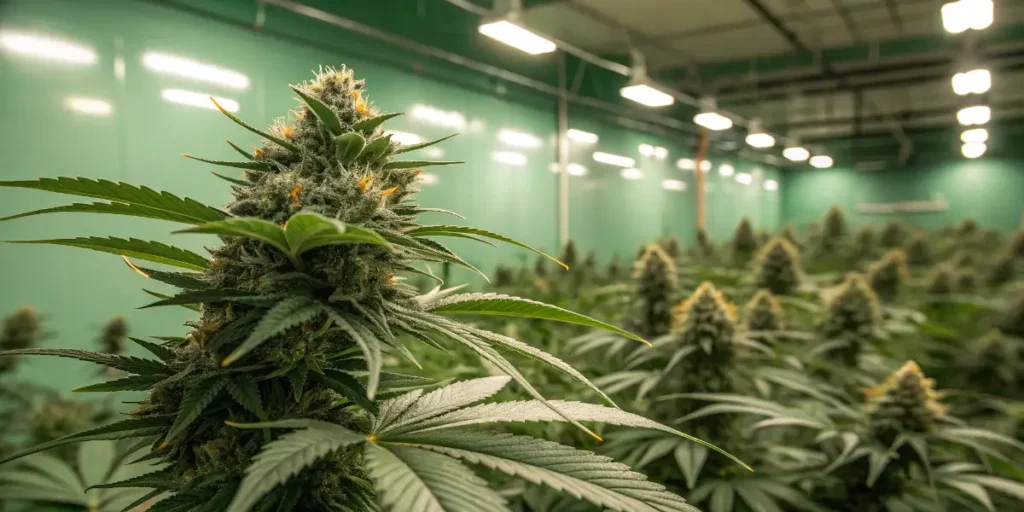
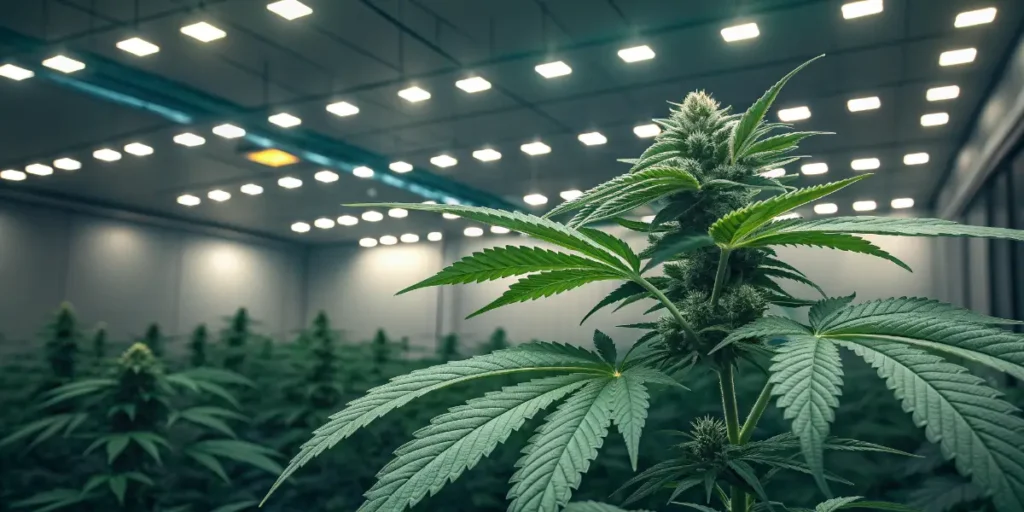
Setting up an optimal grow room for this strain requires careful attention to environmental conditions to ensure it thrives. Proper lighting is crucial, as it significantly impacts the quality and size of the buds. Full-spectrum LED lights are recommended for this cultivar, replicating the sun’s spectrum and promoting robust growth during the vegetative and flowering phases.
Temperature and humidity control are essential for this variety’s successful cultivation. Aim to maintain a temperature range between 70-85°F during the day and slightly cooler at night. Humidity levels should be kept around 40-50% during the vegetative stage, gradually decreasing to 30-40% as harvest approaches, helping the plant develop rich terpenes.
Proper ventilation is another critical component in the grow room, ensuring fresh air circulation and maintaining a consistent climate. Installing fans and exhaust systems will help prevent mold and mildew, conditions that can adversely affect the yield and quality of the final product. This setup also mitigates heat stress, promoting healthier growth.
Pay attention to the medium you choose for Cindy 99, as it can influence the plant’s overall health. Many growers find success using soil or hydroponic systems, both providing distinct advantages. Consistent nutrient management tailored to this genetics will ensure vigorous growth and a bountiful harvest, maximizing the efforts put into creating an ideal growing environment.
Indoor Growing Tips for Cindy 99
For successful cultivation of Cindy 99 indoors, growers should focus on providing sufficient lighting. It is recommended to use high-quality LED or HID lights to mimic natural sunlight, essential for the plant’s robust growth. Maintaining a temperature between 70-85°F and a humidity level of 40-50% during the vegetation stage ensures the development of healthy buds and optimal yields.
When cultivating this variety, it’s vital to implement a consistent feeding schedule, incorporating nutrients rich in nitrogen during the vegetative phase. As the plant transitions to flowering, gradually boosting phosphorus and potassium levels aids in maximizing terpene production and bud density. Regular monitoring of pH levels in both soil and water can prevent nutrient lockouts and ensure robust growth.
Training techniques such as topping or low-stress training can significantly enhance light penetration and air circulation around this cultivar. These methods not only encourage a bushier structure but also improve overall yield. As the harvest approaches, closely watching trichome development is vital. This attention to detail ensures peak potency and rich terpene profiles synonymous with this particular genetics.
Outdoor Growing Tips for Cindy 99
Cindy 99 thrives in a warm and sunny climate, making it ideal for outdoor cultivation. It prefers a well-draining soil rich in organic matter to promote healthy growth. Growers should ensure the plant receives plenty of sunlight, as it helps maximize the development of buds. Regular watering is essential, but beware of overwatering as it may lead to root rot.
When cultivating this genetic outdoors, consider using organic fertilizers to enhance its terpene profile and improve overall quality. Pruning is necessary to ensure proper airflow and light penetration through the foliage. The plant benefits from support structures during its flowering stage, especially when heavy with buds, to prevent branches from breaking under the weight.
Proper timing of the harvest is crucial for this cultivar to achieve its full potential yield. Typically, the plant is ready for harvest in late September to early October. Observing the trichomes is a reliable method to determine the perfect harvest time, aiming for a milky appearance with some amber hues, which signifies peak potency and quality.
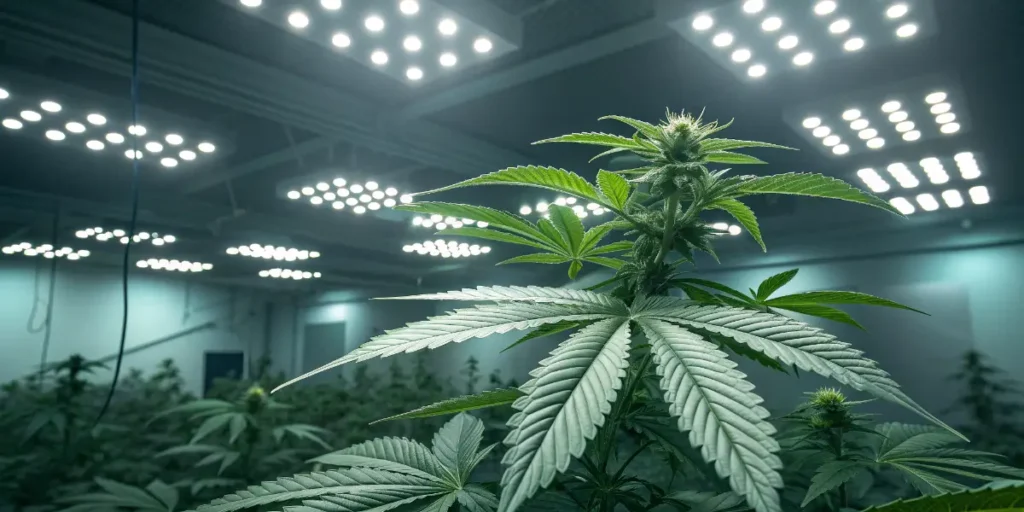
How to Germinate & Propagate Cindy 99
Starting with a reliable seed source is crucial for success when growing any cannabis, and Cindy 99 is no exception. To begin germinating this impressive cultivar, use the paper towel method, which involves placing seeds between two dampened paper towels. Keep them in a warm, dark environment, ideal for encouraging the plant to sprout within a few days.
Once the seeds of this strain have developed visible roots, they can be transferred into small pots with a nutrient-rich growing medium. It’s essential to maintain optimal conditions as the plant establishes its roots consistent temperature and humidity levels significantly impact early growth stages. Selecting a balanced soil mix helps this variety develop strong foundation crucial for higher future yield.
For effective propagation of this genetics, consider cloning. Cloning allows growers to maintain the desirable traits of Cindy 99, ensuring consistent terpene profiles and bud quality. To clone the plant, select sturdy branches with several nodes and cut them at a 45-degree angle. Immerse the cuttings in a rooting hormone to bolster root development, which expedites the establishment process.
Successfully propagating this cultivar requires maintaining a humid environment for newly cloned cuttings, often achieved through using a humidity dome. Adequate lighting is essential but should be gentle enough to avoid stressing the delicate new plants. Within a few weeks, these cuttings will begin to root, paving the way for fruitful cultivation and a bountiful harvest of buds synonymous with this renowned breed.
Vegetative Stage: Nurturing Your Plants
In the vegetative stage, Cindy 99 grows vigorously, developing a strong structure that will support its buds later. This cultivar thrives with ample lighting, ideally 18-24 hours a day, allowing for robust growth. Adequate space is essential, as the plant tends to stretch during this phase. Ensure proper airflow and moderate humidity to keep the environment optimal.
For this strain, maintaining a consistent nutrient regimen is critical. Use a balanced fertilizer rich in nitrogen to promote leaf and stem development. Monitoring the pH levels of both the water and soil will help the plant absorb nutrients efficiently. This variety responds well to training techniques like topping and low-stress training, which can enhance yield by encouraging lateral growth.
Watering the plant should be done carefully, allowing the topsoil to dry between watering sessions to prevent root rot. This genetics is resilient but keeping an eye out for pests and diseases will prevent potential issues. Regular inspection will ensure your cannabis cultivation remains on track, leading to a healthy vegetative stage.
Allowing the plant to thrive in this stage sets a strong foundation for a successful harvest. Keep track of temperature and humidity levels, adjusting them as needed. Encouraging a robust vegetative phase with these practices will lead to a bountiful yield and enhance the terpene profile, making your Cindy 99 cultivation a rewarding experience.
Flowering Cindy 99: What to Expect
Flowering is a crucial stage for growers cultivating this strain. Known for its relatively quick flowering period, typically around 7 to 9 weeks, this variety offers an efficient grow cycle. As it transitions into the flowering phase, the plant begins to form dense buds, rich in cannabinoids and rich with aromatic terpenes that define its unique profile.
During the flowering phase, growers will notice this cultivar develops a remarkable resin production, which contributes to its potent effects. It’s crucial to maintain optimal environmental conditions, such as temperature and humidity, to foster healthy bud formation. Regular monitoring can help prevent common issues like mold, ensuring the plant achieves its full potential.
As harvest approaches, Cindy 99 reveals its true character. The buds become more pronounced, and their intoxicating aroma intensifies. Testing colas for their stickiness and observing trichome color are key indicators for determining the right time to harvest. A balanced feeding regimen enhances the overall yield and quality of the final product, ensuring a rewarding cultivation experience.
Post-harvest, curing the cannabis properly is essential to preserve its rich terpene profile and potency. By carefully controlling humidity and airflow during curing, growers can elevate the aromatic and flavor characteristics of the plant. With diligent care, cultivating and harvesting this strain can yield a highly satisfying and aromatic crop known for its exceptional qualities.
Fertilizers & Nutrient Schedule
To achieve the best results from Cindy 99, growers should focus on providing a balanced nutrient schedule. This strain thrives with a careful balance of nitrogen, phosphorus, and potassium, particularly during its vegetative stage. It’s essential for growers to adjust these nutrients according to the plant’s growth phase, ensuring an optimal environment for healthy cannabis cultivation and robust growth.
During the flowering stage, this cultivar requires nutrients with a higher concentration of phosphorus and potassium to promote bud development and enhance terpene production. Utilizing a reliable nutrient mix that caters to these specific needs will aid in maximizing yield and ensuring the quality of the harvest. Regular monitoring of nutrient levels is vital to prevent deficiencies in this fast-growing variety.
Cindy 99 benefits greatly from organic nutrients, such as compost teas and worm castings, which improve soil health and provide essential microelements. These organic solutions support the plant’s overall vigor and enhance flavor profiles unique to this strain. Be mindful of maintaining consistent feeding intervals to avoid stress, which can negatively impact this variety’s growth and yield.
For those cultivating this genetics indoors, it’s crucial to ensure proper irrigation techniques that allow for adequate drainage. This helps prevent nutrient lockout and build-up, which can be detrimental to the plant’s health. Adjusting the nutrient schedule according to the growing medium and environment helps achieve optimal results in terms of both yield and cannabinoid content.
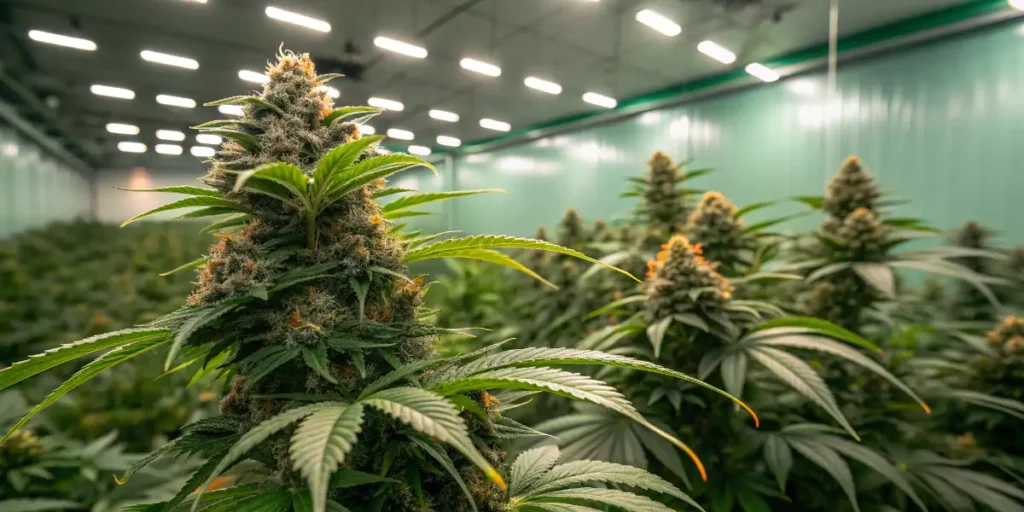
Pest and Disease Prevention for Healthy Cannabis Plants
Maintaining robust health in cannabis cultivation involves proactive measures to prevent pests and diseases. Growers of this strain should regularly inspect the plant for signs of mold or insect infestations. Employing organic pesticides and beneficial insects can help protect the buds, ultimately preserving the terpenes and ensuring a bountiful harvest. Consistent vigilance is key to cultivating healthy cannabis.
In protecting this variety, environmental control plays a pivotal role. Ensuring adequate ventilation and maintaining optimal humidity can deter mold and mildew. Cindy 99, known for its resilience, still benefits from such precautions. Cleanliness in the growing area further aids in disease prevention, as a sanitary environment minimizes the risk of harmful pathogens impacting the yield.
Integrating companion plants may enhance the natural defense mechanisms of this cultivar. Herbs like basil and marigold can repel pests, offering additional protection. Regular monitoring combined with these preventative strategies fosters a thriving environment for the plant. By implementing these practices, growers can secure a healthy crop and maximize the potential of their cannabis cultivation efforts.
Harvesting & Drying
To achieve optimal results with this strain, attentive harvesting is crucial. When cultivating cannabis, timing is everything. For Cindy 99, you should monitor the trichomes closely. As they turn milky with a hint of amber, your buds are at their peak potency and ready for harvest. This variety is known for its rapid flowering period, which promises a generous yield.
Before cutting down the plant, ensure your space is prepared for drying. Controlled environment plays a vital role in preserving the terpenes and enhancing the final aromas. Beginners and experienced growers alike should focus on maintaining a temperature range of 60-70°F with a humidity level of around 50%. These conditions prevent mold and protect the quality of the buds.
Once the buds are trimmed and hung, patience in the drying process is key. Drying slowly over 7-10 days will yield the best results. This allows for the chlorophyll to break down, minimizing harshness and enhancing the smoothness of your smoke. Remember, the patience you invest now will reflect in the quality of this cultivar during consumption.
After drying, curing further refines the buds. Transfer the dried buds into airtight containers, ideally glass jars, and store them in a cool, dark place. Open the jars daily for the first few weeks to slowly release any remaining moisture. This meticulous process results in Cindy 99’s remarkable flavors and cannabinoid profiles being fully realized.
Cindy 99 Strain Type: Indica, Sativa or Hybrid?
Cindy 99, often lauded for its uplifting effects, is primarily a sativa-dominant hybrid. This cultivar is cherished by cannabis enthusiasts for its rapid growth and high yield. Growers appreciate the plant’s manageable height, making it suitable for both indoor and outdoor cultivation. The buds are known for their dense structure and strong terpene profile, providing a flavorful harvest.
While this strain leans heavily towards sativa, with approximately 70% sativa genetics, it offers the best of both worlds. It promotes a clear-headed, energetic high typical of sativas while also incorporating the relaxing properties found in indicas. This variety is ideal for those looking to balance daytime activities and nighttime relaxation without the usual heaviness associated with pure indica strains.
This cultivar’s genetic composition makes it an excellent choice for growers seeking potent, flavorful yields. The plant thrives in various climates, providing a robust harvest due to its fast flowering time, typically around 7 to 8 weeks. The rich terpene blend contributes to its distinct aroma and taste, ensuring Cindy 99 remains a favorite among both novice and experienced cultivators.
Why Grow This Strain? Key Benefits for Cultivators
Cindy 99 is renowned among cannabis growers for its fast flowering period, which typically lasts between 7 to 9 weeks. This allows cultivators to achieve multiple harvests in a single growing season, maximizing yield potential. The plant’s compact size makes it ideal for indoor cultivation, accommodating small grow spaces while still producing ample buds rich in resin and cannabinoids.
This strain stands out due to its robust growth and resilience against common pests and diseases, reducing the need for intensive care. Growers appreciate the ease with which this cultivar can be managed, making it suitable for both novices and experienced cultivators. The well-balanced high and aromatic bouquet of terpenes further enhance its appeal among cannabis enthusiasts.
Furthermore, the high yield from this variety is particularly attractive for those hoping to optimize production. Cindy 99 produces dense, heavy buds that not only promise a substantial harvest but also deliver quality. Its unique combination of desirable traits has solidified its reputation in the cannabis community, ensuring its continued popularity among cultivators aiming for both quantity and quality.
Potential Challenges When Growing Cindy 99
Growers of the Cindy 99 cannabis variety often encounter specific challenges during cultivation. One common issue is its sensitivity to nutrient levels, which requires precise management to avoid nutrient burn or deficiencies. This cultivar thrives with a balanced nutrient mix, and growers should closely monitor the pH of the growing medium to ensure optimal conditions for healthy buds and robust yield.
Another challenge associated with this strain is its susceptibility to mold, particularly in high humidity environments. It is crucial to maintain good air circulation and regulate humidity levels to prevent mold from affecting the plant. Proper ventilation and regular pruning can help mitigate this problem, ensuring that the terpenes develop fully without any compromise in quality.
Moreover, Cindy 99 can grow quite tall, posing potential issues for indoor growers with limited space. Training techniques, such as topping and low-stress training, are recommended to keep the plant’s height manageable while promoting a more even canopy. By addressing these challenges with careful attention and proactive strategies, cultivators can achieve a successful harvest with this dynamic genetics.
Is This Variety Worth Buying? Here’s What You Need to Know
Cindy 99 is highly regarded among cannabis enthusiasts for its fast growth and high yield potential. This strain is particularly popular with growers looking for a reliable harvest, typically flourishing within 7 to 9 weeks. The plant’s robust genetics ensure resilience, making it an excellent choice for both beginners and experienced cultivators alike.
This variety stands out due to its aromatic buds rich in terpenes, which contribute to its delightful citrus and fruity aroma. Growers appreciate this cultivar not just for its quality buds but also for the ease of cultivation in various settings, whether indoors or outdoors. Its adaptability makes it a versatile option for different growing environments.
Investing in this plant is a wise choice for those seeking a potent blend of quality and efficiency. The plant’s quick turnaround time and significant yield make it an attractive prospect. Beyond cultivation, the strain’s flavor profile and effects are cherished by consumers, resulting in repeat demand. Overall, Cindy 99’s benefits justify the purchase, appealing to a broad spectrum of growers and users.
FAQs: Growing Cindy 99
What is the ideal climate for growing Cindy 99?
Cindy 99 thrives in warm, sunny environments with consistent temperatures ranging from 70-85°F (21-29°C). A well-controlled indoor setup can mimic these conditions, making it suitable for indoor cultivation as well. This cultivar, known for its robust growth, prefers moderate humidity levels, around 40-50% during the flowering stage, to prevent mold and mildew issues, ensuring the plant’s healthy development and quality yield.
What yield can growers expect from Cindy 99?
Cindy 99 is celebrated for its generous yields, offering approximately 16-19 ounces per square meter indoors and up to 35 ounces per plant outdoors under optimal conditions. It is essential to provide this genetics with adequate lighting and nutrients to achieve these results. The plant’s bushy nature benefits from training techniques to maximize light exposure and enhance bud development, contributing to its impressive bounty.
How long does Cindy 99 take to flower?
This variety is prized for its relatively short flowering period, typically around 7-9 weeks. This quick flowering time makes it an attractive option for growers looking to have multiple harvests per year. With proper care, growers can look forward to dense, resinous buds that exhibit the strain’s characteristic sweet and fruity aroma, making the short wait worthwhile for eager cultivators.
What are common problems when cultivating Cindy 99?
Cindy 99 can be susceptible to issues like powdery mildew and spider mites, particularly if the environment is too humid or the plant lacks airflow. Regular inspection and preventive measures, such as maintaining appropriate humidity levels and ensuring air circulation, can help avoid these problems. Additionally, being vigilant about nutrient levels prevents deficiencies or excesses that could hinder the plant’s development and overall health.
What training techniques are recommended for Cindy 99?
This plant responds well to various training methods, such as Low-Stress Training (LST) and topping, which can significantly enhance light exposure and increase yields. Employing these techniques helps manage the plant’s height and encourages a more even distribution of bud sites. Such training practices can amplify the high-yield potential of Cindy 99, making them worthwhile for growers seeking to optimize their crop output.