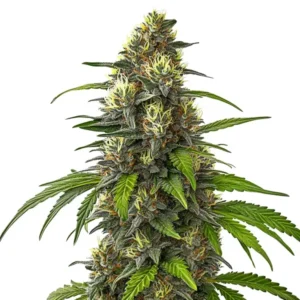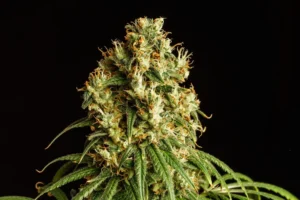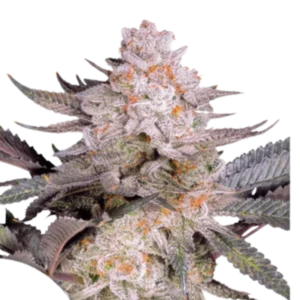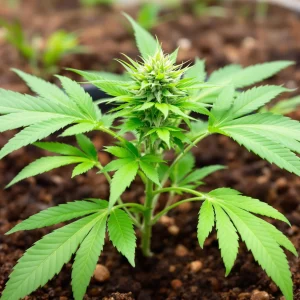
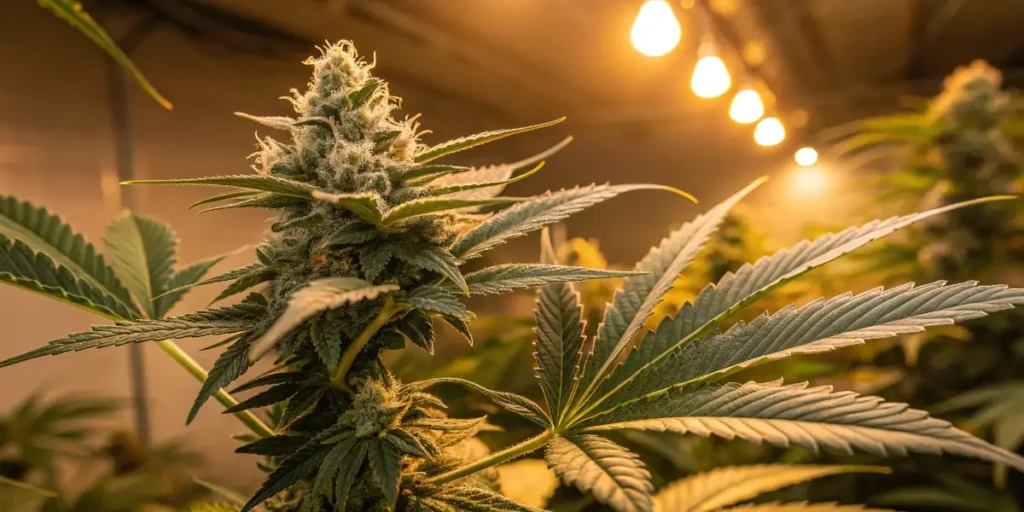

To cultivate Clementine successfully, begin with selecting quality seeds or clones. Ensure that your growing environment offers abundant light, as this variety thrives under strong illumination. Temperature and humidity control are vital for promoting healthy cannabis growth. Keep the temperature between 70-85°F while maintaining relative humidity around 40-50% during the vegetative stage.
This cultivar flourishes when given proper nutrients. During the vegetative phase, focus on nitrogen-rich fertilizers to support its rapid growth. As the plant transitions into the flowering stage, shift to phosphorus and potassium-rich nutrients. Maintaining proper nutrient balance enhances bud development and potency, resulting in a bountiful yield.
Recommended Strains
Clementine

|
THC | 18% - 22% (Medium) |

|
Lineage | Tangie x Lemon Skunk |

|
Type | Feminized |

|
Height | 4.92 ft | 1.5 m |

|
Yield | Low |

|
Yield Indoor | 0.98 - 1.31 oz/ft² | 300 - 400 g/m² |

|
Yield Outdoor | 14.11 - 21.16 oz/plant | 400 - 600 g/plant |

|
Flowering Time | 8 - 10 weeks |

|
Phenotype | 30% Indica / 70% Sativa |

|
Medical | Depression, Insomnia, Muscle Spasms |

|
Effects | Happy, Hungry, Relaxed |

|
Flavors | Citrus, Lemon, Orange |
Mimosa
|
|
THC | 24% - 30% (High) |
|
|
Lineage | Purple Punch x Clementine |
|
|
Type | Feminized |
|
|
Height | 6.56 ft | 2 m |
|
|
Yield | High |
|
|
Yield Indoor | 2.29 oz/ft² | 700 g/m² |
|
|
Yield Outdoor | 21.16 - 28.22 oz/plant | 600 - 800 g/plant |
|
|
Flowering Time | 8 - 10 weeks |
|
|
Phenotype | 30% Indica / 70% Sativa |
|
|
Medical | Arthritis, Insomnia, Pain |
|
|
Effects | Energetic, Euphoric, Happy |
|
|
Flavors | Citrus, Orange, Pine, Sweet |
Regularly prune and manage canopy airflow for this genetics to maximize light exposure and prevent mold. As harvest approaches, monitor trichomes closely; clear to milky trichomes indicate peak ripeness. Clemintine growers often enjoy a harvest rich in terpenes, offering aromatic and flavorful buds with a rewarding yield.
Clementine Strain Overview: Traits, Effects & Genetics
This strain is a sativa-dominant hybrid renowned among cannabis enthusiasts for its vibrant citrus aroma and uplifting effects. Originating from a cross between Tangie and Lemon Skunk, this variety showcases its unique aromatic profile due to its rich terpene content. Growers appreciate the plant’s vigorous growth and moderate yield, making it a favorite in many cultivation circles for both novices and experienced cultivators.
The effects of this cultivar are typically energetic and euphoric, making it an excellent choice for daytime use. Users often report a burst of creativity and an increase in focus, which can be particularly beneficial for those undertaking artistic projects. Due to its invigorating properties, it’s also popular among those seeking relief from fatigue and stress without the typical sedation associated with other strains.
Genetically, the plant has been bred to emphasize its robust citrus flavors, anchored by high levels of myrcene and limonene terpenes that contribute to its distinctive scent. These aromatic compounds not only define its scent and taste but also enhance its upbeat effects. While it flourishes in various environments, optimizing light and temperature can help maximize the buds’ quality at harvest.
Clementine’s manageable growth patterns and rewarding yield make it a prudent choice for commercial and personal cultivation alike. The combination of its potent effects and flavorful profile not only delights consumers but also provides growers an opportunity to experience the full spectrum of cannabis cultivation. Proper care during the growing process ensures the potency and aromatic richness this strain is celebrated for.
Optimal Environment to Grow Clementine Successfully
Creating the perfect environment is crucial for cultivating this strain. Ensuring the right balance of light, temperature, and humidity will lead to a healthy growth cycle. This variety thrives under full-spectrum LED lights, replicating the natural sunlight it needs. Indoor growers should maintain temperatures between 70°F and 85°F during the day to support robust development.
For Clementine, controlling humidity is key to preventing mold and encouraging healthy buds. During the vegetative stage, aim for 60% humidity, decreasing it to 40-50% during the flowering phase. This gradual reduction helps the plant focus its energy on producing resinous, potent buds. Proper air circulation is also essential, as it enhances the plant’s capacity to endure the maturation process.
Soil quality and nutrients are fundamental to the cannabis cultivation process. This cultivar benefits from well-draining soil rich in organic matter. Growers should supplement with nutrients high in nitrogen during the vegetative stage and transition to phosphorus-rich fertilizers as the plant enters the flowering period. Consistent monitoring and adjusting of soil pH, ideally between 6.0 and 7.0, are needed for optimal nutrient uptake.
For maximum yield, regular pruning and training techniques can be employed. These practices will encourage this genetics to produce more substantial colas and increase light penetration to lower buds. Patience is vital, as harvesting too early can affect the potency and terpene profile of the plant. By maintaining a well-controlled environment, growers can achieve a successful and rewarding Clementine harvest.
Grow Room Setup for Clementine Plants
When cultivating cannabis like the Clementine strain, creating an optimal grow room environment is crucial. Begin by choosing the right space, which should be well-ventilated to control humidity and temperature. This genetics thrives in conditions where temperatures range between 70-85°F during the day and slightly cooler at night.
Lighting plays a vital role in the successful growth of this cultivar. Utilize full-spectrum LED lights or high-pressure sodium lamps to mimic natural sunlight, ensuring robust bud development. Position the lights at the appropriate height to prevent light burn while promoting healthy foliage and enhancing terpene production in the plant.
Proper airflow within the grow room is essential for this variety. Install oscillating fans to maintain a gentle breeze, which strengthens the stems and aids in controlling moisture. Moreover, a carbon filter can help manage odors, ensuring a discreet cultivation process. Monitoring these factors contributes significantly to achieving a good yield.
Irrigation and nutrients are another key aspect of nurturing the plant. Set up a reliable watering system to maintain a consistent moisture level in the soil. Nutrient-rich solutions tailored for cannabis will supply vital elements that promote vigorous growth and bountiful harvests. Attention to these details will help maximize the potential of the Clementine strain.
Indoor Growing Tips for Clementine
To successfully cultivate Clementine indoors, ensure you provide ample lighting. LED grow lights are highly recommended for this variety, as they offer the right spectrum and intensity. Keep the lights at an appropriate distance to prevent damage to the plant. Temperature regulation is also crucial; maintaining a stable environment between 70-85°F will promote healthy cannabis growth and abundant buds.
Proper ventilation plays a vital role in the cultivation of this cultivar. It helps regulate humidity and prevent mold, especially during the flowering stage. Using oscillating fans can enhance air circulation, ensuring that the plant remains robust. Aim for 40-50% humidity for the vegetative phase and lower it to 30-40% during flowering to boost the development of its aromatic terpenes.
Nutrition is key for this genetics to thrive, so ensure you provide a balanced diet throughout its lifecycle. Use a high-quality cannabis-specific fertilizer to support vigorous growth and maximize yield potential. Regular feeding schedules combined with pH-balanced water will help it absorb nutrients effectively. By adhering to these guidelines, growers can look forward to a bountiful harvest of potent and flavorful buds.
Outdoor Growing Tips for Clementine
For successful outdoor cultivation of Clementine, selecting a location with abundant sunlight is crucial. This variety thrives in warm climates where the temperature can significantly enhance the development of buds and terpenes. Ensure the plant is sheltered from strong winds, which can damage its delicate branches and affect overall yield.
The plant requires well-drained soil that is rich in organic matter to support its vigorous growth. Regular watering is essential, but growers should be cautious to avoid overwatering as it may cause root rot. This cultivar benefits from organic fertilizers applied during its growing season to boost nutrient intake and encourage healthier buds.
Monitoring for pests and diseases is vital for protecting it from potential threats that could compromise harvest quality. Implementing integrated pest management can help maintain a balanced ecosystem. As the harvest approaches, checking trichome development is key to determining the perfect time to gather the fruits of your labor, ensuring peak potency and flavor.
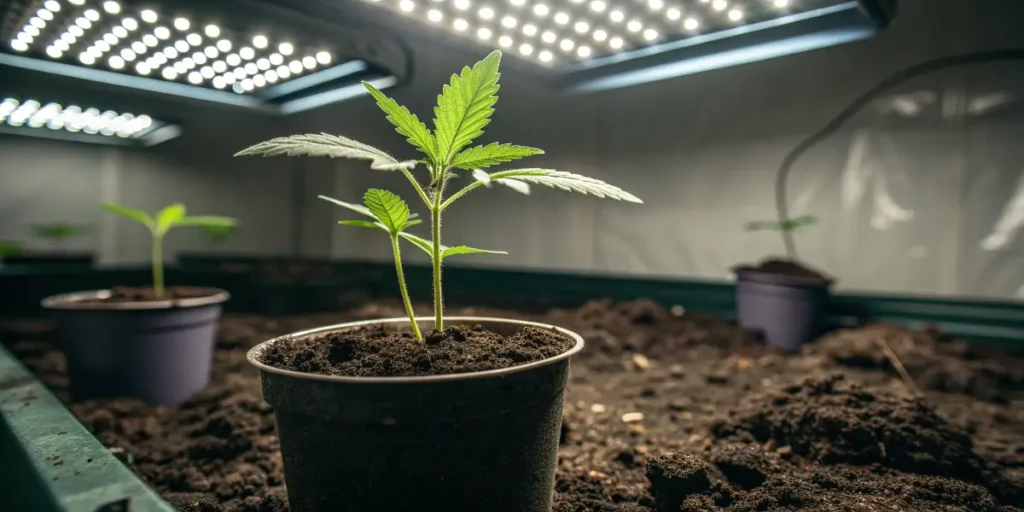
How to Germinate & Propagate Clementine
Germinating Clementine seeds is the first step in cultivating this strain and requires attention to detail to ensure optimal growth. Start by soaking the seeds in room temperature water for 12-24 hours to kickstart the germination process. After soaking, place them between moist paper towels in a warm, dark environment. Keep the towels damp and check daily for sprouting, which typically occurs within a week.
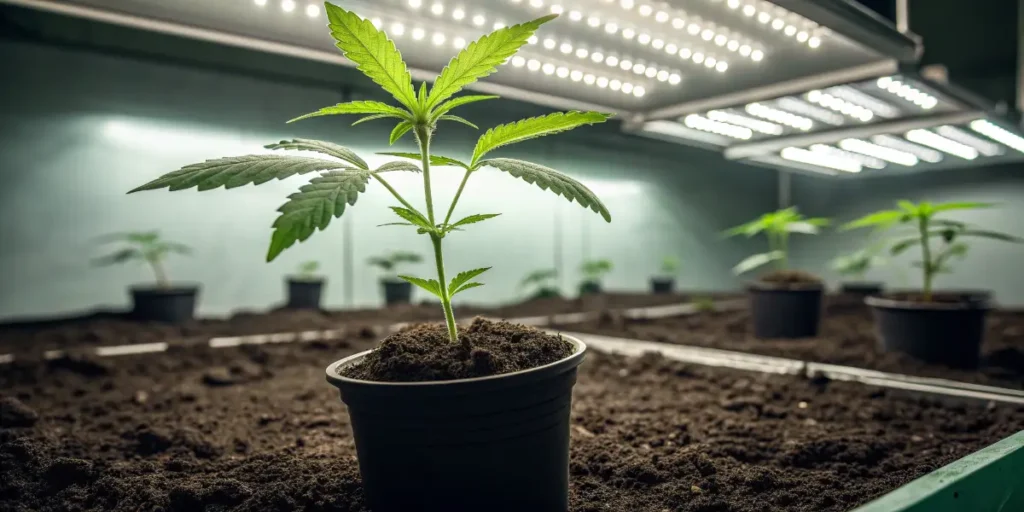
Once the seeds have sprouted, gently place them into small pots filled with a lightly moistened, high-quality soil mix, ensuring the taproot faces downward. This cultivar thrives in well-aerated environments, so consider adding perlite to enhance drainage. Keep the young plants under a humidity dome to maintain consistent moisture levels, which aids in rapid and healthy development.
To propagate cuttings from mature plants of this variety, select healthy branches with at least two nodes. Cut at a 45-degree angle and dip the cut end into rooting hormone to encourage root growth. Place the cuttings in a growing medium, such as rockwool cubes, under a humidity dome. Consistent airflow and light will prevent mold, ensuring vigorous propagation of the plant.
As the cuttings establish roots, gradually acclimate them to the grow environment by removing the dome for increasing periods each day. With care, these propagated plants will develop into robust cannabis specimens, mirroring their parent’s quality. Dedicated growers can expect a bountiful yield with rich terpene profiles, ready for harvest after a few months of nurturing attention to this genetics.
Vegetative Stage
In the vegetative stage, providing the proper care for Clementine is crucial to ensure a successful yield. This period is all about promoting healthy growth before the plant transitions to flowering. To achieve this, focus on maintaining a controlled environment with the ideal temperature range between 70-85°F and humidity levels around 40-70% to favor verdant growth and robust development.
Lighting plays a pivotal role in the vegetative stage of this cultivar. Aim for 18-24 hours of light per day to maximize photosynthesis and growth. Fluorescent or LED grow lights are highly recommended, as they are efficient and produce minimal heat. Ensure the lights are positioned appropriately to prevent stretching and encourage compact, sturdy stems, setting the stage for abundant buds.
Nutrient management is essential for thriving this strain during the vegetative phase. A balanced nutrient solution high in nitrogen will support lush foliage and establish a strong foundation. Monitor the pH levels in your growing medium, keeping it between 6.0 and 6.5 for soil or 5.5 to 6.0 for hydroponics, which aids optimal nutrient absorption and healthy cannabis plant development.
Attention to detail in pruning and training techniques can significantly enhance the growth potential of this variety. Techniques like topping or low-stress training (LST) can improve airflow and light penetration, which are vital for robust growth and terpene development. Despite the effort, these methods contribute to a more productive harvest by maximizing the plant’s structure and exposure to light.
Flowering Clementine: What to Expect
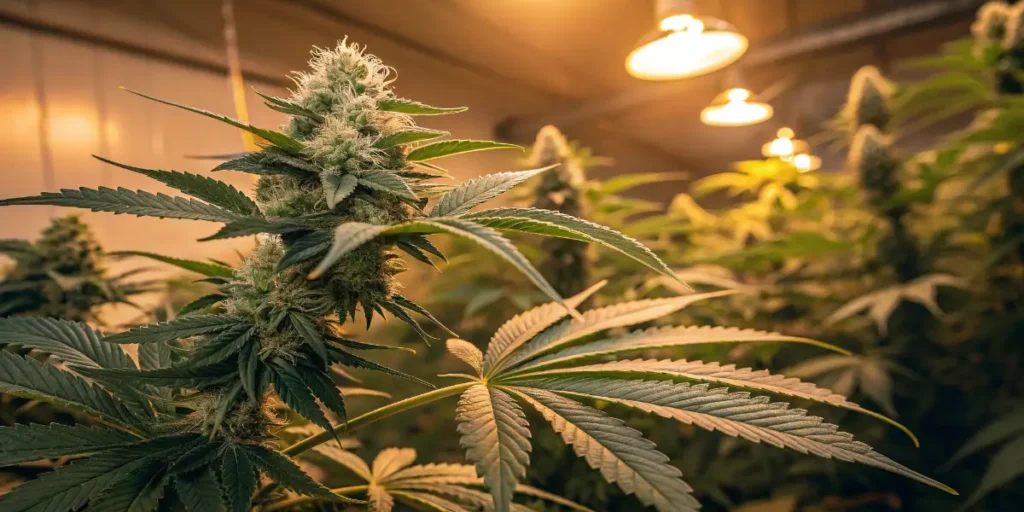
As the flowering phase begins for this cultivar, growers can anticipate a visually impressive transformation. The plant will start to exhibit dense buds covered in a shimmering frost of trichomes. This is a crucial time for the cannabis as it must be maintained under optimal conditions to ensure a bountiful harvest. Attention to detail is key in this stage.
During the flowering period, it’s important to maintain consistent lighting and temperature conditions for this variety. Growers should ensure adequate airflow to prevent mold and mildew, which can jeopardize the health of the plant. This strain is known for its robust growth, so be prepared for expansion, and consider additional support structures if needed.
The terpene profile of this cultivar starts to develop significantly as it matures. Expect an enticing aroma that combines citrus notes with a hint of spice, characteristic of Clementine. This aromatic development is an excellent indicator of the plant’s readiness for harvest. Regular monitoring of trichome coloration will guide growers on the best harvest time.
Careful planning and observation during the flowering stage are essential for maximizing the yield of this strain. By maintaining optimal environmental conditions, growers can look forward to producing high-quality cannabis. Remember, every decision made during this time impacts the final quality and potency of the buds, making it a rewarding challenge for cultivators.
Fertilizers & Nutrient Schedule
Feeding Clementine properly is essential for healthy growth and maximizing yield. This strain thrives on a balanced diet of macronutrients and micronutrients. During the vegetative stage, prioritize nitrogen intake to support leafy growth. As the plant transitions to flowering, reduce nitrogen and increase phosphorus and potassium levels to encourage robust buds and resin production.
Consistency is key when feeding this variety. Weekly nutrient schedules with measured amounts can help prevent deficiencies and nutrient burn. Liquid fertilizers can be mixed into waterings for ease of absorption, and monitoring pH levels ensures optimal uptake. For organic growers, compost teas and kelp extracts can provide a nutrient-rich alternative throughout the growth cycle.
This cultivar responds well to incremental adjustments in food, which allows it to achieve its full potential. Carefully observing the plant for signs of nutrient stress or deficiencies, such as yellowing or curling leaves, can help hone your feeding regime. Regular feeding adjustments reflect the plant’s needs as it grows and conditions change.
By harvesting time, a well-fed Clementine is evident in its vibrant colors and fragrant terpenes. To ensure clean and flavorful buds, a flush with pure water during the final weeks is recommended. This cultivar rewards attentive growers with a bountiful harvest when fed according to its requirements, highlighting the importance of a well-maintained nutrient schedule.
Pest and Disease Prevention for Healthy Cannabis Plants
Keeping cannabis plants free from pests and diseases is crucial for a successful harvest. Growers must pay attention to environmental factors, such as humidity and temperature, which can influence pest infestation. This strain, known for its vibrant terpenes and high yield, thrives in conditions where airflow and cleanliness are maintained to prevent issues like mold or spider mites.
Implementing preventive measures is essential for maintaining the health of this cultivar. Regular inspections and using natural predators like ladybugs can help keep harmful insect populations in check. Additionally, ensuring that the soil is clean and free of debris will provide the plant with a strong foundation to resist common pathogens.
Clementine’s robust genetic makeup allows it to endure various challenges during cultivation. However, diligence is necessary to prevent infestations and diseases that can affect the quality of the buds. Growers should remain vigilant throughout the growth cycle, employing techniques such as crop rotation and organic treatments to safeguard this variety.
Harvesting & Drying
When the cultivation process nears completion, the critical stage of harvesting begins for this strain. It’s essential to monitor trichomes closely as they transition from clear to a milky white with some amber hues. Ideal harvest time ensures the buds have matured fully, optimizing cannabinoid and terpene profiles. Growers need to be observant, as timing is crucial to maximize yield and potency.
After harvesting, the careful drying of the plant is vital to preserve its terpenes and cannabinoids. Hang the harvested branches upside down in a dark room with optimal humidity levels, around 45-55%. This method prevents mold and preserves the flavor profile of this variety. Maintaining the right conditions during drying ensures a quality end product, crucial for achieving the best from your crop.
Once the initial drying phase is over, it’s time to cure the buds of this cultivar. Place them in airtight containers, opening them daily for airflow during the first few weeks. This practice enhances the aroma and smoothness of the smoke, an integral part of the cannabis experience. The curing phase should be extended to achieve top-quality results, enhancing the distinct characteristics of the plant.
Throughout both harvesting and drying, attention to detail ensures Clementine retains its delightful flavors and potent effects. By following proper techniques, growers can unlock the full potential of this genetics. The final product should manifest the vibrant terpene profile and quality that enthusiasts of this variety seek. Quality harvesting and drying practices are indispensable for a successful cultivation journey.
Clementine Strain Type: Indica, Sativa or Hybrid?
Clementine is a hybrid strain cherished by cannabis enthusiasts for its unique genetic makeup. This cultivar is a cross between two prominent Sativa-dominant varieties, Tangie and Lemon Skunk. The plant thrives in various cultivation environments, providing growers with opportunities to experience vigorous growth and substantial yields. Known for its energetic effects, this strain leans heavily towards Sativa, making it popular for daytime use.
Growers who choose to cultivate this variety can expect a manageable plant size with a robust structure, ideal for various growing conditions. The buds are typically dense and drenched in resin, showcasing a vibrant green color. The terpenes present in the plant contribute to its unique aroma and flavor profile, characterized by citrusy notes that tantalize the senses. Enthusiasts can look forward to a rewarding harvest.
This cultivar typically flourishes in sunny, temperate climates, though it can also be effectively nurtured indoors with proper care. Regular pruning helps manage its height and promotes better airflow around the buds, ensuring a healthier plant. With its uplifting effects, the Clementine strain is favored by those seeking inspiration and creativity, making it a versatile choice for both recreational and therapeutic use.
Why Grow This Strain? Key Benefits for Cultivators
Clementine offers significant advantages for cannabis growers, particularly due to its robust growth and resistance to pests. This strain thrives in both indoor and outdoor environments, making it a versatile choice for cultivators. With the right care, the plant can produce a bountiful yield, leading to a satisfying and rewarding harvest experience for anyone pursuing the art of cannabis cultivation.
The standout attribute of this cultivar is its remarkable terpene profile that delivers fresh, citrusy aromas. This genetic trait not only enhances the sensory appeal of the buds but also contributes to its therapeutic potential. Growers can expect a high yield of aromatic buds that are appealing to the senses, promising both recreational and medicinal benefits.
Utilizing this variety for cultivation can offer growers a high return on investment through its impressive yield potential. Clementine stands out for its vibrant and potent buds, making it a preferred choice among cultivators looking for quality and quantity. Moreover, its resilient genetics ensure that even novice growers can achieve successful harvests with relative ease.
Potential Challenges When Growing Clementine
When cultivating Clementine, environmental control is crucial to maximize its potential yield. This strain thrives in stable conditions with consistent light cycles and temperature. Inadequate lighting can lead to stretched plants and reduced bud density. Moreover, maintaining ideal humidity levels helps prevent mold and mildew, which can be detrimental to the buds’ quality if not managed properly.
This cultivar is also prone to nutrient lockout, especially if over-fertilized. Growers should monitor soil pH and nutrient levels regularly to ensure the plant absorbs essential minerals efficiently. Balanced feeding regimens tailored to this variety’s specific needs will promote vigorous growth and improve overall health, enhancing its vibrant terpene profile and maximizing harvest potential.
Pest management is another critical factor to consider when growing this variety. The plant can attract common cannabis pests such as spider mites and aphids. Implementing integrated pest management strategies, including regular inspections and natural predators, will help protect the crop. Addressing these challenges with careful monitoring can lead to a successful cultivation experience with Clementine.
Is This Variety Worth Buying? Here’s What You Need to Know
For cannabis enthusiasts looking for a vibrant, citrusy experience, this strain is often highly recommended. Known for its robust terpene profile, this variety delivers a sensational aroma and flavor, reminiscent of its namesake fruit. Cultivators appreciate the plant for its vigorous growth and manageable height, making it suitable for both indoor and outdoor cultivation.
Growers favor this cultivar for its impressive yield and resilience against common pests. Its buds are dense and coated with a generous layer of trichomes, promising a potent harvest. With a relatively short flowering time, this variety allows for multiple cycles per year, ensuring consistent supply for both personal and commercial uses.
Deciding whether to invest in Clementine involves weighing several factors. This genetics is particularly valuable for those seeking a sativa-dominant profile with uplifting effects. Its demand in the market is steady due to its unique characteristics, making it a worthwhile addition for any grower focused on quality and marketability.
FAQs: Growing Clementine
What is the ideal climate for growing Clementine?
Clementine thrives in a warm, dry climate with plenty of sunshine. This strain prefers temperatures between 70-80°F (21-27°C) and moderate humidity levels. Outdoor growers should plant it in a location that receives ample sunlight throughout the day. Indoors, maintaining stable temperature and light conditions will optimize this variety’s growth. Ensuring consistent ventilation and airflow is crucial to prevent mold and pests in environments where humidity control is key.
How long does Clementine take to flower?
Clementine typically has a flowering period of about 8 to 9 weeks. This relatively short flowering time makes it attractive to growers seeking quicker harvests. Monitoring the plant closely as it nears the flowering stage is essential to ensure the resin production and potency reach their peak. Indoor and outdoor growers should adjust light schedules or planting times to maximize flowering potential and quality yields.
What are the yield expectations for Clementine?
When grown under optimal conditions, Clementine can offer impressive yields. Outdoor growers might expect to harvest up to 19 ounces (about 540 grams) per plant, while indoor conditions can yield around 18 ounces (roughly 510 grams) per square meter. This cultivar’s productivity is enhanced by proper training and care, making it a rewarding choice for diligent growers looking for fruitful harvests.
What training techniques work best for Clementine?
This strain responds well to various low-stress training (LST) methods and topping. These techniques encourage the plant to develop a bushier structure, increasing light exposure and improving overall yield. For Clementine, careful bending or tying encourages healthier growth patterns. Combining LST with topping can help maximize the plant’s potential and ensure a more potent and abundant harvest.
What nutrient needs does Clementine have?
Clementine requires a balanced nutrient regimen that includes nitrogen, phosphorus, and potassium. During the vegetative stage, the plant benefits from higher nitrogen levels. As it transitions to the flowering stage, increasing phosphorus and potassium while reducing nitrogen will enhance bud development. Monitoring the plant for nutrient deficiencies or excesses and adjusting feeding schedules accordingly is crucial for maintaining its health and productivity.