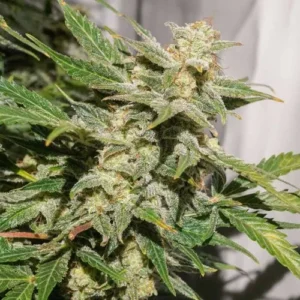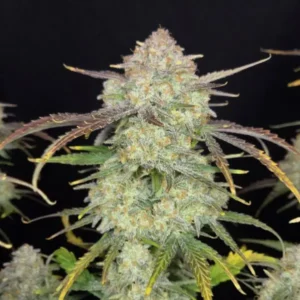


Starting with healthy seedlings is essential for cultivating Diesel Glue successfully. As a hardy cannabis option, the plant thrives in both indoor and outdoor settings. Maintaining optimal conditions such as temperature and humidity is crucial. Growers should aim for a temperature range between 70-85°F with moderate humidity levels to enable the best environment for the plant’s growth.
This cultivar responds well to techniques like topping and Low-Stress Training (LST) to promote an even canopy of buds. Additionally, it is vital to provide support for the developing branches as the weight of the buds increases. Regularly monitoring soil nutrients, and making necessary adjustments, ensures that this variety meets its potential yield and aromatic terpene profile.
Recommended Strains

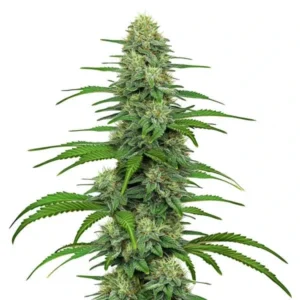
Diesel Glue

|
THC | 18% - 19% (Medium) |

|
Lineage | New York Diesel x Black Domina |

|
Type | Feminized |

|
Height | 3.94 ft | 1.2 m |

|
Yield | High |

|
Yield Indoor | 1.64 oz/ft² | 500 g/m² |

|
Yield Outdoor | 21.16 oz/plant | 600 g/plant |

|
Flowering Time | 9 - 10 weeks |

|
Phenotype | 30% Indica / 70% Sativa |

|
Effects | Energetic |

|
Flavors | Citrus, Spicy |
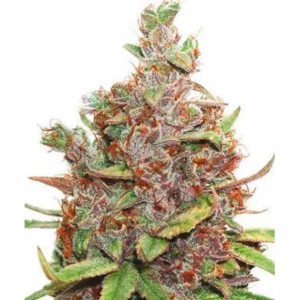
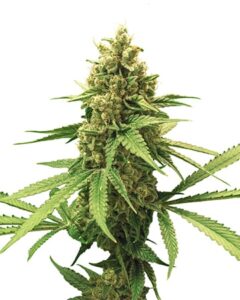
Auto Glueberry OG
|
|
THC | 17% - 19% (Medium) |
|
|
Lineage | Blueberry x Auto Glueberry OG |
|
|
Type | Autoflowering |
|
|
Height | 4.1 ft | 1.25 m |
|
|
Yield | High |
|
|
Yield Indoor | 1.64 - 1.97 oz/ft² | 500 - 600 g/m² |
|
|
Life Cycle | 10 - 12 weeks |
|
|
Phenotype | 50% Indica / 50% Sativa |
|
|
Effects | Relaxed, Balanced, Calming |
|
|
Flavors | Earthy, Fruity, Diesel |
As Diesel Glue approaches harvest time, attention should be paid to the trichomes for maximum potency. It is recommended to harvest when most trichomes are milky with a few amber hues. Proper drying and curing techniques will enhance the flavor and effectiveness of the buds. With these steps, the plant can deliver a robust yield of high-quality cannabis.
Diesel Glue Strain Overview: Traits, Effects & Genetics
Diesel Glue is a distinct cannabis variety known for its robust growth and potent effects. This strain is particularly favored by cultivators for its resilience and high yield potential. The plant thrives in various environments, offering a satisfying cultivation experience for both novice and experienced growers. Its ease of growth makes it a popular choice among enthusiasts.
The unique blend of terpenes in this cultivar contributes to its remarkable aroma and flavor profile. Notably, the buds emit a pungent, fuel-like scent that many users find appealing. These aromatic compounds are linked to its parent genetics, which include renowned diesel strains. This heritage not only enhances its aromatic properties but also contributes to its high THC content.
This variety is celebrated for its potent effects combining euphoria and relaxation. Many users report an uplifting cerebral high, followed by a gentle body relaxation, making it suitable for various occasions. Whether used recreationally or medicinally, the effects of the plant are long-lasting and robust, appealing to a wide array of cannabis enthusiasts seeking both mental and physical relief.
In terms of cultivation, this genetics is known for producing dense, resinous buds that contribute to a bountiful harvest. Growers will appreciate its adaptability and consistent performance across different growing conditions. Overall, this strain is a versatile choice, providing robust growth, high yield, and a rewarding experience for those who choose to cultivate it.
Optimal Environment to Grow Diesel Glue Successfully
To cultivate Diesel Glue to its fullest potential, indoor environments with consistent temperature control are ideal. This strain thrives in temperatures between 70-85°F (21-29°C) with relative humidity around 40-50%. Maintaining these conditions supports robust terpene development and vigorous plant growth. The use of reflective materials can enhance light distribution, benefiting the buds’ development.
Ventilation is crucial for this variety, as it helps regulate temperature and humidity, avoiding mold and mildew. Growers should install oscillating fans to circulate air, ensuring a steady flow that strengthens the stalks. This practice also aids in distributing carbon dioxide effectively, which the plant requires for photosynthesis, promoting a healthy yield.
Lighting plays a critical role in the success of cultivating this cultivar. Diesel Glue responds well to LEDs, which produce less heat and can be adjusted for different growth stages. Setting a light schedule that mimics the natural sun, with 18 hours of light during the vegetative phase and 12 hours during flowering, can optimize its development.
Soil choice and nutritional balance are key to supporting the plant’s health. Opt for a medium that retains moisture without waterlogging, supplemented with nutrients that cater to cannabis requirements. Regularly monitor pH and nutrient levels to ensure this strain receives everything needed for a bountiful harvest, rewarding growers with potent, aromatic buds.
Grow Room Setup for Diesel Glue Plants
To successfully cultivate this strain, it’s important for growers to prepare an optimal indoor environment. Start by ensuring your grow room is well-ventilated, as airflow is crucial for the healthy development of the plant. Temperature and humidity control are paramount for this variety, typically aiming for temperatures between 70-85°F and 40-60% relative humidity during the vegetative stage.
Lighting plays a crucial role in the cultivation of this cultivar. Full-spectrum LED grow lights are recommended to support the vigorous growth and resin production of these cannabis plants. Keep the lights at an appropriate distance to prevent light burn while providing sufficient energy for the buds to flourish. Adjust lighting schedules to ensure 18-24 hours of light during its vegetative state.
This genetics requires a balanced nutrient regimen to reach its full potential. Utilize quality soil or a hydroponic setup with a nutrient mix high in nitrogen during the vegetative phase, transitioning to phosphorus and potassium-rich formulas during flowering. Regular monitoring of pH levels is essential, aiming for a range of 6.0 to 6.5 to ensure nutrient absorption.
Growers should be mindful of space management as the plant can stretch significantly during its flowering period. Pruning and trellising techniques can be employed to maximize light exposure and enhance airflow around the buds. Regular monitoring and adjustments throughout the growing process will help optimize the yield and terpene profile of Diesel Glue during harvest.
Indoor Growing Tips for Diesel Glue
To cultivate Diesel Glue successfully indoors, growers should ensure optimal lighting conditions. Utilizing LED grow lights can effectively mimic natural sunlight, crucial for the plant’s photosynthesis and bud development. Maintain the temperature between 68-77°F with adequate ventilation to prevent mold. Consistent humidity levels around 40-50% will support healthy growth, aiding in high-yield cannabis production.
This variety benefits from a rich nutrient program. Regular feeding with a balanced fertilizer can enhance terpene profiles and bolster the cultivar’s robust characteristics. A mix rich in nitrogen during the vegetative stage and phosphorus in the flowering stage is optimal. Monitor pH levels closely, keeping them between 6.0 and 6.5 to prevent nutrient lockout and ensure vibrant, healthy plants.
For this cultivar, pruning and training techniques such as topping and low-stress training can maximize yield by promoting even light distribution to all parts of the plant. Regularly inspect for pests and diseases, as indoor environments can sometimes harbor unwanted infestations. Proper attention to these details will lead to a successful harvest, ensuring the buds are plentiful and potent.
Outdoor Growing Tips for Diesel Glue
Choosing the optimal location for Diesel Glue is crucial for robust growth. Ensure the plant receives plenty of sunlight, ideally 10-12 hours daily, which will enhance its terpene production. The soil should be well-draining to prevent root rot, a common issue in cannabis cultivation. Consider starting the seeds indoors before transplanting outside once the risk of frost has passed.
To achieve a high yield, growers should focus on regular pruning and training techniques. This leaves enough airflow through the branches, reducing the risk of mold, a common problem in cannabis outdoor cultivation. Feeding the plant with balanced nutrients will support its vigorous growth. Pay close attention to nitrogen, as it is especially demanding during the vegetative phase of this variety.
As harvest time approaches, monitor the buds closely for maturity signs. This cultivar typically benefits from a late-season harvest, allowing the plant to fully develop its rich profile of terpenes and cannabinoids. This makes timing critical to avoid over-ripeness, which can degrade quality. Use mesh netting to protect the buds from pests, ensuring the highest possible yield from this genetics.
How to Germinate & Propagate Diesel Glue
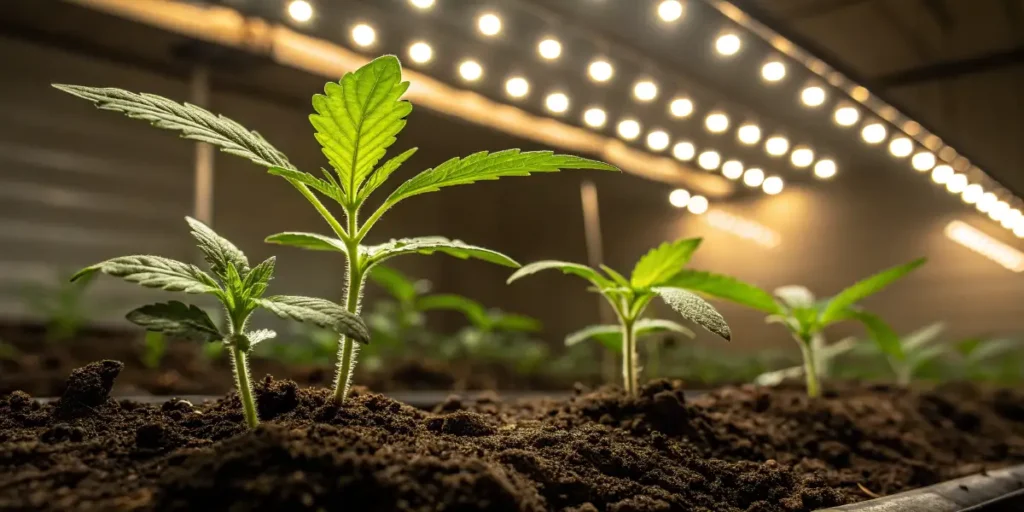
Germinating Diesel Glue seeds requires careful attention to detail to ensure robust cannabis plants. Start by soaking the seeds in water for 12 to 24 hours. This process can enhance germination rates by softening the seed coat. Once soaked, transfer them to a damp paper towel, placing it between two plates to maintain moisture and darkness, crucial factors for its successful germination.
After a couple of days, small roots will emerge, indicating that this strain is ready for planting. Use a light, well-aerated soil mix to ensure proper oxygenation and root development. Keep the soil consistently moist but not waterlogged, which can prevent effective growth. Once the plant has established roots, you’ll notice it beginning to sprout, signaling healthy development.
To propagate this cultivar effectively, consider using cuttings from a mature plant. Select a healthy branch and cut a segment about four to six inches long. Remove the lower leaves and place the cutting into a rooting hormone before planting in a suitable medium. Maintain a humid environment to support root initiation, critical for maximizing the yield and potency of the harvest.
Propagation of this variety benefits from consistent conditions, favoring stable temperatures and humidity levels. As roots develop, growers can gradually acclimate the plant to drier conditions, preparing it for potting. Taking these preliminary steps ensures a high success rate, allowing for the Diesel Glue buds to mature with a rich array of terpenes, providing a satisfying and bountiful harvest.
Vegetative Stage: Nurturing Your Plants
The vegetative stage is crucial for establishing a robust foundation for your Diesel Glue plants. During this period, focus on providing them with ample light, ideally 18-24 hours per day, to promote healthy growth. This strain thrives in well-aerated soil with a pH level of 6.0 to 7.0, ensuring that it can absorb essential nutrients efficiently.
Watering is key during the vegetative stage. Provide the plant with consistent moisture, allowing the top layer of soil to dry out slightly between waterings. Overwatering can stunt growth, so monitor the moisture levels closely. Regularly check for pests and diseases, as they can hinder the development of this variety and potentially impact future yields.
Nutrition is another cornerstone of cannabis cultivation. Feed this cultivar a balanced fertilizer high in nitrogen to encourage foliage development. The vegetative phase is where strong roots and sturdy stems form, setting the stage for bountiful buds. Keep a close eye on the plant’s growth rate to adjust nutrient levels as needed, ensuring optimal health.
Consider pruning techniques to enhance airflow and light penetration, which can be particularly beneficial for this genetics. Properly managed, these practices can lead to a more productive harvest. By nurturing your plants with care and attention throughout the vegetative stage, you lay the groundwork for producing aromatic buds rich in terpenes and achieving impressive yields.
Flowering Diesel Glue: What to Expect
During the flowering stage of Diesel Glue, growers can anticipate a transformation as this strain begins to showcase its full potential. This phase typically lasts between 8 to 10 weeks, during which the plant develops dense buds coated with sticky resin. Cultivators should ensure optimal conditions to encourage robust flowering and to enhance the quality and quantity of the yield.
Maintaining appropriate environmental conditions is crucial for this variety to thrive during flowering. Ensure the temperature remains consistently between 65-80°F with a relative humidity of around 40-50%. Adequate ventilation is necessary to prevent mold and mildew on the buds. Regularly monitor for pests, as their presence can severely impact the plant’s health and yield.
Nutrient management is another critical factor for the successful flowering of this cultivar. Gradually increase phosphorus and potassium levels to promote healthy bud development. It’s important to avoid nitrogen during this stage, as excessive amounts can inhibit bud growth and affect the taste and potency of the final product.
The culmination of cultivation comes at harvest time, as growers eagerly anticipate the results of their hard work. Diesel Glue’s buds will be ready when the trichomes appear milky-white, indicating peak potency. This is also when the rich terpene profile is most prominent, contributing to the unique aroma and flavor that define this remarkable cannabis genetics.
Fertilizers & Nutrient Schedule
Knowing the nutrient requirements for this strain is essential for achieving optimal growth and maximizing yield. Diesel Glue is a balanced hybrid that thrives with a well-planned nutrient schedule. Like many cannabis varieties, it benefits from a controlled feeding regimen that provides essential macro and micronutrients during its various life stages, ensuring robust buds and vigorous growth.
This cultivar requires a higher ratio of nitrogen during its vegetative phase to stimulate healthy foliage development. Growers should focus on incorporating a balanced fertilizer that includes nitrogen, phosphorus, and potassium. The use of organic fertilizers, such as worm castings or bat guano, can enhance the plant’s terpene profile, leading to a more aromatic final product.
As the plant transitions to the flowering stage, adjusting the nutrient mix to lower nitrogen and increase phosphorus and potassium promotes substantial bud formation. Supplements such as bloom boosters can help in enhancing terpene production and the overall potency of the harvest. Consistency in feeding and monitoring the plant’s response are crucial in this phase.
To prevent nutrient burn or deficiency, it’s vital to maintain an appropriate pH level in the growing medium, ensuring the nutrients are properly absorbed. Regularly flushing the growing medium can also help in removing any potential build-up of salts. By adhering to a tailored nutrient schedule, you can significantly boost Diesel Glue’s yield, ensuring a successful cultivation experience.

Pest and Disease Prevention for Healthy Cannabis Plants
To ensure the health of this strain, growers must adopt a proactive approach towards pest and disease prevention. Regular inspections of the plant’s leaves and buds help catch early signs of infestation or infection. Introducing beneficial insects like ladybugs can naturally control aphid populations, while maintaining optimal humidity levels reduces the risk of mold, ensuring a robust cultivation process for this variety.
Implementing crop rotation and diversifying plant genetics are effective strategies to stave off common cannabis diseases. This cultivar benefits from well-draining soil and balanced nutrients, supporting resilience against root rot and mildew. Timely application of organic fungicides and pesticides, such as neem oil, keeps harmful pests at bay, securing the development of high-quality buds when it’s time to harvest.
Practicing good sanitation by regularly cleaning tools and workspaces minimizes disease transmission. Diesel Glue thrives in clean environments with adequate airflow, as stagnant air can be a breeding ground for pathogens. Emphasizing these preventive measures ensures a healthy yield, with the plant fully expressing its potent terpenes and delivering a successful cultivation experience for dedicated growers.
Harvesting & Drying
To ensure a premium yield from your Diesel Glue cultivation, timing your harvest is crucial. Monitor the trichomes on the buds of this strain closely. When they shift from clear to a milky white with some turning amber, it’s time to harvest. This visual cue indicates that the cannabis plant has reached optimal potency and flavor, essential for quality results.
Careful handling during the cutting process is important to preserve the terpenes and cannabinoids in this variety. Use clean, sharp tools to snip branches, avoiding unnecessary damage. It’s advisable for growers to perform this task in the early morning or just before the lights come on, minimizing heat and light exposure to the delicate buds.
Once the plant is cut, the drying process begins, which is vital for enhancing the flavors of this cultivar. Hang the branches upside down in a dark room with controlled humidity around 45-55%. Proper air circulation helps prevent mold growth, a common issue in cannabis drying if not monitored diligently. Patience during this stage ensures a better product.
After initial drying, the curing process will refine the aroma and taste of the buds. Place the dried buds in airtight jars, burping them daily for the first two weeks to release any residual moisture. This step gradually perfects the unique profile of Diesel Glue, making it a desirable option for discerning cannabis enthusiasts seeking a quality harvest.
Diesel Glue Strain Type: Indica, Sativa or Hybrid?
Diesel Glue is a hybrid cannabis strain, expertly blending the best attributes of Indica and Sativa genetics. This cultivar is especially favored by growers for its balanced effects that offer both relaxation and mental stimulation. The plant combines the uplifting qualities of Sativa with the soothing properties of Indica, making it a highly versatile option for varying cultivation purposes.
In terms of cultivation, this strain requires attention to both its Indica and Sativa characteristics. Diesel Glue plants typically exhibit vigorous growth, thanks to their Sativa lineage, yet they maintain a manageable height, which is a classic Indica trait. Growers appreciate this variety for its robust yields and aromatic terpene profiles, which contribute to its impressive buds that are ready for harvest within a reasonable timeframe.
For those interested in optimal harvests, knowing the hybrid nature of this variety is crucial. It allows cultivators to maximize both resin production and overall yield by leveraging the plant’s mixed genetics. Adapting feeding and lighting schedules to suit Diesel Glue’s unique needs can significantly enhance its output, ensuring a successful and plentiful crop. This approach lets growers fully benefit from the multifaceted effects of this dynamic hybrid.
Why Grow this Variety? Key Benefits for Cultivators
For cannabis cultivation enthusiasts, Diesel Glue offers an intriguing blend of advantages. This strain is known for its remarkable yield potential, making it a favorite among growers aiming for maximum output. The plant’s robust nature ensures that it can withstand varying cultivation conditions, providing cultivators with some flexibility in their growing setups and techniques.
Another significant benefit of this cultivar is its rich terpene profile, which contributes to an unforgettable aroma and flavor. It is well-regarded for its distinct scent that blends diesel and earthy notes, delighting connoisseurs. Moreover, Diesel Glue is celebrated for producing dense buds that are laden with resin, enhancing its appeal for those focused on quality and potency.
Beyond its sensory appeal, the plant’s relatively short flowering period means growers can enjoy a faster harvest cycle. This variety’s resilience and ease of growth make it an ideal choice for cultivators at any experience level. Ultimately, selecting this genetics can lead to a bountiful and rewarding harvest for dedicated cannabis growers.
Potential Challenges When Growing Diesel Glue
Growing this strain can present unique challenges, primarily due to its sensitivity to environmental conditions. Cannabis growers must pay close attention to humidity levels, as this variety is prone to mold in overly moist environments. Ensuring proper airflow and monitoring humidity is crucial. Investing in a reliable dehumidifier could be beneficial, especially during the flowering stage, to protect the buds and boost the yield.
Besides mold, nutrient management is another potential hurdle when cultivating this cultivar. The plant demands a balanced nutrient profile throughout its growth cycle. However, like many cannabis varieties, it can be sensitive to nutrient burn, particularly with nitrogen. Regularly checking the soil’s pH and adjusting the feeding schedule according to the plant’s stage will help avert deficiencies and maximize growth.
Temperatures play a vital role in the successful cultivation of Diesel Glue. This genetics thrives in consistent, moderate temperatures and can suffer from extreme fluctuations. Keeping the growing environment around 68-77°F (20-25°C) will support healthy growth and development. By addressing these challenges, growers can look forward to a rewarding harvest with this potent, aromatic plant, rich in favorable terpenes.
Is this Strain Worth Buying? Here’s What You Need to Know
Diesel Glue is a hybrid cannabis strain known for its robust genetics and vigorous growth. Cultivation enthusiasts appreciate this variety for its ability to thrive in various environments, including indoor, outdoor, and greenhouse setups. The plant produces dense, resinous buds, making it a delight for those who prioritize both potency and yield. This cultivar can be a valuable addition to any grower’s repertoire.
One of the standout features of this strain is its rich terpene profile, which contributes to its unique aroma and flavor. Growers often highlight the diesel-like scent coupled with subtle earthy undertones. This genetics ensures that the final product not only delivers a compelling experience but also simplifies cultivation efforts due to its resilient nature. Proper care can lead to a rewarding harvest.
When considering whether Diesel Glue is worth your investment, it’s essential to weigh its characteristics against your needs. The plant’s high yield and aromatic qualities can be advantageous for commercial and personal growers alike. Ultimately, if you’re aiming for a strain that guarantees consistency and quality, this variety offers promising potential to enhance your cannabis cultivation experience.
FAQs: Growing Diesel Glue
What is the ideal climate for growing Diesel Glue?
Diesel Glue thrives in a temperate climate with plenty of sunshine and moderate humidity. This strain prefers temperatures between 70-80°F (21-27°C) during the day and slightly cooler nights. It’s crucial to maintain a stable environment as drastic temperature fluctuations can stress the plant and affect its growth. Growers in less consistent climates may benefit from indoor cultivation, where they can control these environmental factors more easily.
What is the flowering time for Diesel Glue?
This variety typically flowers within 8 to 10 weeks. Diesel Glue is known for its relatively short flowering period, making it attractive for those looking to harvest promptly. However, growers should monitor the trichomes to determine the best harvest time for their desired effects. Be patient, as rushing the process can impact the potency and flavor of this genetics.
How much yield can I expect from Diesel Glue?
The plant offers generous yields when grown under optimal conditions. Indoor growers can expect to harvest between 500-600 grams per square meter, while outdoor growers can yield up to 700 grams per plant. Diesel Glue is known for its robust output, but proper care, training, and nutrient management are essential to maximize its potential and ensure a bountiful harvest.
What common problems should I watch out for with Diesel Glue?
Diesel Glue is generally resilient but can be prone to mold if humidity levels are too high. Maintain proper air circulation and ensure your grow space is well-ventilated. Additionally, this cultivar can be sensitive to overfeeding, so follow a balanced nutrient schedule to avoid nutrient burn. Regular checks for pests like spider mites are also recommended.
What nutrient regimen is best for Diesel Glue?
Diesel Glue responds well to a balanced nutrient regimen that includes higher levels of nitrogen during the vegetative stage, followed by increased phosphorus and potassium during flowering. Organic nutrients or a well-rounded commercial product can work well. Keep a close eye on the plant’s response, adjusting as needed to ensure healthy growth and maximized yields.