
For those interested in cultivating Do-si-dos, starting with quality seeds or clones is essential. Ensure the environment for this variety is optimized for vigorous growth. Maintain a consistent temperature, and aim for around 60% humidity during the vegetative stage. This strain thrives under strong light sources, so growers should provide ample light for the best results in the initial phase.
This cultivar is known for its dense buds and rich terpene profile. During the flowering stage, which typically lasts 8-10 weeks, it’s crucial to monitor the plant for nutrient needs and signs of pest infestations. Utilizing natural pesticides can be beneficial. As buds develop, support branches to prevent them from bending or breaking due to the weight of the flowers.
When it’s time to harvest the plant, examine the trichomes closely; they should appear milky with some turning amber for peak potency. Do-si-dos is renowned for its impressive yield, so take care during the drying and curing process to preserve its unique aromas and flavors. Proper drying will enhance the quality and smoothness of the final product, offering a premium experience.
Do-si-dos Strain Overview: Traits, Effects & Genetics
Do-si-dos, a captivating cannabis strain, is appreciated for its unique combination of parent strains Girl Scout Cookies and Face Off OG. This variety is known for its striking appearance and aromatic buds, making it a favorite among growers and consumers. The plant thrives under the right cultivation conditions, offering a rewarding yield when properly nurtured.
The effects of this cultivar are intensely relaxing, making it a popular choice for evening use. Users often experience a blissful sedative sensation, complemented by a cerebral euphoria. Its robust terpene profile contributes to both the aroma and the impact, lending a complex scent that enhances the consumption experience.
Genetically, this strain is recognized for its high resin production, which is a trait admired by extract enthusiasts. Cultivation typically results in a bountiful harvest, though growers should note that it flourishes best in controlled environments. Attention to trimming and maintenance will ensure the plant’s buds develop to their full potential.
This variety’s appeal is further amplified by its visual allure, featuring vibrant green hues interspersed with purple undertones. The plant’s well-rounded effects make it a versatile addition to any cannabis collection, satisfying both recreational users and those seeking therapeutic relief. Whether grown indoors or outdoors, it remains a standout choice for cultivators.
Optimal Environment to Grow Do-si-dos Successfully
For successful cultivation of this strain, it is crucial to mimic its natural growing conditions. This variety thrives in a controlled indoor environment where temperature, humidity, and light can be precisely managed. Start by maintaining a temperature range of 70-80°F during the day and slightly cooler at night. This stability encourages robust growth and optimal terpene development.
Humidity levels are another critical factor for growing this cultivar effectively. Keeping humidity between 40-50% during the vegetative stage and gradually lowering it to 30-40% during flowering will help prevent mold and mildew. Ventilation is also essential to ensure fresh air circulates around the plant, aiding in healthy growth and maximizing the potential yield.
Lighting plays a pivotal role in the growth of the plant. A strong full-spectrum LED light can simulate the sun, providing the energy the buds need to flourish. Consistent light schedules, such as 18 hours on and 6 hours off during vegetative growth, are crucial for supporting robust cannabis growth and abundant harvests.
Soil quality should not be overlooked when cultivating this genetics. A well-aerated medium with rich organic materials will support the plant’s root system and improve nutrient uptake. Regular monitoring and adjustments to pH levels ensure that Do-si-dos can absorb essential nutrients, ultimately resulting in superior terpene profiles and a flavorful final product.
Grow Room Setup for Do-si-dos Plants
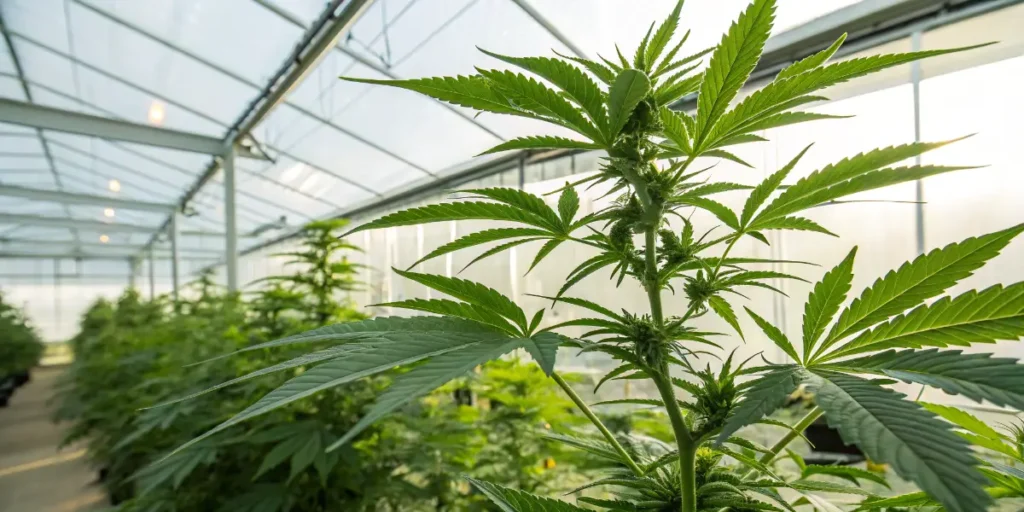
Setting up an effective grow room for this cultivar requires attention to several key factors that will influence its success. Growers should focus on providing ample light, humidity, and temperature control. This strain thrives in a well-ventilated space where temperature ranges between 70-80°F. Properly adjusting these conditions can help maximize both terpene profile and yield potential of the plant.
Lighting is crucial in cannabis cultivation, especially for Do-si-dos. LED grow lights are recommended due to their energy efficiency and ability to mimic natural sunlight. Positioning the lights between 18 and 24 inches above the canopy ensures optimal penetration without causing heat stress. Maintaining consistent schedules of 18 hours of light during the vegetative stage fosters robust growth.
Humidity control is another significant element in cultivating this genetics. During the early vegetative stage, relative humidity should be kept around 60%, gradually decreasing to 40-50% as the plant transitions to flowering. A hygrometer can assist in monitoring these levels, preventing mold and other moisture-related issues that can affect the buds’ quality.
Ventilation is vital to maintain airflow and regulate CO2 levels. Proper air circulation prevents stagnant pockets that can lead to pest infestations or other conditions detrimental to this variety. Fans and carbon filters can be utilized to keep the environment clean and odor-free as the plant matures. This setup promotes a successful harvest, enhancing the unique characteristics that Do-si-dos is known for.
Indoor Growing Tips for Do-si-dos
When cultivating Do-si-dos indoors, maintaining the right environment is crucial. Optimal temperature for the plant ranges between 70-85°F with humidity levels around 40-50% during flowering. Utilizing powerful LED lights can mimic natural sunlight, promoting the development of dense, resinous buds. Growers often find that controlling climate conditions will improve yield and enhance the cultivar’s rich terpene profile.
To maximize the potential of this variety, it’s essential to monitor nutrient intake carefully. The plant thrives on a balanced combination of nitrogen, phosphorus, and potassium. Regularly check pH levels, ensuring they remain between 6.0 and 6.5. Light pruning can help the plant focus its energy on producing potent, high-quality buds, which will be particularly noticeable at harvest time.
The genetics of this cultivar are robust, making it moderately resistant to pests and mold when grown indoors. Adequate air circulation is vital for preventing such issues. Consider using fans within the grow space to facilitate airflow. Training techniques like topping or low-stress training can also enhance yield by promoting even light distribution across the cannabis canopy.
Outdoor Growing Tips for Do-si-dos
For optimal cultivation of Do-si-dos outdoors, it is crucial to choose a location with plenty of sunlight and excellent drainage. The plant thrives in a warm, Mediterranean-like climate, so ensure that temperatures remain steady for the best yield. Growers need to monitor humidity levels, as excessive moisture might lead to mold and mildew, impacting bud development negatively.
This variety benefits from well-prepared soil enriched with organic matter, ensuring rich nutrient content. Regularly check the pH levels, maintaining them between 6.0 and 7.0 for optimal growth. Consider using organic fertilizers to enhance terpene production, which elevates the aromatic profile of the buds. Pruning and trimming are essential practices to promote healthy air circulation and sunlight penetration.
As harvest approaches, observe the plant’s trichomes closely to determine the perfect time for cutting. Typically, this cultivar tends to mature in late September to early October, depending on your local climate conditions. Allowing your buds to cure properly will improve their smoothness and preserve the unique terpene profile. Implement these techniques to maximize the potential yield of this robust cannabis strain.
How to Germinate & Propagate Do-si-dos
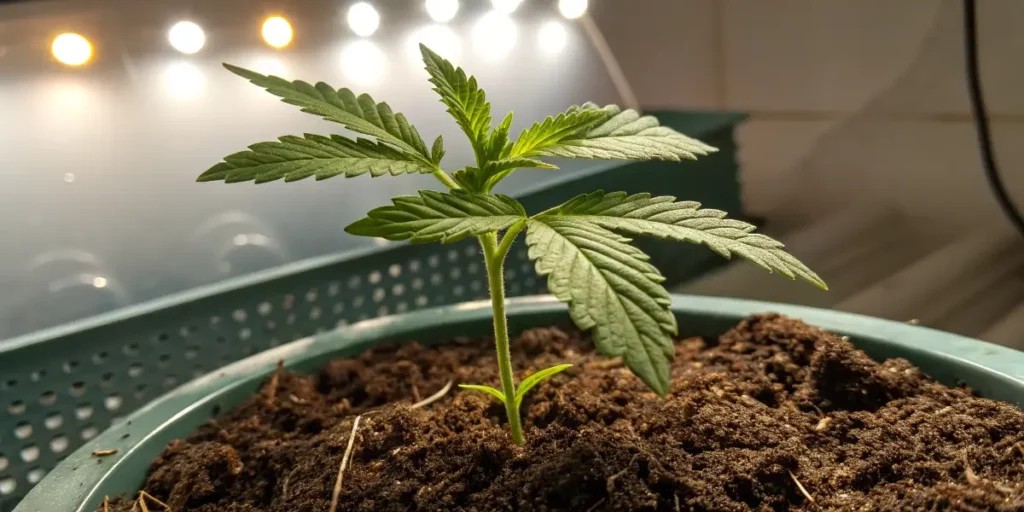
To successfully germinate this cannabis strain, begin by selecting high-quality seeds as they are fundamental for robust growth. Place the seeds of this variety between moist paper towels and ensure they are kept in a warm, dark location. This method offers an optimal environment, allowing growers to observe the initial stages before planting the healthy sprouting seeds.
This cultivar, known for its rich terpene profile, requires attention during propagation. Once the seeds have sprouted, transfer them carefully into nutrient-rich soil or a hydroponic system. At this stage, the plant benefits from controlled light exposure to encourage strong root development and prepare for vegetative growth, ensuring high yield and quality buds.
For effective propagation, using cuttings from a robust mother plant can be advantageous. Cut a healthy branch, dip the end in rooting hormone, then place it in a growing medium. This method ensures genetic consistency, allowing the resulting plants to maintain desirable characteristics, such as terpenes and potency, found in the parent Do-si-dos plant.
After the cuttings have developed sufficient roots, they can be transplanted into larger containers. It’s crucial to maintain a stable environment with adequate lighting, humidity, and temperature. As the plants mature, they require regular feeding and monitoring to optimize their growth and eventual harvest, yielding the desired potency and quality associated with this strain.
Vegetative Stage: Nurturing Your Plants
During the vegetative stage, this strain benefits from a strong start. Growers should ensure the environment is warm and lit for at least 18 hours a day. Ample space for roots and frequent watering will promote robust growth. Good airflow with fans is essential to keep the plant healthy and to prevent mold and pests from hampering the development.
This variety thrives on balanced nutrition. Incorporate a nutrient mix rich in nitrogen to support sturdy stem and leaf development. Adjusting soil pH to around 6.0 will help absorption. Monitoring the plants’ response to feeding will allow for timely adjustments, ensuring that the cultivar does not experience nutrient burn or deficiency, both of which can stunt growth.
Pruning is pivotal in this stage to optimize light exposure and air circulation. By cutting away lower leaves, growers can encourage the plant to direct energy to the upper growth and future buds. Training techniques like topping and Low-Stress Training (LST) can also be beneficial to maximize yield, allowing light to penetrate deeper into the canopy.
Use quality growth mediums and pots that encourage drainage to avoid waterlogging this cultivar. As the plant prepares for the next phase of cannabis cultivation, maintaining a consistent environment will ensure a bountiful yield. Eventually, the Do-si-dos will transition into the flowering stage, ready to develop its characteristic terpenes and produce an impressive harvest.
Flowering Do-si-dos: What to Expect
When cultivating Do-si-dos, growers should anticipate a flowering period of around 8 to 10 weeks. This strain flourishes under specific conditions, particularly when exposed to a consistent light cycle and appropriate nutrient regimen. To maximize the potential of the plant, maintaining optimal temperature and humidity levels during flowering is crucial. These efforts ensure robust growth and a successful harvest.
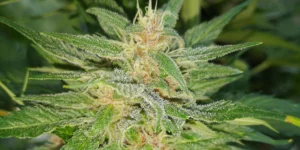
As this variety progresses through its flowering stage, the formation of dense buds becomes evident. The plant’s trichomes start to develop a frosty appearance, signaling a rich cannabinoid profile. Protecting the buds from excessive moisture is essential to prevent mold and mildew issues. Employing proper ventilation can help maintain the health and potency of the buds throughout this period.
Experienced growers recognize that this cultivar produces a notable yield with a keen attention to detail. The plant’s genetic background contributes to its resilience and substantial resin production. By monitoring nutrient intake and adjusting feeding schedules as the flowering stage advances, cultivators can enhance the plant’s terpene profile, resulting in a more fragrant and flavorful end product.
The final weeks before the harvest require vigilance to ensure the desired effects and quality. Observing the color change in trichomes, from clear to milky and amber, guides harvest time. This timing can significantly influence the final effects of the cannabis. With its complex terpene composition, the careful harvesting of this strain offers a satisfying culmination to months of dedicated cultivation effort.
Fertilizers & Nutrient Schedule
For optimal growth, this strain thrives on a balanced nutrient schedule. During the vegetative stage, nitrogen-rich fertilizers are key to promoting lush foliage. Growers should aim for a nutrient solution with an N-P-K ratio of roughly 3-1-2, ensuring the plant has all it needs for vigorous development.
As the plant transitions to the flowering phase, the nutrient demands change significantly. Here, phosphorus and potassium become crucial for encouraging robust buds and enhancing terpene profiles. Switching to a 1-3-2 ratio can support Do-si-dos in achieving a superior yield.
Monitoring nutrient levels is essential to avoid deficiencies or toxicities. Regularly check the pH of the feeding solution, keeping it between 6.0 and 6.5 for optimal nutrient absorption. Many growers find that adjusting the nutrient mix weekly is necessary to align with this cultivar’s changing needs.
Gradual nutrient reduction in the final weeks before harvest helps to flush excess salts and improve flavor. This nutrient tapering should be accompanied by increased water flushes to cleanse the plant’s system. Such care ensures Do-si-dos delivers exceptional quality and potency at the harvest.
Pest and Disease Prevention for Healthy Cannabis Plants
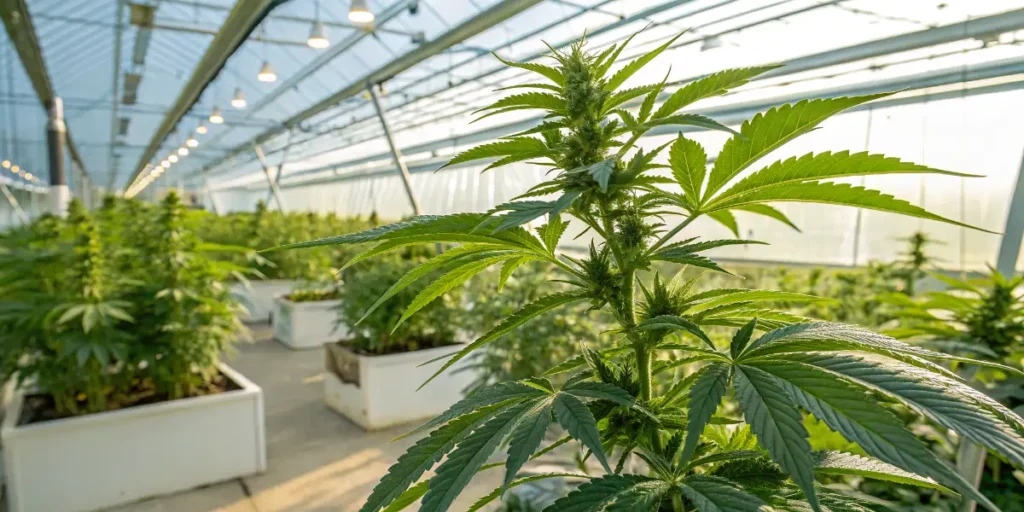
Ensuring a healthy environment is crucial for cultivating robust cannabis plants. Regular monitoring of this strain is essential to spot early signs of pests or diseases. Implementing natural pest control methods like introducing beneficial insects can protect the plant without harsh chemicals. Additionally, maintaining cleanliness around your growing area helps reduce the risk of infestations and promotes the overall health of the buds.
This variety thrives with a balanced approach to cultivation, minimizing the risk of diseases affecting its yield. Adequate ventilation and humidity control are vital as excessive moisture can lead to mold growth. Using disease-resistant genetics where possible is a proactive strategy. Furthermore, proper spacing between plants enhances air circulation, reducing the chance for pathogens to proliferate and compromise the terpenes in the final harvest.
For Do-si-dos, a preventative approach to pest and disease management ensures the cultivar reaches its full potential. Keeping tools and hands clean when handling it reduces cross-contamination risks. Employing organic compost and soil amendments can strengthen the plant’s resilience against common cannabis threats. Vigilant care and timely intervention are key for maximizing yield and ensuring a healthy, bountiful harvest.
Harvesting & Drying
Timing is crucial when harvesting this strain, as the right moment guarantees optimal potency and flavor. Growers should look for pistils darkening and curling in, accompanied by milky-white trichomes. These signs indicate the plant has reached peak maturity, ready for harvest. Using sharp scissors or pruning shears, carefully cut the buds, ensuring this delicate work preserves the integrity of the cannabis.
After harvesting, it’s essential to trim away excess foliage, enhancing the appearance and reducing drying time. This process helps to boost the quality of the finished product. Hang the trimmed buds upside down in a dark, well-ventilated area to ensure even drying. Maintaining humidity levels around 50% and temperatures between 60-70°F preserves the terpenes and cannabinoids in this cultivar.
The drying period for the plant typically lasts between seven to ten days, depending on environmental conditions. During this time, monitor the progress to prevent mold while ensuring the buds dry evenly. Proper ventilation and air circulation can be achieved with small fans, gently circulating air without directly blowing on the cannabis.
Once adequately dried, Do-si-dos buds should be cured in airtight glass jars to enhance their flavor and smoothness. Burping the jars daily releases excess moisture, gradually stabilizing the environment inside. This curing process, lasting two to four weeks, maximizes the terpene profile and potency, ensuring growers are rewarded with a premium yield of this variety.
Do-si-dos Strain Type: Indica, Sativa or Hybrid?
The Do-si-dos strain is a well-balanced hybrid, known for its impressive genetics that combine elements of both Indica and Sativa. This cultivar is renowned for its relaxing effects typically associated with Indica varieties while also offering a hint of cerebral stimulation. Growers appreciate this strain’s ability to provide a versatile cannabis experience, making it popular among a diverse range of cannabis enthusiasts.
This variety often features dense buds with vibrant hues, indicating its complex terpene profile. The plant’s balanced heritage makes it suitable for cultivating in various environments, allowing both novice and experienced cultivators to achieve a satisfying yield. Thanks to its hybrid nature, the plant adapts well to different climates, making it a robust option for cannabis cultivation both indoors and outdoors.
Growers value the predictable harvest times this strain offers. The combination of Indica’s short flowering period with Sativa’s potential for a substantial yield makes this cultivar particularly appealing. By knowing its hybrid characteristics, cultivators can optimize their growing techniques to maximize both potency and yield, resulting in a rewarding cultivation endeavor each season.
Why Grow this Strain? Key Benefits for Cultivators
The unique appeal of Do-si-dos lies in its potent genetics, offering cultivators a robust cannabis plant with exceptional terpene profiles. This strain’s impressive lineage delivers a remarkable blend of aroma and flavor, making it a standout choice for growers seeking a high-quality harvest. Its adaptability to various cultivation methods further enhances its desirability among cannabis enthusiasts.
This variety’s remarkable yield potential and resinous buds are particularly enticing for commercial and home growers alike. The plant thrives in both soil and hydroponic environments, providing versatility and excellent results. Cultivators appreciate its balanced growth, which combines vigorous vegetative growth with a substantial harvest, ensuring a rewarding cultivation experience.
Besides, the resilience of this cultivar against common pests and diseases is a significant advantage, reducing the need for intensive maintenance. The robust structure of the plant supports heavy buds, minimizing the risk of structural damage as it matures. For those seeking a rewarding and relatively low-maintenance cannabis growing operation, this strain offers an excellent opportunity.
Potential Challenges When Growing Do-si-dos
When cultivating this strain, one major challenge growers face is its susceptibility to mold and mildew, especially in humid conditions. Ensuring adequate ventilation and controlling humidity levels is crucial to protect the plant. Utilizing fans and dehumidifiers in the grow space can help maintain optimal conditions for healthy cannabis cultivation and prevent damage to the buds.
This variety also requires a carefully balanced nutritional regimen. While it can handle moderate nutrient levels, over-fertilizing can lead to nutrient burn and stunt growth. Growers should monitor the plant’s leaves for signs of nutrient deficiencies or excesses and adjust feeding schedules accordingly. Employing organic fertilizers can help maintain the terpene profile and boost yield quality.
Do-si-dos can also be sensitive to light stress, which can affect its growth and overall yield. Ensuring the plant receives appropriate light exposure without overexposure is essential. Adjusting light distance and duration according to the growth stages can prevent light burn and encourage robust bud development. By addressing these challenges, cultivating this genetics can result in a successful and bountiful harvest.
Is this Variety Worth Buying? Here’s What You Need to Know
Do-si-dos is a cannabis strain that has gained popularity among growers for its potent effects and unique flavor profile. This variety produces dense buds with a vibrant mix of purple and green hues. The plant is relatively easy to cultivate, making it an attractive option for both novice and experienced cultivators seeking a rewarding growing experience.
This cultivar is known for its impressive yield, offering a generous harvest that will satisfy any grower. Its complex terpene profile, featuring a mix of limonene and myrcene, contributes to its distinctive aroma and flavor. These attributes, combined with its relatively short flowering time, make this strain a practical choice for those looking to maximize their return.
Overall, the plant stands out for its balanced effects that deliver relaxation without overwhelming sedation. Growing it requires moderate attention to detail but rewards the effort with high-quality buds. Do-si-dos is a worthwhile investment for anyone looking to add a potent and flavorful strain to their cannabis collection. It’s a prime choice for connoisseurs and commercial growers alike.
FAQs: Growing Do-si-dos
How difficult is it to grow Do-si-dos for beginners?
Do-si-dos is considered moderately challenging, making it better suited for growers with some experience. The cultivar requires consistent attention to environmental factors like humidity and temperature. This strain responds well to training techniques such as LST and topping, but these methods require knowledge to execute properly. With proper care and monitoring, intermediate growers can expect excellent results and generous yields from this variety.
What are the typical yield expectations for Do-si-dos?
The yield of Do-si-dos can vary, but under optimal conditions, this variety typically produces moderate to high yields. Indoor growers can expect around 1-2 ounces per square foot. Outdoor cultivation can produce significantly more, often yielding up to 500 grams per plant. To maximize yields, consistent monitoring and care are critical, focusing on adequate light exposure and nutrient management.
When does Do-si-dos typically flower?
Do-si-dos generally has a flowering period of about 8 to 10 weeks. Growers often note that it performs well under a consistent light schedule indoors, entering the flowering stage promptly. The plant thrives in a stable environment with a 12/12 light cycle. Monitoring trichome development is essential during this time to harvest at the peak moment for potency and flavor.
What is the ideal climate for cultivating Do-si-dos?
Do-si-dos flourishes in a warm and slightly humid environment, mimicking a Mediterranean climate. Indoor setups should maintain temperatures between 70-80°F (21-27°C) with 40-50% relative humidity. Outdoors, the plant benefits from direct sunlight and well-aerated soil. Ensuring adequate airflow and monitoring for mold issues, particularly in humid climates, is crucial for healthy cultivation.
Which nutrients are essential for the growth of Do-si-dos?
Do-si-dos benefits from a balanced diet of macronutrients, including nitrogen, phosphorous, and potassium during its vegetative stage. Transitioning into flowering, it requires higher phosphorus and potassium levels to support bud development. Incorporating micronutrients such as calcium and magnesium is crucial for preventing deficiencies. Regular pH monitoring ensures nutrient uptake is optimal. A consistent feeding schedule will help this genetics thrive.