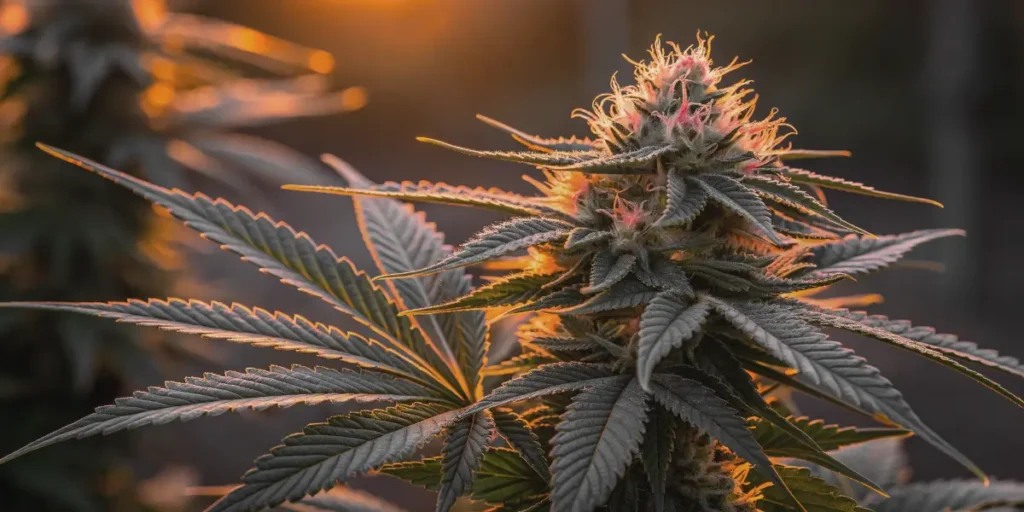

To successfully cultivate Fruity Pebbles, start by selecting quality seeds or clones. Ensure the growing environment is optimized with controlled temperature and humidity. This variety prefers a warm climate with plenty of light, so invest in a good lighting system. Regularly check pH levels of the soil or water to promote healthy root development and nutrient uptake.
During the vegetative phase, this plant requires adequate nutrients to support robust growth. Nitrogen-rich fertilizer helps the plant develop strong stems and leaves. Monitor for pests and diseases, and implement preventive measures as needed. Pruning lower branches will improve air circulation and light penetration, setting the stage for lucrative buds later in the growth cycle.
When transitioning to flowering, adjust nutrient regimens to support bud development, emphasizing phosphorus and potassium. Fruity Pebbles stands out with its unique terpene profile, contributing to vibrant aromas. Maintain consistent lighting schedules and watch for ideal trichome maturity. Harvesting at the right time ensures a rewarding yield, showcasing the full potential of this cultivar’s genetics.
Fruity Pebbles Strain Overview: Traits, Effects & Genetics
Fruity Pebbles stands out for its distinctive, colorful buds and vibrant terpene profile. This strain is an indica-dominant hybrid, renowned among cannabis enthusiasts for its sweet, tropical fragrance reminiscent of a cereal bowl. With dense, resinous buds and a balanced genetic profile, this cultivar delivers a euphoric high, making it popular for relaxation and unwinding after a long day.
The plant is characterized by its robust growth and moderate cultivation difficulty, making it an appealing choice for growers with some experience. When provided with optimal conditions, this variety thrives, producing an abundant yield. The presence of unique terpenes not only contributes to its delightful aroma but also enhances its effects, which are often described as blissful and uplifting.
This genetics result from a careful cross between Green Ribbon, Granddaddy Purple, and Tahoe Alien, creating a potent strain with impressive traits. The effects of this variety are predominantly calming, with users frequently reporting a soothing body relaxation. This makes the plant particularly favored during social situations or as a stress reliever, as it helps cultivate a tranquil atmosphere.
Growers find that this cultivar responds well in both indoor and outdoor environments, though it flourishes particularly well indoors where conditions can be meticulously controlled. Regular trimming and a well-maintained nutrient schedule are essential to maximize its yield and overall potency. As a result, this strain offers a satisfying harvest of striking buds treasured by both novices and seasoned growers alike.
Optimal Environment to Grow Fruity Pebbles Successfully
Achieving the best results with this strain requires a carefully controlled environment. Fruity Pebbles thrives in warm temperatures, ideally between 70-80°F (21-27°C). Maintaining this consistent range ensures that the plant can maximize its growth potential. Growers should also consider adequate ventilation to manage humidity levels, preventing mold and promoting healthy buds.
Light plays a crucial role in the cultivation of this variety. Employing a full-spectrum LED system replicates the sun’s natural cycle and aids in the robust development of the plant. Regular light exposure of 18-24 hours during the vegetative stage is optimal, and careful reduction to 12 hours during flowering encourages a bountiful harvest.
Fruity Pebbles benefits from a well-balanced nutrient regimen, providing essential macro and micronutrients throughout its life cycle. Nitrogen, phosphorus, and potassium are key to supporting vigorous growth and terpene production. Regular feeding, coupled with a pH range of 6.0-6.5, ensures that this cultivar absorbs nutrients effectively, enhancing its yield and aromatic profile.
Besides nutrients and lighting, soil quality and consistency are vital for the plant’s success. A soil medium with excellent drainage facilitates proper root development and reduces the risk of overwatering. Growers should also keep an eye on pests and apply preventive measures to protect this genetics as they work towards a successful and flavorful harvest.
Grow Room Setup for Fruity Pebbles Plants
A successful grow room setup for this strain starts with ensuring optimal lighting conditions. High-quality LED or HPS lamps are recommended to mimic natural sunlight and facilitate robust growth. Adequate lighting is crucial for cultivating healthy buds, which will ultimately enhance the yield of Fruity Pebbles. By providing the right illumination, growers can expect a bountiful and aromatic harvest.
Temperature and humidity are critical factors for the development of this variety. Keeping the temperature between 70-85°F (21-29°C) during the day and slightly cooler at night will support vigorous growth. Humidity levels should be adjusted throughout the plant’s life cycle. Initially, higher humidity is beneficial for seedlings, but as the plant matures, lower levels are preferred to prevent mold and improve terpene production.
Ventilation is another cornerstone of an effective grow room for this genetics. A well-ventilated space will help regulate the temperature and humidity while preventing potential pest infestations. Implementing oscillating fans and an exhaust system will ensure fresh air exchange. The constant airflow will reduce stress on the plants, leading to healthier foliage and stronger stems, which are essential for supporting heavy buds.
The choice of grow medium can impact the health of the plant. Whether opting for soil or a hydroponic system, ensuring it is rich in nutrients is vital for the development of Fruity Pebbles. Consistent nutrient management will support optimal growth and maximize the production of resinous buds. By fine-tuning each aspect of the grow room setup, cultivators can achieve high-quality results with this cultivar.
Indoor Growing Tips for Fruity Pebbles
When cultivating Fruity Pebbles indoors, managing temperature and humidity is essential for optimal growth. Ensure that the grow room maintains a consistent temperature between 70-80°F with relative humidity around 40-50% during flowering. This variety thrives under stable conditions, reducing the risk of mold and optimizing resin development, thus enhancing the rich terpene profile that seasoned growers appreciate.
Lighting plays a significant role in maximizing the yield and quality of the buds for this cultivar. Full-spectrum LED lights positioned 18-24 inches above the canopy encourage healthy growth by mimicking natural sunlight. Additionally, employing techniques like topping and low-stress training can help the plant develop a more robust structure, allowing for an even distribution of light and promoting larger bud sites.
Attention to nutrient management is crucial when cultivating this genetics indoors. A balanced nutrient regimen with the right mix of nitrogen, phosphorus, and potassium, tailored to the growth stage, is vital for vigorous growth and abundant harvests. Regular monitoring and adjusting feeding schedules based on the plant’s responses is key to achieving the desired potency and flavor that this variety is renowned for.
Outdoor Growing Tips for Fruity Pebbles
Fruity Pebbles thrives best in a warm and sunny climate, making it ideal for outdoor cultivation in regions with long, sunny days. Growers should ensure the plant receives plenty of direct sunlight to maximize its terpene profile and overall yield. Paying attention to soil quality is crucial; a rich, well-draining medium will enable the roots to flourish and promote vibrant growth.
To optimize the health and productivity of this variety, consistent watering is essential, yet overwatering must be avoided to prevent root rot. Implementing a strategic feeding schedule using balanced nutrients can enhance the development of robust buds. As this genetics is susceptible to mold in humid conditions, maintaining optimal airflow by spacing plants adequately will mitigate potential issues.
Patience is key as this cultivar approaches harvest time, usually late September to early October. Monitoring trichome development will provide clues on when the buds are ripe for picking. A timely harvest will not only ensure a high-quality yield but also preserve the distinct terpene profile the plant is known for, resulting in an aromatic and flavorful experience.

How to Germinate & Propagate Fruity Pebbles
Germinating Fruity Pebbles begins with selecting high-quality seeds to ensure robust growth. Place the seeds in a damp paper towel, allowing them to absorb moisture for optimal germination. This strain is known for its vibrant buds, so providing the right conditions from the start is crucial for successful cultivation and achieving a desirable yield.
Once the seeds have sprouted, transfer them to a well-draining soil mix. This cultivar thrives in a mildly acidic to neutral pH environment, and maintaining this balance is key for healthy root development. Ample light exposure will aid in the growth phase, allowing the plant to flourish and eventually produce richly aromatic terpenes typical of this variety.
Monitoring temperature and humidity during propagation is essential for optimal growth. The ideal temperature range for this genetics is between 70-85°F, coupled with a humidity level around 40-60%. These conditions support the vigorous development of the plant, leading to a bountiful harvest characterized by sizable and potent buds.
As Fruity Pebbles matures, pay attention to its nutrient requirements. Implementing a balanced feeding regimen ensures the plant receives necessary nutrients to maximize resin and terpene production. Regularly prune to encourage air circulation, preventing mold and promoting a healthier plant structure, ultimately resulting in a satisfying yield for growers.
Vegetative Stage: Nurturing Your Plants
During the vegetative stage, this strain requires a balance of light and nutrients to ensure healthy growth. Providing ample light, ideally 18 hours a day, supports vigorous foliage development. This variety thrives in temperatures between 70-85°F with humidity levels around 50-70%. Consistent care, including regular watering and appropriate ventilation, is crucial for optimal cannabis cultivation and future buds production.
To foster strong growth in the plant, it is essential to implement a feeding schedule that matches its nutritional demands. Utilizing a high-nitrogen fertilizer will fuel leaf development and root expansion. Frequent but moderate watering encourages robust root systems and prevents issues like root rot. By diligently monitoring environmental factors, growers can safeguard the vitality and health of their Fruity Pebbles plants.
This cultivar benefits from regular pruning and training techniques that enhance airflow and light penetration. Techniques such as topping and low-stress training can maximize the canopy’s exposure, encouraging the plant to focus energy on growing more potential flower sites. These methods support better yield outcomes at harvest time. Remember, healthy plants are the foundation of a successful cannabis cultivation journey.
Moreover, monitoring the plant for any signs of nutrient deficiencies or pests is vital during this stage. Implementing preventative measures helps ensure that this variety grows strong and resilient. Companion planting and biological controls can be effective in managing the vegetative ecosystem. By ensuring a supportive environment, growers set their Fruity Pebbles crop up for a bountiful yield with robust terpene profiles.
Flowering Fruity Pebbles: What to Expect
As Fruity Pebbles enters its flowering phase, growers can expect a striking transformation in this strain. This stage typically begins about 8-9 weeks into the cultivation period. During this time, the plant develops dense, resinous buds that emit a sweet, tropical aroma characteristic of its complex terpene profile. Proper lighting and nutrition are crucial to maximize the yield and quality of the harvest.
This variety is known for its vibrant colors during flowering, which can range from bright greens to deep purples depending on environmental conditions. Consistent temperatures and humidity levels are essential to prevent stress on the plant. Monitoring these factors closely will help avoid common issues like mold and nutrient burn, ensuring a healthy and productive flowering stage.
Growers should provide adequate support to the branches of this cultivar, as the buds can become quite heavy. Implementing a trellis or using stakes can help maintain structural integrity. Regular pruning will also improve light penetration and air circulation, promoting healthier development. Maintaining a clean growing area will further reduce the risk of pests and diseases affecting the flowering plants.
As harvest time approaches, enthusiasts will appreciate the vibrant hues and aromatic profiles that Fruity Pebbles are renowned for. Flushing the plant with pure water 1-2 weeks before harvesting will improve the taste and smoothness of the smoke. With proper care, the resulting yield will offer a bounty of flavorful buds, embodying the essence of this celebrated cannabis strain.
Fertilizers & Nutrient Schedule
Proper nutrition is essential for the successful cultivation of any cannabis strain, and this variety is no exception. To begin with, growers should focus on a balanced nutrient blend that supports both vegetative and flowering phases. Using a high-quality base fertilizer can set the stage for healthy growth and maximize the potential yield of the plant as it matures.
During the vegetative stage, this strain benefits from a higher nitrogen content to promote lush foliage. Growers should adjust the nutrient solution to meet these requirements, ensuring a nitrogen-phosphorus-potassium (N-P-K) ratio that emphasizes nitrogen. Consistency with this schedule will support robust growth, preparing the plant for a fruitful flowering phase.
As Fruity Pebbles transitions into flowering, the nutrient focus should shift. Increasing phosphorus and potassium while reducing nitrogen is crucial for the development of potent buds. Supplementing with micronutrients and maintaining a slightly acidic pH ensures that this cultivar can fully express its terpene profile and optimize its genetic potential, resulting in a flavorful harvest.
To achieve the best results, growers must also pay attention to the feeding frequency. This variety thrives when nourished with regular, smaller feedings rather than infrequent large doses. Such an approach prevents nutrient burn and allows the plant to assimilate nutrients efficiently, paving the way for a successful grow cycle and a bountiful yield at harvest.
Pest and Disease Prevention for Healthy Cannabis Plants
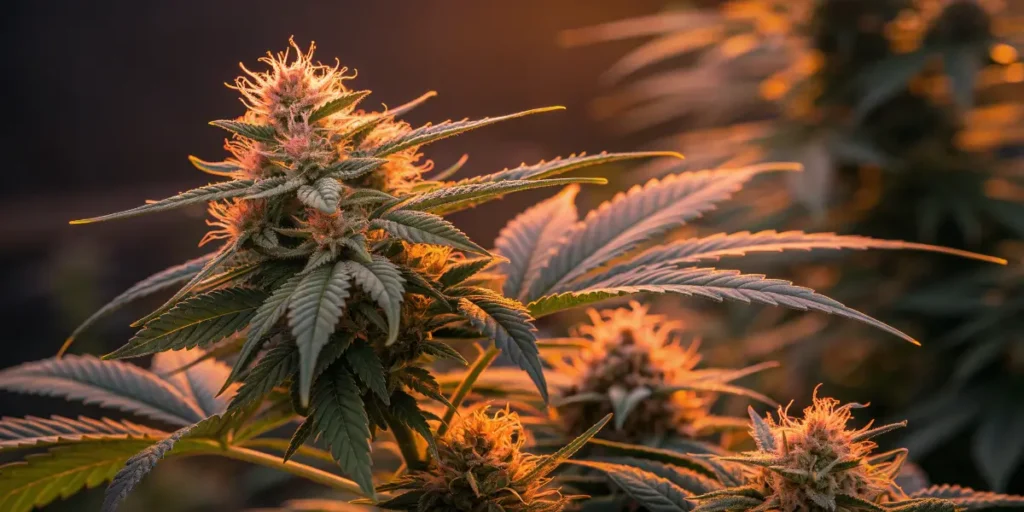
Ensuring the health of your cannabis plants requires proactive measures against pests and diseases. For growers cultivating Fruity Pebbles, a popular cannabis strain, it’s crucial to set up a regular monitoring schedule. This includes inspecting the leaves, buds, and soil for signs of infestation. By catching issues early, you can prevent widespread damage and preserve both the quality of the terpenes and the potential yield.
Maintaining a clean growing environment minimizes the risk of pests and diseases. Regularly sanitize tools and ensure proper airflow around this variety to deter mold formation. Implementing beneficial insects, like ladybugs or predatory mites, can be a natural way to control pest populations without using harmful chemicals, keeping the plant’s ecosystem balanced.
Utilizing organic pest control solutions is also effective. Products such as neem oil or insecticidal soaps can help manage unwanted guests while preserving the natural defenses of this cultivar. Consistently applying these methods promotes robust growth, ensuring that when harvest time arrives, the plant is healthy, and the buds are at their most flavorful and potent.
Harvesting & Drying
To ensure peak potency and flavor, proper timing is essential when harvesting Fruity Pebbles. Growers should observe the trichomes a magnifying glass helps with milky or amber hues indicating maturity. This strain typically reaches harvest readiness in about 8 to 9 weeks of flowering, signaling it’s time for a perfect chop to preserve its unique terpene profile.
Careful handling of the plant during harvest is crucial to maintaining quality. Start by removing fan leaves, giving easy access to the buds of this cultivar. It helps to keep the resin-rich texture intact. Clip branches one by one, and hang them upside down in a well-ventilated, dry room to ensure ideal drying conditions for maximum yield and aroma.
The drying process for this variety should take around 7 to 10 days, depending on environmental conditions. It’s important to maintain a consistent temperature and humidity level to prevent mold or mildew. Growers should aim for a temperature of 60-70°F and a humidity level of 45-55%, ensuring the buds achieve that perfect balance of moisture content without brittleness.
Once the buds are sufficiently dry, move them into airtight containers for curing, a critical step that enhances the flavor and potency of the cannabis. Regularly open these containers, a process known as burping, to release excess moisture. Over the next few weeks, growers will find that this method brings out the best in the characteristics unique to Fruity Pebbles.
Fruity Pebbles Strain Type: Indica, Sativa or Hybrid?
Fruity Pebbles is a well-balanced hybrid that perfectly combines Indica and Sativa traits, appealing to cannabis enthusiasts and growers alike. Originating from a mix of flavorful genetics, this strain offers both uplifting and relaxing effects. Its versatile nature makes it suitable for various cultivation environments, allowing growers to harness its full potential and enjoy bountiful harvests.
This cultivar boasts a complex terpene profile that influences its unique aromatic qualities and effects. With notes of tropical fruits and berries, the plant tantalizes the senses while providing a pleasant user experience. For cultivators seeking a balanced growth cycle, this variety offers robust buds with a generous yield, capitalizing on its hybridized Indica and Sativa characteristics.
Choosing this strain for cultivation offers a dynamic growing experience due to its hybrid nature. It requires attention to environmental factors and nutrient management to maximize its genetic potential. As a result, gardeners can expect a rewarding yield of dense, resinous buds, making it a popular choice for those looking to enjoy the best of both Indica and Sativa effects.
Why Grow this Strain? Key Benefits for Cultivators
Fruity Pebbles is renowned for its delightful aroma and robust growth characteristics, making it a favored option among cannabis cultivators. This strain develops densely packed buds rich with colorful terpenes, offering a visually appealing product. Its adaptable nature means it thrives in various environments, making it an excellent choice for both indoor and outdoor setups.
This cultivar is celebrated for its high yield potential, promising a bountiful harvest for growers dedicated to maximizing their crop output. The plant’s resilience to common pests and diseases further enhances its appeal as a reliable choice in cannabis cultivation. By providing optimal conditions, cultivators can expect a rewarding return on their investment.
Moreover, the genetic stability of this variety ensures consistent quality and potency across different grows. The unique flavor profile of this strain, combined with its therapeutic potential, makes it highly sought after in the market. Overall, cultivating Fruity Pebbles offers both an enjoyable growing experience and a lucrative opportunity for cannabis enthusiasts and commercial producers alike.
Potential Challenges When Growing Fruity Pebbles
When cultivating Fruity Pebbles, managing humidity levels is crucial. This variety thrives in environments where humidity is kept in check, especially during the flowering stage. Excessive moisture can lead to mold and mildew, which can ruin the buds. Growers should invest in a good dehumidifier to maintain optimal growing conditions and prevent potential crop losses.
The plant is also sensitive to nutrient levels, requiring a balanced diet to produce healthy yields. Overfeeding can lead to nutrient burn, which can stunt the growth of the cannabis and affect the quality of the harvest. By monitoring and adjusting the nutrient supply carefully, cultivators can ensure that this strain reaches its full potential without stress.
Pests pose another significant challenge for those growing this genetics. Aphids and spider mites are common threats that may compromise the health of the plant. Regular inspection and the use of organic pest control methods can help protect this cultivar from infestations. By being vigilant, growers can enjoy the rich terpene profile that this strain is known for.
Is this Variety Worth Buying? Here’s What You Need to Know
Fruity Pebbles has gained a reputation among cannabis enthusiasts for its vibrant flavors and potent effects. This strain features a diverse terpene profile, resulting in sweet, tropical notes that appeal to many. Cultivators often find that its relatively easy growth cycle and moderate yields make this cultivar an attractive option for both new and experienced growers alike.
In terms of cultivation, this genetics is known for producing robust plants that can handle various growing conditions. When grown under the right circumstances, the plant can yield sizable, dense buds filled with rich aromas. These traits make it a reliable choice for those seeking to maximize their harvest while enjoying quality produce.
The decision to grow or purchase this variety hinges on personal preference and desired effects. While its fruity flavors and balanced high stand out, it’s important to source quality seeds or clones to optimize yields and potency. Considering its numerous benefits, Fruity Pebbles is indeed worth trying for both cannabis connoisseurs and novice users.

FAQs: Growing Fruity Pebbles
How difficult is it to grow Fruity Pebbles for beginners?
Fruity Pebbles is moderately challenging to grow, making it more suitable for those with some cultivation experience. This strain demands careful attention to humidity, temperature, and nutrient levels. Techniques like low-stress training (LST) and topping can help, but they require skill to perform effectively. Despite these challenges, growers with prior experience can achieve bountiful yields and beautiful buds when cultivating this variety.
What is the expected yield for Fruity Pebbles?
Fruity Pebbles typically offers a generous yield, especially under optimal growing conditions. Indoor growers can expect around 16 ounces per square meter, while outdoor cultivators might see up to 18 ounces per plant. Ensuring the plant receives adequate nutrients and proper lighting can significantly enhance yield. Cultivators should ensure consistent care and environmental control to maximize the potential of this genetics.
What is the ideal climate for cultivating Fruity Pebbles?
This strain thrives in a warm, Mediterranean-like climate with plenty of sunlight. Consistent temperatures between 70-80°F (21-27°C) are ideal, alongside moderate humidity levels. For indoor growth, using environmental controls like heaters and humidifiers can effectively mimic these conditions. Providing an optimal climate is essential to unlocking Fruity Pebbles’ full potential and ensuring healthy plant development.
When is the flowering period of Fruity Pebbles?
Fruity Pebbles has a flowering period of approximately 8-10 weeks. During this time, it’s crucial to monitor the plant closely for any issues and ensure that it receives the right balance of nutrients. Maintaining an optimal environment and avoiding stressors will help the plant produce dense, resinous buds. Monitoring factors like light cycles and ensuring proper airflow can also support a healthy flowering phase.
What common problems might growers face with Fruity Pebbles?
Growers may encounter issues like nutrient deficiencies or pest infestations with this strain. Ensuring a balanced nutrient feed and vigilant pest control measures can mitigate these problems. It’s essential to monitor the plant for signs of stress or health issues, such as yellowing leaves or stunted growth. Regularly inspecting the plant can prevent these common issues and support robust growth of Fruity Pebbles.