
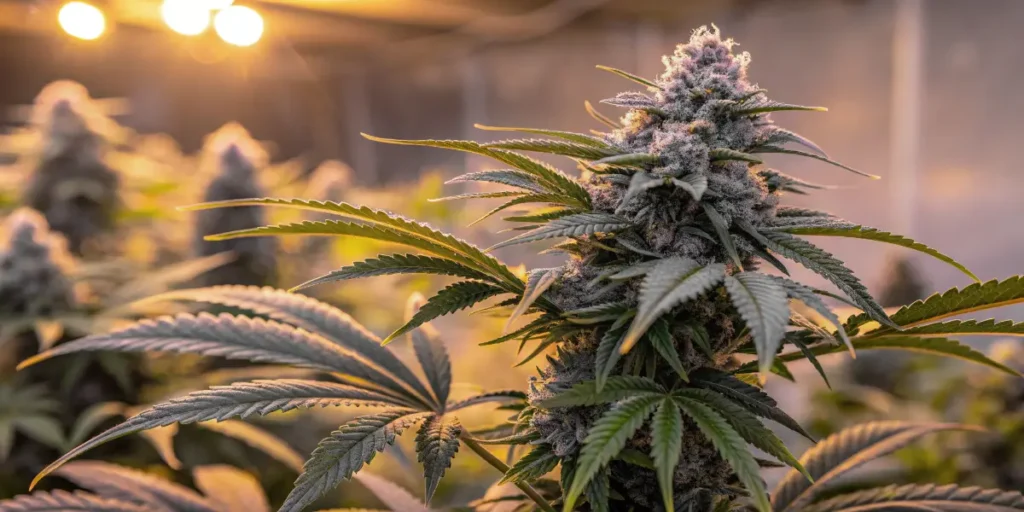

Gmo is a favored choice among cannabis growers due to its high-yield potential and robust terpene profile. To begin cultivating this strain, choose a location with ample light and proper ventilation. Ensure the soil is nutrient-rich, supporting the plant’s vigorous growth. A consistent watering schedule and balanced PH levels will promote healthy buds and a successful harvest.
This cultivar thrives in a controlled environment where temperature and humidity are carefully regulated. Indoor growers can optimize conditions using fans and dehumidifiers to mirror the plant’s native climate. Outdoor cultivation requires seasonal awareness, ensuring the risk of frost is minimized. Pay attention to pest control measures throughout its growth to protect this variety from unwelcome interference.
As the plant matures, topping and pruning techniques can increase yield by directing energy towards the primary buds. Monitor for signs of nutrient deficiencies and adjust feed accordingly, enhancing the distinct cannabinoid profile of the buds. Harvest the plant when trichomes reach the desired milky or amber hue, preserving its potent aroma and unique characteristics. Proper drying and curing will ensure high-quality results.
Gmo Strain Overview: Traits, Effects & Genetics
Gmo is a cannabis strain that has captured the interest of cultivators and consumers alike. Known by its full name, Garlic Cookies, this cultivar is celebrated for its potent effects and unique smell. Its genetics stem from a cross between Girl Scout Cookies and Chemdawg, resulting in aromatic buds that exude a distinctively pungent aroma and flavor.
This variety is highly sought after for its impressive THC content, often reaching upwards of 25%, making it popular among seasoned consumers seeking a robust experience. The effects are powerful, often producing a relaxed and euphoric high. Growers appreciate the plant’s ability to yield substantial harvests, often characterized by dense, resinous flowers and an alluring blend of terpenes.
In terms of cultivation, this strain thrives in both indoor and outdoor settings, offering flexibility for growers. The plant is known for its resilience and adaptability, though maintaining optimal conditions can enhance its yields. Due to its high terpene profile, proper curing is essential to preserving its distinct aroma and potency, making every harvest a significant event for breeders and consumers alike.
The genetics of this cultivar contribute to its exceptional performance in various climates, providing it with an edge in diverse growing environments. Buds from this variety are admired not only for their potency but also for their extraordinary flavor profile, which combines earthy and garlic notes. Because of these characteristics, the plant remains a staple among cannabis enthusiasts and cultivators looking to indulge in a top-tier experience.
Optimal Environment to Grow Gmo Successfully
Creating the ideal environment for the cultivation of this strain is crucial for achieving maximum yield and potent buds. This variety thrives in a controlled indoor environment where temperature and humidity can be meticulously monitored. Ensuring a consistent temperature range of 70-80°F (21-27°C) and relative humidity between 40-50% will significantly enhance the plant’s overall health and terpene production.
Lighting plays a vital role in the successful growth of this cultivar. Gmo benefits from high-intensity lighting systems, such as LED or HPS grow lights, which support robust growth during its vegetative and flowering stages. Providing 18-24 hours of light during the vegetative stage and 12 hours during flowering optimizes energy for the plant’s development and eventual harvest.
Efficient airflow and proper ventilation are also integral to the flourishing of this genetics. Installing oscillating fans and exhaust systems helps maintain air circulation and prevents mold and pests, ensuring that the plant remains healthy and productive. Moreover, frequent monitoring and adjustments to environmental conditions can help growers respond rapidly to any issues that may arise.
To maximize the yield of this cannabis, soil quality and nutrient management are essential. Using a well-draining, nutrient-rich soil mix with a balanced supply of nitrogen, phosphorus, and potassium supports vigorous growth. Regular feeding with organic fertilizers and supplements, specifically tailored for cannabis cultivation, will further promote robust buds and a bountiful harvest of this renowned variety.
Grow Room Setup for Gmo Plants
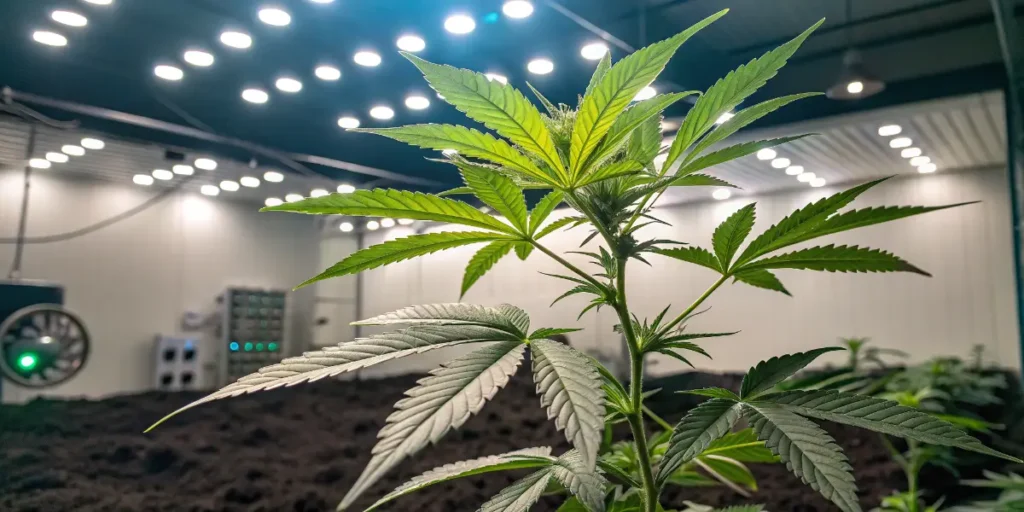
When setting up a grow room for Gmo, ensuring optimal conditions for this strain is crucial for achieving a high yield. Begin by choosing the right-sized space that can accommodate the plant’s growth. Adequate ventilation is essential to regulate temperature and humidity, preventing mold and pest issues. Consider using oscillating fans to foster a healthy airflow throughout the room.
The lighting setup is a key factor for successful cannabis cultivation. Using LED grow lights can offer an energy-efficient option for this variety, delivering the necessary spectrum for robust growth and potent buds. Keep the lights at an appropriate distance from the canopy to avoid light stress, adjusting as the plant matures to maintain optimal growth conditions.
Temperature and humidity control are paramount for cultivating this cultivar effectively. During the vegetative phase, maintain temperatures between 70-85°F with humidity levels around 60-70%. As the plant transitions to the flowering stage, reduce humidity to 40-50% to enhance terpene production and prevent mold formation, ensuring a quality harvest.
Monitoring and adjusting the nutrient supply through water and soil is vital for maximizing yield potential from the plant. Utilize a balanced nutrient regimen appropriate for this genetics, modifying it based on the growth stage. Consistent monitoring of pH levels in the soil and water will support the plant’s ability to absorb nutrients efficiently, promoting healthy development.
Indoor Growing Tips for Gmo
When cultivating Gmo indoors, it’s crucial to maintain consistent temperature and humidity levels. Optimal temperatures for this variety range between 70-80°F with a relative humidity of around 40-50% during the flowering stage. Use high-quality LED grow lights to mimic natural sunlight, maximizing the plant’s photosynthesis and promoting robust bud development for a successful harvest.
Consider the nutrient needs of this cultivar carefully. A balanced diet rich in nitrogen, phosphorus, and potassium will help the plant thrive. During the vegetative stage, cannabis growers should focus on nitrogen, while phosphorus becomes crucial during flowering for plump buds. Add calcium and magnesium for enhanced terpene production, ensuring that the unique aroma and flavor profile of this genetics shine through.
Maximize the yield of this variety by employing training techniques like topping and Low-Stress Training (LST). These methods encourage an even canopy and allow more light to reach the lower branches of the plant. Regular pruning is also helpful in ensuring good airflow, which reduces the risk of mold and boosts the overall health of the plant, leading to bountiful harvests.
Outdoor Growing Tips for Gmo
When cultivating Gmo outdoors, selecting the right location is vital. The plant thrives in areas with ample sunlight, so choose a spot that receives at least six hours of direct light daily. The soil should be rich in nutrients, and ensuring good drainage will help avoid root rot. Protecting this variety from strong winds by using windbreaks can enhance its growth and stability.
This cultivar benefits from a balanced nutrient regimen throughout its growth cycle. Providing adequate nitrogen during its vegetative stage aids in robust development. As the plant transitions to flowering, switching to a phosphorus-rich feed supports bud production. Regularly monitoring pH levels and adjusting as necessary can prevent nutrient lockout, ensuring the plant maintains optimal health.
To maximize the yield and quality of buds, growers should be diligent about pest management. This variety is susceptible to common garden pests, so implementing a routine inspection is crucial. Organic pesticides or companion planting with herbs deterring insects can be effective strategies. Knowing the timing of the harvest is key; picking at peak ripeness will capture the potent terpenes this cultivar is known for.

How to Germinate & Propagate Gmo
Germinating Gmo seeds begins with choosing high-quality seeds from a reputable source. It is essential to ensure these seeds are mature with a hard shell and consistent color. To begin the cultivation process, place the seeds in a damp paper towel, enclosed in a plastic bag or between two plates to maintain moisture, which is crucial for this strain.
Once the seeds of this variety start to sprout, typically within three to seven days, they’re ready for planting. Fill a small pot with quality soil, making sure it is well-suited for cannabis. Place the seedling root-down into the soil about half an inch deep. Gently cover it and water sufficiently to keep the soil damp but not waterlogged.
For optimal growth, ensure the plant receives adequate light, ideally 18-24 hours daily in the initial stages. This will encourage robust development. Maintain a temperature range between 70°F to 85°F for the young plants. This cultivar thrives with consistent care, conducive to maximizing its yield and the development of healthy buds.
Propagation through cloning can also be an effective way to expand your crop. Choose a healthy mother plant and cut a stem with at least two nodes. Submerge the cutting in water to prevent air from entering it. Place it in a growth medium and under suitable lighting conditions to develop roots, enhancing the propagation efficiency of this genetics.
Vegetative Stage
During the vegetative stage, growers must focus on creating an optimal environment for their plants. This variety requires ample light, typically 18 to 24 hours a day, to encourage robust growth. Proper lighting will ensure this strain develops a strong root system and healthy foliage, setting the stage for a successful flowering phase and bountiful yield.
Nutrient management is crucial during this stage. The plant benefits from a balanced mix of nitrogen, phosphorus, and potassium, often marked as N-P-K ratios on fertilizers. Providing adequate nutrients supports vigorous growth, allowing this cultivar to reach its full potential. Regular monitoring of nutrient intake is essential to prevent deficiencies or excesses, both of which can hinder development.
Watering practices play a significant role in the cultivation of this genetics. Overwatering can lead to issues like root rot, while underwatering might stunt the plant’s growth. It’s important to maintain a rhythm that keeps the soil consistently moist but not soggy. Proper drainage and aeration of soil are key to achieving this balance.
Training techniques can be employed during this stage to maximize the plant’s structure and future yield. Low-stress training (LST) and topping are common practices used by cannabis growers. These methods help in managing the plant’s height and promoting an even canopy, which ultimately leads to more evenly distributed light exposure and potentially larger buds during harvest.
Flowering Gmo: What to Expect
When transitioning to the flowering stage, growers will notice that Gmo begins to stretch significantly. This phase is critical as the plant redirects energy towards developing its buds. It’s vital to ensure optimal conditions, including a consistent light schedule and proper nutrients, to support its growth. This strain is known for a longer flowering period, requiring patience from cultivators eager for a rich harvest.
This variety is renowned for producing dense, aromatic buds, laden with terpenes that contribute to its unique aroma profile. Throughout the flowering period, it’s crucial to monitor humidity levels to prevent mold and ensure healthy buds. Adequate spacing and airflow are also essential to promote robust development and maximize the yield of this cultivar.
Growers cultivating this genetics should be prepared for intense aromas that are characteristic of its flowering phase. Implementing proper ventilation systems can help manage these potent scents. As the plant progresses, regular inspections are recommended to catch any signs of nutrient deficiencies or pest issues, which can compromise the quality of the final harvest.
Harvest time for Gmo arrives once the trichomes reach their desired level of cloudiness or amber, depending on the preferred effects. The plant typically offers a high yield, rewarding growers for their diligence. Post-harvest, proper drying and curing methods are essential to preserve the rich aroma and potency, ensuring a premium product for consumption.
Fertilizers & Nutrient Schedule
For successful cannabis cultivation of Gmo, knowing its nutritional needs is crucial. This strain flourishes when given a balanced nutrient schedule tailored to its growth stages. Early on, it requires higher nitrogen levels to support vigorous vegetative growth. As the plant transitions into the flowering stage, reducing nitrogen and increasing phosphorus and potassium becomes essential to encourage robust buds and enhance terpenes.
Growers should invest in high-quality, cannabis-specific fertilizers to maximize the potential of this variety. Organic options, such as compost teas or fish emulsions, can provide micronutrients and beneficial bacteria, enriching the soil ecology. Synthetic options, when used carefully, can also be effective. Monitoring pH levels is vital to ensure nutrient uptake, with ideal levels ranging between 6.0 and 6.5 for soil grows.
This cultivar demands strategic feeding schedules, adjusting nutrient concentrations based on its lifecycle. During the vegetative phase, a nutrient ratio of 3:1:2 (N-P-K) is recommended. Transitioning to flowering, switch to 1:3:2, promoting healthy bud development. Keep a close eye on the plant’s response, noting any signs of deficiencies or excesses, which may require tweaking the nutrient mix.
Close attention to feeding schedules is critical for achieving the highest possible yield. Regular checks for signs of nutrient burn or deficiencies will help tailor the fertilizer approach accordingly. Post-harvest, flushing the plant with water for one to two weeks before collecting the buds ensures that residual nutrients do not affect taste or quality, preserving the flavor profile unique to this genetics.
Pest and Disease Prevention for Healthy Cannabis Plants
Growing Gmo successfully requires keen attention to pest control and disease prevention. This strain, like many cannabis varieties, is susceptible to issues such as spider mites and powdery mildew. To protect the plant, maintain a clean growing environment and regularly inspect for signs of infestations. Healthy cultivation practices are crucial to ensuring strong yields and preserving terpene-rich buds.
For this cultivar, prevention is often more effective than treatment. Use companion planting, like basil or marigold, to naturally deter pests and bolster the plant’s defenses. Implementing these methods can enhance the health of your genetics, leading to a bountiful harvest. Ensuring adequate airflow and humidity control will reduce the risk of fungal diseases and support vigorous growth.
Regularly rotating organic foliar sprays can help manage potential outbreaks without harming the buds. Proper nutrient management is also essential, as over-fertilizing can weaken this variety’s immune system. By focusing on these proactive strategies, growers can optimize the yield and quality of Gmo while maintaining the plant’s resilience against common challenges.
Harvesting & Drying
Proper timing is essential when harvesting this strain to ensure optimal terpene profiles and cannabinoid content. Growers should observe the trichomes closely; they should be mostly cloudy with a hint of amber. This indicates the plant is ready to be harvested, preserving both potency and flavor for the best possible yield.
Once the Gmo is harvested, careful drying is crucial to maintain its unique characteristics. Start by trimming any excess leaves and hang the buds upside down in a room with controlled temperature and humidity. Ideally, the environment should be around 60-70°F with 50-60% humidity to prevent mold and preserve the quality of this variety.
During the drying process, adequate airflow is important to ensure even moisture loss. This can be achieved by spacing the buds appropriately and using fans, but avoid direct airflow on the buds. It generally takes 7-10 days for this genetics to dry properly, after which the stems should snap rather than bend.
Finalizing the process involves curing it in airtight containers, opening them regularly to release moisture and confirm optimal dry conditions. This slow cure over two to four weeks helps develop Gmo’s full aroma and flavor profile. Growers who diligently follow these steps will be rewarded with top-quality cannabis, showcasing the best traits of this cultivar.
Gmo Strain Type: Indica, Sativa or Hybrid?
Gmo is a fascinating cannabis strain that has captured the attention of both growers and enthusiasts. This strain is recognized as a hybrid, combining elements of both indica and sativa varieties. As a hybrid, it offers a balanced experience that retains the physical relaxation of indica while incorporating the cerebral uplift typical of sativa strains, making it a versatile option for users.
This cultivar is especially appealing due to its complex terpene profile, which contributes to its aromatic buds and flavorful smoke. Growers often appreciate the plant’s manageable growth pattern, which reflects a harmonious blend of its indica and sativa genetics. When cultivated properly, this variety can produce a generous yield, satisfying both commercial growers and personal cultivators alike.
The genetic composition of this variety allows it to thrive in different cultivation settings, from indoor grow rooms to outdoor gardens. The balanced nature of this strain ensures its adaptability, making it an attractive choice for those looking to diversify their harvest. Furthermore, the hybrid nature of the plant can result in varied phenotypes, providing a unique growing experience each season.
Why Grow Gmo? Key Benefits for Cultivators
For cannabis growers seeking a high-yield and potent cultivar, Gmo stands out for its remarkable qualities. This strain is known for its resilient nature and abundant production, making it a reliable choice for both novice and experienced cultivators. The plant’s robustness allows it to thrive in various environments, which is a crucial factor for ensuring a successful harvest.
One of the significant advantages of this genetics is its impressive terpene profile, offering a unique aroma that appeals to consumers and cultivators alike. The buds are dense and resinous, contributing to a sticky, aromatic product that is highly sought after in the market. Additionally, the plant’s adaptability in different growing conditions makes it a versatile choice for various cultivation setups.
This variety rewards growers with a substantial yield, maximizing the quantity of harvestable cannabis per square foot. This feature is particularly beneficial for those aiming to optimize their output, whether for personal use or commercial purposes. Furthermore, its sturdy structure and resilience against pests and diseases ensure that the cultivation process remains manageable and fruitful.
Potential Challenges When Growing Gmo
Growing this cultivar can present unique challenges, particularly for novices. One significant issue is the plant’s tendency to be susceptible to mold and mildew, primarily due to its dense buds, which may trap moisture. Ensuring proper airflow and maintaining optimal humidity levels are crucial cultivation practices for growers to prevent these problems and ensure a healthy harvest.
This strain may require a bit more attention to nutrient balancing compared to others. Gmo demands precise fertilization schedules to achieve its full yield potential. Overfeeding or underfeeding can negatively impact the plant’s development, influencing both terpene profiles and overall potency. Regular monitoring and adjustments are necessary to ensure that it receives the right nutrients at each growth stage.
Another challenge growers may face is managing the smell of this variety. Known for its pungent aroma, the plant’s intense scent can be difficult to contain, especially in indoor environments. Utilizing carbon filters and maintaining proper ventilation are essential to control the smell during cultivation and throughout the flowering phase. Proper management of these issues will lead to a successful growing experience.
Is this Strain Worth Buying? Here’s What You Need to Know
Gmo is highly sought after by cannabis enthusiasts due to its robust flavor profile and potent effects. This strain is known for producing dense buds packed with strong terpenes that contribute to its unique aroma. For growers, it is worth considering if you’re looking to cultivate a variety that offers a high yield and rewarding harvest experience.
This cultivar stands out not just for its potent effects but also for its resilience in cultivation. Ideal for both indoor and outdoor environments, the plant adapts well to different growing conditions. Its sturdy genetics make it a reliable choice for both novice and experienced growers aiming to produce consistent results.
This variety’s appeal lies in its versatility and consistent performance. Whether you’re cultivating for personal use or for a marketable yield, the plant delivers in both quality and quantity. Investing in this genetics could offer a satisfying harvest, especially if you’re seeking a cannabis strain that combines potency with a unique sensory experience.
FAQs
What is the ideal climate for growing Gmo?
Gmo thrives in a warm and controlled environment. This strain prefers temperatures between 70-80°F with humidity levels kept relatively low to avoid mold. Utilizing a greenhouse or indoor setup can provide the stability it needs in less predictable climates. Outdoors, it flourishes in Mediterranean-like regions. Ensuring the plant is shielded from harsh weather conditions will help it achieve optimal growth and yield.
How long does the flowering period last for Gmo?
The flowering period for Gmo typically ranges from 9 to 11 weeks. This variety needs enough time to develop its potent resinous buds fully. Patience is crucial during this phase to allow the trichomes to mature, enhancing the strain’s distinctive aroma and potency. Regular monitoring ensures the plant reaches its peak flowering potential, contributing to high-quality harvests.
What yield can growers expect from Gmo?
Gmo is known for its substantial yields when grown under optimal conditions. Indoor growers can expect around 16-18 ounces per square meter, while outdoor cultivation can yield even more, sometimes reaching upwards of 21 ounces per plant. Proper nutrient management and environmental controls intensify this cultivar’s production, rewarding growers with abundant and dense buds.
What training techniques work best for Gmo?
This variety responds well to several training techniques, namely LST (Low Stress Training) and topping. These methods promote a bushier growth pattern, allowing light penetration to all bud sites. Training it encourages higher yields and improves air circulation, reducing mold risk. Combining these strategies with a SCROG (Screen of Green) setup can further maximize Gmo’s yield potential and manageability.
Does Gmo have specific nutrient needs?
Gmo benefits from a balanced nutrient regimen, focusing on nitrogen during the vegetative stage and phosphorus and potassium during flowering. Like many strains, it requires a slight decrease in nitrogen as the plant transitions into the flowering phase. Regular feeding, alongside proper pH management (6.0-7.0), encourages vigorous growth and robust bud development. Avoid overfeeding to prevent nutrient burn and ensure healthy plants.