
Successful cultivation of GG starts with selecting the right growing medium, whether soil or hydroponics, as both have their benefits. Ensure your setup allows flexibility, focusing on temperature control and light exposure. This variety thrives in stable environments where it can develop robust buds. Regularly monitoring the plant’s health will ensure optimal growth conditions and prevent potential issues.
A crucial aspect of growing this cultivar is consistent watering and nutrient management. The plant requires a balanced blend of nutrients to support vigorous growth and a high yield. It’s vital to check pH levels, as they directly influence nutrient absorption. Adjusting these elements will enhance the development of its sought-after terpenes, contributing to its distinctive aroma and potency.
As the flowering stage approaches, pay close attention to the humidity levels to maximize the potential of GG. Begin reducing humidity gradually, aiming for lower levels by harvest time. This helps in preventing mold, maintaining the quality of the buds. With proper care, growers can look forward to a bountiful harvest of resin-rich cannabis, ensuring a rewarding cultivation experience.
GG Strain Overview: Traits, Effects & Genetics
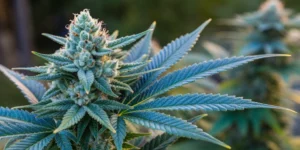
GG, known for its striking potency, is a favorite among both recreational and medicinal users. This strain is renowned for delivering a powerful, euphoric high that can last for hours. The buds of this variety are densely packed and coated in a thick layer of trichomes, contributing to its sticky texture. For growers, this cultivar promises a rewarding cultivation experience with a significant yield.
This variety’s effects are primarily due to its high THC content, which can reach up to 30%. Users often report a sense of happiness and relaxation, making it ideal for stress relief. The plant’s terpene profile, featuring earthy and pine notes, adds to the overall experience. Its robust genetics make it a reliable choice for those looking to maximize their harvest.
The genetics of this cultivar stem from a cross between Chem’s Sister, Sour Dubb, and Chocolate Diesel. This lineage contributes to the vigorous growth and resilience of the plant, making it suitable for various cultivation environments. Given its robust nature, this strain is popular among both novice and experienced growers, as it can adapt to different growing conditions.
Ensuring a proper balance of nutrients and lighting is crucial for cultivating this cannabis variety successfully. Timing the harvest correctly is vital to maximize the potency and flavor profile of its buds. As growers aim to achieve the fullest expression of the plant’s genetics, attention to detail during the cultivation process is paramount.
Optimal Environment to Grow GG Successfully
Creating the ideal environment is crucial for cultivating robust cannabis plants like GG. This strain thrives in a controlled indoor setting where temperature, humidity, and light are optimized. Maintain temperatures between 68-77°F (20-25°C) during the day and slightly cooler at night to promote healthy growth. Consistent environmental conditions contribute significantly to the plant’s overall yield and quality.
Humidity control is essential when growing this variety. During the vegetative phase, aim for a relative humidity of 40-60%. As the plant transitions to flowering, gradually reduce humidity to 30-40% to prevent mold and mildew. Proper air circulation is also vital to prevent stagnant conditions and ensure each part of the plant receives adequate airflow, enhancing its terpene profile.
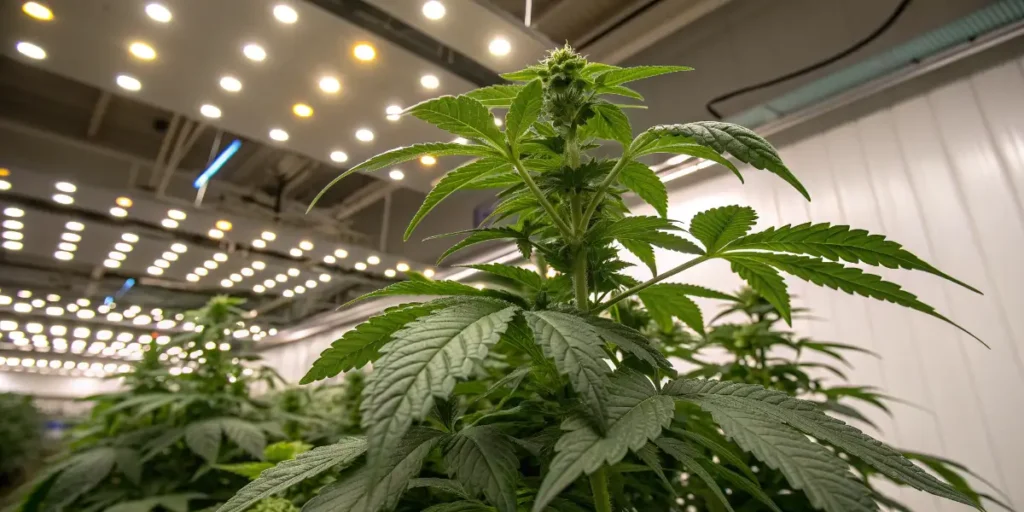
Lighting plays a significant role in the development of this cultivar. Providing ample light during the vegetative stage encourages strong growth. Utilizing full-spectrum LED lights can mimic natural sunlight, aiding in the production of dense buds. Adjust the light cycle to 12 hours on and 12 hours off during flowering to stimulate robust bud formation, affecting the final harvest’s quality and size.
Soil quality and nutrients impact the success of your GG grow. This strain prefers nutrient-rich soil with good drainage. Incorporate organic matter like compost to enhance soil fertility. Regular feeding with balanced nutrients supports vigorous growth and terpenes production, resulting in potent, aromatic buds. Monitoring pH levels, ideally between 6.0 and 6.8, ensures nutrient uptake and plant health.
Grow Room Setup for GG Plants
Creating the perfect grow room is essential for optimizing the cultivation of GG. This strain is known for its potency and high yields, so ensuring the right environment will maximize its performance. Key elements include temperature, humidity, and light. Maintaining a stable temperature between 68-77°F with relative humidity around 40-50% helps the plant thrive.
Lighting is crucial for the successful growth of this cultivar. High-intensity discharge (HID) lights or LEDs mimic sunlight and provide the necessary energy the plant needs. An 18/6 light cycle during the vegetative stage and 12/12 during the flowering phase is recommended. Proper lighting ensures the development of dense buds and enhances terpene production.
Air circulation and ventilation should not be overlooked in your grow room setup for this variety. Good airflow prevents mold and pests while strengthening the plant’s stems. Installing fans and exhaust systems will ensure a constant supply of fresh air. This setup provides the best conditions for developing robust buds leading up to harvest.
Spacing and soil choice play a vital role in the success of cultivating this genetics. Allow adequate space between plants to promote air circulation and prevent overcrowding. Choosing high-quality, well-draining soil enriched with essential nutrients will support the healthy growth of the plant. Growing GG with these considerations will reward growers with an exceptional yield.
Indoor Growing Tips for GG
When cultivating GG indoors, it’s crucial to maintain a stable environment. Optimizing temperature and humidity can significantly influence the quality of the buds. Ideal temperatures range from 68-77°F with humidity between 40-50% during the flowering stage. Growers should consider using high-quality LED lights to simulate sunlight, encouraging robust growth and enhancing the terpene profile of this cultivar.
This variety benefits from a nutrient-rich soil or hydroponic system to maximize its potential. Feeding schedules should be closely monitored, with particular attention to nitrogen, phosphorus, and potassium levels. It responds well to pruning and trimming, which aids in improving airflow and light penetration throughout the plant, ultimately leading to a better yield and stronger potency at harvest.
Training techniques such as low-stress training (LST) are effective in managing the height and improving the overall growth of it. It helps in maximizing the light exposure to all parts of the plant, resulting in increased bud production. Regular monitoring of pH levels and pests can also ensure that the plant remains healthy and vigorous throughout the cultivation process.
Outdoor Growing Tips for GG
GG thrives in an outdoor environment where it can bask in plenty of sunlight. Ideal for growers who seek a bountiful harvest, ensuring that the plant receives ample direct light is essential for maximizing its potential. Additionally, selecting a location with well-draining soil can help this cultivar avoid common issues related to root rot, significantly boosting its yield.
When cultivating this variety outdoors, regular pruning will encourage the growth of dense buds and facilitate better airflow. This practice also helps in managing the overall height and structure of the plant. Growers should also focus on pest management, as outdoor settings can attract various insects that may compromise the quality of the cannabis.
To unlock the rich terpene profile this plant is known for, maintaining consistent watering while avoiding over-saturation is key. As harvest approaches, gradually reducing water intake can help enhance bud flavor and resin production. By following these outdoor growing tips, cultivators can ensure that the yield is both plentiful and of high quality.
How to Germinate & Propagate GG
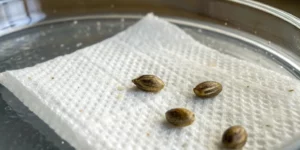
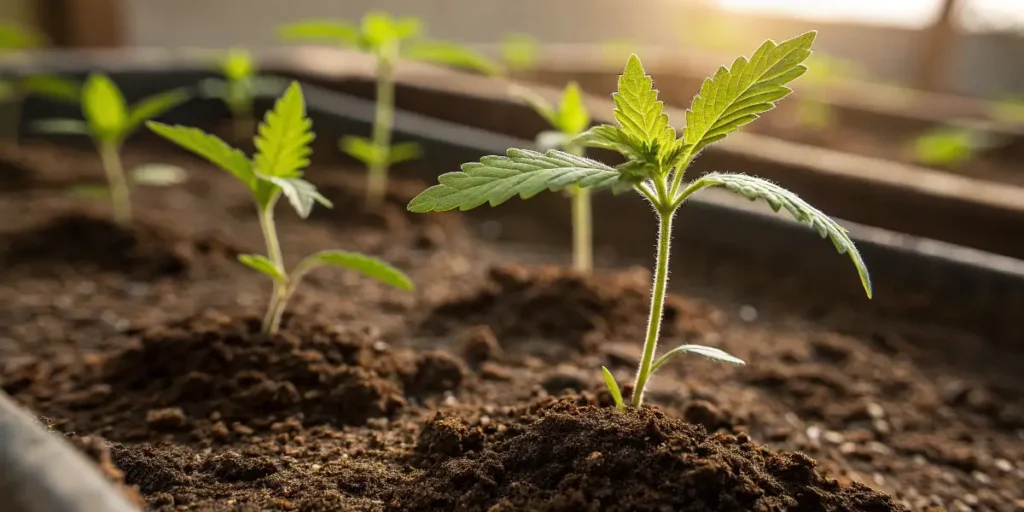
Successful cultivation of this strain begins with proper germination techniques. Start by soaking the seeds in lukewarm water for 12 to 24 hours to promote sprouting. This step encourages faster development and ensures the future plant’s vigor. After soaking, place seeds between damp paper towels, keeping them in a warm, dark area. Check daily for root development, which typically occurs within a few days.
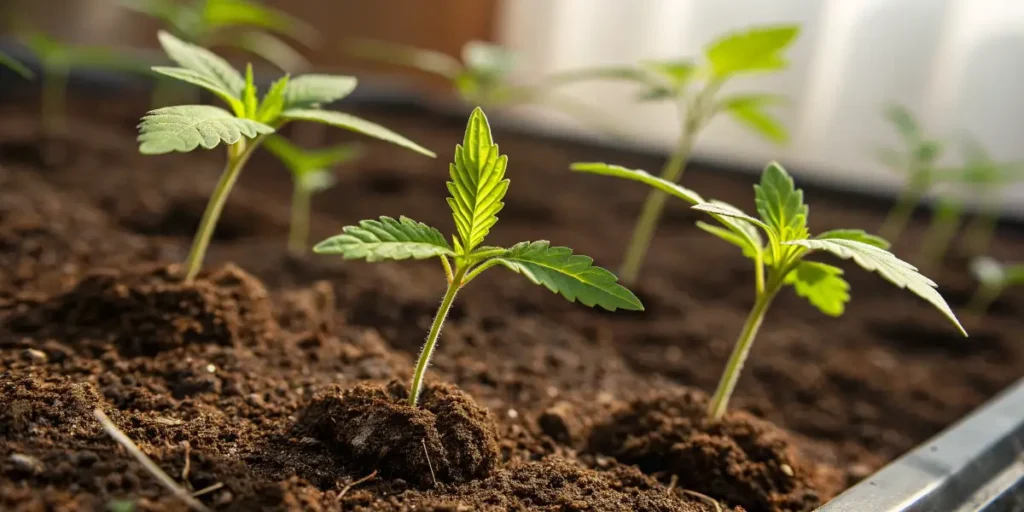
Once the seeds of this variety show signs of sprouting, it’s time to transfer them into a growing medium. Many growers prefer peat plugs or starter cubes for cannabis cultivation as they offer excellent aeration and moisture control. Ensure that each seed is planted about a quarter-inch deep. This depth offers the optimal conditions for root penetration and seedling emergence.
Providing consistent warmth and humidity is crucial for the early stages of this cultivar’s growth. Aim to maintain a temperature between 70-80°F (21-27°C) and a humidity level of 70%. These conditions mimic the natural environment that cannabis thrives in, supporting vigorous growth from the get-go. Adjustments can be made as the plant matures to support healthy bud and terpene development.
For ongoing propagation, consider cloning as an effective method to ensure genetic consistency in your GG plants. Take cuttings from a healthy mother plant with proven yield and quality traits. Root these cuttings in a suitable medium, maintaining similar environmental conditions as seedlings. This method will produce robust plants that are genetically identical, maintaining the desirable characteristics of the original plant.
Vegetative Stage
The vegetative stage is a crucial period in cannabis cultivation where growers focus on developing strong, healthy plants. During this phase, this strain will benefit from a well-lit environment with sufficient light cycles of 18 hours on and 6 hours off. Consistent watering and feeding with adequate nutrients are essential to support robust growth and prepare the plant for its next stages.
When nurturing this variety, it’s important to maintain a balance of macro and micronutrients to ensure optimal development. Nitrogen is particularly vital during this stage, promoting lush foliage and a sturdy structure. Adjusting the pH level of the soil between 6.0 and 6.5 can aid nutrient absorption, ensuring that the plant remains healthy and vigorous.
Monitoring the plant’s growth patterns will help growers identify any potential issues early on. Pruning techniques can be applied to foster better light penetration and air circulation, essential for healthy development. Techniques like topping or low-stress training may be used to encourage bushier growth, which can ultimately enhance the yield potential of this cultivar when it enters the flowering stage.
As the vegetative stage progresses, maintaining an optimal environment becomes critical. This includes regulating temperature and humidity to match the strain’s needs. Generally, temperatures should stay between 70-85°F, with humidity levels around 40-70%. By giving GG the care it requires in this phase, cultivators can support a bountiful harvest enriched with its signature terpenes.
Flowering GG: What to Expect
During the flowering phase, this strain displays robust growth, pleasing any dedicated cannabis cultivator. As the plant matures, its long and sticky resinous buds become more prominent. Paying attention to environmental conditions such as humidity and light is crucial to optimize its yield and potency. Growers should anticipate a flowering period of approximately 8 to 9 weeks for ideal results.
As this cultivar progresses through its flowering stage, the aroma intensifies significantly. The plant’s terpene profile develops, offering a complex mix of earthy, pine, and slightly sour notes. It’s crucial to ensure adequate ventilation and air circulation to manage these intense odors and prevent mold. Maintaining these conditions will help in producing high-quality buds.
Monitoring and adjusting feeding schedules is vital during this time. This variety benefits from an increase in phosphorus and potassium levels which assist in bud development and enhance terpene production. Growers should also ensure the plant receives adequate water and nutrients to sustain its rapid growth and dense bud formation.
Once the flowering period comes to a close, it’s time for the harvest. GG typically offers a generous yield that reflects the effort put into its cultivation. By paying attention to trichome development and harvesting at the right time, growers can ensure a potent and high-quality final product. This attention to detail maximizes both the plant’s overall yield and its sought-after effects.
Fertilizers & Nutrient Schedule
Given the unique attributes of GG, knowing its nutrient needs is vital for maximizing growth and yield. This strain thrives with a balanced nutrient regime, supporting its dense bud structure and rich terpene profile. During cultivation, adhere to a feeding schedule that includes essential macronutrients such as nitrogen, phosphorus, and potassium to ensure robust plant health and optimize harvest potential.
This cultivar generally requires increased nitrogen during the vegetative phase to promote healthy leaf development. Gradually transitioning to a phosphorus and potassium-rich formula as it enters flowering can help enhance bud production. Growers should be diligent with their feeding schedules, adjusting concentrations based on the plant’s response. Regular monitoring ensures that the variety achieves optimal growth conditions and avoids nutrient deficiencies or toxicities.
The use of quality cannabis-specific fertilizers can significantly impact the plant’s overall health and yield. To prevent nutrient lockout, it’s advisable to flush the medium periodically. This strain responds well to these practices, with careful management leading to prolific flowering. Employing organic feeds can also augment beneficial microbial activity in the soil, further supporting this variety’s growth.
Knowing and addressing the nutrient demands specific to this genetics will result in a more satisfying harvest. With the right feeding practices, the cultivar’s full potential in terms of terpene richness and bud density can be achieved. By tailoring the nutrient schedule to its growth phases, growers can ensure each phase of GG’s lifecycle is optimized for maximum evolutionary gain.
Pest and Disease Prevention for Healthy Cannabis Plants
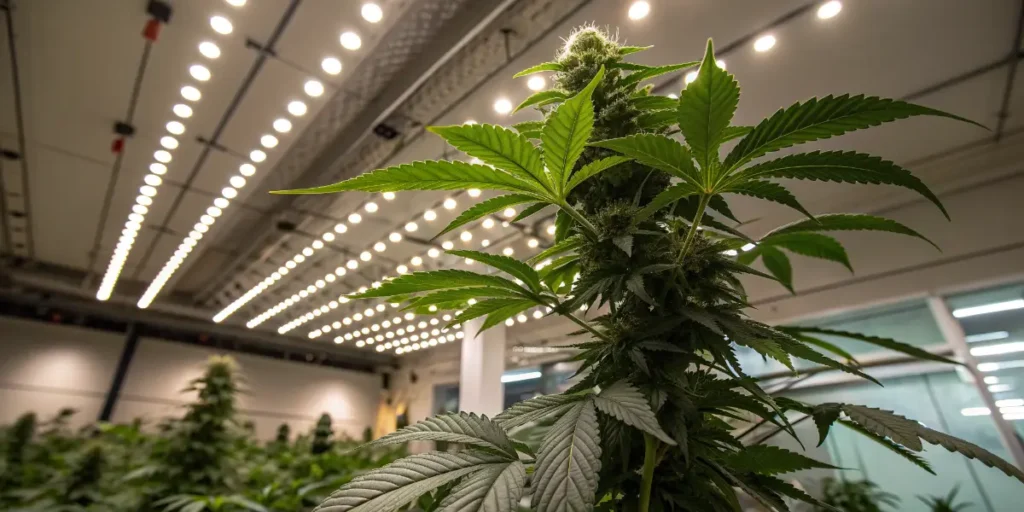
Preventing pests and diseases is crucial for maintaining the health of cannabis plants, such as GG. Growers should regularly inspect their cultivation spaces for signs of pests, such as aphids or spider mites. Utilizing natural predators like ladybugs or implementing essential oils can help safeguard the plant. This approach encourages a balanced ecosystem and protects the buds and yield.
Ensuring proper air circulation and humidity control is essential for this variety to thrive. Overly damp environments can foster mold and mildew, which are detrimental to the plant. By positioning fans appropriately and maintaining well-ventilated spaces, growers can protect this strain from fungal diseases. Monitoring the climate will help ensure a bountiful harvest with robust terpenes.
Practicing crop rotation and soil management can deter soil-borne diseases and promote healthy roots in this cultivar. Mixing companion plants can enhance pest resistance and overall plant health. Routine monitoring and early intervention are key to keeping this strain free from harmful infestations, ensuring a healthy, productive growth cycle.
Harvesting & Drying
Harvesting this strain effectively begins with recognizing the optimal time to do so. Growers should pay close attention to the trichomes, which shift from a clear to a milky white color. This period is crucial in ensuring the highest potency and terpene profile. Waiting for the right moment enhances the yield and overall quality of the buds from this variety.
The cannabis plant must be cut and trimmed with precision to preserve its delicate trichomes. Many cultivators recommend cutting branches individually, which allows for a more controlled drying process. Using sharp, sterilized tools will help minimize damage. Proper trimming techniques are essential in retaining the rich terpene profile and maximizing the aromatic features prized in this genetics.
Drying the buds carefully is paramount to prevent mold and preserve their unique attributes. The plant should be hung upside down in a dark room with optimal humidity levels around 45-55% and a temperature of 60-70°F. This method gradually decreases moisture, ensuring that the buds cure evenly, enhancing the flavor and aroma characteristic of this cultivar.
Once the buds have dried, it is crucial to cure them in airtight jars. This process should last a minimum of two to three weeks, during which jars should be opened periodically to allow fresh air in. Proper curing not only maintains the potency of GG but also significantly enhances the smoking experience, delivering smoothness and depth in every use.
GG Strain Type: Indica, Sativa or Hybrid?
GG is a balanced hybrid, known for its potent blend of Indica and Sativa characteristics, making it a favorite among cannabis enthusiasts. This strain exhibits a complex profile that combines the deep relaxation associated with Indicas and the uplifting effects typically found in Sativas, offering a complete experience for growers and users alike.
This variety is highly sought after for its rich cannabinoid and terpene content, leading to an impressive yield of dense, resinous buds. Growers appreciate the plant’s robust growth and resilience during cultivation, resulting in a successful harvest under a variety of conditions. Its balanced nature makes it versatile for different growing setups, whether indoors or outdoors.
When cultivating this cultivar, growers should expect a plant that expertly merges the easy-to-grow traits of Indicas with the energetic growth pattern of Sativas. The genetics of this strain contribute to its adaptability and the high-quality harvest it produces, making it a reliable choice for both novice and experienced cultivators seeking exceptional results.
Why Grow GG? Key Benefits for Cultivators
One compelling reason to grow this strain is its robust yield. Known for producing abundant buds, the plant offers significant harvests that are appealing to many cannabis cultivators. This variety’s dense, resin-coated flowers are not only visually appealing but also contribute to its generous yield. With proper care, growers can achieve impressive results from the plant’s cultivation.
Another advantage of cultivating this variety is its robust terpene profile. This cultivar is renowned for its complex and potent aromatic presence, which enhances the overall sensory experience. The rich blend of terpenes not only contributes to the plant’s distinctive scent but also supports its high-quality output. Cultivators who prioritize aroma and potency will find this genetics particularly rewarding.
GG is favored for its resilience and ease of growth. It adapts well to various growing environments, making it suitable for both novice and experienced growers. The plant’s natural resistance to pests and mold ensures a healthier cultivation process, reducing the need for extensive maintenance. Overall, this cultivar offers a winning combination for anyone looking to cultivate cannabis effectively.
Potential Challenges When Growing this Strain
Growers might face certain challenges when cultivating this strain, primarily due to its demanding nature in terms of nutrient intake. Balancing its need for nitrogen, potassium, and phosphorus is pivotal. Incorrect nutrient mix can lead to nutrient burn, affecting the buds’ development and terpenes profile. It’s essential to monitor the plant’s response to fertilization and adjust accordingly for a healthy yield.
This variety is susceptible to mold, especially due to its dense, resinous buds. Humidity control plays a crucial role, and maintaining optimal ventilation is necessary to prevent this issue. By ensuring a proper airflow and keeping the relative humidity within the recommended range, growers can safeguard their harvest from mold-related setbacks, preserving this cultivar’s quality and characteristic aroma.
Pests can pose a significant threat to the plant, with spider mites and aphids being common culprits. Regular inspection and employing natural predators or organic pesticides can mitigate these risks. GG, with its potential for a bountiful yield, warrants keen attention to both feeding and pest management strategies, ensuring the final harvest is both abundant and potent.
Is this Variety Worth Buying? Here’s What You Need to Know
This strain, known for its robust genetic profile, offers significant appeal to both novice and seasoned cannabis growers. Cultivation of this variety can result in dense, resinous buds with a potent collection of terpenes that provide a complex aroma and flavor. It is renowned for its strong effects, making it a popular choice among those looking for a reliable, high-yield cannabis plant.
Growers appreciate the resilience of this cultivar, which thrives in various environments and is relatively easy to manage. To ensure a successful harvest, this plant requires ample space and a controlled climate to reach its full potential. The yield from this variety is often substantial, making it an attractive option for those looking to maximize their growing efforts.
If you’re considering adding a versatile strain to your garden, GG is certainly worth buying. Its ample yields, coupled with its balanced and robust effects, make it a favorite among users and cultivators alike. Investing in this genetics is an excellent way to enrich your cannabis cultivation endeavors with a strain known for its exceptional quality.
FAQs: Growing GG
How difficult is it to grow GG for beginners?
GG is considered moderately challenging, making it better suited for growers with some experience. It requires consistent attention to environmental factors like humidity and temperature. The plant responds well to training techniques such as LST and topping, but these methods require knowledge to execute properly. With proper care and monitoring, intermediate growers can expect excellent results and generous yields from this cultivar.
What yield can I expect from GG?
With optimal conditions, GG can produce impressive yields. Indoor growers can expect around 18 ounces per square meter, while outdoor cultivation may yield up to 21 ounces per plant. This strain is known for its resin-laden buds and prefers a controlled environment to reach its full potential. Consistent nutrient management and adequate lighting are key to maximizing the yield of this variety.
When should I expect GG to flower?
GG typically has a flowering time of about 8 to 9 weeks. Growers should keep an eye on the trichomes to determine the optimal time to harvest. Monitoring the flowering period closely allows the plant to reach peak potency and ensure the desired effects associated with this strain. Patience during the flowering phase will reward growers with dense, resinous buds.
What climate is ideal for GG?
This cultivar thrives in a warm and slightly humid climate, similar to that of the Mediterranean. Maintaining temperatures between 68-85°F (20-29°C) during the growth cycle is crucial. Outdoor cultivation should be completed by early October to avoid adverse weather conditions. GG benefits from controlled indoor environments where factors like humidity and temperature can be precisely managed.
What are common issues when growing GG?
Overfeeding nutrients and pest infestation are common challenges faced by growers of GG. The plant is known for its resin production, which may attract pests like spider mites. Regularly check the foliage and maintain balanced feeding to prevent nutrient burn. Proper ventilation and sanitation can help minimize potential problems. Adopting preventive measures is key to maintaining healthy growth.