
Economic Transformation Through Legal Cannabis
Legal cannabis has the potential to reshape global economies by creating jobs and generating tax revenue. In states where cannabis is legal, the industry has quickly become a powerhouse, contributing billions to the economy. From dispensary workers to cultivation experts, the job market is expanding rapidly.
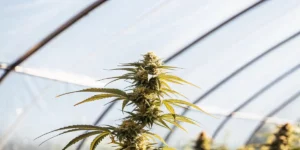
Take the strain GG from Global Green Genetics, for example. Known for its high yield and potent THC levels, it requires skilled labor for cultivation and processing. This, in turn, fuels job creation across various sectors, including agriculture, logistics, and retail. The impact of legal cannabis on economies is undeniable, offering a sustainable path for economic growth.
Moreover, tax revenues from cannabis sales provide states with additional funds to invest in public services such as education and infrastructure. These developments not only stabilize economies but also improve the quality of life for citizens, proving the economic benefits of legal cannabis.
Expanding on the economic benefits of legal cannabis, countries embracing legalization often see an influx of foreign investment, drawn by the promise of a burgeoning market. This external capital can fuel further industry expansion and innovation. Additionally, the international trade of cannabis products, from medicinal oils to recreational edibles, opens new revenue streams and strengthens trade relations. Such a dynamic market fosters global economic integration, demonstrating how legal cannabis can change the world by bridging economic divides.
The Rise of Small Businesses
Legal cannabis has opened doors for small business owners and entrepreneurs. By allowing new players to enter the market, cannabis legalization encourages competition and innovation. Small businesses can thrive by focusing on niche markets and specialized products.
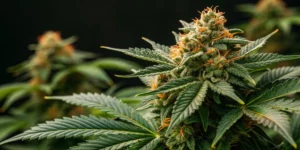
Strains like Critical Runtz, known for its balanced THC and CBD levels, offer unique selling points for small ventures. Entrepreneurs can develop products that cater to specific consumer needs, such as medical patients seeking relief without intense psychoactive effects. This diversification strengthens the industry and supports economic resilience.
Environmental Benefits of Cannabis Legalization
The environmental impact of cannabis legalization is another critical factor. Legal cultivation practices can be more regulated and sustainable, reducing the industry’s carbon footprint. By adhering to environmental standards, growers can minimize water usage and pesticide application.
For example, cultivating strains like Runtz, which is known for its relatively short flowering time, means less resource consumption over the growing period. This translates into a reduced environmental impact, making legal cannabis a more sustainable option compared to other agricultural practices.
Additionally, the hemp plant, a relative of the cannabis plant, is renowned for its ability to absorb carbon dioxide. Legal cannabis cultivation that incorporates hemp can further contribute to carbon sequestration efforts, enhancing the overall environmental benefits of cannabis legalization.
Furthermore, the environmental impact of cannabis legalization extends to the promotion of biodiversity. By encouraging diverse agricultural ecosystems, cannabis growers can cultivate a variety of plant species alongside strains like GG and Runtz, supporting habitat preservation and soil health. This holistic approach not only benefits the environment but also enriches the quality of cannabis produced. As such, the drive towards eco-friendly practices showcases one of the five ways legal cannabis can change the world by fostering a greener planet.
Sustainable Agricultural Practices
Legal cannabis encourages the adoption of sustainable agricultural practices. By implementing organic growing methods and utilizing renewable energy sources, cultivators can significantly reduce their environmental footprint. Legal frameworks also promote transparency and accountability, ensuring that growers adhere to eco-friendly standards.
As growers of strains like GG adopt sustainable practices, they set industry standards that can inspire other agricultural sectors. The shift towards eco-conscious cultivation is a key component in the broader environmental impact of cannabis legalization.
Advancements in Medical Cannabis
Medical advancements due to cannabis legalization have been transformative. As research expands, the therapeutic potential of cannabis continues to grow, offering new treatment options for a range of conditions. Patients worldwide are benefiting from the medical applications of cannabis.
Strains like Critical Runtz, with its balanced THC and CBD profile, are particularly valuable in medical settings. This strain is often used to manage pain, anxiety, and inflammation, providing relief to patients without the intense psychoactive effects associated with high-THC strains.
The legalization of cannabis has also accelerated research efforts, leading to the development of new pharmaceuticals and therapies. As legal frameworks evolve, the possibilities for medical cannabis are expanding, promising a future where cannabis plays a central role in healthcare.
The advancements in medical cannabis, facilitated by legalization, also extend to patient-specific treatments. With the ability to tailor cannabinoid profiles, researchers can develop personalized therapies for conditions ranging from epilepsy to chronic pain. This customization enhances treatment efficacy and patient satisfaction. Furthermore, the increased availability of clinical trials, focusing on strains like Critical Runtz, drives further innovation. Such progress underscores the transformative potential of legal cannabis in medical science, highlighting one of the five ways legal cannabis can change the world by revolutionizing healthcare.
Improved Patient Access
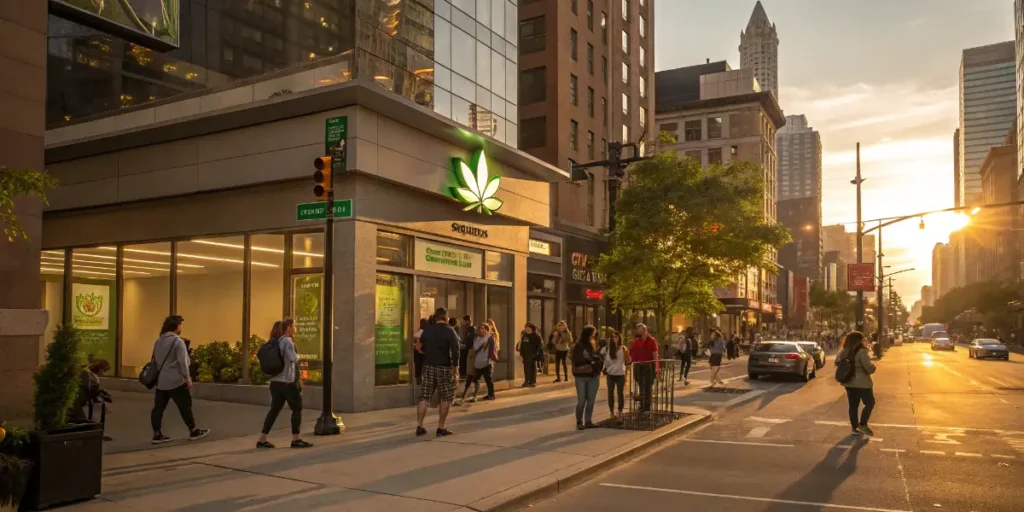
Legalization has significantly improved patient access to cannabis-based treatments. In areas where cannabis is legal, patients no longer have to navigate the complexities of black-market transactions. Instead, they can access regulated, quality-assured products through licensed dispensaries.
By fostering a transparent and reliable market, legalization ensures that patients receive safe and effective treatments. Strains such as Runtz, known for its therapeutic benefits, become more accessible, allowing patients to tailor treatments to their specific needs.

Social Justice and Cannabis Legalization
Legal cannabis plays a pivotal role in social justice reform. Historically, cannabis prohibition disproportionately affected marginalized communities. Legalization offers an opportunity to address these injustices and create a more equitable society.
By expunging previous cannabis-related convictions and providing opportunities for those impacted by prohibition, legalization can foster social equity. Programs that support minority-owned cannabis businesses are crucial in this effort, helping to dismantle systemic barriers.
Furthermore, as the global cannabis market trends toward inclusivity, it’s essential to prioritize diversity and representation within the industry. This approach not only addresses past wrongs but also enriches the industry with diverse perspectives and innovations.
Moreover, legal cannabis and social justice reform go hand in hand in promoting educational initiatives within impacted communities. By using cannabis tax revenues to fund scholarships and vocational training, these programs empower individuals with new skills and opportunities. This holistic approach to community upliftment ensures that the benefits of legalization extend beyond the cannabis industry itself, making it one of the five ways legal cannabis can change the world by fostering social equity and empowerment.
Community Reinvestment
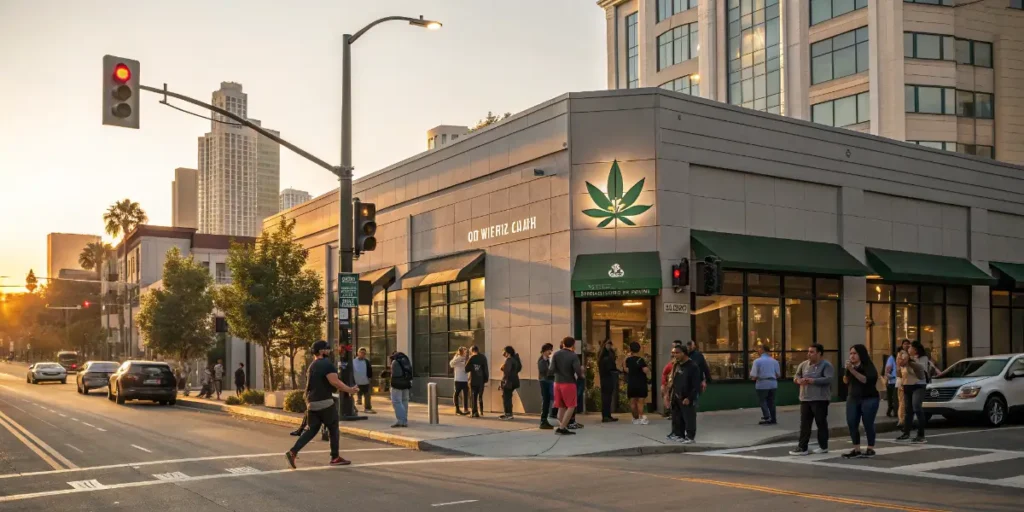
Legal cannabis provides a mechanism for community reinvestment. Tax revenues from cannabis sales can be allocated to programs that support education, health, and social services in underserved communities. This reinvestment helps to repair the damage caused by decades of prohibition.
By promoting community-driven initiatives and supporting local economies, the legal cannabis industry can become a powerful tool for social change. The reinvestment of cannabis tax revenues is a tangible way to enhance social justice and improve community well-being.
Global Cannabis Market Trends
The global cannabis market is experiencing unprecedented growth. As more countries move towards legalization, the industry is poised to become a major player in the global economy. Market trends indicate a shift towards diverse product offerings and increased consumer demand.
Strains like GG, with its high THC content, appeal to recreational users seeking potent experiences. Meanwhile, strains such as Critical Runtz and Runtz cater to consumers interested in balanced effects and therapeutic benefits. This diversity in strain offerings reflects the evolving preferences of global consumers.
As the market expands, there is a growing emphasis on quality and consistency. Brands like Global Green Genetics are leading the charge, ensuring that consumers receive reliable and high-quality products. This focus on excellence is critical as the industry scales and adapts to the demands of a global market.
Global cannabis market trends also emphasize the importance of regulatory harmonization. As countries adopt varying legal frameworks, creating standardized regulations can facilitate international trade and cooperation. This alignment not only boosts market efficiency but also ensures consumer safety across borders. By promoting such regulatory cohesion, the cannabis industry can serve as a model for global commerce, showcasing yet another of the five ways legal cannabis can change the world by fostering international collaboration and economic growth.
Innovation and Technology in Cannabis
Innovation and technology are driving forces behind the evolution of the cannabis industry. From advanced cultivation techniques to cutting-edge product development, technology is enhancing the efficiency and quality of cannabis products worldwide.
As the industry grows, the adoption of precision agriculture and data analytics is becoming commonplace. This technological integration not only boosts productivity but also ensures that strains like Runtz and GG meet the highest standards of quality and potency.
FAQ
How does legal cannabis impact the economy?
Legal cannabis significantly impacts the economy by creating jobs and generating tax revenue. The industry supports a wide range of employment opportunities, from cultivation and processing to retail and logistics. Additionally, tax revenues from cannabis sales provide states and countries with funds that can be reinvested into public services.
Strains like GG, known for their high yield, require skilled labor, further contributing to job creation. As the industry grows, these economic benefits continue to expand, offering a sustainable path for economic development.
What are the environmental benefits of cannabis legalization?
Cannabis legalization promotes environmentally sustainable cultivation practices. By adhering to regulated growing standards, the industry can reduce its carbon footprint and minimize resource consumption. Strains such as Runtz have shorter flowering times, leading to less water and energy use.
Furthermore, the integration of hemp cultivation can enhance carbon sequestration efforts, contributing positively to climate change mitigation. Legalization encourages eco-friendly practices, making the cannabis industry a model for sustainability.
How does cannabis legalization affect medical research?
Legalization has accelerated medical research by removing barriers to cannabis studies. This increased research activity has led to new insights into the therapeutic potential of cannabis, resulting in innovative treatments for various conditions.
Strains like Critical Runtz, with their balanced THC and CBD levels, are at the forefront of medical research, offering promising options for patients seeking relief from pain, anxiety, and inflammation.
What role does legal cannabis play in social justice reform?
Legal cannabis is crucial for social justice reform as it addresses the disparities caused by past prohibition policies. Legalization can lead to the expungement of previous convictions and create economic opportunities for communities disproportionately affected by the war on drugs.
Initiatives to support minority-owned cannabis businesses are essential for promoting equity and ensuring that the benefits of legalization are shared across diverse communities.
What are the trends in the global cannabis market?
The global cannabis market is experiencing rapid growth, characterized by diverse product offerings and increased consumer demand. There is a notable shift towards high-quality, reliable products, with strains like GG, Critical Runtz, and Runtz catering to varying consumer preferences.
Innovation and technology play a significant role in the industry’s evolution, with advancements in cultivation and product development enhancing the quality and consistency of cannabis products worldwide.