
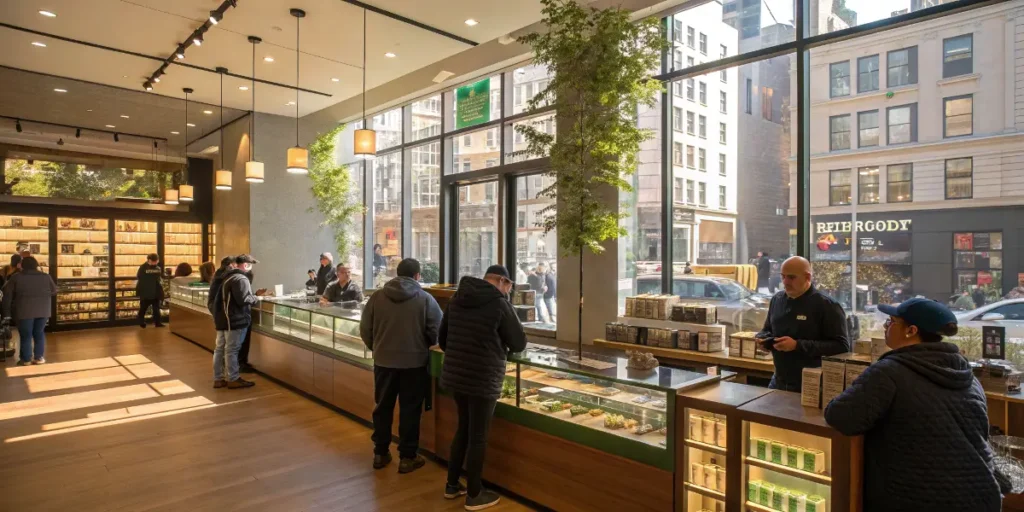

It’s been seven years since the United States began a wave of cannabis legalization, transforming the landscape of both the economy and public health. The journey has been dynamic, with significant shifts in public attitudes and policy changes. From economic growth to shifts in societal norms, the impact is profound and multifaceted.
The initial fears and concerns of rampant crime and health issues have been juxtaposed with the reality of increased tax revenues and job creation. The cannabis industry has not only become a major economic player but has also initiated a broader conversation about public health and safety. Recognizing these changes helps both first-time buyers and experienced growers navigate this evolving market.
Recommended Strains
Cindy 99

|
THC | 20% - 22% (Medium) |

|
Lineage | Princess x Cinderella 88 |

|
Type | Feminized |

|
Height | 9.84 ft | 3 m |

|
Yield | High |

|
Yield Indoor | 1.47 - 1.8 oz/ft² | 450 - 550 g/m² |

|
Yield Outdoor | 21.16 - 24.69 oz/plant | 600 - 700 g/plant |

|
Flowering Time | 8 - 10 weeks |

|
Phenotype | 30% Indica / 70% Sativa |

|
Medical | Depression, Insomnia, Muscle Spasms |

|
Effects | Happy, Relaxed, Talkative |

|
Flavors | Fruity, Sweet |

GG4 Autoflower
|
|
THC | 23% - 29% (High) |
|
|
Lineage | Sour Dubb x (Chem’s Sister x Chocolate Diesel) x Ruderalis" |
|
|
Type | Autoflowering |
|
|
Height | 3.94 ft | 1.2 m |
|
|
Yield | Medium |
|
|
Yield Indoor | 1.47 oz/ft² | 450 g/m² |
|
|
Yield Outdoor | 19.4 oz/plant | 550 g/plant |
|
|
Life Cycle | 9 - 10 weeks |
|
|
Phenotype | 40% Indica / 60% Sativa |
|
|
Effects | Euphoric, Relaxed, Uplifted |
|
|
Flavors | Citrus, Earthy, Fruity |
As we delve into the specifics, 7 Years Later: The Impact of Cannabis Legalization in the US Economy and Society reveals how legalization has influenced various aspects of American life. This includes an examination of public health implications, economic benefits, and the social impact on youth and community safety.
Public Health Implications of Cannabis Legalization
One of the most debated topics around cannabis legalization is its impact on public health. Seven years in, the results are mixed but insightful. Legalization has opened doors to new research opportunities, allowing scientists to study both the benefits and risks associated with cannabis use.
While there are concerns about increased usage among youth, studies show that legalization has not significantly altered youth usage patterns. Instead, it has provided a controlled environment where education and safe usage are prioritized. This shift is crucial in recognizing the long-term health effects of cannabis.

Economic Effects Seven Years After Legalization
The economic impact of cannabis legalization has been substantial. The industry has generated billions in tax revenue, providing states with new funding for public services and infrastructure.
This influx of capital has spurred economic growth, creating jobs and attracting investments.
- Job creation across various sectors, including agriculture, retail, and transportation.
- Increased tax revenue channeled into education and healthcare.
- Boosted local economies through cannabis tourism and events.
These economic benefits highlight the potential for continued growth and stability within the cannabis market. However, challenges such as regulatory compliance and market saturation remain.
Changes in Crime Rates Post-Legalization
Crime rates have been a focal point in the discussion of cannabis legalization. Contrary to initial fears, crime has not spiked. In fact, many regions report a decrease in certain types of crime, particularly those related to drug trafficking and illegal sales.
Legalization has allowed law enforcement to redirect resources to more serious crimes, fostering a safer community. This shift underscores the importance of regulated markets in reducing black market activities and enhancing public safety.
Exploring Strains: A Guide for Buyers and Growers
For those looking to venture into the world of cannabis, selecting the right strain is crucial. Here are three strains that cater to diverse preferences.
Banana Kush Cake Automatic is a favorite among growers and users alike. Known for its sweet banana aroma and relaxing effects, it’s perfect for unwinding after a long day. The strain is easy to grow, making it ideal for beginners.
Purple Lemonade Autoflower stands out with its vibrant hue and citrusy flavor. It’s a sativa-dominant strain that offers an uplifting and euphoric high. This strain is great for social gatherings and creative endeavors.
Zoap Seeds is a modern strain known for its unique, dessert-like aroma and well-rounded effects. It delivers a smooth, balanced experience that blends mild euphoria with a relaxed state of mind, making it suitable for both daytime and evening use. Its appealing flavor profile and consistent performance make it an attractive option for buyers and growers alike.
Super Bud Strain combines high yield with powerful effects. It’s a well-balanced hybrid that provides a calming body high without overwhelming sedation. This strain is perfect for evening use, offering relaxation and stress relief.

FAQs on Cannabis Legalization and Its Impact
How has cannabis legalization influenced youth usage patterns?
The concern around youth usage was prominent before legalization. However, studies show that legalization has not led to an increase in usage among teens. In fact, some states report stable or even declining rates. This trend suggests that regulated markets may help control access better than prohibition.
Education and awareness campaigns have played a significant role in maintaining these patterns. By focusing on responsible use and the potential risks, states have managed to mitigate many concerns surrounding youth access to cannabis.
What are the economic effects of cannabis legalization seven years later?
Seven years into legalization, the economic benefits are clear. The cannabis industry has become a significant contributor to state economies through job creation and tax revenue. This growth has provided states with additional funds for public services, improving infrastructure and education.
However, the industry also faces challenges such as regulatory compliance and competition. Balancing these aspects is crucial for sustainable growth and continued economic benefits.
How has the impact of cannabis legalization affected public health in the US?
The impact on public health is multifaceted. Legalization has allowed for more in-depth research into the health effects of cannabis, both positive and negative. While there are concerns about potential health risks, the availability of regulated products has improved safety standards.
Public health campaigns have focused on education, promoting responsible use and awareness of potential risks. This proactive approach aims to maximize benefits while minimizing potential harms associated with cannabis use.
What changes in crime rates have occurred after cannabis legalization in the US?
Crime rates related to cannabis have generally decreased following legalization. This is largely due to the reduction in black market activities and the reallocation of law enforcement resources to more serious crimes. Legalization has also reduced the burden on the criminal justice system.
However, it is important to continue monitoring these trends to ensure that legalization continues to contribute positively to public safety and community wellbeing.
What is the tax revenue generated from cannabis legalization in the US?
Tax revenue from cannabis has been substantial, providing states with significant funds to allocate towards public services. This revenue supports various sectors, including education, healthcare, and infrastructure development.
The success of tax revenue generation highlights the potential financial benefits of a regulated cannabis market, offering insights into the broader economic impact of legalization.