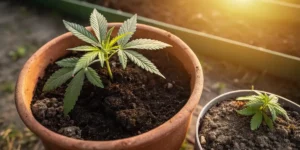


The cannabis industry is as diverse as the plants it nurtures. Prices for cannabis vary remarkably across the globe, influenced by factors such as legality, demand, and local cultivation conditions. In this guide, we delve into the intricate world of cannabis pricing, focusing on the unique characteristics of strains like Bruce Banner 3 Auto, Bruce Banner, and Gelato from Global Green Genetics. These strains exemplify the diversity of offerings that affect pricing structures worldwide.
When discussing cannabis prices around the world, it’s essential to consider the local laws and economic conditions. For instance, countries with legalized recreational cannabis often have more stable and competitive pricing, while those with strict regulations might see higher prices due to the black market. Knowing these dynamics can help you make informed decisions whether you’re a first-time buyer or an experienced grower.
Strains like Bruce Banner 3 Auto and Gelato are popular choices in the international market due to their unique traits and adaptability. These strains’ characteristics, such as flowering time and yield, play a significant role in determining their market value. As we examine cannabis prices globally, keep in mind how these factors influence the cost you might encounter in different regions.
Cannabis Price Influencers Worldwide
The price of cannabis is subject to a myriad of influences. From legal frameworks to cultivation conditions, each factor plays a critical role in shaping the final cost. Let’s break down the main elements affecting cannabis prices.
Besides legal status and local cultivation conditions, international cannabis market prices are also shaped by geopolitical factors and trade agreements. For instance, countries that engage in cross-border cannabis trade can influence average cannabis prices by country, as tariffs and import/export regulations play a role in cost structures. Furthermore, global marijuana cost comparison shows that countries with strong export capabilities, possibly due to advanced agricultural technology, may offer more competitive prices for strains like Bruce Banner and Gelato, affecting their accessibility and affordability on the global stage.
Legal Status and Regulation
One of the most significant determinants of cannabis prices around the world is its legal status. Countries that have legalized cannabis for recreational use, like Canada and parts of the United States, tend to have more competitive pricing due to an open and regulated market. In contrast, countries with restrictive laws might see higher prices due to the risk and limited supply.
For example, Bruce Banner, known for its potent THC levels, may be more expensive in areas where cannabis is illegal, as it becomes a high-demand product on the black market. Conversely, in regions where it is regulated, prices are often more stable, reflecting supply and demand dynamics.
Local Cultivation Conditions
The geographical and climatic conditions of a region significantly impact cannabis cultivation, thereby affecting prices. Countries with optimal growing conditions can produce better yields, reducing costs. For example, Gelato from Global Green Genetics thrives in warmer climates, which can lead to lower production costs and more competitive pricing in suitable regions.
In colder or less hospitable climates, indoor growing becomes necessary, often increasing production costs and, consequently, prices. These conditions require more energy and resources, which are reflected in the market price.
Market Demand and Strain Popularity
Market demand is another critical factor influencing cannabis prices. Popular strains like Bruce Banner 3 Auto, known for its quick flowering time and robust yield, can command higher prices due to their desirability among consumers and growers alike. Strains with unique properties or a strong reputation often see increased demand, which can drive up prices.
On the other hand, lesser-known strains might be priced more competitively to attract buyers. Recognizing the popularity and demand for specific strains can provide insights into their pricing on the international stage.
Average Cannabis Prices by Country
Examining average cannabis prices by country reveals fascinating insights into the global marijuana cost comparison. Let’s review how different regions stack up in terms of affordability and pricing trends.
Price variation between countries is often influenced by local economic conditions and governmental policies. In wealthier countries where cannabis has been legalized, consumers can benefit from competitive pricing due to high demand and efficient supply chains. For instance, the presence of robust cultivation infrastructures in countries like Canada makes strains such as Bruce Banner readily available at competitive prices. Meanwhile, in countries with developing markets or restrictive policies, such as some European nations, consumers might find higher prices due to limited supply and the costs involved in navigating complex legal landscapes.
North America
In North America, the cannabis market is diverse, with prices varying between countries and states. In the United States, where cannabis is legal in several states, prices can range significantly. For example, the cost of Gelato might be more affordable in California, where the market is well-established, compared to states with newer legalization.
Canada’s nationwide legalization has resulted in a more balanced market, with prices generally lower than in the United States. The availability of strains like Bruce Banner at competitive rates is common, reflecting the country’s robust cultivation infrastructure.
Europe
Europe presents a mixed bag when it comes to cannabis prices. Countries like the Netherlands, with a long history of cannabis tolerance, offer more competitive pricing. In contrast, stricter nations may see higher prices due to limited supply and higher risk.
Strains such as Bruce Banner 3 Auto can be found at varying prices depending on the country, with factors like local demand and regulation playing crucial roles. Grasping these variations can help consumers make informed purchasing decisions.
Asia
In Asia, cannabis prices are generally higher due to strict regulations across many countries. However, there are exceptions where local laws are more relaxed, leading to lower prices. For instance, in countries where cannabis is used traditionally, prices may be more competitive, though still higher than in Western nations.
The availability of strains like Gelato might be limited, and when available, they tend to command a premium due to their rarity and the costs associated with importing or cultivating under restrictive conditions.

Weed Price Trends Internationally
Examining weed price trends internationally provides a glimpse into the evolving nature of the global cannabis market. Trends are influenced by regulatory changes, consumer preferences, and advancements in cultivation techniques.
The international cannabis market prices are also being shaped by emerging markets and the increasing interest in sustainable cultivation practices. As new countries examine legalization, the arrival of strains like Bruce Banner and Gelato in these markets can influence pricing trends, often leading to initial fluctuations before stabilization. Moreover, the adoption of environmentally friendly cultivation methods is becoming a factor in pricing strategies, as consumers become more conscious of sustainability, potentially affecting the global marijuana cost comparison across different regions.
Regulatory Changes
Changes in cannabis laws can have immediate and long-lasting effects on prices. For instance, legalization in new markets often leads to an initial price drop as competition increases and supply chains stabilize. This trend was observed in countries like Canada, where prices adjusted as the market matured.
For strains such as Bruce Banner, regulatory shifts can open new markets and affect pricing strategies, making them more accessible to a broader audience.
Consumer Preferences
Consumer preferences also play a significant role in shaping price trends. As demand shifts towards specific strains or product types, prices can fluctuate accordingly. For example, the growing popularity of Gelato, with its balanced THC and CBD levels, can lead to increased prices as demand outstrips supply.
Identifying these trends can help consumers and growers anticipate market changes and adjust their purchasing or cultivation strategies accordingly.
Cultivation Advancements
Advancements in cultivation technology and techniques can lead to more efficient production, impacting prices. Innovations in indoor growing, for instance, can reduce costs and increase yields, leading to more competitive pricing.
Strains like Bruce Banner 3 Auto, which benefit from faster flowering times, can take advantage of these advancements, resulting in lower production costs and potentially reduced market prices.
Cannabis Affordability in Different Countries
Cannabis affordability varies widely across different countries, influenced by local economic conditions, purchasing power, and regulatory environments.
Besides economic conditions, cultural acceptance and historical context within a country can significantly impact cannabis affordability. In regions where cannabis use is culturally ingrained, such as parts of Asia, the local perception may influence both demand and pricing structures, although strict regulations often limit affordability. Meanwhile, in countries with a more recent acceptance of cannabis, such as parts of Europe, the market is still stabilizing, which can lead to varying affordability levels for strains like Gelato and Bruce Banner. These nuances contribute to a diverse global marijuana cost comparison and illustrate the complexities of the international cannabis market prices.
Economic Conditions
The economic conditions of a country significantly impact cannabis affordability. In wealthier nations, consumers might find cannabis more affordable due to higher disposable incomes. Conversely, in countries with lower purchasing power, even moderately priced cannabis can be considered a luxury.
For instance, in affluent regions, strains like Gelato might be more accessible to the average consumer, while in less economically stable areas, they might be priced out of reach for many.
Regulatory Environment
The regulatory environment also plays a crucial role in affordability. In countries with legalized cannabis, prices tend to be more stable and affordable due to competition and regulated supply chains. In contrast, in markets where cannabis remains illegal, prices are often inflated due to the risks involved in distribution.
Strains such as Bruce Banner can see a wide range of prices depending on the local legal framework, making it essential for consumers to understand these dynamics when evaluating affordability.
Local Market Variations
Local market variations, including demand and supply dynamics, can lead to significant differences in cannabis affordability. In regions with a high demand for specific strains, prices might be higher, while in areas with abundant supply, they could be more affordable.
Appreciating these local nuances can help consumers navigate the global cannabis market effectively, ensuring they get the best value for their purchases.
FAQ
What factors influence cannabis prices around the world?
Cannabis prices around the world are influenced by several factors, including legal status, local cultivation conditions, market demand, and strain popularity. Legal frameworks determine the risk and cost of distribution, while cultivation conditions affect production costs. Market demand, particularly for popular strains like Bruce Banner and Gelato, can drive up prices, while local economic conditions also play a significant role.
In countries with legalized cannabis, prices are often more competitive due to regulated supply chains, whereas in regions with restrictive laws, prices may be inflated due to black market dynamics. Knowing these factors can help consumers make informed purchasing decisions.
How do cannabis prices vary between North America and Europe?
In North America, cannabis prices can vary significantly between countries and states. The United States, with its patchwork of state laws, sees a wide range of prices, while Canada’s nationwide legalization has resulted in more balanced pricing. Strains like Bruce Banner and Gelato are generally more affordable in regions with established markets.
Europe presents a diverse landscape, with countries like the Netherlands offering competitive prices due to a long history of cannabis tolerance. In contrast, stricter nations may see higher prices. These variations highlight the importance of comprehending regional dynamics when assessing cannabis costs.
Are certain strains more expensive internationally?
Certain strains can be more expensive internationally, particularly those with high demand or unique characteristics. Strains like Bruce Banner 3 Auto and Gelato often command higher prices due to their popularity and specific traits, such as high THC levels or balanced CBD content.
These strains’ desirability can lead to increased demand, driving up prices, especially in regions where they are less common. However, in markets with robust supply chains and competition, prices may be more stable.
What trends are affecting international cannabis prices?
Several trends are affecting international cannabis prices, including regulatory changes, consumer preferences, and cultivation advancements. Legalization in new markets often leads to price adjustments as supply chains stabilize and competition increases.
Consumer preferences for specific strains or product types, like Gelato, can also influence prices. Meanwhile, advancements in cultivation technology can lead to more efficient production, impacting costs and pricing strategies. Recognizing these trends can help consumers and growers anticipate changes in the global cannabis market.
How do local economic conditions impact cannabis affordability?
Local economic conditions significantly impact cannabis affordability. In wealthier nations, cannabis may be more accessible due to higher disposable incomes, while in countries with lower purchasing power, even moderately priced cannabis can be considered a luxury.
Regulatory environments also play a crucial role, with legalized markets typically offering more affordable prices due to competition and regulated supply chains. Assessing these economic factors is essential for consumers looking to navigate the international cannabis market effectively.