
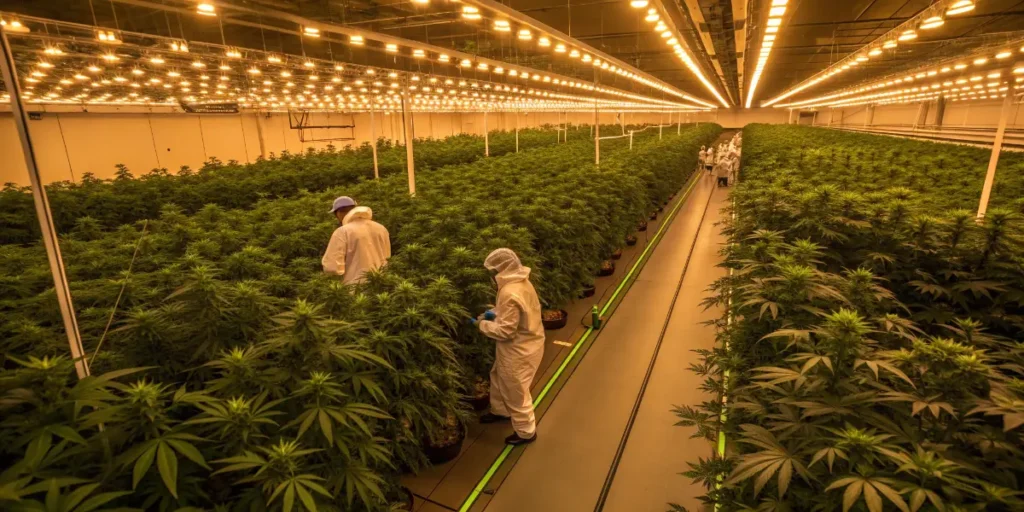

The global cannabis industry is on a rapid ascent, transforming from an underground market to a multi-billion-dollar powerhouse. This growth can be attributed to several factors including legalization, technological advancements, and changing societal norms. As we navigate through this burgeoning industry, it’s essential to understand the dynamics that are fueling its unstoppable growth. The year 2023 promises to be pivotal as global cannabis industry trends continue to evolve.
One of the key drivers of this growth is the economic impact of cannabis legalization. Countries and states that have legalized cannabis are witnessing significant tax revenues, job creation, and investment opportunities. These developments not only bolster local economies but also pave the way for further legalization efforts around the world. As more regions embrace legal cannabis, the industry is set to expand even further.
Another critical aspect of this growth is function of technological advancements in cannabis cultivation. Innovations in cultivation techniques, such as hydroponics and precision agriculture, are enabling growers to produce higher yields of premium quality cannabis with less environmental impact. For instance, strains like Gelato and Blue Gelato from Global Green Genetics are celebrated for their robust growth and high THC levels, making them favorites among cultivators seeking quality and consistency.
Investment opportunities in the cannabis sector are also playing a crucial role in its expansion. As the market matures, investors are keen to capitalize on the potential returns offered by cannabis stocks, start-ups, and ancillary businesses. This influx of capital is fueling research and development, leading to the creation of new products and services that cater to the diverse needs of cannabis consumers worldwide.
Global Cannabis Industry Trends 2023
The year 2023 is marked by several noteworthy trends in the global cannabis industry. One such trend is the increasing acceptance of cannabis for medicinal use. As more scientific evidence supports the therapeutic benefits of cannabis, countries are easing restrictions and allowing for greater access to medical marijuana. This shift is creating a ripple effect, encouraging other nations to reconsider their stance on cannabis.
Moreover, consumer preferences are shaping the industry in unique ways. There is a growing demand for organic and sustainably grown cannabis, pushing cultivators to adopt eco-friendly practices. The popularity of strains like Royal Runtz Auto, known for its fast flowering time and potent effects, reflects the consumer’s desire for high-quality and efficient cannabis products.
Additionally, the cannabis market is witnessing a surge in product diversification. Edibles, topicals, and concentrates are gaining traction, offering consumers a variety of ways to enjoy cannabis. This diversification is not only catering to different preferences but also expanding the market’s reach to include non-traditional cannabis users.
Tracking the unstoppable growth of the global cannabis industry also involves grasping the innovation driving consumer engagement. Brands now utilize augmented reality (AR) and virtual reality (VR) technologies to provide immersive experiences that educate consumers about strains like Gelato and Blue Gelato. This trend of interactive consumer education is likely to expand, enhancing customer comprehension and appreciation of cannabis products.
Economic Impact of Cannabis Legalization
The economic implications of cannabis legalization are profound and far-reaching. Governments are recognizing the potential of cannabis as a significant source of revenue. Taxation on cannabis sales has become a vital component of state budgets, funding public services and infrastructure projects. The financial benefits extend beyond taxes, as the industry creates numerous jobs across cultivation, retail, transportation, and ancillary services.
In regions where cannabis is legal, local economies are experiencing a positive impact. Small businesses are thriving as they cater to the growing demand for cannabis-related products and services. The legalization movement is also attracting tourists, eager to experience cannabis in a legal and safe environment, further boosting local economies.
Investment opportunities in the cannabis sector are abundant, attracting a diverse array of investors. From venture capitalists to individual stakeholders, the allure of high returns is driving investment in both established companies and emerging start-ups. This influx of capital is essential for innovation and growth, enabling companies to expand their operations and investigate new markets.
Furthermore, the economic impact of cannabis legalization extends to the development of real estate projects tailored to the industry. Cannabis-friendly zones and facilities are being constructed to support both cultivation and retail operations. This real estate development is a testament to the industry’s influence on urban planning, offering new investment opportunities while tracking the unstoppable growth of the global cannabis industry.

Technological Advancements in Cannabis Cultivation
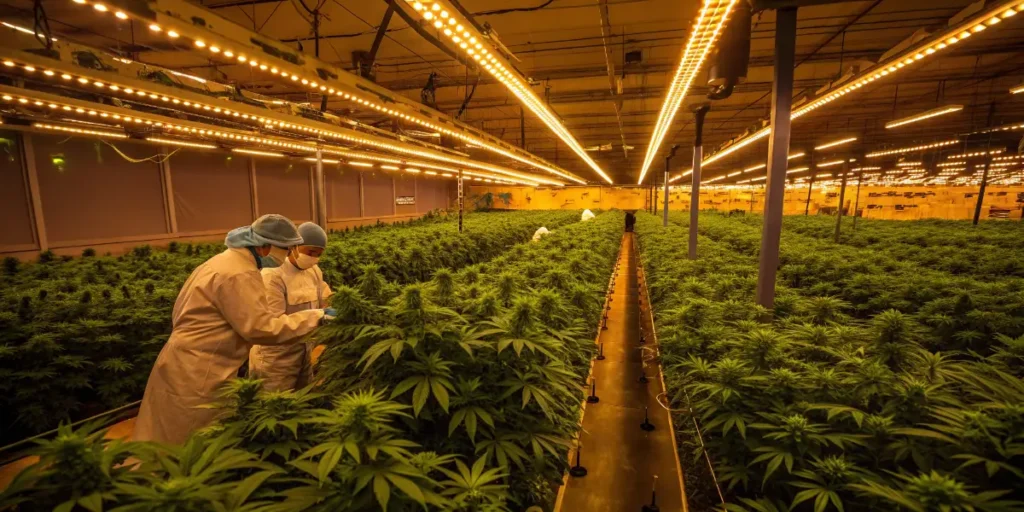
Technology is revolutionizing the way cannabis is cultivated, making it more efficient and sustainable. Precision agriculture, which utilizes data analytics and automation, is enabling growers to monitor and optimize their crops with unprecedented accuracy. This approach not only increases yields but also reduces resource consumption, making cannabis cultivation more environmentally friendly.
Hydroponics is another technological advancement transforming cannabis cultivation. By growing plants in nutrient-rich water instead of soil, cultivators can achieve faster growth rates and higher yields. Strains like Blue Gelato thrive under such conditions, producing dense, resinous buds that are highly sought after by consumers.
Additionally, advancements in genetics are playing a crucial role in the development of superior cannabis strains. Breeders are using genetic engineering to create strains with specific characteristics, such as increased THC or CBD content, pest resistance, and shorter flowering times. Gelato, for instance, is renowned for its high THC levels and balanced effects, making it a popular choice among both recreational and medicinal users.
As technological advancements in cannabis cultivation continue, the integration of AI-driven systems is becoming more prevalent. These systems are capable of predicting optimal harvest times and identifying potential issues in real-time, ensuring the quality and consistency of strains like Royal Runtz Auto. This proactive approach to cultivation exemplifies how technology is integral to tracking the unstoppable growth of the global cannabis industry.
Cannabis Market Expansion Strategies
As the cannabis industry matures, companies are employing various strategies to expand their market presence. One such strategy is the exploration of international markets. With legalization spreading across continents, businesses are eyeing opportunities in emerging markets in Europe, Asia, and South America. Establishing a foothold in these regions requires navigating complex regulatory landscapes and knowing local consumer preferences.
Strategic partnerships and collaborations are also proving to be effective in market expansion. By teaming up with local businesses and leveraging their expertise, cannabis companies can gain a competitive edge and accelerate their entry into new markets. These partnerships are particularly valuable in regions where cannabis is newly legalized, providing insights into regulatory compliance and consumer behavior.
Digital platforms are playing a crucial role in reaching a broader audience. E-commerce and online marketing are enabling companies to connect with consumers directly, offering a convenient and discreet way to purchase cannabis products. This digital presence is essential for building brand loyalty and expanding market reach.
Besides these strategies, companies are focusing on branding as a key element of their market expansion efforts. By developing a strong brand identity, businesses can differentiate themselves in a saturated market and foster consumer trust. For example, Global Green Genetics leverages the reputation of their strains, like Gelato and Blue Gelato, to establish a distinctive presence, highlighting quality and innovation as cornerstones of their brand strategy.
Frequently Asked Questions
What are the main drivers of growth in the global cannabis industry?
The growth of the global cannabis industry is driven by several key factors, including legalization, technological advancements, and changing consumer preferences. Legalization efforts across various countries have opened up new markets, increasing demand and investment. Technological advancements in cultivation and production are enhancing efficiency and quality, while evolving consumer preferences are driving product diversification.
These drivers are creating a dynamic and rapidly expanding industry with significant economic impact. As more regions embrace cannabis, the potential for growth continues to increase, attracting both consumers and investors to this burgeoning market.
How are technological advancements impacting cannabis cultivation?
Technological advancements are revolutionizing cannabis cultivation by making it more efficient and sustainable. Precision agriculture and data analytics allow cultivators to optimize their crops, increasing yields and reducing resource consumption. Hydroponics and other advanced growing techniques are enabling faster growth rates and higher quality products.
Genetic engineering is also playing a crucial role in developing superior cannabis strains with specific characteristics. These innovations are not only enhancing productivity but also ensuring consistent quality, making technology a key driver of growth in the cannabis industry.
Why are strains like Gelato, Blue Gelato, and Royal Runtz Auto popular among growers?
Strains like Gelato, Blue Gelato, and Royal Runtz Auto are popular among growers due to their unique characteristics and high-quality yields. Gelato is renowned for its high THC levels and balanced effects, making it a favorite among both recreational and medicinal users. Blue Gelato thrives in advanced cultivation setups, producing dense and resinous buds that are highly sought after.
Royal Runtz Auto is appreciated for its fast flowering time and potent effects, catering to growers who value efficiency and quality. These strains exemplify the innovation and diversity that are driving the growth of the global cannabis industry.
What are the economic impacts of cannabis legalization?
Cannabis legalization has significant economic impacts, including increased tax revenues, job creation, and investment opportunities. Legalized cannabis markets contribute to state budgets through taxation, funding public services and infrastructure projects. The industry also creates jobs across various sectors, from cultivation to retail and beyond.
Additionally, cannabis legalization attracts investment from a diverse range of stakeholders, fueling innovation and growth. The economic benefits extend to ancillary industries such as real estate and technology, further amplifying the positive impact of legalization.
How are companies expanding their market presence in the cannabis industry?
Companies are expanding their market presence in the cannabis industry through various strategies, including exploring international markets, forming strategic partnerships, and leveraging digital platforms. By entering emerging markets, businesses can tap into new consumer bases and increase their global footprint.
Strategic partnerships provide valuable insights into regulatory compliance and consumer behavior, facilitating market entry. Digital platforms enable companies to connect with consumers directly, enhancing brand loyalty and expanding market reach. These strategies are crucial for sustaining growth and competitiveness in the rapidly evolving cannabis industry.