
In the fast-evolving world of cannabis cultivation, DNA sequencing is making waves, expertly transforming how breeders approach the development of new strains. By providing a detailed genetic roadmap, DNA sequencing allows breeders to accurately select for desired traits, leading to more robust and tailored cannabis varieties. This scientific advancement is a game changer for both novice buyers and seasoned growers looking to optimize their crops.
For instance, consider the popular strain Girl Scout Cookies. With DNA sequencing, breeders can enhance its already impressive THC levels and unique flavor profile, ensuring consistency and quality in every batch. This kind of precise breeding is reshaping the landscape of cannabis genetics, providing cultivators with the tools needed to meet specific consumer demands.
Recommended Strains
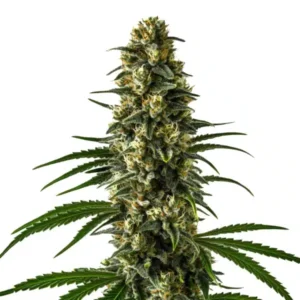
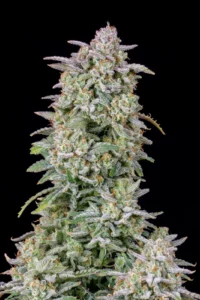
Girl Scout Cookies

|
THC | 18% - 25% (Medium) |

|
Lineage | Durban Poison x OG Kush |

|
Type | Feminized |

|
Height | 4.92 ft | 1.5 m |

|
Yield | High |

|
Yield Indoor | 1.64 oz/ft² | 500 g/m² |

|
Yield Outdoor | 21.16 - 24.69 oz/plant | 600 - 700 g/plant |

|
Flowering Time | 8 - 10 weeks |

|
Phenotype | 60% Indica / 40% Sativa |

|
Medical | Fatigue, Muscle Spasms, Stress |

|
Effects | Happy, Relaxed, Talkative |

|
Flavors | Fruity, Sweet |
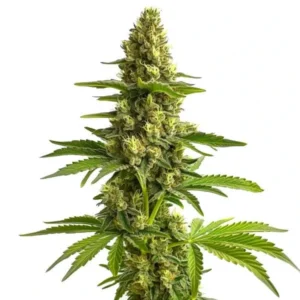
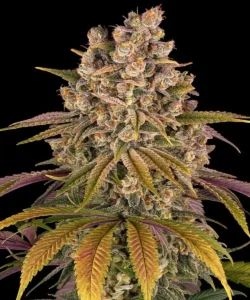
Bruce Banner 3
|
|
THC | 20% - 29% (High) |
|
|
Lineage | OG Kush x Strawberry Diesel |
|
|
Type | Feminized |
|
|
Height | 6.56 ft | 2 m |
|
|
Yield | Medium |
|
|
Yield Indoor | 1.31 - 1.64 oz/ft² | 400 - 500 g/m² |
|
|
Yield Outdoor | 17.64 - 26.46 oz/plant | 500 - 750 g/plant |
|
|
Flowering Time | 8 - 10 weeks |
|
|
Phenotype | 50% Indica / 50% Sativa |
|
|
Medical | Arthritis, Insomnia, Pain |
|
|
Effects | Happy, Relaxed, Talkative |
|
|
Flavors | Earthy, Fruity, Sweet |
The impact of DNA sequencing on cannabis breeding is profound, offering insights that were previously out of reach. By recognizing the genetic makeup of strains like Bruce Banner 3, which is known for its high yield and potent effects, growers can optimize cultivation practices to maximize these traits. This marks a significant advancement in cannabis breeding, allowing for more efficient and effective cultivation strategies.
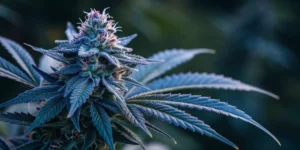
Forbidden Runtz Auto serves as another excellent example of how DNA sequencing is changing cannabis breeding. Its autoflowering nature, combined with a rich terpene profile, can be further refined and enhanced through genetic mapping. This not only improves the strain’s characteristics but also its adaptability to different growing environments, providing growers with more flexibility and control over their production.
Examining DNA Sequencing in Cannabis Breeding
The integration of DNA sequencing in cannabis breeding is revolutionizing how breeders approach the cultivation of new strains. By decoding the cannabis genome, breeders are able to identify specific genetic markers associated with desirable traits such as higher THC levels, disease resistance, and faster flowering times. This level of precision in breeding was previously unattainable, but now it’s a standard practice for forward-thinking cultivators.
Further expanding on this, DNA sequencing enables breeders to uncover hidden potential within existing strains, paving the way for discovering new attributes that may not have been previously considered. For instance, through genetic mapping, breeders can identify lesser-known terpene combinations within Girl Scout Cookies, enhancing its aroma and therapeutic benefits. This added layer of insight not only bolsters the existing portfolio of traits but also introduces new opportunities for strain development, showcasing how DNA sequencing is changing cannabis breeding practices.
How DNA Sequencing Improves Cannabis Strains
DNA sequencing allows breeders to improve cannabis strains by pinpointing specific genes responsible for traits like potency, flavor, and growth rate. For example, Global Green Genetics utilizes DNA sequencing to enhance strains like Girl Scout Cookies, ensuring each plant meets quality standards. This leads to a more consistent product that growers and consumers can rely on.
Moreover, by recognizing the genetic blueprint, breeders can reduce the time and resources spent on trial and error breeding methods. This streamlining of the breeding process not only saves time but also ensures that the resulting strains are of the highest quality, meeting the exact needs of the market.
Genetic Mapping in Cannabis Breeding Using DNA Sequencing
Genetic mapping involves identifying and cataloging the genes within a cannabis plant. This process is made possible through DNA sequencing, which provides a detailed view of a plant’s genetic makeup. By mapping the genetics of a strain like Bruce Banner 3, breeders can ensure that its high-yield characteristics are preserved and enhanced in future generations.
This level of genetic insight allows breeders to make informed decisions about which plants to crossbreed, ultimately leading to the development of superior cannabis strains. The ability to map genetics accurately is one of the key advancements in cannabis breeding through DNA sequencing.
DNA Sequencing Impact on Cannabis Genetics
The impact of DNA sequencing on cannabis genetics is far-reaching, paving the way for more sophisticated breeding techniques. By unlocking the genetic secrets of cannabis, breeders can enhance favorable traits while minimizing undesirable ones. This has significant implications for both recreational and medicinal cannabis markets.
DNA sequencing’s impact on cannabis genetics extends beyond mere trait enhancement; it also facilitates the conservation of genetic diversity within strains. For instance, maintaining the unique characteristics of Forbidden Runtz Auto while introducing improvements ensures that the strain’s signature qualities are preserved for future generations. This approach underscores the importance of DNA sequencing in maintaining both the heritage and innovation within cannabis breeding, demonstrating how DNA sequencing is changing cannabis breeding by balancing tradition with progress.
Cannabis Breeding Advancements Through DNA Sequencing
Advancements in cannabis breeding through DNA sequencing have made it possible to develop strains that are not only potent but also resilient to diseases and pests. This is particularly important for strains like Forbidden Runtz Auto, where growers seek to maintain its unique flavor and aromatic qualities while ensuring it thrives in various climates.
With DNA sequencing, breeders can create strains that meet the specific needs of consumers, whether those needs are for higher THC levels, specific terpene profiles, or faster flowering times. This targeted approach to breeding results in a more diverse and robust cannabis market.
Role of DNA Sequencing in Cannabis Cultivation
In cannabis cultivation, DNA sequencing plays a pivotal role by providing growers with the information needed to optimize their plants’ growing conditions. By recognizing the genetic makeup of strains like Girl Scout Cookies, growers can tailor their cultivation practices to maximize yield and potency.
DNA sequencing also aids in the customization of growing environments, allowing cultivators to adjust variables such as light, nutrients, and soil conditions to suit the unique genetic requirements of their strains. For Bruce Banner 3, this means that growers can fine-tune their approach to maximize its robust growth and potent effects. This level of customization underscores the function of DNA sequencing in cannabis cultivation, illustrating how DNA sequencing improves cannabis strains by aligning growing conditions with genetic potential.
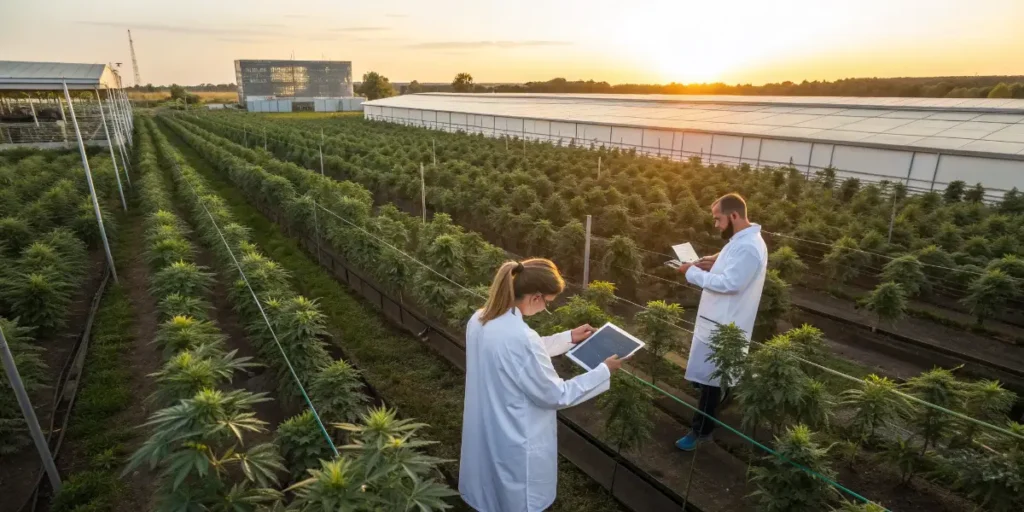
How DNA Sequencing Is Changing Cannabis Breeding Practices
As DNA sequencing becomes more integrated into cannabis breeding practices, the way breeders develop new strains is shifting. This technology provides a level of precision and efficiency that was previously unimaginable, allowing for the creation of highly specialized cannabis varieties.
In practice, this means that breeders can now focus on creating strains with specific consumer-centric attributes, such as a particular terpene profile or enhanced medicinal properties. With the ability to accurately target and select these traits, DNA sequencing is changing cannabis breeding practices by enabling a more consumer-focused approach. This ensures that strains like Girl Scout Cookies not only meet the market’s current demands but also anticipate future trends, positioning breeders like Global Green Genetics at the forefront of innovation in the cannabis industry.
Real-Life Examples and Application
Take Bruce Banner 3, for instance. Known for its impressive yield and potency, DNA sequencing helps breeders maintain and enhance these traits in subsequent generations. By selecting for specific genetic markers, breeders can ensure that each plant delivers the desired effects, providing a consistent experience for consumers.
Similarly, Forbidden Runtz Auto’s autoflowering characteristic is a trait that breeders can isolate and improve upon with DNA sequencing. This results in a strain that flowers automatically and quickly, making it ideal for growers looking for a fast turnaround without sacrificing quality.
Actionable Tips for Growers
For growers looking to leverage DNA sequencing in their cultivation practices, it’s important to start with high-quality strains from reputable sources like Global Green Genetics. Choosing strains like Girl Scout Cookies, Bruce Banner 3, and Forbidden Runtz Auto ensures a strong genetic foundation for further enhancement.
Additionally, growers should stay informed about the latest advancements in DNA sequencing technology and how it can be applied to cannabis breeding. By keeping up-to-date, they can take advantage of new techniques and strategies to improve their crops.
Frequently Asked Questions
What is DNA sequencing and how does it apply to cannabis breeding?
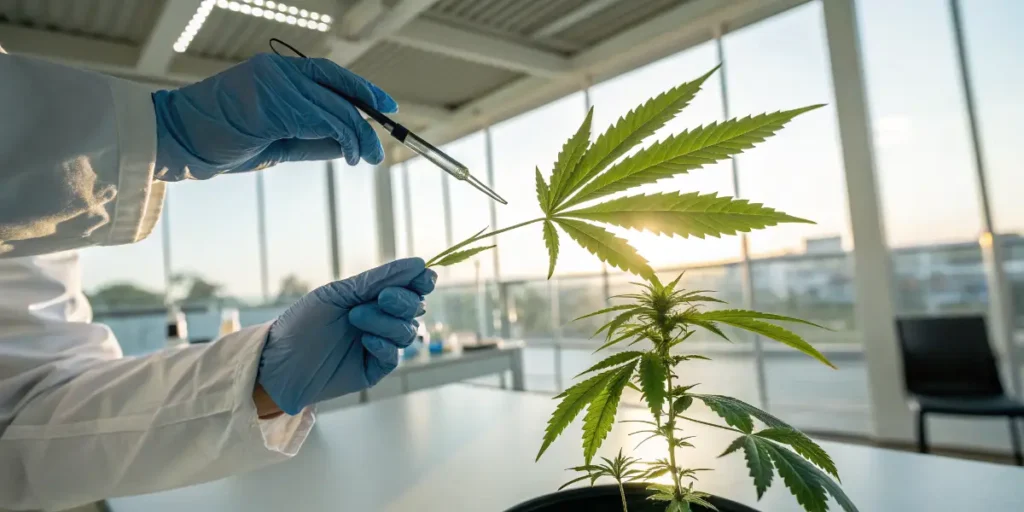
DNA sequencing is a scientific method used to decode the genetic information of an organism. In cannabis breeding, it allows breeders to identify specific genes responsible for desirable traits such as high THC content, unique terpene profiles, and disease resistance. By recognizing these genetic markers, breeders can create more refined and consistent cannabis strains.
For example, DNA sequencing can help enhance the characteristics of strains like Girl Scout Cookies by ensuring that each plant exhibits the desired traits consistently. This precision in breeding leads to better quality and reliability in the final product.
How does DNA sequencing improve cannabis strains like Bruce Banner 3?
By utilizing DNA sequencing, breeders can identify and select for genetic markers associated with high yield and potency, which are key characteristics of Bruce Banner 3. This technology allows for the refinement of these traits, ensuring that each generation of plants maintains the desired quality.
Through genetic mapping, breeders can also detect potential weaknesses, such as susceptibility to diseases, and take proactive measures to address them. This results in a more resilient and productive strain, benefiting both growers and consumers.
Can DNA sequencing enhance autoflowering strains like Forbidden Runtz Auto?
Yes, DNA sequencing can significantly enhance autoflowering strains like Forbidden Runtz Auto. By isolating the genes responsible for the autoflowering trait, breeders can improve the strain’s ability to flower quickly and efficiently, regardless of light cycles.
This genetic insight allows breeders to further develop the strain’s unique flavor and aroma profiles while maintaining its fast-flowering nature. As a result, growers can enjoy a robust and high-quality crop with less effort and time investment.
What are the benefits of DNA sequencing for cannabis growers?
For cannabis growers, DNA sequencing offers several benefits, including increased efficiency in breeding and cultivation practices. By recognizing the genetic makeup of their plants, growers can optimize growing conditions to enhance desired traits such as potency and yield.
Additionally, DNA sequencing helps in early detection of potential issues, allowing growers to proactively address them and maintain healthy crops. This leads to more successful harvests and a better quality product for consumers.
How is Global Green Genetics utilizing DNA sequencing in their strains?
Global Green Genetics is at the forefront of utilizing DNA sequencing to enhance their cannabis strains. By applying this technology, they ensure that strains like Girl Scout Cookies, Bruce Banner 3, and Forbidden Runtz Auto consistently meet high standards in terms of potency, flavor, and yield.
This commitment to quality through genetic mapping allows Global Green Genetics to provide growers and consumers with superior cannabis products that are reliable and tailored to specific preferences. Their innovative approach to breeding sets them apart in the ever-competitive cannabis market.