
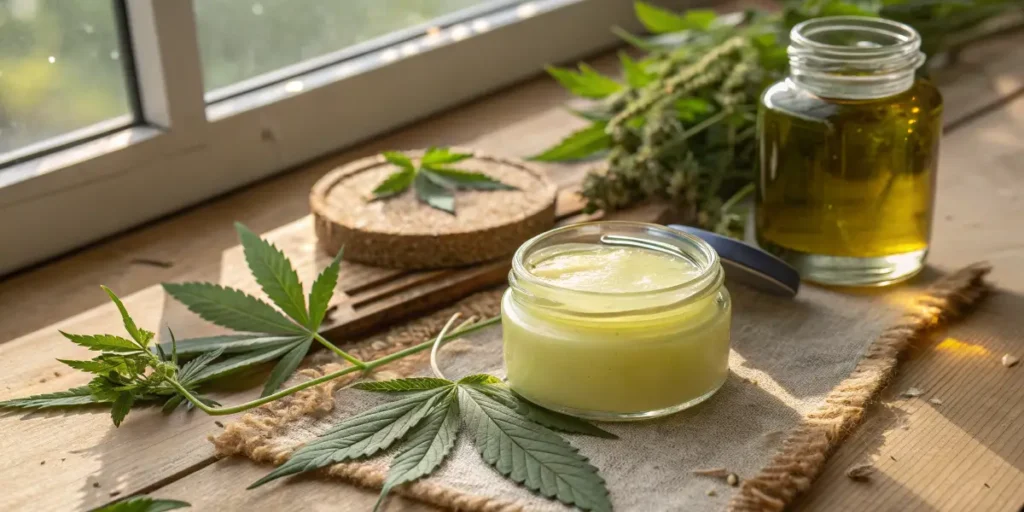

Choosing between cannabutter and infused oil can significantly impact your culinary cannabis experience. Both methods offer unique advantages, catering to different preferences and needs. Let’s dive deeper into the nuances, benefits, and practical applications of each, so you can make an informed decision.
What is Cannabutter?
Cannabutter is a staple in cannabis-infused cooking, offering a rich, creamy texture that blends seamlessly with a variety of recipes. Crafted by simmering cannabis with butter, this method allows the cannabinoids to bind with the fat, effectively extracting the active compounds.
When considering the differences between cannabutter and infused oil, the type of recipes you plan to create can be a decisive factor. Cannabutter is praised for its ability to add depth to comfort foods, such as mashed potatoes or creamy pasta dishes. For those using strains like OG Kush Auto, the buttery infusion can enhance the earthy undertones of the cannabis, creating a harmonious balance of flavors. Choosing cannabutter allows you to experiment with a wider range of textures and flavors, particularly in dishes where a rich consistency is desired.
How to Make Cannabutter
Creating cannabutter involves a few simple steps. First, decarboxylate your cannabis to activate the THC. This can be done by baking it in the oven at a low temperature. Once prepared, simmer the cannabis with butter and water over low heat, allowing the cannabinoids to infuse into the butter. Strain the mixture, removing the plant material, and cool the butter until solidified.
Benefits of Cannabutter
Cannabutter offers robust flavors that complement baked goods and savory dishes. Due to its high-fat content, it efficiently extracts THC, providing a potent edible experience. It’s ideal for recipes that require a creamy texture and can be used in place of regular butter.
Using OG Kush Auto with Cannabutter
OG Kush Auto, with its balanced THC levels and manageable growth, is perfect for those looking to experiment with cannabutter. Its earthy, pine-scented profile enhances the flavor of the butter, making it a great choice for sweet and savory dishes alike. This strain flowers quickly, allowing for a faster turnaround from seed to harvest.
Infused Oil Explained
Infused oil is another popular method for incorporating cannabis into your cooking. By infusing cannabis into oils like olive or coconut, you create a versatile product suitable for a wide range of culinary applications. Infused oils can be used in baking, sautéing, and even drizzled over finished dishes.
When deciding how to choose between cannabutter and infused oil, consider the infused oil’s versatility in accommodating different dietary preferences. Infused oil is an excellent alternative for those seeking a non-dairy option or looking to add a hint of cannabis to lighter fare. The use of strains such as Sour Diesel can bring out the subtle citrus notes in your oil, enhancing the overall dining experience. Infused oil also offers a convenient way to control the dosage and potency, which can be tailored to individual taste and tolerance levels.
How to Prepare Infused Oil
To make infused oil, start by decarboxylating your cannabis to activate the THC. Combine the cannabis with your oil of choice and heat gently, maintaining a low temperature to avoid burning. After a few hours, strain the mixture to remove plant material, leaving behind a potent infused oil.
Advantages of Infused Oil
Infused oils offer flexibility and a mild flavor, making them an excellent choice for those seeking a subtle cannabis taste. They’re particularly useful in recipes that require liquid fats or for those who prefer a lighter alternative to butter. Infused oils also tend to have a longer shelf life compared to cannabutter.
Sour Diesel for Infused Oil
Sour Diesel, known for its energizing effects and distinct citrus aroma, is an excellent candidate for infused oils. Its high THC content ensures a potent infusion, while its uplifting properties make it a favorite for daytime consumption. The strain’s robust profile complements the subtle flavors of the oil, providing a rich and aromatic experience.
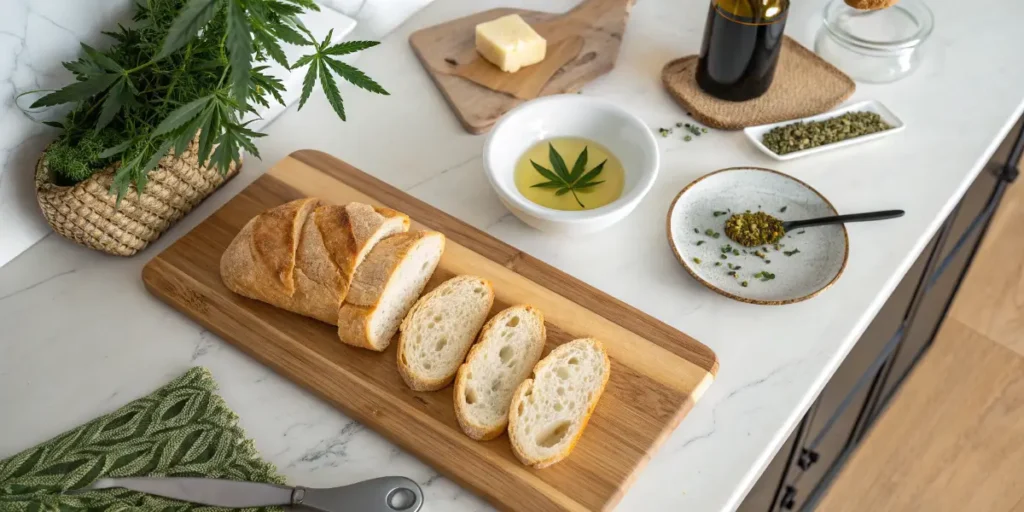
Choosing Between Cannabutter and Infused Oil
Deciding between cannabutter and infused oil ultimately depends on your cooking preferences and desired effects. Both have unique characteristics that cater to different culinary applications and personal tastes.
Knowing the cannabutter versus infused oil benefits can help streamline your decision-making process. Cannabutter is often favored for its ability to provide a more intense experience, thanks to its high-fat content, which is ideal for those who seek a stronger impact. In contrast, infused oil offers a balanced effect that may be better suited for individuals new to cannabis edibles. With Global Green Genetics offering high-quality strains like Super OG Kush, you can achieve desired results regardless of your chosen method, ensuring a satisfying culinary journey.
Cannabutter vs. Infused Oil for Cooking
Cannabutter is ideal for recipes that benefit from a creamy texture, such as cookies, brownies, and sauces. Its rich flavor enhances the taste of baked goods and savory dishes. On the other hand, infused oils are versatile, suitable for sautéing, dressings, and recipes that require liquid fats.
Effects of Cannabutter Compared to Infused Oil
Both cannabutter and infused oils deliver potent effects, but the experience can vary. Cannabutter, due to its high-fat content, may offer a more intense experience. Infused oils, with their diverse fat sources, provide a more balanced effect, suitable for those seeking a milder high.
Super OG Kush and Your Choice
Super OG Kush is a versatile strain that works well with both cannabutter and infused oils. Its high THC levels and relaxing effects make it a perfect choice for evening consumption. This strain is known for its ease of growth and generous yields, providing ample material for your culinary creations.
The Differences Between Cannabutter and Infused Oil
Knowing the differences between these two infusion methods can help you choose the best option for your needs. Considerations include taste, texture, application, and potency.
The effects of cannabutter compared to infused oil can vary significantly based on the preparation and the strain used. Cannabutter is often associated with a more pronounced effect due to its ability to bind cannabinoids effectively with fats, making it a favorite for those seeking a robust experience. Conversely, infused oil, such as one made with Sour Diesel, offers a more nuanced effect that can be fine-tuned based on individual preference and desired outcome. Exploring these differences between cannabutter and infused oil can lead to more personalized culinary cannabis experiences.
Taste and Texture
Cannabutter offers a rich, buttery flavor that enhances the taste of baked goods and creamy sauces. Infused oils provide a more subtle flavor, making them suitable for dishes where you prefer the cannabis flavor to be less pronounced.
Application in Recipes
Cannabutter is best suited for recipes demanding a solid fat, like baked goods and desserts. Infused oils excel in liquid applications, such as salad dressings or marinades, offering a versatile alternative to cannabutter.
Potency and Effectiveness
Both options effectively deliver cannabinoids, but their potency can vary. Cannabutter generally provides a more intense effect due to its fat content, while infused oils offer a balanced experience, making them ideal for those new to cannabis edibles.
Frequently Asked Questions
How do I store cannabutter and infused oil?
Proper storage is crucial to maintain potency and flavor. Cannabutter should be stored in an airtight container in the refrigerator or freezer, where it can last up to six months. Infused oils should be kept in a cool, dark place and used within a few months to prevent rancidity.
Can I use the same cannabis strains for both cannabutter and infused oil?
Yes, strains like OG Kush Auto, Super OG Kush, and Sour Diesel are versatile enough to be used for both cannabutter and infused oil. Each strain offers unique characteristics, allowing you to tailor the effects and flavors to suit your culinary needs.
What are the main differences between cannabutter and infused oil?
The primary differences lie in taste, texture, and application. Cannabutter offers a rich, creamy texture ideal for baked goods, while infused oil is versatile and suitable for liquid applications. Potency may vary, with cannabutter often providing a more intense experience.
Which is better for beginners: cannabutter or infused oil?
Beginners might find infused oil more approachable due to its subtle flavor and balanced effects. It’s versatile and easy to incorporate into various dishes, making it a great starting point for those new to cannabis-infused cooking.
Are there any specific recipes suited for each method?
Cannabutter is perfect for rich, indulgent recipes like brownies, cookies, and creamy sauces. Infused oils work well in lighter dishes such as salad dressings, marinades, and sautéed vegetables, offering a subtle cannabis flavor.