

In the world of cannabis, concentrates offer a potent, flavorful experience that many enthusiasts seek. But when it comes to choosing the right kind, the debate of solvent vs solventless cannabis concentrates often arises. Each type has its own production methods, benefits, and considerations, making it important to understand their differences.
Solvent-based concentrates use chemicals like butane or CO2 to extract cannabinoids and terpenes from the plant material. Think of it as a more scientific approach, where precise control over the extraction process can yield highly potent results. On the other hand, solventless concentrates rely on mechanical methods. These might include pressure and heat or even simple sieving. For those who like things more natural, this might be the way to go.
Recommended Strains
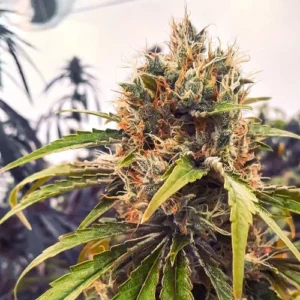
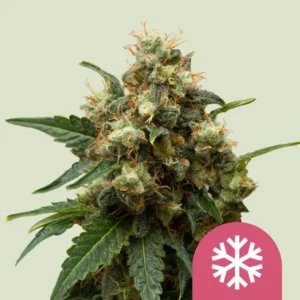
CBG-Force

|
Lineage | Research Genetics |

|
Type | CBG Feminized |

|
Height | 3.94 ft | 1.2 m |

|
Yield | Medium |

|
Yield Indoor | 1.31 - 1.47 oz/ft² | 400 - 450 g/m² |

|
Yield Outdoor | 17.64 oz/plant | 500 g/plant |

|
Flowering Time | 7 - 9 weeks |

|
Phenotype | 60% Indica / 40% Sativa |

|
Effects | Happy, Relaxed |

|
Flavors | Sweet, Fruity, Earthy, Vanilla |
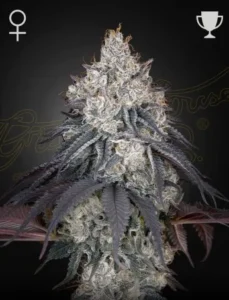
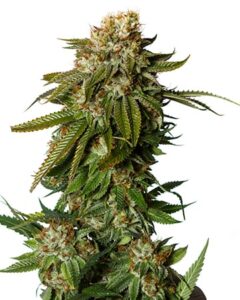
Lemon Orange

|
THC | 29% - 30% (High) |
|
|
Lineage | Super Lemon Haze X Clementine |
|
|
Type | Feminized |
|
|
Height | 6.07 ft | 1.85 m |
|
|
Yield Outdoor | 28.22 oz/plant | 800 g/plant |
|
|
Flowering Time | 8 - 9 weeks |
|
|
Phenotype | 30% Indica / 70% Sativa |
|
|
Effects | Uplifted, Focused, Happy, Energetic |
|
|
Flavors | Sweet, Earthy, Citrus, Sour |
When considering your options, the choice often boils down to personal preferences. Some might prioritize potency, while others lean towards purity and flavor. Both methods have their champions and critics, but ultimately, grasping the differences helps in making an informed decision.
Solvent-Based Cannabis Concentrates
Solvent-based concentrates are known for their high potency and refined flavors. These are achieved by using chemicals like butane, propane, or CO2 to dissolve the plant’s trichomes. The process allows for precise control over the final product, often resulting in a concentrate that is rich in cannabinoids and terpenes. However, it’s essential to ensure that the final product is purged of any residual solvents.
For those who enjoy high THC levels, solvent-based concentrates are a great choice. They can deliver an intense experience that might not be as easily attainable with other methods. For instance, Global Green Genetics’ Tangie strain offers a vibrant citrus profile that shines through when extracted using solvent-based methods. This makes it a favorite among those seeking a flavorful and potent experience.
Solvent-based vs solventless cannabis extractions are often compared based on the precision and consistency they offer. Solvent-based methods enable producers to fine-tune the extraction process, ensuring that each batch is consistent in terms of potency and flavor. This level of control can be particularly advantageous for those who rely on cannabis for medicinal purposes, as it ensures a predictable experience.
Furthermore, solvent-based extraction allows for the creation of concentrates with various textures, which can cater to different consumer preferences. Whether you prefer the glass-like consistency of shatter or the creamy texture of budder, these options provide a diversity that is appealing to many users. This versatility is one reason why solvent-based concentrates continue to be popular among both recreational and medicinal users.
Benefits of Solvent-Based Concentrates
One of the primary advantages of solvent-based concentrates is the ability to achieve high potency. The controlled extraction process can isolate specific cannabinoids and terpenes, creating a more tailored experience. This is particularly beneficial for medical users who might require higher doses of THC or CBD.
The variety of textures available is another benefit. From shatter to wax and live resin, solvent-based concentrates offer a range of options for users. This versatility means you can select a product that best suits your consumption method, whether it be dabbing, vaping, or otherwise.
Moreover, the precise extraction can enhance specific terpene profiles, offering a richer flavor experience. When using a strain like Banana Kush Cake, the sweet, fruity notes are preserved, making it a delightful choice for those who prioritize flavor.
Another significant benefit of solvent-based concentrates is their ability to capture a wide range of cannabinoids and terpenes, which can contribute to the entourage effect. This effect is the result of various cannabis compounds working together to enhance the therapeutic benefits of the plant. By using solvent extraction, producers can create concentrates that provide a complete cannabinoid profile, potentially offering more effective relief for medical users.
Solventless Cannabis Concentrates
Solventless cannabis concentrates are created without the use of chemicals. Instead, they use mechanical methods like sieving, pressure, and heat. This approach is often seen as more natural and can result in a product that retains more of the plant’s original flavors.
Health-conscious consumers often gravitate towards solventless options. Since no chemicals are used, there’s no risk of residual solvents in the end product. This can lead to a cleaner, more natural experience. Strains like Cherry Pie are ideal for solventless extraction, as their rich, fruity flavor profile can shine through without the need for chemical enhancement.
One of the primary benefits of solventless cannabis concentrates is their purity, which is appealing to those who are conscious of what they are consuming. By avoiding chemicals, these concentrates maintain a natural profile that attracts users looking for a cleaner product. This is particularly beneficial for those with sensitivities to chemicals or who prefer a more organic approach to cannabis consumption.
Additionally, solventless concentrates offer a unique opportunity to experience the full spectrum of the plant’s natural flavors. The mechanical extraction process preserves the original terpene profile, allowing users to enjoy the authentic taste and aroma of their chosen strain. This can enhance the overall enjoyment of the concentrate, particularly for connoisseurs who appreciate the subtle nuances of different cannabis strains.
Benefits of Solventless Cannabis Concentrates
One of the standout benefits of solventless cannabis concentrates is their purity. Without the use of chemicals, the concentrates maintain a natural profile, which appeals to many users who prefer a cleaner product. This is particularly advantageous for those who are sensitive to chemicals or prefer a more organic approach.
Additionally, the production of solventless concentrates is often seen as more environmentally friendly. The absence of solvents means there’s no need for chemical disposal, reducing the environmental impact. This can be an important consideration for eco-conscious consumers.
Solventless concentrates also provide a unique flavor profile. The natural extraction process allows the original terpenes of the plant to shine through. This can be especially evident in strains like Cherry Pie, where the natural sweetness and berry notes are preserved, offering a delightful experience.
Another notable benefit of solventless cannabis concentrates is their simplicity in production, which often results in a more cost-effective process. By eliminating the need for expensive solvents and specialized equipment, producers can create high-quality concentrates without a significant investment. This can translate into more affordable products for consumers, making solventless options accessible to a wider audience.
Moreover, the benefits of solventless cannabis concentrates extend to their versatility in consumption methods. Whether you’re a fan of dabbing, vaping, or infusing edibles, solventless concentrates can be easily adapted to suit your preferred method of consumption. This flexibility, combined with their purity and flavor, makes them a compelling choice for many users.
Solvent vs Solventless Concentrates Potency Comparison
When it comes to potency, solvent-based concentrates typically have the upper hand. The precise extraction process can isolate and concentrate cannabinoids to a high degree, often resulting in products with THC levels upwards of 80%. This makes them a popular choice for those seeking a powerful effect.
However, solventless concentrates are not to be underestimated. While they may not reach the same THC levels as their solvent-based counterparts, they offer a balanced profile that many users appreciate. The natural extraction process can result in a more holistic experience, where the entourage effect is more pronounced.
Ultimately, the choice between solvent vs solventless concentrates often depends on what you’re looking for. If maximum potency is your goal, solvent-based might be the way to go. But if you prioritize flavor and a natural profile, solventless concentrates offer a compelling alternative.
When evaluating solvent vs solventless concentrates potency comparison, it’s essential to consider how each method affects the overall experience. Solvent-based concentrates might deliver a more intense high due to their higher THC content, making them suitable for experienced users or those with a higher tolerance. On the other hand, solventless concentrates provide a more balanced and nuanced experience that can be appealing for those seeking a more subtle effect.
Additionally, it’s worth noting that while solvent-based concentrates often boast higher THC levels, solventless options can excel in providing a richer terpene profile. This can enhance the overall sensory experience, offering a more flavorful and aromatic session that highlights the natural characteristics of the strain. Whether you prioritize potency or flavor, knowing these differences can help you make an informed decision.
How Solvent Extraction Affects Cannabis Concentrate Quality
Solvent extraction can significantly impact the quality of cannabis concentrates. The ability to control the extraction process allows for the isolation of specific cannabinoids and terpenes, resulting in a product that can be tailored to specific needs. However, it’s crucial to ensure that the final product is free of residual solvents to maintain quality.
For instance, when extracting a strain like Tangie, the goal is to preserve its vibrant citrus flavors while achieving high potency. Solvent-based methods can accomplish this, but the quality of the final product depends on the thoroughness of the purging process. Ensuring that no residual solvents remain is key to maintaining both safety and quality.
The process of how solvent extraction affects cannabis concentrate quality also involves maintaining the integrity of the terpenes and cannabinoids throughout the extraction process. Careful temperature control and timing are crucial to preserving these delicate compounds, which can enhance the overall flavor and aroma of the concentrate. This level of precision can be particularly beneficial for producing high-quality concentrates that deliver a superior experience.
Additionally, the choice of solvent can impact the final product. Different solvents have varying abilities to extract specific compounds, which can influence the concentrate’s potency and flavor profile. By selecting the appropriate solvent and optimizing the extraction parameters, producers can craft concentrates that highlight the best qualities of the cannabis strain, offering a tailored experience for users who value quality and consistency.
Solventless Cannabis Concentrates Health Benefits
Many consumers choose solventless cannabis concentrates for their perceived health benefits. The absence of chemicals in the extraction process means there’s no risk of consuming residual solvents, which can be a concern with some solvent-based products.
This cleaner approach is not only appealing to health-conscious consumers but can also be beneficial for those with sensitivities to chemicals. The natural extraction process can result in a product that is gentler on the system, making it a suitable option for many.
Additionally, the preservation of natural terpenes and cannabinoids can enhance the overall therapeutic benefits of the concentrate. For medical users, this can mean a more effective product that aligns with their treatment goals, providing relief while maintaining a natural profile.
Another aspect of solventless cannabis concentrates health benefits is their potential to support the body’s endocannabinoid system more effectively. By preserving a full spectrum of cannabinoids and terpenes, these concentrates can offer a more holistic therapeutic experience, potentially enhancing the body’s natural ability to maintain balance and promote well-being.
Furthermore, the benefits of solventless cannabis concentrates extend to their suitability for a diverse range of medical conditions. Whether used for pain management, anxiety relief, or other health concerns, the purity and natural profile of these concentrates can provide a gentle yet effective option for individuals seeking alternative treatments that prioritize safety and efficacy.

FAQ
What are the main differences between solvent and solventless cannabis concentrates?
The primary difference lies in their production methods. Solvent-based concentrates use chemicals like butane or CO2 to extract cannabinoids and terpenes. This can result in higher potency but requires careful purging to remove any residual solvents. Solventless concentrates, on the other hand, use mechanical methods like pressure and heat, offering a more natural product.
Choosing between the two often depends on personal preferences. Solvent-based concentrates are known for their high THC levels and refined flavors, while solventless options appeal to those who prioritize purity and a chemical-free product. Each has its own set of advantages, making it important to consider what matters most to you.
When comparing solvent-based vs solventless cannabis extractions, it’s essential to consider the intended use and desired effects. Solvent-based concentrates might be more suitable for those seeking potent effects and a wide range of textures for different consumption methods. Conversely, solventless concentrates are ideal for users who value purity and a natural extraction process, offering a more authentic taste and aroma.
Additionally, the impact on the environment can be a deciding factor for many consumers. The use of chemicals in solvent-based extractions necessitates careful handling and disposal, whereas solventless methods are often viewed as more environmentally friendly due to their minimal impact. This eco-conscious aspect can influence the decision-making process for those who prioritize sustainability in their cannabis consumption.
How does the extraction method impact the flavor of cannabis concentrates?
The extraction method can greatly influence the flavor profile of cannabis concentrates. Solvent-based methods often enhance specific terpenes, resulting in a more pronounced flavor. For example, a strain like Banana Kush can have its sweet, fruity notes intensified through solvent extraction.
Solventless methods preserve the natural flavors of the plant. The mechanical extraction process allows the original terpene profile to shine through, offering a more authentic taste. This can be particularly appealing for those who prefer a natural flavor experience without chemical enhancement.
Comprehending how solvent extraction affects cannabis concentrate quality in terms of flavor involves recognizing the function of terpenes, which are responsible for the distinct aromas and tastes of different strains. Solvent-based methods can selectively amplify these terpenes, resulting in a more concentrated and sometimes exaggerated taste profile that appeals to users who enjoy bold flavors.
Conversely, solventless extraction methods focus on retaining the plant’s natural essence, which can lead to a more nuanced and subtle flavor experience. This approach appeals to those who appreciate the intricate balance of terpenes and cannabinoids that together create the unique character of each strain. Whether you prefer the enhanced flavors of solvent-based concentrates or the authentic taste of solventless options, the choice ultimately depends on personal preference and desired experience.
Are solventless cannabis concentrates safer than solvent-based ones?
Solventless cannabis concentrates are often considered safer due to the absence of chemicals in their production. Without solvents, there’s no risk of residual chemicals in the final product, making them a cleaner option for consumption. This can be particularly beneficial for those with sensitivities or who prefer a more natural product.
However, it’s important to note that reputable producers of solvent-based concentrates ensure thorough purging to remove any residual solvents. As long as the product is made by a trusted source, solvent-based options can also be safe. The key is choosing quality products from reliable brands.
When evaluating solvent vs solventless cannabis concentrates in terms of safety, it’s crucial to consider the manufacturing process and the standards adhered to by the producer. Reputable brands like Global Green Genetics prioritize safety and quality, ensuring that their solvent-based products undergo rigorous testing to confirm the absence of harmful residuals, thus offering a safe option for consumers.
Furthermore, the perception of safety also extends to the user’s personal comfort with chemical processes. Those who prefer a completely natural approach may lean towards solventless options, while others may prioritize the precise control and potency that solvent-based concentrates can offer, trusting in the safety measures implemented by reliable manufacturers. Ultimately, the decision should be based on informed choices and personal comfort levels with the production methods.
Which cannabis strains are best for solventless extraction?
Strains with robust terpene profiles and a high concentration of trichomes are ideal for solventless extraction. Cherry Pie from Global Green Genetics is a great example, as its rich, fruity flavors are preserved beautifully without the need for solvents.
Another excellent choice is Tangie, which offers vibrant citrus notes that can be enhanced through solventless methods. The natural extraction process allows these strains to maintain their unique flavors and aromas, resulting in a delightful concentrate.
When selecting strains for solventless extraction, it’s important to consider the density and quality of the plant’s trichomes. Strains like Banana Kush, known for their abundant resin production, are particularly well-suited for solventless methods, as they yield a higher quality concentrate with intense natural flavors and aromas.
Additionally, the benefits of solventless cannabis concentrates are most apparent with strains that possess a complex terpene profile, offering a multi-layered taste experience. By choosing strains that are naturally rich in aromatic compounds, consumers can enjoy a more flavorful and aromatic product that highlights the best characteristics of the cannabis plant.
Why choose solvent-based concentrates over solventless ones?
Solvent-based concentrates are often chosen for their potency. The ability to isolate cannabinoids and terpenes precisely can result in a product with high THC levels, which is appealing for those seeking a strong effect. This makes them a popular choice for both recreational and medical users who require powerful results.
Additionally, the variety of textures and flavors available with solvent-based options provides versatility. From shatter to wax, users can select a product that best suits their preferences and consumption methods. The refined flavors, such as those found in strains like Banana Kush, are another reason many opt for solvent-based concentrates.
The decision to choose solvent-based over solventless concentrates often hinges on the specific benefits of solvent-based cannabis concentrates, particularly for users who prioritize high potency and precise flavor profiles. The ability to tailor the extraction process to emphasize certain cannabinoids and terpenes allows for a customized experience that can meet a wide range of consumer needs and preferences.
Moreover, the advanced techniques used in solvent-based extractions can result in a more consistent product, which is important for those who rely on cannabis for medicinal purposes. The predictability of the effects and potency can be crucial for managing specific symptoms, providing users with confidence in their choice of concentrate. Whether for recreational enjoyment or therapeutic use, the precision and reliability of solvent-based concentrates make them a compelling option