
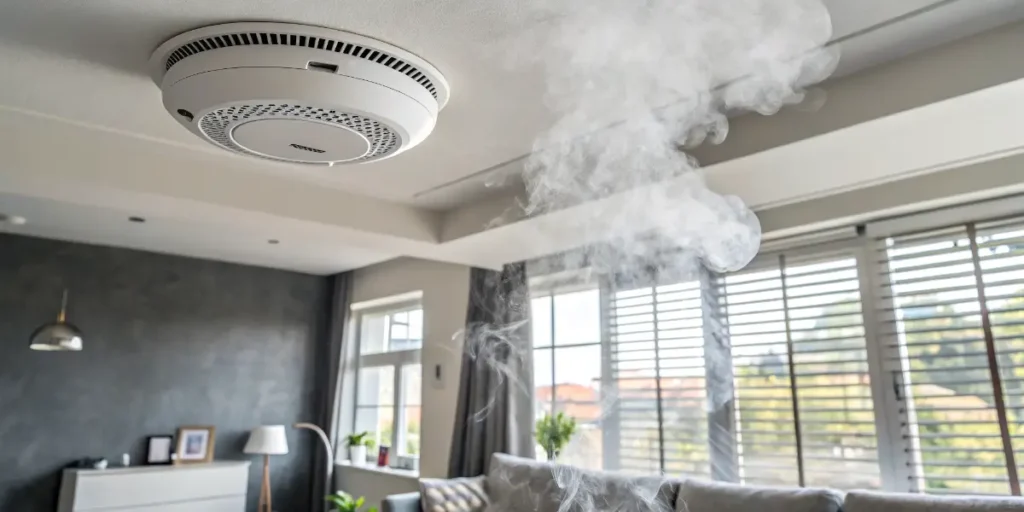

Vaping has become a popular alternative to smoking, but many people are concerned about whether vaping can trigger smoke alarms. Smoke alarms are designed to detect particles in the air that are indicative of smoke from a fire. However, vapor from electronic cigarettes may also contain particles that could potentially set off these alarms, raising questions about how sensitive smoke alarms are to vape.
Smoke alarms are essential safety devices, but their sensitivity varies depending on the type. Ionization alarms, for example, are more sensitive to smaller particles like those found in smoke, while photoelectric alarms are more responsive to larger particles. Knowing the science behind how these alarms work can help us determine if vaping can indeed trigger a smoke alarm.
In this guide, we’ll examine the different types of smoke alarms, how vapor from vaping interacts with them, and practical tips to prevent unwanted alarms. We’ll also highlight some cannabis strains from Global Green Genetics, such as GG4, Auto Jack Herer, and Bruce Banner Fast Blooming, and how they relate to this topic.
Types of Smoke Alarms
There are primarily two types of smoke alarms: ionization and photoelectric. Each type uses different technology to detect smoke and other airborne particles, including vapor from vapes. This section will provide clarity on how each type functions and their sensitivity levels.
Choosing the right smoke alarm for your home can significantly impact whether a vape triggers an alarm. Ionization alarms, while effective at detecting small particles, might be overly sensitive in environments where vaping is frequent. On the other hand, photoelectric alarms, being less sensitive to smaller particles, could be a better fit if vaping is a common activity. This choice is particularly crucial for those who frequently use strains like GG4 or Bruce Banner Fast Blooming, which are known for producing more substantial vapor. Knowing these dynamics can help in selecting the appropriate smoke alarm type that balances safety with practicality in a vaping environment.
Ionization Smoke Alarms
Ionization smoke alarms are designed to detect fast-flaming fires. They work by using a small amount of radioactive material that ionizes the air between two electrically charged plates, causing a current to flow. When smoke enters the chamber, it disrupts this flow, triggering the alarm. These alarms are highly sensitive to small particles, which means they could also detect the fine particles present in vape vapor.
For instance, if you’re indulging in a session with the GG4 strain, known for its robust THC levels and dense smoke, an ionization alarm might be more likely to sound. While GG4 is favored for its powerful effects and sticky buds, the resulting vapor could potentially activate an ionization smoke alarm.
Photoelectric Smoke Alarms
Photoelectric smoke alarms are more responsive to smoldering, smoky fires and larger particles. They use a light beam that, when disrupted by smoke, sets off the alarm. This type of alarm might be less likely to go off due to vape vapor, as the particles are generally not large enough to scatter the light beam effectively.
For those using Auto Jack Herer, a strain known for its quick flowering time and high yields, the vapor produced may be less likely to trigger a photoelectric alarm. Auto Jack Herer is favored for its balanced effects and manageable growth, making it a practical choice for growers concerned about indoor smoke alarms.
How Vapes Interact with Smoke Alarms
Vape vapor is composed of fine particles, but it also contains water vapor, which can confuse smoke alarms. Knowing how these elements interact with the mechanisms of smoke detectors can help in assessing the likelihood of an alarm being triggered.
When considering the question, “Can vapes trigger smoke alarms?” it’s crucial to understand the environment in which vaping occurs. Enclosed spaces with insufficient airflow can lead to a buildup of vapor particles, increasing the likelihood of an alarm being triggered. This is especially true when using strains like Bruce Banner Fast Blooming, which can produce dense vapor in a short amount of time. Ensuring that the environment is well-ventilated can mitigate the risk of alarms being set off, allowing for a more relaxed vaping experience without the fear of triggering a false alarm.
Particle Size and Smoke Alarm Sensitivity
The sensitivity of smoke alarms to vape vapor largely depends on particle size. As mentioned earlier, ionization alarms are more sensitive to smaller particles. When vaping with strains like Bruce Banner Fast Blooming, which offers fast flowering and potent effects, the resulting vapor might include particles small enough to set off an ionization alarm.
Bruce Banner Fast Blooming is known for its quick turnaround and high THC content, making it a favorite among growers who want a fast but potent crop. However, its vapor might be dense enough to trigger certain alarms, especially in confined spaces.
Water Vapor and False Alarms
Another factor to consider is the presence of water vapor in the air. Water vapor can cause false alarms, especially in photoelectric smoke alarms, by diffusing the light beam. This is particularly relevant in environments with high humidity or when using e-cigarettes with higher water content in their e-liquids.
In such cases, vaping could lead to false fire alarms, especially if the smoke alarm is not regularly maintained or is overly sensitive. It’s important to consider the environment and ensure proper ventilation when vaping indoors to minimize the risk of false alarms.

Practical Tips to Prevent False Alarms
To prevent vape smoke from activating a smoke alarm, consider implementing some practical strategies. These tips can help ensure that your vaping sessions do not result in unwanted disturbances.
One effective way to address the concern of “Can vapes trigger smoke alarms?” is to regularly maintain your smoke alarms. Ensuring that the alarms are clean and free from dust can prevent unnecessary sensitivity issues. Additionally, opting for alarms with adjustable sensitivity settings can offer more control over their response to vapor. For those who enjoy strains like GG4 or Auto Jack Herer, these measures can provide peace of mind and help maintain a harmonious balance between safety and enjoyment. Regular checks and maintenance can significantly reduce the chances of false alarms caused by vaping.
Proper Ventilation
Ensuring proper ventilation is one of the simplest ways to prevent vape vapor from triggering a smoke alarm. Opening windows or using fans can help disperse the vapor quickly, reducing the concentration of particles in the air.
When enjoying a session with GG4, for instance, the dense vapor can be quickly dissipated through adequate airflow. This not only helps in preventing alarms but also enhances the overall vaping experience by keeping the environment fresh.
Location of Smoke Alarms
Consider the placement of smoke alarms in your home. If possible, avoid vaping directly beneath a smoke detector, as this increases the likelihood of triggering the alarm. Instead, choose a location where the vapor can disperse more freely.
When growing strains like Auto Jack Herer indoors, ensure that grow room ventilation systems are efficient and smoke alarms are appropriately placed to avoid unnecessary triggers. This strain’s manageable growth makes it ideal for indoor settings, where proper airflow can prevent vapor buildup.
Choosing the Right Cannabis Strains
When considering which cannabis strains to use, it’s important to think about the characteristics of the vapor they produce. Some strains, due to their potency and composition, may produce denser vapor that could affect smoke alarms differently.
Knowing how different strains interact with smoke alarms can aid in selecting the right strain for your environment. For instance, GG4 is known for its dense vapor, which might be more likely to set off ionization alarms, making good ventilation crucial when using it. Conversely, Auto Jack Herer, with its lighter vapor, might be more suitable for environments with sensitive smoke detectors. Bruce Banner Fast Blooming, while potent, requires careful consideration of alarm placement and ventilation due to its vapor density. By selecting the appropriate strain and maintaining the environment, you can enjoy vaping without the constant worry of triggering smoke alarms.
GG4
GG4 is renowned for its high THC levels and sticky buds, producing a rich and potent vapor. This strain’s vapor density might be more likely to trigger an ionization smoke alarm, so ensuring proper ventilation is key when using it indoors.
Auto Jack Herer
Auto Jack Herer offers a balanced effect with a quick flowering time and high yield. Its vapor might be less dense, making it less likely to set off photoelectric smoke alarms. This strain is ideal for growers who want a reliable harvest with minimal risk of triggering alarms.
Bruce Banner Fast Blooming
Bruce Banner Fast Blooming is favored for its quick flowering and high THC content. The vapor produced can be quite dense, similar to GG4, making it essential to consider ventilation and alarm placement when using this strain.
FAQ
Can vaping set off smoke detectors?
Yes, vaping can set off smoke detectors, particularly ionization alarms that are sensitive to small particles. The density and composition of the vapor, combined with the sensitivity of the alarm, can influence whether an alarm is triggered. Ensuring proper ventilation can help mitigate this risk.
Will vape smoke activate a smoke alarm?
Vape smoke can activate smoke alarms, especially in confined spaces with poor ventilation. Ionization alarms are more likely to be triggered by the fine particles in vape smoke, while photoelectric alarms might be less sensitive. Consider the environment and smoke alarm type when vaping indoors.
How sensitive are smoke alarms to vape?
Smoke alarm sensitivity to vape varies by type. Ionization alarms are typically more sensitive to the small particles found in vape smoke, while photoelectric alarms may not be as easily triggered. Regular maintenance and strategic placement of alarms can help manage sensitivity issues.
Can vape cause a false fire alarm?
Vaping can cause false fire alarms, particularly in environments where smoke alarms are highly sensitive or not properly maintained. Water vapor in vape smoke can also interfere with smoke detectors, leading to false alarms. Proper ventilation and alarm placement can help prevent this.
Do smoke alarms detect vapor?
Smoke alarms can detect vapor, especially if it contains particles similar to those found in smoke. Ionization alarms are more likely to detect these particles, while photoelectric alarms may not react as strongly. Consider the alarm type and your vaping environment to minimize detection risks.