
CBD tinctures have become a popular choice for those seeking the benefits of CBD in a convenient and potent form. These tinctures are known for their ease of use and quick absorption, making them a favorite among both first-time users and seasoned enthusiasts. Whether you’re intrigued by their potential wellness benefits or are simply curious about making your own, this guide will provide you with valuable insights into CBD tinctures: what you need to know and how to make your own.
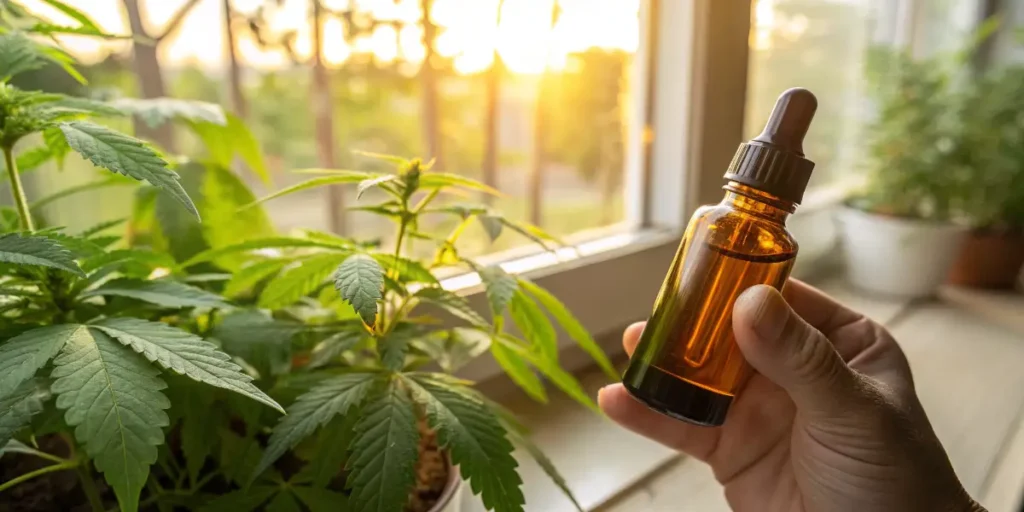
Knowing the basics of CBD tinctures is essential before diving into the process of making your own. CBD, or cannabidiol, is a non-psychoactive compound found in cannabis plants. Unlike THC, CBD does not produce a high and is often sought after for its potential therapeutic effects. CBD tinctures are liquid extracts that combine this beneficial compound with a carrier oil, making it easy to consume and absorb.
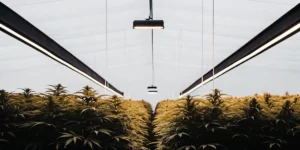
For those interested in creating their own CBD tinctures, knowing the right strains to use is crucial. Global Green Genetics offers a selection of strains perfect for this purpose. CBG-Force, for instance, is known for its high CBG content and low THC levels, making it an ideal choice for those focusing on wellness without psychoactive effects. Royal Medic CBD is another excellent option, offering a balanced CBD to THC ratio that enhances its therapeutic potential. Lastly, Mamba Negra CBD is favored for its rich CBD content and relatively short flowering period, making it a practical choice for home growers.
Benefits of CBD Tinctures for Wellness
CBD tinctures are renowned for their potential to support wellness in various ways. One of the primary benefits is their ability to provide relief from everyday discomforts. Many users report a sense of calm and relaxation after using CBD tinctures, which can be particularly helpful for managing stress and promoting overall well-being.
Another advantage of CBD tinctures is their potential to support better sleep. Poor sleep can significantly impact quality of life, and CBD tinctures may offer a natural solution. By promoting relaxation and reducing anxiety, CBD tinctures can help users achieve more restful sleep without the groggy side effects often associated with traditional sleep aids.
For those dealing with inflammation or chronic pain, CBD tinctures might offer some relief. The anti-inflammatory properties of CBD can help reduce swelling and discomfort, providing a natural alternative to over-the-counter pain relievers. Incorporating CBD tinctures into a daily wellness routine can be an effective way to manage minor aches and pains.
Besides these benefits, CBD tinctures can also be used as part of a holistic approach to wellness by combining them with other natural remedies. For instance, pairing a homemade CBD tincture recipe with a balanced diet and regular exercise can enhance your overall health regimen. The versatility of tinctures allows them to be easily integrated into various aspects of a wellness-focused lifestyle, providing users with a complete tool for maintaining their health.
Choosing the Right Strain for Your Tincture
When selecting a strain for your CBD tincture, it’s important to consider your specific needs and preferences. CBG-Force is a great choice for those interested in a non-psychoactive option, as it contains high levels of CBG and minimal THC. This makes it perfect for users focused on wellness without experiencing any high.
Royal Medic CBD offers a balanced approach, with a CBD to THC ratio that maximizes the therapeutic benefits while minimizing psychoactive effects. This strain is ideal for those looking for a holistic wellness solution. Mamba Negra CBD, on the other hand, is perfect for those who want a quick-growing strain with robust CBD levels, making it a favorite among home cultivators.
Step-by-Step Guide to Making CBD Tinctures
Creating your own CBD tincture at home can be a rewarding experience. Not only does it allow you to tailor the potency to your needs, but it also gives you control over the ingredients used. Follow these steps to craft your homemade CBD tincture recipe.
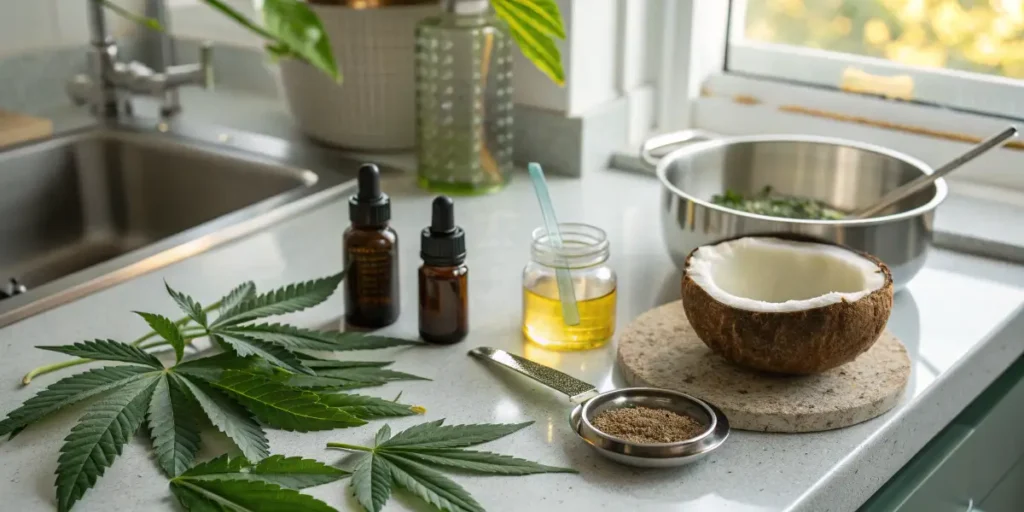
Begin by gathering your materials. You’ll need high-quality cannabis, a suitable carrier oil, a jar, and a strainer. It’s essential to choose a strain that aligns with your desired effects. CBG-Force, Royal Medic CBD, and Mamba Negra CBD are all excellent options, each offering unique benefits.
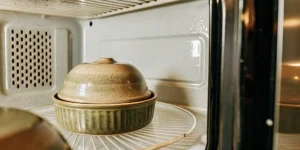
Next, decarboxylate your cannabis. This process involves heating the cannabis to activate the CBD, making it bioavailable. Spread the cannabis evenly on a baking sheet and bake it at a low temperature for about 40 minutes. This step is crucial for ensuring your tincture is effective.
After decarboxylation, consider experimenting with different infusion times and temperatures to find the perfect balance for your needs. Some users prefer a longer infusion period to maximize cannabinoid extraction, while others might opt for a shorter time to retain more of the natural terpenes. Keeping a detailed log of your process can help you replicate successful batches and refine your homemade CBD tincture recipe over time.
Choosing the Best Carrier Oils for CBD Tinctures
The carrier oil you choose can significantly impact the quality of your tincture. Common options include coconut oil, olive oil, and hemp seed oil. Coconut oil is a popular choice due to its mild flavor and excellent absorption properties. It’s also rich in healthy fats, which can enhance the tincture’s effectiveness.
Olive oil is another great option, especially if you prefer a more robust flavor. It’s known for its antioxidant properties and can add a unique depth to your tincture. Hemp seed oil, on the other hand, is a natural choice that complements the cannabis plant, offering a rich source of omega fatty acids.
When selecting a carrier oil, consider how each option aligns with your personal preferences and dietary needs. For instance, those following a ketogenic diet might favor coconut oil due to its high MCT content, which can support ketosis. Additionally, experimenting with blending different oils can yield a custom flavor profile and enhance the overall experience of your CBD tinctures: what you need to know and how to make your own.
Infusing and Storing Your Tincture
After decarboxylating your cannabis, mix it with your chosen carrier oil in a jar. Seal the jar and let it sit for several weeks, shaking it occasionally to ensure even infusion. This process allows the cannabinoids to dissolve into the oil, creating a potent tincture.
Once the infusion period is complete, strain the mixture through a fine mesh or cheesecloth to remove plant material. Store your finished tincture in a dark, airtight container to preserve its potency and freshness. Proper storage is key to maintaining the tincture’s effectiveness over time.
How to Choose a CBD Tincture
When selecting a CBD tincture, it’s important to consider both potency and purity. Potency refers to the concentration of CBD in the tincture, which can vary widely between products. Beginners might prefer a lower potency option, while more experienced users may opt for something stronger.
Purity is another critical factor. Ensure that the tincture you choose is free from additives and contaminants. Look for products that have been third-party tested to verify their quality and safety. Transparency from the manufacturer is a good sign of a reputable product.
Additionally, consider the source of the CBD. Strains like CBG-Force, Royal Medic CBD, and Mamba Negra CBD from Global Green Genetics are excellent choices due to their reliable quality and specific characteristics. They provide a solid foundation for any tincture, whether purchased or homemade.
To further refine your choice, think about your specific wellness goals and how a tincture can help achieve them. For example, if managing stress is your priority, a strain like Royal Medic CBD, with its balanced cannabinoid profile, might be ideal. Conversely, if you’re looking to avoid any psychoactive effects, CBG-Force could be the right fit. Knowing these nuances will aid you in selecting a tincture that perfectly aligns with your needs, ensuring you reap the full benefits of CBD tinctures for wellness.
Evaluating CBD Tincture Labels
Reading and knowing CBD tincture labels is crucial for making an informed decision. The label should provide information on the amount of CBD per serving, as well as any additional ingredients. This helps you gauge the product’s potency and ensure it aligns with your needs.
Look for labels that include details about the extraction method used, as this can impact the tincture’s quality. CO2 extraction is often considered the gold standard, as it preserves the integrity of the cannabinoids without introducing harmful solvents.
Cost vs. Quality: Finding the Right Balance
While price is an important consideration, it should not be the sole factor in your decision-making process. Higher-priced tinctures often reflect better quality in terms of purity and potency. However, there are affordable options that offer excellent value without compromising on quality.
When weighing cost against quality, consider the reputation of the brand and the transparency of their processes. Global Green Genetics, for instance, is known for producing high-quality strains like CBG-Force, Royal Medic CBD, and Mamba Negra CBD, making them a trustworthy choice for any tincture endeavor.
FAQ
What is a CBD tincture, and how is it different from CBD oil?
CBD tinctures are liquid extracts made by soaking cannabis in a solvent, typically alcohol or a carrier oil. They are similar to CBD oil but are often more potent and contain a broader range of cannabinoids and terpenes. Tinctures are designed for sublingual use, which allows for faster absorption into the bloodstream compared to standard CBD oil, making them a popular choice for those seeking immediate effects.
How do I properly dose a CBD tincture?
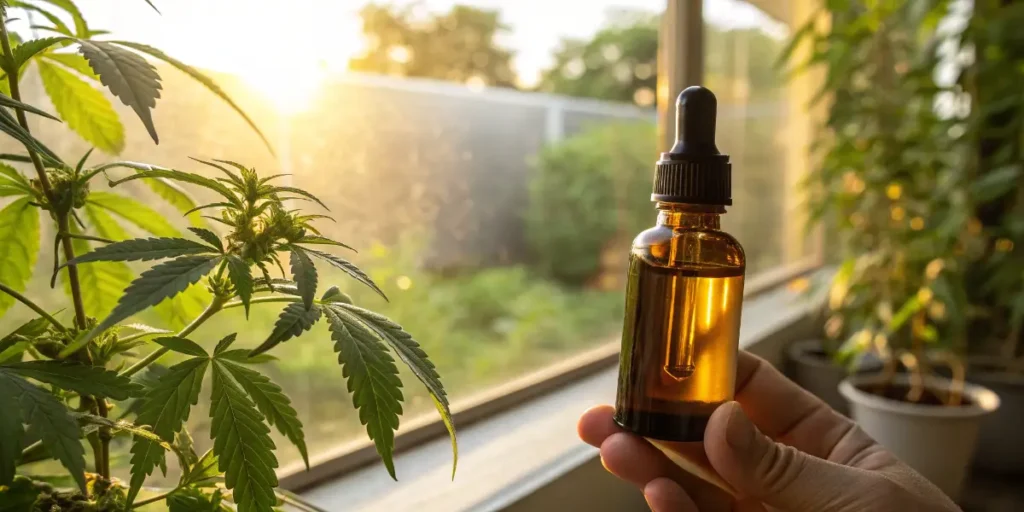
Dosing a CBD tincture can vary based on individual needs and the specific tincture’s potency. It’s recommended to start with a low dose and gradually increase until the desired effects are achieved. Use the dropper to measure the tincture, and place it under your tongue for quick absorption. Consulting with a healthcare professional can provide personalized guidance, especially if you’re new to CBD tinctures.
Can I use any cannabis strain to make a CBD tincture?
While you can technically use any cannabis strain to make a tincture, strains with higher CBD content are preferred for their therapeutic benefits. Strains like CBG-Force, Royal Medic CBD, and Mamba Negra CBD are excellent choices due to their specific CBD to THC ratios, making them ideal for wellness-focused tinctures. These strains are available from Global Green Genetics and offer reliable quality for homemade tinctures.
What are the potential side effects of CBD tinctures?
CBD tinctures are generally well-tolerated, but some users might experience side effects such as dry mouth, dizziness, or changes in appetite. These effects are typically mild and temporary. It’s important to start with a low dose to see how your body responds and consult with a healthcare provider if you have concerns or are taking other medications.
How long do CBD tinctures last, and how should they be stored?
CBD tinctures can last for up to one year if stored properly. To preserve their potency, keep them in a cool, dark place in an airtight container. Exposure to light, heat, and air can degrade the cannabinoids, reducing the tincture’s effectiveness over time. Always check the expiration date and ensure the tincture has not developed an unusual smell or appearance before use.