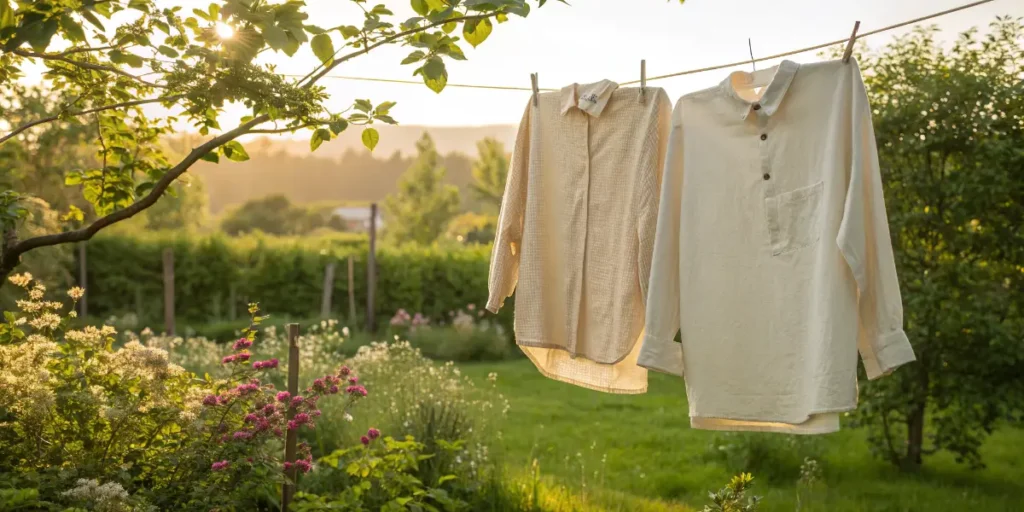

When it comes to choosing textiles, hemp and cotton are two popular options that have been widely used for centuries. Both have unique characteristics that make them suitable for different applications. However, determining which is the better textile depends on various factors, including environmental impact, durability, and comfort. This article will delve into the comparison between hemp and cotton, providing insights to help you make an informed decision.
Hemp is known for its environmental benefits. It requires less water and fewer pesticides compared to cotton, making it a more sustainable choice. Cotton, on the other hand, is widely cultivated and has been a staple in the textile industry for its softness and versatility. Knowing the differences in their cultivation and processing can provide a clearer picture of which textile aligns with your values and needs.
The durability comparison between hemp and cotton fabrics is another critical aspect. Hemp is often praised for its strength and longevity, which makes it ideal for products that require high durability, such as workwear and outdoor gear. Cotton, while not as strong as hemp, offers a soft and comfortable feel that is highly valued in everyday clothing and bedding.
In terms of comfort, many users find cotton to be the preferred choice due to its softness. However, recent advancements in hemp processing have produced softer hemp textiles, increasing their appeal for clothing. The comfort level of hemp textile versus cotton is subjective and can vary based on personal preference and the specific use of the fabric.
Environmental Impact: Hemp vs Cotton
The environmental benefits of hemp compared to cotton are a significant factor for those looking to make eco-friendly choices. Hemp cultivation is known for its low environmental footprint. It grows quickly, reaching maturity in just a few months, and thrives even in poor soil conditions. This resilience reduces the need for chemical fertilizers and pesticides.
Cotton, in contrast, is one of the most pesticide-intensive crops. It requires substantial water resources, which can strain local water supplies in arid regions. The sustainability of hemp compared to cotton is evident in its minimal resource requirements and ability to improve soil health through crop rotation.
For cannabis enthusiasts, the sustainable practices of hemp cultivation can be likened to the responsible growing of strains such as White Widow Auto from Global Green Genetics. This strain is favored for its resilience to pests and molds, similar to hemp’s natural resistance, making it a suitable choice for eco-conscious growers.
Moreover, the environmental benefits of hemp vs cotton extend to carbon sequestration capabilities. Hemp plants absorb large amounts of CO2 during their growth cycle, contributing positively to reducing atmospheric carbon levels. This feature not only enhances the sustainability of hemp compared to cotton but also aligns with global efforts to combat climate change. For textile manufacturers, choosing hemp can be a meaningful step toward a more sustainable production process, potentially appealing to environmentally conscious consumers.
Water and Resource Efficiency
Hemp’s water efficiency is a standout feature. Unlike cotton, which demands extensive irrigation, hemp requires significantly less water. This aspect makes hemp a more viable option in areas facing water scarcity. Additionally, hemp’s rapid growth cycle allows for multiple harvests in a year, maximizing land use efficiency.
Cotton’s resource-intensive nature means it often competes with local communities for water resources, raising concerns about long-term sustainability. For instance, Blue Gelato, another strain from Global Green Genetics, is cultivated with attention to resource efficiency, reflecting the importance of sustainable practices in both cannabis and textile production.
Chemical Use and Soil Health
One of the advantages of hemp cultivation is its low need for pesticides and fertilizers. Hemp’s natural resistance to pests reduces the chemical load on the environment, contributing to healthier ecosystems. Moreover, hemp’s deep roots help prevent soil erosion and improve soil structure.
Cotton farming often relies heavily on chemical inputs, which can lead to soil degradation and water pollution. The emphasis on reducing chemical use is mirrored in the careful cultivation of strains like Gelato 44 – Tyson S, which is bred to thrive with minimal intervention, highlighting the parallels between cannabis cultivation and sustainable textile production.

Durability and Longevity
When evaluating the durability comparison between hemp and cotton fabrics, hemp emerges as the stronger contender. Hemp fibers are known for their robustness and resistance to wear and tear. This durability makes hemp an excellent choice for items that require longevity, such as heavy-duty workwear and outdoor textiles.
Cotton, while softer, is not as durable as hemp. However, it provides a comfortable and breathable fabric that is ideal for everyday clothing. The choice between hemp and cotton for durability often depends on the intended use of the textile.
For those who appreciate the long-lasting quality of hemp, it’s similar to selecting cannabis strains with robust genetics. White Widow Auto, for example, is renowned for its resilience and consistent performance, akin to the enduring nature of hemp textiles.
The durability comparison between hemp and cotton fabrics further extends to their performance under extreme conditions. Hemp’s fibers are naturally resistant to UV light, meaning that they maintain their integrity and color even when exposed to harsh sunlight, making them suitable for outdoor applications. On the other hand, cotton can degrade more quickly under similar conditions, leading to fading and material weakening. This characteristic makes hemp a preferred choice for applications where longevity and resistance to environmental factors are critical.
Strength and Resistance
Hemp’s strength lies in its fiber structure, which provides excellent resistance to stretching and deformation. This attribute makes hemp textiles less prone to damage and more capable of withstanding harsh conditions. Such qualities are essential for products like bags, ropes, and sails, where durability is critical.
Cotton’s softness is a double-edged sword. While it offers comfort, its fibers are more susceptible to breaking down over time, especially with repeated washing. The decision between hemp and cotton in terms of strength often involves balancing comfort with the need for a long-lasting fabric.
Maintenance and Care
Hemp fabrics typically require less maintenance than cotton. They are less likely to shrink and retain their shape better after washing. This ease of care makes hemp a practical choice for those looking for low-maintenance textiles.
Cotton, being more delicate, may require special care to maintain its appearance and feel. It is more prone to wrinkling and may need ironing to look its best. For cannabis growers who prefer low-maintenance strains, the ease of growing White Widow Auto can be compared to the straightforward care required for hemp textiles.
Comfort and Aesthetic Qualities
The comfort level of hemp textile versus cotton is a crucial consideration for many consumers. Cotton is often favored for its soft and comfortable feel, making it a popular choice for clothing and home textiles. Its natural fibers are gentle on the skin, providing a pleasant wearing experience.
Hemp, traditionally considered rougher, has seen improvements in processing techniques that have resulted in softer, more comfortable fabrics. Modern hemp textiles can rival cotton in terms of comfort, making them suitable for a wider range of applications, including fashion and interior design.
For those who prioritize comfort, selecting the right textile is similar to choosing the right cannabis strain. Blue Gelato, known for its calming effects, offers a gentle experience, much like the soft embrace of a well-crafted cotton garment.
Beyond comfort, the aesthetic qualities of hemp and cotton can influence consumer choice. Hemp’s ability to hold vibrant dyes creates opportunities for bold, eye-catching designs, whereas cotton’s versatility allows for a wide range of textures and finishes, from sleek sateen to rugged canvas. These aesthetic distinctions can be pivotal for designers and consumers aiming to express specific styles or moods, thereby making the selection between hemp and cotton not just a matter of comfort but also of personal expression in fashion and home decor.
Texture and Feel
The texture of hemp fabrics has evolved over time. Traditional hemp was known for its coarse feel, but advancements in processing have led to finer, smoother fabrics. This development opens up new possibilities for hemp in the fashion industry, where texture plays a significant role.
Cotton remains a staple for its naturally soft and breathable qualities. It is often the go-to choice for undergarments and T-shirts, where comfort is paramount. The decision between hemp and cotton for texture often involves personal preference and the specific use of the textile.
Aesthetic Appeal
Both hemp and cotton offer unique aesthetic qualities that can enhance the visual appeal of garments and home textiles. Hemp’s natural luster and ability to hold dyes well make it suitable for vibrant colors and patterns. This characteristic is particularly appealing for fashion-forward designs.
Cotton’s versatility allows it to be woven into a wide range of fabrics, from lightweight muslin to heavy denim. Its ability to blend with other fibers further expands its aesthetic possibilities. For those seeking a specific look or feel, the choice between hemp and cotton often depends on the desired aesthetic outcome.
Economic Considerations
The economic aspects of choosing between hemp and cotton involve analyzing factors such as cost, availability, and market trends. Hemp production is gaining traction due to its environmental benefits and versatility, but it is still less widespread than cotton, which has a long-established industry presence.
Cotton’s extensive cultivation means it is readily available and often more affordable than hemp. Its established supply chains and economies of scale contribute to its cost-effectiveness for consumers and manufacturers alike.
For those involved in the cannabis industry, knowing market dynamics is crucial. Just as the demand for specific strains like Gelato 44 – Tyson S can influence market trends, the growing interest in sustainable textiles may drive increased production and availability of hemp fabrics.
The evolving market dynamics for hemp and cotton also involve consumer awareness and regulatory developments. As more consumers prioritize sustainable living, the demand for eco-friendly textiles like hemp is expected to rise. This shift could encourage governments to support hemp cultivation through favorable policies, potentially lowering production costs. Additionally, the versatility of hemp in various industries, from textiles to biofuel, may lead to new investment opportunities and innovations, further enhancing its economic viability compared to cotton.
Cost and Availability
The cost of hemp textiles can be higher than cotton due to its limited production and specialized processing methods. However, as demand for sustainable products grows, economies of scale may lead to more competitive pricing for hemp fabrics in the future.
Cotton’s widespread cultivation ensures its availability at a range of price points, making it an accessible choice for consumers. Its affordability and versatility make it a staple in the textile industry, where cost considerations are paramount.
Market Trends and Future Outlook
The increasing awareness of environmental issues has fueled interest in hemp as a sustainable alternative to conventional textiles. This trend is mirrored in the cannabis industry, where strains like Blue Gelato are cultivated with an eye toward eco-friendly practices.
As consumers become more conscious of their environmental impact, the demand for hemp textiles is likely to rise. This shift may encourage more investment in hemp production and innovation, potentially lowering costs and expanding its market presence.
FAQ
What are the environmental benefits of hemp vs cotton?
Hemp offers significant environmental benefits over cotton. It requires less water, fewer pesticides, and can grow in poorer soil conditions, making it a more sustainable choice. Hemp also improves soil health and prevents erosion, contributing to better ecosystem management. In contrast, cotton is one of the most pesticide-intensive crops and demands substantial water resources, which can negatively impact the environment.
How do hemp and cotton compare in terms of durability?
Hemp is generally more durable than cotton due to its stronger fibers. This strength makes hemp textiles suitable for products that require longevity, such as outdoor gear and heavy-duty clothing. Cotton, while softer, is not as robust and may wear out faster, especially with frequent washing. The choice between the two often depends on the intended use and desired lifespan of the textile.
What are the comfort differences between hemp textile and cotton?
Cotton is traditionally favored for its softness and comfort, making it a popular choice for clothing and bedding. Hemp, while initially considered coarser, has improved in softness due to advancements in processing. Modern hemp textiles can offer similar comfort levels to cotton, allowing for a wider range of applications. Personal preference and specific use cases often dictate the choice between hemp and cotton for comfort.
Are there economic benefits to choosing hemp over cotton?
While hemp production is currently less widespread than cotton, it offers potential economic benefits through its sustainability and versatility. As demand for eco-friendly textiles grows, hemp may become more cost-competitive due to economies of scale. Cotton’s established industry presence ensures its affordability and availability, making it a cost-effective choice for many consumers. The economic decision often involves balancing cost with environmental considerations.
What are the advantages of hemp cotton blend fabric?
Hemp cotton blend fabrics combine the best qualities of both fibers, offering a balance between durability and comfort. The blend enhances the strength of cotton while retaining its softness, resulting in a versatile textile suitable for a variety of applications. This combination also leverages hemp’s environmental benefits, making the blend an attractive option for eco-conscious consumers seeking sustainable and high-performing textiles.