

In the heart of nature, a seemingly peculiar question arises: Do animals get high? It’s a topic that intrigues both scientists and enthusiasts alike. As we dive into the world of wildlife and natural intoxicants, it becomes evident that animals do engage with intoxicating substances, often for reasons that resonate with human behavior. This exploration unveils the fascinating connection between animal behavior and psychedelics, offering a glimpse into a lesser-known aspect of the animal kingdom.
Animals, like humans, have been observed seeking out intoxicating substances. From elephants consuming fermented fruits to primates indulging in psychedelic plants, the quest for alteration in consciousness is a shared trait across species. This shared behavior raises interesting questions about the evolutionary advantages of such actions. Are these animals simply seeking pleasure, or is there a deeper biological purpose at play?
Recommended Strains
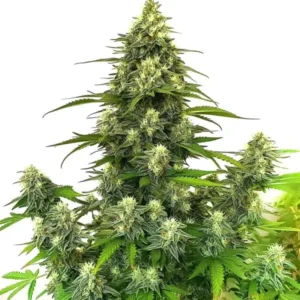
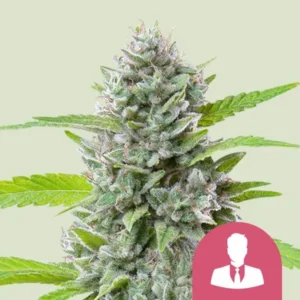
GG4 Auto

|
THC | 18% - 24% (Medium) |

|
Lineage | GG4 x Ruderalis Auto |

|
Type | Autoflowering |

|
Height | 3.28 ft | 1 m |

|
Yield | High |

|
Yield Indoor | 1.31 - 1.97 oz/ft² | 400 - 600 g/m² |

|
Yield Outdoor | 17.64 - 26.46 oz/plant | 500 - 750 g/plant |

|
Life Cycle | 8 - 10 weeks |

|
Phenotype | 40% Indica / 60% Sativa |

|
Medical | Fatigue, Muscle Spasms, Stress |

|
Effects | Happy, Relaxed, Talkative |

|
Flavors | Fruity, Pine |
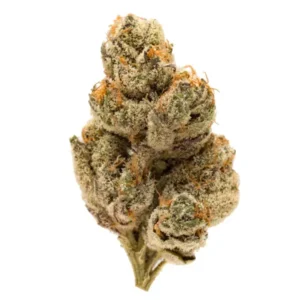
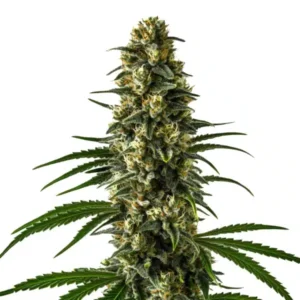
Do-Si-Dos
|
|
THC | 28% - 30% (High) |
|
|
Lineage | OG Kush Breath x Face Off OG |
|
|
Type | Feminized |
|
|
Height | 3.61 ft | 1.1 m |
|
|
Yield | Medium |
|
|
Yield Indoor | 1.31 - 1.64 oz/ft² | 400 - 500 g/m² |
|
|
Flowering Time | 8 - 10 weeks |
|
|
Phenotype | 70% Indica / 30% Sativa |
|
|
Effects | Relaxed, Sedative, Sleepy |
|
|
Flavors | Earthy, Floral, Fruity |
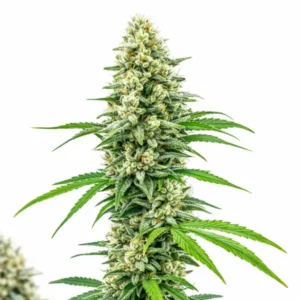
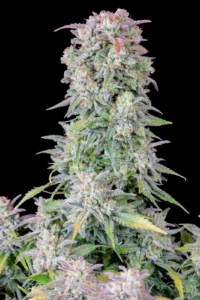
In the realm of cannabis cultivation, enthusiasts of Global Green Genetics might find parallels in their passion for strains like Bruce Banner 3, Bruce Banner Fast Blooming, and Girl Scout Cookies. Just as animals roam their environment for natural highs, growers seek out these specific strains for their unique characteristics and effects. Knowing these connections not only sheds light on animal behavior but also enriches our own experiences with cannabis cultivation.
Animal Behavior and Psychedelics
When exploring the phenomenon of animals getting high, it’s essential to consider the broader context of animal behavior and psychedelics. Animals have been known to consume psychoactive substances, both intentionally and unintentionally, leading to altered states of consciousness. This behavior is not limited to a few species but spans across the animal kingdom.
Research into animal behavior and psychedelics reveals that these interactions are not merely about intoxication but also involve complex social structures and survival strategies. For example, certain primates have been observed using psychedelic plants during social rituals, which may strengthen group cohesion and communication. This parallels the selective cultivation of strains like Bruce Banner 3, where the high THC content can enhance social experiences among users. The question Do animals get high? becomes more profound when considering these intricate social dynamics, suggesting a deeper evolutionary role for intoxicants in both animal and human societies.
Examples from the Wild
In the wild, numerous examples highlight animals’ interactions with psychedelics. For instance, reindeer in Siberia have been observed consuming Amanita muscaria mushrooms, which contain psychoactive compounds. Similarly, dolphins have been seen playing with pufferfish, potentially exploiting their neurotoxic defenses to achieve a trance-like state. These behaviors suggest a natural curiosity and attraction towards substances that alter perception.
Primates, too, have shown a penchant for psychedelic experiences. Some primates have been observed consuming iboga, a plant with powerful hallucinogenic properties. This behavior raises intriguing questions about the evolutionary role of psychedelics in the animal kingdom. Could these substances offer benefits such as stress relief or enhanced social bonding?
The Science Behind Animal Intoxication
Scientific research into animal intoxication is still in its infancy, but it provides valuable insights into why animals seek out intoxicating substances. Some theories suggest that animals may use these substances for medicinal purposes, such as pain relief or parasite control. Others propose that intoxicants serve as a form of enrichment, alleviating boredom or stress in their environments.
Interestingly, this aligns with the experiences of cannabis growers who seek specific strains for their effects. For instance, Bruce Banner 3 from Global Green Genetics is renowned for its high THC levels, providing a potent and uplifting experience. Just as animals choose their intoxicants for specific outcomes, growers select strains for desired effects.
Wildlife and Natural Intoxicants
Nature is replete with examples of wildlife interacting with natural intoxicants. This behavior has been documented across various ecosystems, from the African savanna to the Amazon rainforest. These interactions highlight the complex relationship between animals and their environments.
Wildlife and natural intoxicants form a fascinating part of ecological studies, with animals like elephants and birds showing a preference for fermented fruits. These natural intoxicants not only impact individual species but also influence broader ecological systems. For example, animals consuming these substances may alter their migratory patterns or feeding habits, which can affect plant pollination and seed dispersal. The parallels with cannabis cultivation are evident, as growers of Global Green Genetics strains like Girl Scout Cookies may also adapt their growing techniques to optimize plant traits for specific environmental conditions. Thus, the question Do animals get high? extends beyond individual experiences to encompass the intricate balance of ecosystems.
Fermented Fruits and Alcohol
One of the most well-documented cases of animals getting high involves the consumption of fermented fruits. Elephants, for instance, have a well-known affinity for fermented marula fruit, which can lead to visibly intoxicated behavior. Similarly, birds have been observed eating overripe berries, resulting in uncoordinated flight patterns.
This behavior underscores the idea that animals are not immune to the effects of alcohol. It also raises questions about the function of fermented fruits in the diet of these animals. Could these natural sources of alcohol serve a purpose beyond mere intoxication? Perhaps they play a role in nutrient acquisition or social interactions.
Plants with Psychoactive Properties
Beyond fermented fruits, plants with psychoactive properties also attract animals. In the Amazon rainforest, jaguars have been observed consuming caapi vines, known for their hallucinogenic effects. This behavior suggests that animals may seek out specific plants for their psychoactive properties, similar to how humans try different cannabis strains for various effects.
In the world of cannabis cultivation, strains like Girl Scout Cookies from Global Green Genetics offer a balanced combination of THC and CBD, providing both relaxation and euphoria. The parallels between animals seeking natural highs and growers selecting specific strains highlight the shared pursuit of unique experiences.
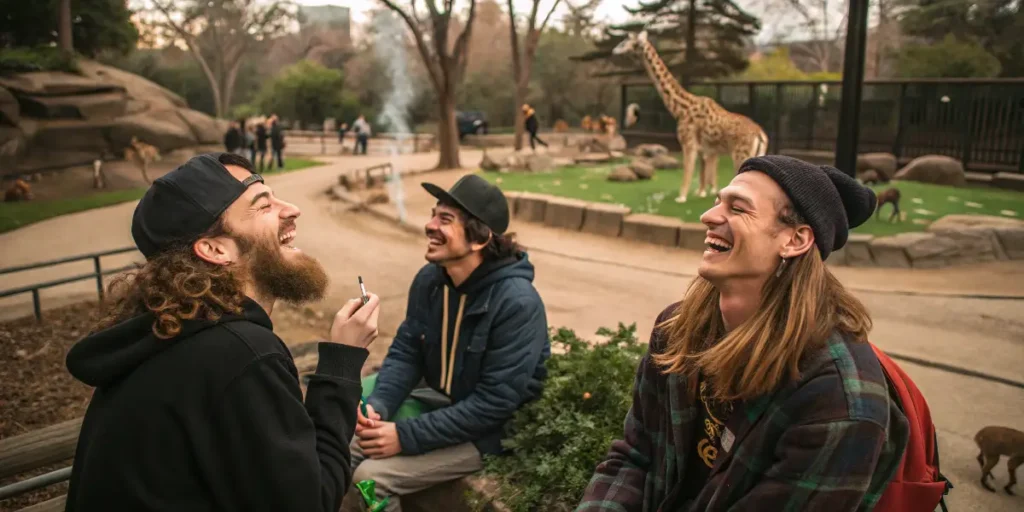
Drugs in the Animal Kingdom
The presence of drugs in the animal kingdom is a testament to the complexity of nature. Animals have evolved alongside these substances, and their interactions with them offer valuable insights into the ecological and evolutionary dynamics at play.
The study of drugs in the animal kingdom provides a unique lens through which to view the interactions between species and their environments. Animals that consume intoxicants often adapt their behaviors to maximize the benefits of these substances, whether for medicinal purposes or social interaction. This is akin to how cannabis enthusiasts choose strains like Bruce Banner Fast Blooming for its rapid flowering time and potent effects. By knowing these behaviors, we gain insights into how the natural world navigates the challenges and opportunities presented by intoxicating substances. The question Do animals get high? becomes an exploration of the adaptive strategies that both animals and humans employ in response to their environments.
Ecological Implications
Animals consuming intoxicants can have far-reaching ecological implications. For example, when elephants consume fermented fruits, their behavior can influence the distribution of seeds through their dung, impacting plant dispersal and ecosystem dynamics. Similarly, birds that consume fermented berries may play a role in shaping plant communities through their feeding habits.
The ecological impact of animal intoxication parallels the influence of cannabis cultivation in shaping human communities. Strains like Bruce Banner Fast Blooming from Global Green Genetics, known for its rapid flowering time and high yield, can influence the cultivation practices and preferences of growers.
Evolutionary Perspectives
From an evolutionary perspective, animals engaging with intoxicants may gain adaptive advantages. For instance, consuming psychoactive plants could enhance sensory perception or improve cognitive function, aiding in foraging and survival. This perspective aligns with the idea that animals seek out intoxicants for more than just recreational purposes.
In cannabis cultivation, growers often select strains for specific traits that enhance their experience. Bruce Banner 3, with its potent THC content, offers a powerful and energizing high, much like how animals might seek certain plants for their stimulating effects.
Animals Consuming Fermented Fruit
The phenomenon of animals consuming fermented fruit is a captivating aspect of their interaction with intoxicants. This behavior is not only widespread but also offers a lens into the adaptive strategies of various species.
Animals consuming fermented fruit display a range of behaviors that highlight their adaptability and resourcefulness. For instance, some species may time their visits to fruiting trees to coincide with peak fermentation, maximizing the intoxicating effects. This strategic behavior is mirrored in the cultivation of cannabis strains like Bruce Banner 3, where growers carefully monitor growth stages to optimize potency. The question Do animals get high? is thus intricately linked to these adaptive behaviors, showcasing the dynamic relationship between organisms and their environments. In both cases, the pursuit of altered consciousness is a testament to the ingenuity and adaptability of life on Earth.
Behavioral Observations
Behavioral observations of animals consuming fermented fruit reveal intriguing patterns. Elephants, for instance, are known to travel significant distances to locate trees bearing fermented marula fruit. This behavior suggests a deliberate pursuit of intoxicating experiences, possibly for social or nutritional benefits.
In the avian world, birds consuming overripe berries exhibit altered flight patterns and coordination. These observations prompt questions about the function of fermented fruit in their diets and whether it serves a purpose beyond mere intoxication.
Comparisons to Human Behavior
The consumption of fermented fruit by animals draws parallels to human behavior, particularly in the context of cannabis use. Just as animals seek out specific fruits for their effects, cannabis enthusiasts select strains like Girl Scout Cookies for their unique balance of THC and CBD, offering both relaxation and euphoria.
This shared pursuit of altered consciousness underscores the universal appeal of intoxicants across species. Whether in the wild or within the realm of cannabis cultivation, the quest for unique experiences unites us with the natural world.

FAQ
Do animals intentionally seek out intoxicating substances?
Yes, many animals appear to intentionally seek out intoxicating substances. Elephants, for example, have been known to travel great distances to find trees bearing fermented fruit. This behavior suggests a deliberate pursuit of intoxication, much like how humans choose specific cannabis strains for their effects.
Similarly, primates and other animals have been observed consuming psychedelic plants, indicating a natural curiosity and attraction to substances that alter their perception. These behaviors highlight a shared evolutionary trait across species.
What are some examples of animals consuming psychedelics?
One notable example is the reindeer in Siberia, which consume Amanita muscaria mushrooms known for their psychoactive properties. Dolphins have also been seen interacting with pufferfish, possibly exploiting their neurotoxins for a trance-like state.
Primates in certain regions consume plants like iboga, which have hallucinogenic effects. These behaviors suggest that animals have evolved alongside these substances and may use them for various purposes, including stress relief and enhanced social interactions.
What ecological impacts do animals consuming intoxicants have?
When animals consume intoxicants like fermented fruits, they can influence their ecosystems in significant ways. For example, elephants that eat fermented fruits help disperse seeds through their dung, impacting plant distribution and ecosystem dynamics.
Birds consuming fermented berries may alter plant communities through their feeding habits, highlighting the interconnectedness of animal behavior and ecological processes. These interactions reflect the complex web of relationships within natural ecosystems.
Are there any similarities between animal intoxication and cannabis cultivation?
Yes, there are intriguing parallels between animal intoxication and cannabis cultivation. Just as animals seek specific substances for their effects, cannabis enthusiasts select strains like Bruce Banner 3 or Girl Scout Cookies for their unique properties, such as THC content and flowering time.
This shared pursuit of altered experiences highlights the universal appeal of intoxicants across species. Both animals and humans engage with their environments to achieve desired states of consciousness, reflecting a common drive for exploration and enrichment.
Why do some animals consume fermented fruit?
Animals may consume fermented fruit for various reasons, including nutritional benefits, social bonding, or simply for the intoxicating effects. The consumption of fermented fruit can lead to altered behavior, such as elephants displaying playful antics after consuming marula fruits.
This behavior draws parallels to human interaction with intoxicants, where the pursuit of unique experiences drives the consumption of specific substances. In both cases, the quest for altered consciousness is a shared trait across species.