
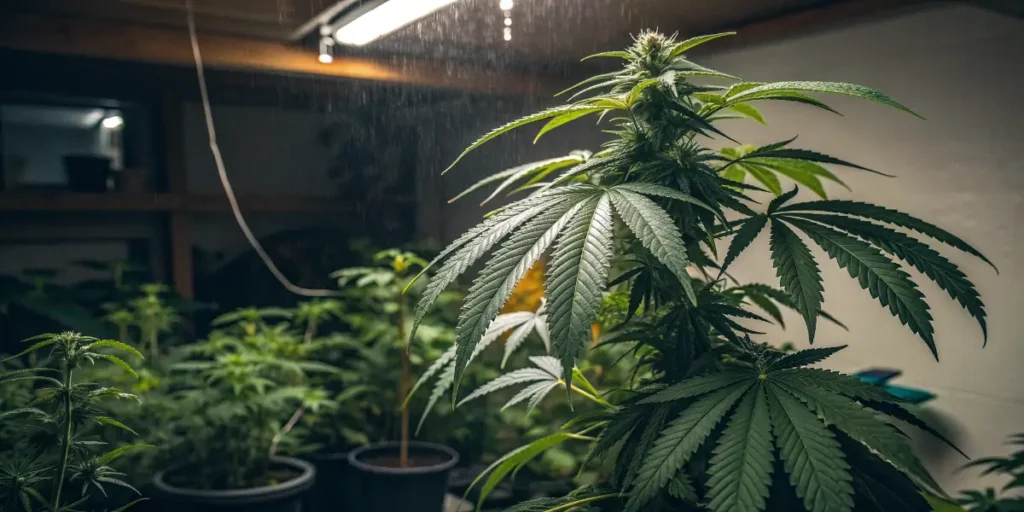

Training cannabis plants can be a rewarding endeavor, but it’s fraught with potential pitfalls. Whether you’re a first-time grower or have years of experience, avoiding common cannabis training errors is crucial for optimal growth. With strains like White Widow, Northern Lights, and Green Crack, knowing the nuances of each can significantly improve your results.
White Widow, a classic strain from Global Green Genetics, is known for its resilience.
However, even a hardy strain like this can suffer if you make mistakes in cannabis cultivation training. Training methods must be tailored to suit the plant’s needs, ensuring that the robust growth potential is fully realized.
Northern Lights is another popular choice for growers aiming to maximize yield. Yet, without proper training, even this forgiving strain can underperform. Knowing how to avoid cannabis education pitfalls is essential to harnessing its full potential.
Overlooking the Importance of Strain Selection
Choosing the right cannabis strain is the first step in successful cultivation. It’s easy to get excited about trying new strains, but not all are suitable for every training method. Some strains respond better to low-stress training, while others may thrive with topping or fimming techniques.
For instance, Green Crack is a strain praised for its vigorous growth, making it ideal for training methods that require a bit more manipulation. Selecting a strain like this can make the difference between a successful harvest and a disappointing one. Knowing the characteristics of the strain you are working with is a key step in avoiding cannabis training program errors.
Strain selection is more than just a preference; it’s a strategic decision. Each strain has its own growth patterns, which dictate how well it will respond to different training techniques. By choosing a strain that aligns with your training goals, you’re setting up your cultivation process for success and minimizing the risk of errors.
Moreover, the right strain can influence the overall ease of cultivation. Beginners often find strains like White Widow and Northern Lights more forgiving, as these strains can withstand learning curves and minor mistakes in cannabis cultivation training. Selecting wisely is a crucial part of improving cannabis training methods and achieving a fruitful harvest.
Ignoring Plant Signals
Your plants communicate their needs through various signals. Overlooking these can be one of the biggest mistakes in cannabis cultivation training. Leaf color, growth patterns, and overall plant health give clues about what your plant needs.
White Widow, for example, may show signs of stress through leaf discoloration if overtrained. Recognizing these signs early can prevent further damage. Paying attention to these signals allows growers to adjust their methods, improving cannabis training methods over time.
One of the 11 Cannabis Training Mistakes To Avoid is neglecting to act on these signals promptly. A delayed response can exacerbate stress and lead to prolonged recovery times for your plants. By honing your ability to read plant signals, you can fine-tune your training techniques to better support plant health.
Regular observation is key. By spending time visually inspecting your plants, you can become adept at recognizing early signs of stress or imbalance. This proactive approach helps in avoiding common cannabis training errors to avoid and ensures your plants remain healthy and productive throughout their growth cycle.
Improper Timing of Training Techniques
Timing is crucial in cannabis training. Applying techniques too early or too late can disrupt plant growth. For instance, topping a plant like Northern Lights too late in its growth cycle can stunt its overall size and yield.
The key is to apply training at the right growth stage. Early in the vegetative stage, most plants are more resilient to training. knowing the growth cycle of your specific strain, and timing your interventions accordingly, can prevent many common cannabis training errors.
Timing errors are often due to a lack of knowledge of the growth stages. Each stage requires specific attention and care, and knowing when to implement certain techniques is crucial. This knowledge helps growers avoid pitfalls associated with improper timing, which can otherwise hinder plant development.
Furthermore, each strain, such as Green Crack or White Widow, has unique growth spurts. Aligning your training efforts with these natural cycles maximizes their effectiveness and minimizes stress. By mastering the timing of training techniques, you can ensure robust plant health and improve overall yield.
Overtraining Your Plants
It’s tempting to think that more training equals better results, but overtraining is a common mistake. Too much manipulation can stress the plant, leading to stunted growth or even death. This is particularly true for strains like Northern Lights, which thrive with minimal intervention.
Instead, focus on strategic training that enhances growth without overwhelming the plant. Techniques like low-stress training are designed to gently guide the plant without causing undue stress. This is especially effective with strains known for their vigor, like Green Crack.
Overtraining not only impacts plant health but can also lead to unnecessary resource expenditure. Constant manipulation can result in wasted nutrients and time, without the desired return. Recognizing when to step back is a vital skill in avoiding cannabis training program errors.
By adopting a less-is-more approach, you can support natural plant development while still guiding growth. This balance is crucial for achieving optimal results and helps in improving cannabis training methods. Remember, a healthy plant is more likely to reach its full potential with minimal intervention.
Lack of Consistent Monitoring
Regular monitoring is essential to catch issues before they become problematic. Failing to consistently check on your plants can lead to missed signs of stress or disease. This is a frequent error in cannabis training programs.
Set a regular schedule for checking on your plants. Look for signs of nutrient deficiencies, pest infestations, or training-related stress. By keeping a close eye on your crop, you can make informed decisions about when to adjust your training techniques.
Consistent monitoring provides valuable insights into your plants’ responses to training. Patterns in growth and health can reveal the effectiveness of your techniques, offering opportunities for refinement. This practice is an essential part of how to avoid cannabis education pitfalls.
Moreover, frequent check-ins allow for timely interventions, preventing small issues from escalating. By maintaining vigilance, you can avoid many common cannabis training errors to avoid and ensure a thriving crop. Monitoring is a cornerstone of successful cannabis cultivation.
Neglecting Environmental Factors
The environment plays a crucial role in cannabis growth. Factors like light, temperature, and humidity can all affect how your plants respond to training. Ignoring these can lead to suboptimal results, even with strains like White Widow that are generally forgiving.
Ensure your grow space is optimized for the strain you are cultivating. Adjusting the environment to suit your plants’ needs can enhance their response to training and prevent common cannabis training errors.
Environmental factors are fundamental to plant health, influencing everything from nutrient uptake to growth speed. By fine-tuning these conditions, you can create an optimal setting that supports your training goals and minimizes stress.
Taking the time to understand the specific environmental needs of strains like Northern Lights or Green Crack can yield significant benefits. Proper light cycles, temperature control, and humidity management are key components of a successful cannabis training program. This attention to detail helps avoid mistakes in cannabis cultivation training and promotes robust plant health.
Using the Wrong Tools
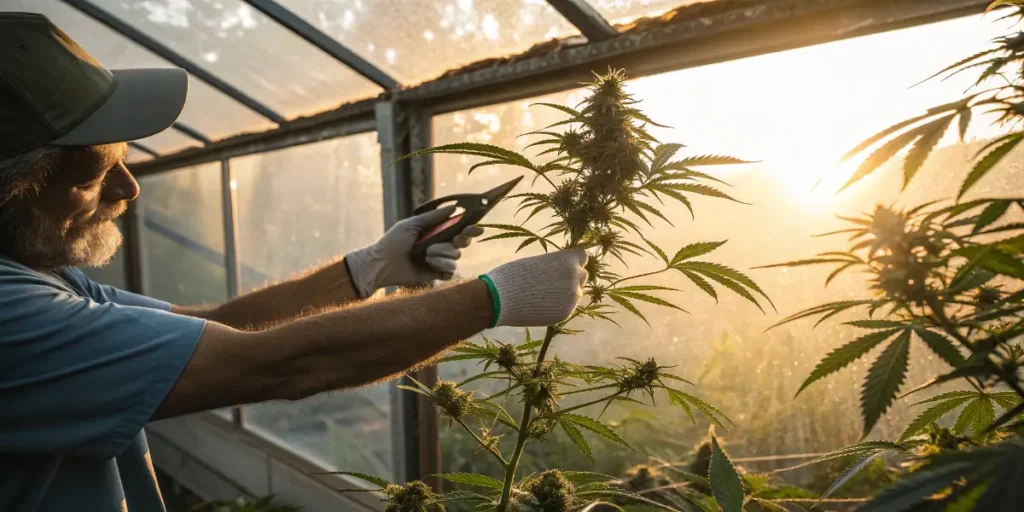
Proper tools make a significant difference in training success. Using dull scissors or inappropriate ties can damage your plants, leading to poor growth. This is a mistake that can easily be avoided with the correct equipment.
Invest in quality tools designed for plant training. This ensures clean cuts and effective training, reducing stress on the plant. Tools like soft ties and sharp scissors are essential for minimizing damage during training.
Investing in the right tools is a small step that can greatly impact your training outcomes. Quality equipment not only enhances precision but also decreases the likelihood of introducing pathogens that can harm your plants.
Additionally, using the correct tools demonstrates a commitment to best practices in cannabis training. It shows an awareness of the importance of reducing plant stress and maximizing growth potential. Proper tools are an investment in achieving successful and healthy cannabis cultivation.
Failure to Learn from Mistakes
Every grower makes mistakes, but failing to learn from them is a major pitfall. Reflect on what worked and what didn’t after each grow cycle. This will help in improving cannabis training methods for future grows.
Document your processes and outcomes. This creates a valuable resource for refining your techniques and avoiding repeating the same errors. Continuous learning is key to successful cannabis cultivation.
Reflecting on past mistakes provides an opportunity to identify patterns and adjust your strategies accordingly. This introspection is crucial for avoiding repeated errors and advancing your skills as a grower.
By maintaining records and being open to learning, you can continuously improve your approach. This mindset not only enhances your current cultivation efforts but also builds a foundation for long-term success in the craft. Learning from mistakes is a cornerstone of how to avoid cannabis education pitfalls and achieve excellence in growing.
Overlooking Nutrient Needs
Training can increase a plant’s nutrient requirements. Overlooking this can lead to deficiencies, impacting growth and yield. Northern Lights, for example, may require additional nutrients during intensive training periods.
Adjust your feeding schedule to meet the increased demands. This ensures your plants have all they need to recover and thrive after training sessions. A well-fed plant is better equipped to handle the stresses of training.
Nutrient management is a dynamic process that requires attention and adjustment. As your plants grow and undergo training, their nutritional needs will evolve. Staying attuned to these changes is vital for preventing deficiencies and encouraging robust growth.
Strategically timed nutrient boosts can significantly impact plant health and yield. By knowing and responding to the specific needs of strains like Green Crack during training, you can maximize their potential. This proactive approach helps in avoiding common cannabis training errors to avoid and ensures a healthy, productive harvest.
Poor Record Keeping
Keeping records of your training efforts provides insights into what works best. Without documentation, it’s difficult to determine the causes of success or failure. This is a common oversight in cannabis training programs.
Maintain detailed logs of your training techniques, environmental conditions, and growth responses. This data is invaluable for refining your approach and avoiding past mistakes in cannabis cultivation training.
Record keeping transforms anecdotal experiences into actionable insights. By documenting every aspect of your cultivation process, you gain a complete knowledge of what influences your plants’ growth.
These records serve as a roadmap for future improvements, allowing you to replicate successes and eliminate ineffective strategies. This systematic approach is essential for improving cannabis training methods and achieving consistent, high-quality results.
Rushing the Process
Patience is a virtue in cannabis training. Rushing the process can lead to hasty decisions and mistakes. Each strain, whether it’s Green Crack or White Widow, has its own pace of growth and recovery.
Allow your plants time to respond to training before making further modifications. This ensures that each intervention is effective and that the plant has time to adapt. Rushing can lead to increased stress and reduced yields.
One of the 11 Cannabis Training Mistakes To Avoid is the urge to accelerate the growth process. Every strain has a natural rhythm, and honoring this pace is key to nurturing healthy development.
By exercising patience, you allow your plants the necessary time to adjust and thrive under new conditions. This measured approach not only reduces stress but also enhances the overall quality and quantity of your harvest. Embracing a slow and steady mindset is an essential aspect of successful cannabis cultivation.
FAQ About Training Mistakes to Avoid for Smart Growth
What is the best strain for beginners to train?
White Widow is often recommended for beginners due to its resilience and forgiving nature. This strain can withstand common training mistakes, making it an excellent choice for those new to cultivation. Its ability to recover quickly from errors makes it ideal for learning the ropes of cannabis training.
Northern Lights is another beginner-friendly option. It requires minimal training to achieve impressive yields, allowing new growers to focus on mastering basic techniques without overwhelming the plant. Both strains provide a good balance of ease and reward for novice growers.
These strains offer a manageable learning curve, providing ample room for experimentation without the risk of significant setbacks. Their forgiving nature allows beginners to try different training techniques and learn from any cannabis training program errors they might encounter.
Choosing a beginner-friendly strain is a strategic way to build confidence and competence in cannabis cultivation. By starting with resilient strains like White Widow and Northern Lights, new growers can focus on developing their skills, setting a strong foundation for future success.
How can I tell if I’m overtraining my plants?
Signs of overtraining include slowed growth, leaf discoloration, and overall plant stress. If your plants are not responding well to training techniques, or if you notice a decline in health, you may need to scale back your interventions.
Monitor your plants closely for these signs and adjust your approach as needed. Prioritize low-stress training methods to minimize the risk of overtraining and ensure your plants remain healthy and productive.
Recognizing the signs of overtraining allows you to make timely corrections and prevent long-term damage. By being attentive to these indicators, you can maintain a balanced training regimen that promotes healthy growth.
Overtraining is a common cannabis training error to avoid. By adopting a proactive approach to plant care, you can ensure that your plants remain resilient and capable of reaching their full potential. Monitoring and adjusting your techniques is key to successful and sustainable cultivation.
Why is strain selection important in cannabis training?
Different strains respond differently to training techniques. Some strains, like Green Crack, thrive under more intensive training methods, while others may require a gentler approach. Selecting the right strain for your training plans is crucial to achieving desired results.
Knowing the growth characteristics of your chosen strain helps tailor your training approach. This ensures your efforts are effective and reduces the risk of common cannabis training errors, leading to healthier plants and better yields.
Strain selection influences every aspect of the cultivation process, from environmental requirements to the complexity of training techniques. By aligning your strain choice with your specific goals, you increase the likelihood of a successful harvest.
Moreover, selecting a strain with known growth patterns and characteristics simplifies the training process. This knowledge allows you to anticipate challenges and adapt your methods, ensuring an efficient and rewarding cultivation experience.
What tools are essential for successful cannabis training?
Sharp scissors, soft plant ties, and clean cutting tools are essential for effective training. These tools help make precise cuts and gentle manipulations, reducing stress and damage to your plants.
Investing in quality tools ensures your training efforts are efficient and minimizes the risk of harming your plants. Proper equipment is a small investment that can lead to significant improvements in your cannabis training outcomes.
The right tools empower growers to perform intricate training techniques with confidence. By ensuring that your equipment is well-maintained and suitable for the task, you can achieve cleaner cuts and avoid unnecessary plant damage.
Using the appropriate tools is also a matter of best practice. It highlights a commitment to quality and care in your cultivation efforts, which is essential for avoiding mistakes in cannabis cultivation training and achieving optimal results.
How often should I monitor my cannabis plants during training?
Regular monitoring is crucial, especially during active training periods. Check on your plants at least every few days to ensure they are responding well to your techniques and to catch any issues early.
Frequent check-ins allow you to make timely adjustments and avoid potential problems. Consistent monitoring is a proactive approach that can prevent many common cannabis training errors and ensure healthy, productive plants.
Monitoring frequency may vary based on the stage of growth and the specific strain. However, a consistent schedule ensures that you remain informed about your plants’ health and development, allowing for timely interventions.
This routine practice is essential for maintaining optimal growing conditions and supporting your plants’ ability to thrive. By staying engaged and observant, you can effectively manage your cultivation process and avoid common cannabis training errors to avoid.