
Complete Cannabis Seed Germination Guide
Why Proper Germination Matters
Your Seeds Deserve The Best Start
Germination is the critical first step in your cannabis cultivation journey. When done correctly, you’ll see healthy taproots emerge within 24-72 hours, setting the foundation for vigorous growth and abundant yields. Our paper towel method has been refined over years of cultivation experience, achieving germination rates exceeding 95% when followed precisely.
This method provides the perfect balance of moisture, oxygen, and darkness that cannabis seeds need to break dormancy. Unlike direct soil planting, the paper towel technique allows you to monitor progress daily and intervene if needed, ensuring no seed is left behind.
Following our exact protocol is essential for qualifying under our germination guarantee. We’ve documented thousands of successful germinations using these steps, and they represent the gold standard in cannabis seed starting.
Success Factors
- Temperature: 70-85°F optimal range
- Darkness: Essential for root development
- Moisture: Consistent, never waterlogged
- Oxygen: Adequate air circulation
- Patience: Allow 1-7 days for emergence
Pro Tip
Fresher seeds germinate faster. Store unused seeds in a cool, dark, dry place for maximum viability.
What You'll Need
Distilled or Spring Water
Tap water often contains chlorine and minerals that can inhibit germination. Use room-temperature distilled or spring water to give your seeds the purest start possible. The pH should be between 6.0-7.0 for optimal results.
Paper Towels
Choose unbleached, chemical-free paper towels if possible. You’ll need several sheets to create layers that retain moisture while allowing oxygen flow. Avoid colored or scented varieties that may contain additives.
Two Clean Plates
Dinner-sized ceramic or glass plates work best. They should be thoroughly cleaned and dried before use. One plate serves as the base, while the other creates a humidity dome to maintain consistent moisture levels.
Warm, Dark Location
Find a spot that maintains 70-85°F consistently. Top of refrigerators, near water heaters, or inside cupboards near appliances work well. Avoid areas with temperature fluctuations or direct light exposure.
How to germinate cannabis seeds: Step-by-Step Guide
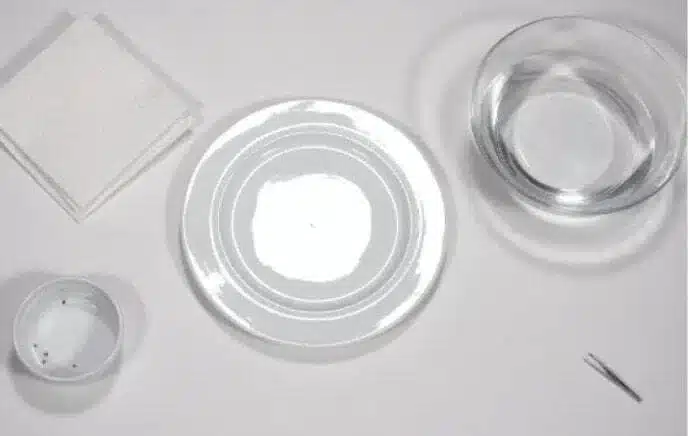
Gather these items before beginning the germination process: purified or bottled water at room temperature, sterilized tweezers, paper towels, seeds, and two opaque porcelain plates or a casserole dish. Avoid handling the seeds directly with your hands. If sterile tweezers are not available, medical gloves can be used as an alternative.
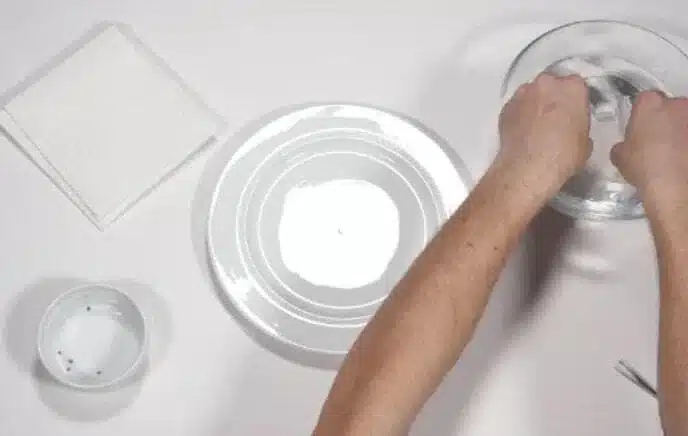
Dampen one paper towel and gently squeeze out any excess water. Make sure to use purified or bottled water with a pH level between 5.5 and 7
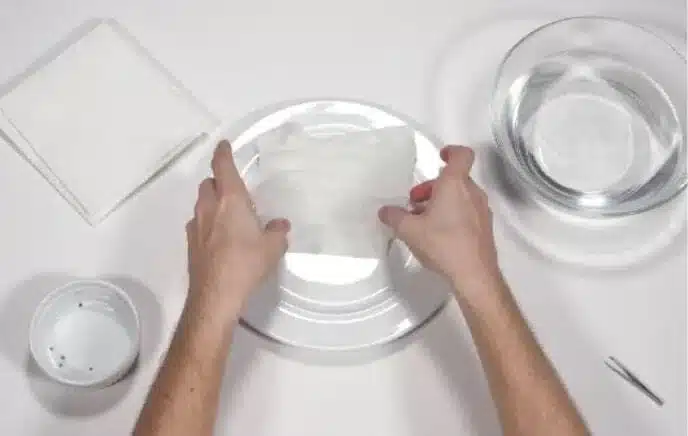
Lay the damp paper towel on the plate or in the casserole dish.
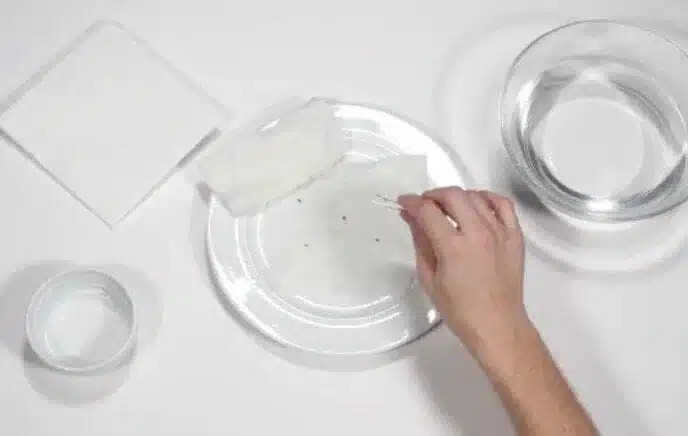
With tweezers, gently place the seeds on the paper towel, spacing them approximately 2 cm (0.7 inches) apart. Handle the seeds delicately to avoid applying too much pressure.
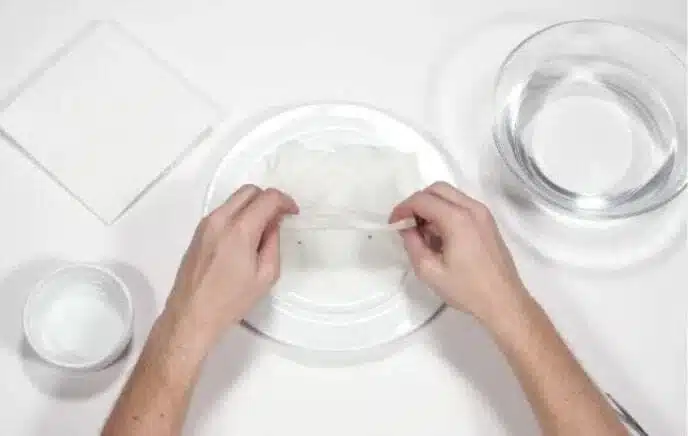
Cover the seeds with the second paper towel and lightly spray it with water to maintain moisture.
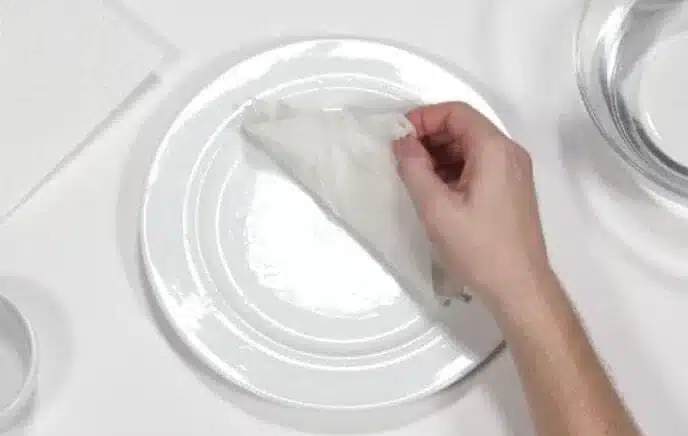
Ensure no stagnant water remains by lifting the paper towel and allowing any excess to drain.
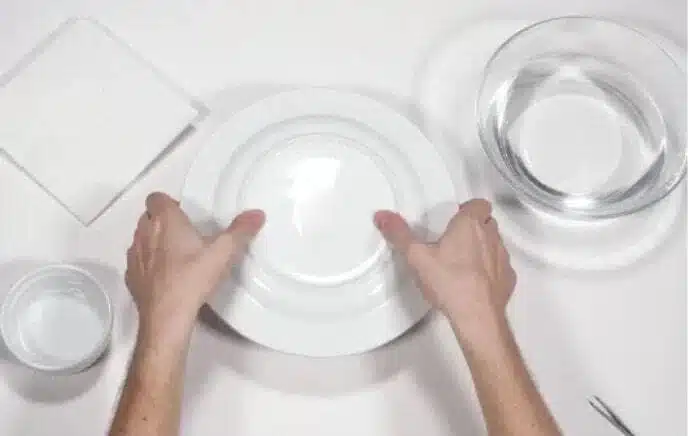
Place another plate on top or cover the casserole dish with a lid, then store it in a warm, dark place, like a cupboard or drawer. Ensure the seeds remain in a stable environment, avoiding any temperature fluctuations.
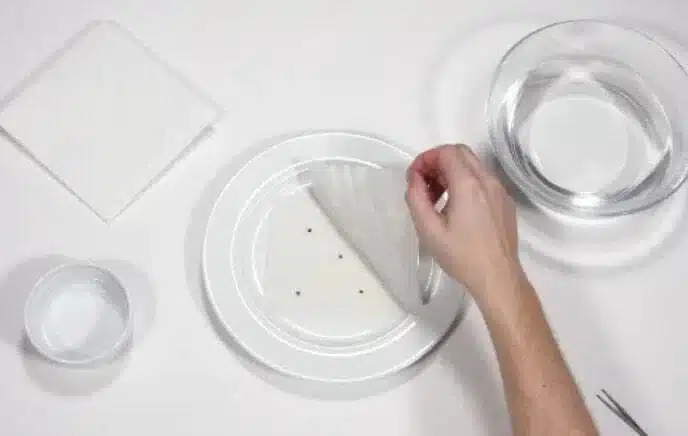
The process may take between 24 and 120 hours. Check every 4 to 6 hours to ensure the seeds stay moist, and do not allow the paper towels to dry out. Remember, seeds cannot germinate in stagnant water, so only re-moisten the paper towels by lightly spraying room-temperature water.
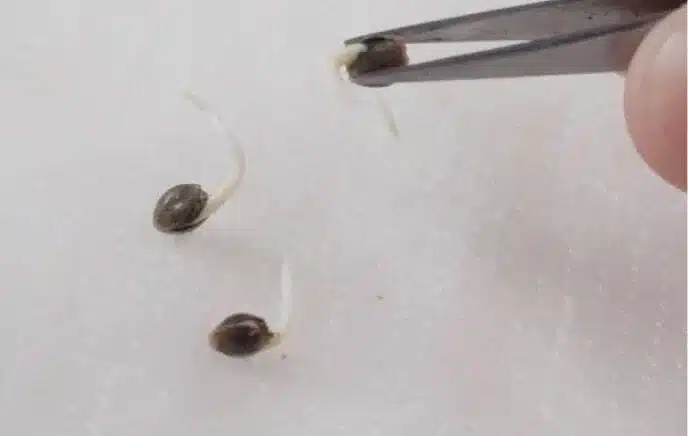
Once the seeds have developed a healthy taproot, they are ready to be planted. Create a hole approximately 0.4–0.7 inches (1–2 cm) deep, placing the seeds with the white root pointing downward and the seed shell facing up. Gently cover the seeds with soil and water around them to keep the soil moist. It may take up to 2 weeks for the plants to sprout.
Troubleshooting Common Issues
Seeds Not Germinating After 7 Days
If seeds show no signs of cracking after a week, they may be old or improperly stored. Try scarification: gently rub the seed between fine sandpaper to thin the shell. Some genetics are naturally slower—give them up to 10 days before considering them non-viable. Ensure temperature has been consistently in the 70-85°F range. Cold temperatures are the most common cause of germination failure. Consider using a seedling heat mat for more precise control.
Mold or Fungus Growth
White fuzzy growth indicates excess moisture and poor air circulation. Remove affected seeds immediately and reduce moisture levels. Add a tiny amount of hydrogen peroxide (3% solution, 1-2 drops) to your water to suppress fungal growth without harming seeds. Prevent mold by ensuring paper towels are damp but never soaking wet, and allow brief air exchange during daily checks. Starting with sterilized materials reduces contamination risks significantly.
Taproot Growing Too Long
If the taproot exceeds 1 inch, it becomes increasingly fragile and difficult to plant without damage. Transplant immediately, being extremely gentle with the elongated root. In future, check more frequently once germination begins. Long taproots are still viable but require extra care. Create a deeper planting hole and carefully guide the taproot downward without forcing or bending it. Water gently after planting to settle soil around the delicate root.
Helmet Head (Shell Won't Come Off)
Sometimes the seed shell remains attached to the seedling after planting, preventing the first leaves from opening. This “helmet head” situation can be helped by gently misting the shell to soften it, then carefully removing it with tweezers. Prevention is key: ensure adequate moisture during germination and plant at the proper depth (1/4 inch). The soil pressure helps naturally remove the shell as the seedling pushes upward. Never force or pull—patience and moisture usually resolve this issue within 48 hours.
Frequently Asked Questions
Got more questions? Here are answers to some of the most common inquiries we receive.
Cannabis seeds usually germinate within 1 to 7 days when kept under optimal conditions (70-85°F, consistent moisture, darkness). However, some older or more resilient seeds might take up to 10 days. Don’t lose hope too early!
First, double-check your temperature and moisture conditions. If conditions are right and there’s still no taproot after 7 days, consider gentle scarification. You can find more detailed solutions and tips in our “Troubleshooting Common Issues” section.
Transplant your seeds as soon as the taproot emerges and is approximately 1/4 to 1/2 inch long. Delaying too long can lead to an elongated, fragile taproot that’s prone to damage during transfer, impacting healthy establishment.
We strongly advise against reusing paper towels. Fresh, sterile paper towels for each batch prevent the introduction of bacteria, mold, or fungi that can quickly compromise your delicate seeds and lead to germination failure.