
For many first-time growers, the seedling stage can seem daunting. But fear not, this rookie guide 3 steps to master the seedling stage will equip you with the skills you need. We’ve broken it down into simple steps so that anyone can understand and succeed.
Our focus is on practical advice that you can apply immediately. Whether you’re just starting or looking to improve your technique, this step-by-step seedling care guide for rookies will set you on the right path.
Recommended Strains
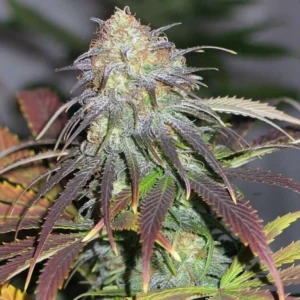
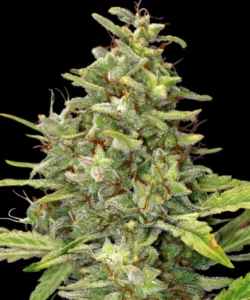
California Orange

|
THC | 18% - 19% (Medium) |

|
Lineage | Orange bud |

|
Type | Feminized |

|
Height | 5.25 ft | 1.6 m |

|
Yield | Medium |

|
Yield Indoor | 1.31 - 1.47 oz/ft² | 400 - 450 g/m² |

|
Flowering Time | 8 - 10 weeks |

|
Phenotype | 50% Indica / 50% Sativa |

|
Effects | Powerful, Talkative, Happy |

|
Flavors | Citrus, Orange, Lime |

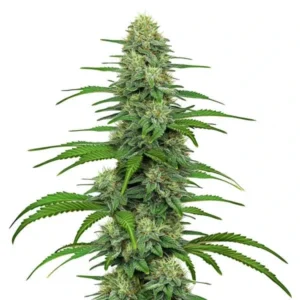
Critical Kush Strain
|
|
THC | 20% - 21% (Medium) |
|
|
Lineage | Critical x OG Kush |
|
|
Type | Feminized |
|
|
Height | 4.59 ft | 1.4 m |
|
|
Yield | High |
|
|
Yield Indoor | 1.64 - 1.8 oz/ft² | 500 - 550 g/m² |

|
Yield Outdoor | 17.64 - 19.4 oz/plant | 500 - 550 g/plant |
|
|
Flowering Time | 8 - 10 weeks |
|
|
Phenotype | 80% Indica / 20% Sativa |
|
|
Effects | Relaxed, Powerful |
|
|
Flavors | Earthy, Fruity, Pine, Pungent |
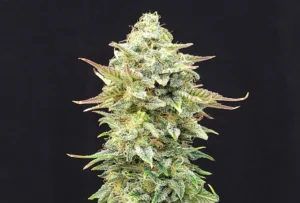
Choosing the right cannabis strains is crucial. Consider options like OG Kush, White Widow, or Purple Haze from Global Green Genetics. These strains are known for their resilience and are perfect for beginners.
Step 1: Selecting the Right Seeds
The journey begins with selecting high-quality seeds. This is the foundation of your growing success. Look for seeds from reputable sources like Global Green Genetics to ensure you get the best start.
Consider strains that are beginner-friendly. For example, OG Kush is known for its hardiness and forgiving nature, making it ideal for those new to growing. Similarly, White Widow offers a robust growth pattern that’s suited to less experienced hands.
When diving into the world of cannabis cultivation, understanding how to master seedling stage in 3 steps is essential for a successful harvest. This rookie guide to nurturing seedlings effectively emphasizes the importance of starting with the right seeds to give you the best chance of success.
Another key aspect is understanding the genetics of the seeds you choose. Some strains have been bred specifically for certain climates or conditions, which can significantly improve your chances of success. Researching and selecting seeds that match your growing environment can be a game-changer.
Identifying Quality Seeds
Good seeds are typically dark brown or black, with a hard shell. Avoid seeds that are green or pale as they may not be mature enough to germinate effectively. A simple test is to gently squeeze the seed; it should not crack easily.
Once you have your seeds, store them in a cool, dark place until you’re ready to plant. This helps maintain their viability. Many seasoned growers swear by using airtight containers to keep them fresh.
When identifying quality seeds, patience and attention to detail are your best allies. With the right approach, you can ensure that your seeds are ready to produce healthy seedlings. This is a critical part of mastering seedling stage for beginners and sets the stage for future growth.
Utilizing beginner tips for seedling stage mastery can ensure you’re off to a great start. By focusing on seed quality and proper storage, you’re laying a solid foundation for the growth journey ahead.
Step 2: Optimal Germination Conditions
Now that you have your seeds, the next step is germination. This is where your seeds sprout and begin their journey to becoming healthy plants. The conditions need to be just right to encourage growth.
Light, temperature, and moisture are your biggest allies here. Aim for a warm environment, ideally around 70-85°F, and ensure your seeds have access to moisture without being waterlogged.
Creating the right germination environment is a pivotal part of the rookie guide 3 steps to master the seedling stage. The balance of warmth and moisture is crucial for spurring your seeds into life, setting the stage for robust seedlings.
Consistency is key during this stage. Any fluctuations in temperature or moisture can hinder the germination process. By maintaining a stable environment, you optimize the conditions for your seeds to flourish.

Methods of Germination
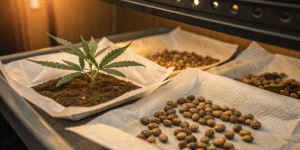
There are several ways to germinate your seeds. The paper towel method is popular among rookies. Simply place your seeds between moist paper towels, then place them in a warm spot.
Alternatively, you can plant seeds directly in soil, making sure the soil is moist and kept in a warm area. This method mimics natural conditions closely and is another excellent option for beginners.
Experimenting with different germination methods can help you find what works best for you. Being open to trying various techniques is part of the learning process in the rookie guide to nurturing seedlings effectively.
Regardless of the method you choose, remember that patience and careful monitoring are essential. This step in the step-by-step seedling care guide for rookies ensures you set a strong foundation for further growth.
Step 3: Creating the Perfect Environment
Once your seedlings emerge, the next step is creating an ideal environment for them to thrive. This involves managing light, temperature, and humidity levels carefully.
Young seedlings require plenty of light. If growing indoors, consider using LED grow lights. Place lights close to the seedlings, but not so close that they cause heat stress.
Crafting the perfect environment for your seedlings is a crucial component of how to master seedling stage in 3 steps. Balancing light and temperature can significantly impact the growth and health of your young plants.
In addition to light and temperature, consider the air circulation in your growing space. Good airflow prevents the buildup of mold and pests, which can be detrimental to seedlings. A small fan can help maintain a gentle breeze, replicating outdoor conditions.
Maintaining Temperature and Humidity
Keep the temperature consistent, ideally between 70-80°F. Fluctuations can stress young plants, which can hinder their growth. Using a thermometer will help you monitor and maintain the right conditions.
Humidity is also crucial. Aim for a level of 60-70% during the seedling stage. This can be achieved using a humidity dome or misting the plants lightly. Just ensure there’s good airflow to prevent mold.
Monitoring and maintaining the right temperature and humidity levels is an ongoing task in the journey of mastering seedling stage for beginners. Consistent care and observation will keep your seedlings happy and healthy.
By integrating these beginner tips for seedling stage mastery, you’ll provide your plants with an environment where they can thrive. This attention to detail is what separates successful growers from the rest.
FAQs
What are the best cannabis strains for beginners?
For beginners, strains like OG Kush, White Widow, and Purple Haze are excellent choices. OG Kush is known for its resilience and ability to handle beginner mistakes. White Widow offers a robust growth pattern and is equally forgiving.
Purple Haze is another fantastic option, offering a balance of ease and high yield. These strains are available through Global Green Genetics, making them accessible and reliable for those just starting out.
Choosing the right strain is an integral part of the rookie guide 3 steps to master the seedling stage. By selecting beginner-friendly strains, you give yourself the best chance of success right from the start.
Exploring different strains also allows you to learn about the diverse characteristics of cannabis plants. Each strain offers unique growth patterns and challenges, providing valuable insights for your growing journey.
How do I know if my seedlings are healthy?
Healthy seedlings will have vibrant green leaves and stand upright. If you notice yellowing or drooping, it could indicate issues with light, water, or nutrients. Adjusting these factors often resolves the problem.
Monitor your seedlings regularly. Early detection of issues like pests or diseases can prevent larger problems down the line. Consistent care is key to nurturing strong and resilient plants.
In the step-by-step seedling care guide for rookies, understanding the signs of healthy seedlings is crucial. Regular observation helps you catch issues early, ensuring your plants continue to thrive.
By maintaining a keen eye on your seedlings’ health, you can quickly adapt to any challenges that arise. This proactive approach is a cornerstone of the rookie guide to nurturing seedlings effectively.
How much light do seedlings need?
Seedlings require plenty of light, typically 16-18 hours a day. This simulates long summer days, encouraging strong and healthy growth. LED grow lights are a great choice for indoor setups.
Ensure lights are positioned correctly. Too far and seedlings will stretch, too close, and they might burn. Adjust the height as your plants grow to maintain optimal conditions.
Lighting is a key factor in how to master seedling stage in 3 steps. Proper lighting not only supports growth but also prevents common issues like stretching, which can weaken plants.
Experiment with light intensity and duration to find the perfect balance for your setup. This experimentation is part of the learning curve and helps refine your growing technique over time.
Why are my seedlings not growing?
If seedlings aren’t growing, it could be due to factors like inadequate light, incorrect temperature, or improper watering. Check each of these aspects to identify potential issues.
Sometimes, the problem is with the seeds themselves. Poor quality seeds can result in slow or stunted growth. Always source your seeds from reputable suppliers like Global Green Genetics.
Troubleshooting growth issues is a common challenge in the rookie guide 3 steps to master the seedling stage. Identifying and addressing these issues promptly can make a significant difference in your outcomes.
Learning from setbacks and applying beginner tips for seedling stage mastery will strengthen your skills as a grower. Each challenge is an opportunity to grow your knowledge and improve your techniques.
How do I water seedlings correctly?
Watering seedlings requires a delicate balance. Overwatering can lead to root rot, while underwatering can cause them to dry out. Aim for moist, but not soggy soil.
Using a spray bottle allows for gentle and even watering. Check the soil frequently; if the top inch is dry, it’s time to water. This method supports healthy, robust growth.
Mastering the art of watering is an essential skill in the rookie guide to nurturing seedlings effectively. Proper watering techniques ensure that your seedlings have the moisture they need without the risk of overwatering.
By incorporating these watering strategies into your routine, you’re honing your ability to provide the best care possible. This attention to detail is what makes the difference in your growing success.