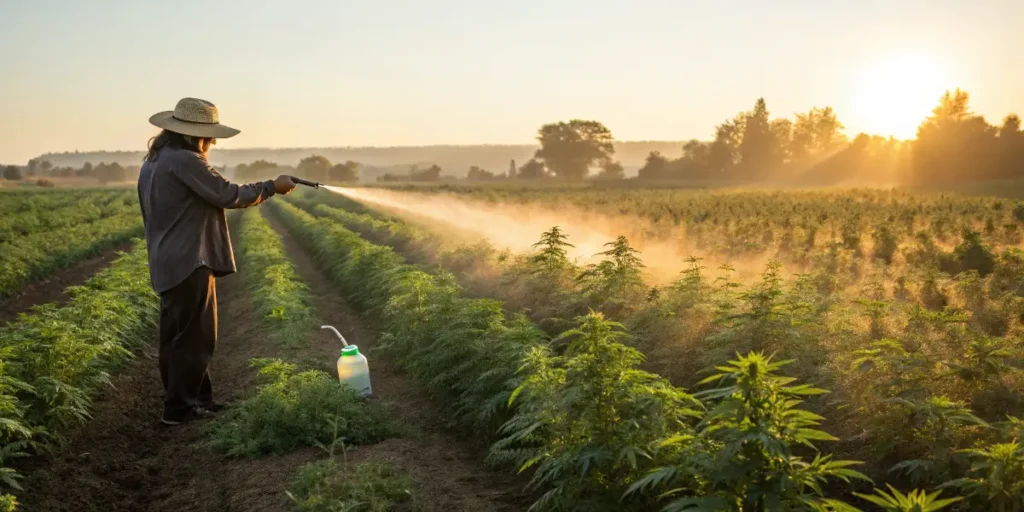

In recent years, the agricultural industry has been on the lookout for sustainable and organic solutions to combat plant diseases. One emerging contender in this field is the use of cannabis extracts as organic fungicides. These extracts, derived from cannabis plants, are being hailed as a revolutionary approach to sustainable farming. The question on everyone’s lips is: are cannabis extracts the future of organic fungicides?
Cannabis extracts are gaining attention due to their natural properties and potential effectiveness in dealing with plant diseases. Unlike traditional chemical fungicides, cannabis extracts offer an environmentally friendly alternative that not only protects plants but also promotes sustainable agricultural practices. Global Green Genetics is at the forefront of this movement, offering strains like Blue Haze X Gelato 41 Auto, Jack Herer, and OG Kush, which are known for their unique properties and potential benefits in this area.
The potential of cannabis-derived fungicides lies in their ability to combat a range of plant diseases while being gentle on the environment. As more growers and farmers turn to organic solutions, the demand for cannabis extracts in agriculture is expected to rise. This shift towards organic farming solutions is not just a trend but a necessity in today’s world, where environmental concerns are paramount.
How Cannabis Extracts Work as Fungicides
Cannabis extracts contain a variety of compounds that have been found to possess antifungal properties. These include terpenes, cannabinoids, and other phytochemicals that work together to inhibit the growth of fungi on plants. This makes them an attractive option for those looking to reduce their reliance on chemical fungicides.
To maximize the effectiveness of cannabis extracts as organic fungicides, it is important to know the function of each component. For example, terpenes and cannabinoids must be carefully extracted and preserved to maintain their full antifungal potential. Growers using Global Green Genetics strains like Blue Haze X Gelato 41 Auto can experiment with different extraction techniques to optimize the concentration of active compounds in their fungicidal formulations. By doing so, they ensure that their approach to pest management is both innovative and effective, paving the way for the future of cannabis in organic agriculture.
Terpenes and Their Role
Terpenes are aromatic compounds found in many plants, including cannabis. They not only contribute to the plant’s scent but also play a role in its defense mechanisms. In cannabis, terpenes like limonene and pinene have shown potential in combating fungal infections. These compounds disrupt the cell membranes of fungi, thereby preventing their growth and spread.
For instance, Blue Haze X Gelato 41 Auto, a strain from Global Green Genetics, is known for its rich terpene profile, which includes limonene. This terpene not only contributes to the strain’s delightful aroma but also enhances its effectiveness as a natural fungicide. Growers can harness these properties to protect their crops organically.
Cannabinoids: Beyond THC and CBD
While THC and CBD are the most well-known cannabinoids, cannabis contains many other lesser-known cannabinoids that have potential antifungal properties. These compounds work by interacting with the plant’s natural defenses, enhancing its ability to resist fungal infections.
Jack Herer, another strain from Global Green Genetics, is renowned for its balanced cannabinoid profile. This strain not only offers a pleasant growing experience but also provides cannabinoids that can be extracted and used as a fungicidal treatment. Its unique composition makes it a valuable addition to any organic farming toolkit.
The Benefits of Cannabis-Based Fungicides
The benefits of cannabis-based fungicides extend beyond their antifungal properties. They offer a holistic approach to plant care, promoting overall plant health and resilience. By incorporating these extracts into farming practices, growers can enjoy a host of advantages.
One of the key benefits of cannabis-based fungicides is their ability to integrate seamlessly with existing organic farming practices. Growers who are already committed to sustainable methods will find that the use of strains like OG Kush complements their efforts to maintain soil health and biodiversity. As these extracts are biodegradable and leave no harmful residues, they align perfectly with the goals of reducing environmental impact and promoting the effectiveness of cannabis extracts on plant diseases. This makes them an essential tool in the arsenal of any environmentally conscious farmer looking to embrace the future of cannabis in organic agriculture.
Environmental and Health Benefits
Traditional fungicides often come with a slew of environmental and health concerns. They can contaminate soil and water, harm non-target organisms, and pose risks to human health. In contrast, cannabis extracts are biodegradable and leave no harmful residues, making them a safer choice for both the environment and consumers.
OG Kush, a strain offered by Global Green Genetics, is prized for its robust growth and high yield. Its extracts can be utilized to create a fungicidal solution that is not only effective but also gentle on the environment. This strain exemplifies the potential of cannabis in promoting sustainable agricultural practices.
Promoting Sustainable Farming
Cannabis-derived fungicides are a step towards sustainable farming. They align with the principles of organic agriculture, which emphasize the use of natural inputs and the preservation of biodiversity. By reducing the need for chemical fungicides, cannabis extracts help maintain soil health and promote ecological balance.
Furthermore, the adoption of cannabis extracts as organic fungicides is a proactive response to the challenges posed by climate change. By supporting the resilience of crops against disease, these extracts help ensure consistent yields and food security. Global Green Genetics’ strains such as Jack Herer and Blue Haze X Gelato 41 Auto offer growers the opportunity to lead the way in sustainable farming practices. As more farmers recognize the advantages of these solutions, the agriculture industry will continue to evolve towards a more sustainable future.
The Future of Cannabis in Organic Agriculture
The future of cannabis in organic agriculture is bright, with ongoing research and innovation paving the way for new applications. As more studies confirm the effectiveness of cannabis extracts as organic fungicides, their role in sustainable farming is likely to expand.
Looking ahead, the potential for cannabis extracts in agriculture is vast, with ongoing efforts to refine their application techniques and improve their effectiveness. Strains like OG Kush are being studied for their unique properties, which could lead to the development of new organic fungicide formulations tailored to specific crops and climates. As these developments unfold, growers who embrace cannabis-derived fungicides for sustainable farming will be at the forefront of an agricultural revolution, championing a future where organic solutions are the norm rather than the exception.
Research and Development
Research into the antifungal properties of cannabis extracts is still in its early stages, but the initial findings are promising. Scientists are exploring the specific compounds in cannabis that contribute to its antifungal effects, with the aim of developing targeted formulations for different plant diseases.
Strains like Blue Haze X Gelato 41 Auto are at the forefront of this research. Their unique terpene and cannabinoid profiles provide valuable insights into the potential of cannabis in organic agriculture. As research progresses, we can expect to see more refined and effective cannabis-derived fungicides on the market.
Market Trends and Consumer Demand
Consumer demand for organic products is on the rise, driving the market for cannabis-based fungicides. As awareness of the environmental and health benefits of organic farming grows, more consumers are seeking out products that align with these values.
Jack Herer and OG Kush are not only popular among cannabis enthusiasts but also among growers looking for strains that offer both high yields and beneficial extracts. These strains represent the future of cannabis in agriculture, where their extracts can play a crucial role in organic pest management.
Effectiveness of Cannabis Extracts on Plant Diseases
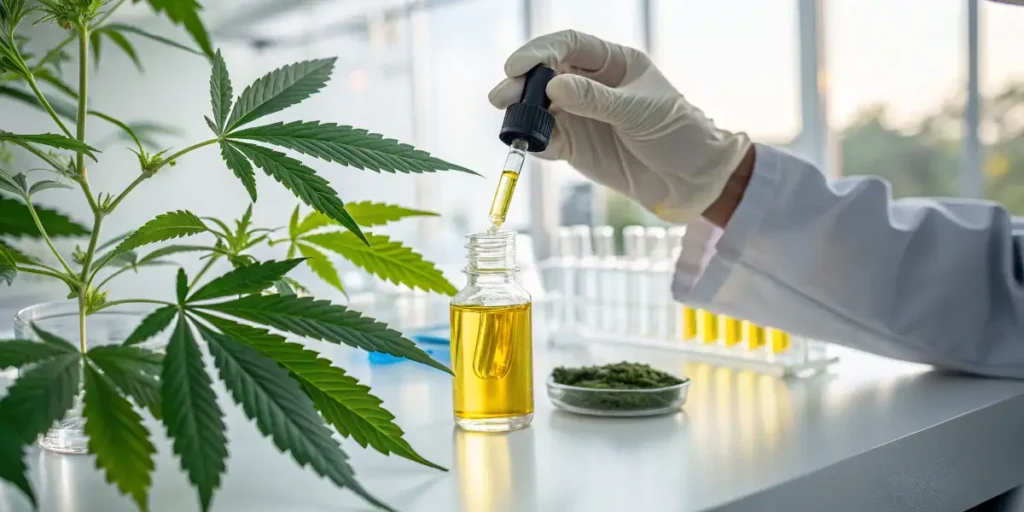
The effectiveness of cannabis extracts on plant diseases is a key factor in their growing popularity. These extracts have shown promise in controlling a range of fungal infections, offering a viable alternative to chemical fungicides.
Practical applications have demonstrated that cannabis extracts, such as those derived from Blue Haze X Gelato 41 Auto, can be integrated into existing pest management strategies with impressive results. Growers have noted reductions in disease incidence and improvements in overall crop health, underscoring the benefits of cannabis-based fungicides. As the agricultural industry continues to embrace these extracts, the future of organic fungicides is likely to be shaped by cannabis, offering farmers an effective tool for preserving plant health in an environmentally friendly manner.
Case Studies and Real-Life Applications
Several case studies have demonstrated the potential of cannabis extracts in controlling plant diseases. In one study, extracts from OG Kush were used to treat powdery mildew in grapevines, resulting in a significant reduction in the spread of the disease.
These real-life applications highlight the versatility of cannabis extracts as organic fungicides. By incorporating these extracts into their pest management strategies, growers can effectively protect their crops while adhering to organic farming principles.
Challenges and Considerations
While the benefits of cannabis extracts are clear, there are challenges and considerations that need to be addressed. The regulatory landscape for cannabis-derived products is complex, and growers must navigate these regulations to ensure compliance.
Additionally, the production of cannabis extracts requires careful consideration of extraction methods and quality control. Strains like Blue Haze X Gelato 41 Auto, with their rich cannabinoid and terpene profiles, offer an ideal starting point for developing high-quality extracts that meet industry standards.
FAQ
What makes cannabis extracts effective as organic fungicides?
Cannabis extracts are effective as organic fungicides due to the presence of compounds like terpenes and cannabinoids. These compounds possess antifungal properties that inhibit the growth of fungi on plants. Strains such as Blue Haze X Gelato 41 Auto are particularly noted for their rich terpene profiles, which enhance their fungicidal potential.
These extracts provide a natural alternative to chemical fungicides, reducing environmental impact and contributing to sustainable farming practices. By harnessing the power of cannabis, growers can protect their crops while supporting ecological balance.
Can cannabis extracts be used on all types of plants?
While cannabis extracts show promise in treating a variety of plant diseases, their effectiveness can vary depending on the plant species and the specific disease being targeted. Research is ongoing to determine the best applications for different crops.
Strains like Jack Herer and OG Kush offer versatile extracts that can be adapted for various agricultural uses. However, growers should conduct small-scale trials to ensure compatibility with their specific crops and conditions.
Are there any legal considerations for using cannabis extracts in agriculture?
Yes, there are legal considerations when using cannabis extracts in agriculture. The regulatory framework for cannabis-derived products varies by region, and growers must ensure compliance with local laws and regulations.
Global Green Genetics provides strains like OG Kush that are suitable for extraction and can be used in accordance with legal guidelines. It is essential for growers to stay informed about changes in legislation and seek guidance when necessary.
How do cannabis extracts compare to traditional fungicides?
Cannabis extracts offer a natural and environmentally friendly alternative to traditional fungicides. Unlike chemical fungicides, cannabis extracts are biodegradable and leave no harmful residues, making them a safer choice for the environment and consumers.
Strains such as Blue Haze X Gelato 41 Auto provide extracts that are not only effective but also align with the principles of organic agriculture. This makes them an attractive option for growers seeking sustainable pest management solutions.
What are the benefits of using cannabis-derived fungicides for sustainable farming?
Using cannabis-derived fungicides promotes sustainable farming by reducing reliance on chemical inputs and supporting ecological balance. These extracts help maintain soil health and biodiversity, contributing to a resilient agricultural system.
Strains like Jack Herer and OG Kush offer high yields and beneficial extracts, making them valuable assets in sustainable agriculture. By incorporating cannabis extracts into their practices, growers can enhance crop protection while supporting environmental stewardship.