


Autoflowers grow fast and don’t forgive heavy feeding, so choosing the best autoflower nutrients is mostly about balance, timing, and avoiding burn. In this guide, you’ll learn what N-P-K ratios work best by stage, how to decide between organic vs. synthetic, which secondary nutrients matter most (like calcium and magnesium), and a simple feeding approach beginners can follow for healthier plants and better yields.
Autoflower cannabis plants are unique. They don’t rely on light cycles to flower, making them perfect for both indoor and outdoor grows. However, they require a specific nutrient balance to thrive. That’s why understanding the best organic nutrients for autoflowering cannabis can significantly boost your yields.
Recommended Strains
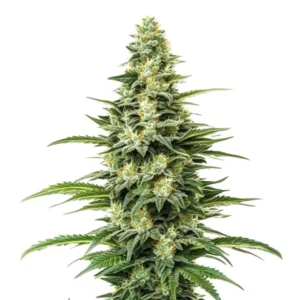
Kyle’s Skywalker Og

|
THC | 20% (Medium) |

|
Lineage | Skywalker x OG |

|
Type | Feminized |

|
Height | 4.92 ft | 1.5 m |

|
Yield | High |

|
Yield Indoor | 1.64 - 1.97 oz/ft² | 500 - 600 g/m² |

|
Yield Outdoor | 24.69 - 28.22 oz/plant | 700 - 800 g/plant |

|
Flowering Time | 8 - 10 weeks |

|
Phenotype | 60% Indica / 40% Sativa |

|
Medical | Arthritis, Insomnia, Pain |

|
Effects | Happy, Relaxed, Talkative |

|
Flavors | Citrus, Diesel, Fruity, Lemon, Pine |

Crystal Meth Auto
|
|
THC | 20% - 21% (Medium) |
|
|
Lineage | Early Skunk x Train Wrek x Ruderalis |
|
|
Type | Autoflowering |
|
|
Height | 3.94 ft | 1.2 m |
|
|
Yield | High |
|
|
Yield Indoor | 1.47 - 1.97 oz/ft² | 450 - 600 g/m² |
|
|
Life Cycle | 9 - 10 weeks |
|
|
Phenotype | 40% Indica / 60% Sativa |
|
|
Effects | Happy, Uplifted, Creative |
|
|
Flavors | Nutty, Pine, Earthy |
Whether you’re a novice just starting with strains like White Widow Autoflower from Global Green Genetics or a seasoned grower experimenting with Northern Lights Autoflower, choosing the top-rated autoflower nutrients for beginners is essential.
Nutrient Basics for Autoflower Cannabis
Autoflowers have different nutritional needs compared to photoperiod cannabis plants. They have a shorter life cycle, which means they need a quicker supply of nutrients. The best nutrients for indoor autoflower grows typically include a balanced mix of nitrogen, phosphorus, and potassium.
High yield nutrients for autoflower plants often emphasize phosphorus and potassium during the flowering stage to enhance bud development. A key tip is to maintain a slightly acidic pH level, usually between 6.0 and 6.5, to ensure your plants can absorb these essential nutrients for autoflower cannabis growth efficiently.
Knowing the nutrient needs during different growth stages is crucial. During the vegetative stage, a higher concentration of nitrogen is beneficial for promoting vigorous leaf and stem development. As the plant transitions into flowering, reducing nitrogen and boosting phosphorus and potassium can lead to more prolific bud formation.
Another critical aspect of the best autoflower nutrients is the inclusion of trace elements. These micronutrients, though required in smaller quantities, play a significant role in enzyme function and plant metabolism. Ensuring your nutrient regimen covers these needs can prevent deficiencies and promote overall plant health.
- Start with a light nutrient mix to avoid nutrient burn.
- Gradually increase nutrient concentration as plants mature.
- Monitor plant response to adjust feeding schedules.
Organic vs. Synthetic Nutrients
The debate between organic and synthetic nutrients is ongoing. Organic nutrients are derived from natural sources and are often seen as the best organic nutrients for autoflowering cannabis. They enhance soil health and are more environmentally friendly.
On the other hand, synthetic nutrients are formulated for precise control over nutrient levels. They can offer quicker results but may require careful monitoring to prevent nutrient burn. For beginners, experimenting with both can help determine what works best for your specific strains, like Blueberry Autoflower from Global Green Genetics.
Organic nutrients often provide a more sustainable approach, enriching the soil with beneficial microbes that aid in nutrient absorption. This natural method can lead to healthier soil ecosystems, which in turn supports robust plant growth. Many growers prefer organic for the enhanced flavors it imparts to the final product.
Synthetic nutrients, meanwhile, allow for exact control over the nutrient profile delivered to the plants. This precision can be advantageous in maximizing the potential of high yield nutrients for autoflower plants, particularly in controlled indoor environments. The choice between organic and synthetic often comes down to personal preference and the specific goals of your grow.
Ultimately, the choice between organic and synthetic nutrients depends on your growing environment and personal preference. Many growers find success with a hybrid approach, using organic nutrients during the vegetative stage and synthetic during flowering for a high yield.
Autoflower Nutrient Targets by Stage (Quick Cheat Sheet)
| Stage | Main Goal | N-P-K Focus | Cal/Mag | EC/Strength Guidance | Key Tips |
|---|---|---|---|---|---|
| Seedling | Rooting + early growth | Very light / minimal N | Light Cal/Mag if needed | 1/4 strength (start low) | Avoid burn; keep it simple |
| Vegetative | Leaf + structure | Higher Nitrogen (N) | Helpful (common deficiency) | 1/2 strength → adjust | Increase gradually; watch tips |
| Pre-Flower / Stretch | Manage growth + prep buds | Reduce N, raise P/K slightly | Maintain | Moderate strength | Don’t overfeed during stretch |
| Flowering | Bud building | Higher P/K, lower N | Maintain | Moderate → high (only if plant is thriving) | Too much = harsh taste + burn |
| Late Flower | Finish clean | Stable P/K, avoid heavy boosts | Optional | Slightly reduced | Avoid sudden changes |
| Final 7–14 days | Clean finish | Optional flush / minimal feed | Optional | Water only if you flush | Focus on plant signals, not hype |
Essential Nutrients for Autoflower Cannabis Growth
Aside from the primary nutrients of nitrogen, phosphorus, and potassium, autoflowers also need secondary nutrients like calcium and magnesium. These are vital for strong stem and leaf development. Ensuring these are part of your nutrient regimen can make a significant difference in your plant’s health.
Calcium helps with cell wall structure, leading to stronger plants, while magnesium is crucial for photosynthesis. Even the best autoflower nutrients must include these to support robust growth. Incorporating micronutrients like zinc and iron is also beneficial, particularly if you’re aiming for the best nutrients for indoor autoflower grows.
Calcium and magnesium deficiencies are common issues that can hinder growth if not addressed promptly. Calcium deficiency often presents as distorted leaf growth and weakened stems, while magnesium deficiency can cause interveinal chlorosis, where leaves turn yellow between the veins. Both are essential for optimal plant health.
Micronutrients, though needed in trace amounts, are crucial for the complete nutritional profile of your plants. Elements like sulfur and manganese also contribute to the plant’s overall vigor and disease resistance. A well-rounded nutrient mix ensures your autoflowers have everything they need to thrive from seedling to harvest.
- Calcium: Strengthens cell walls and supports growth.
- Magnesium: Essential for chlorophyll production.
- Micronutrients: Zinc and iron enhance overall plant health.
Feeding Schedule Tips
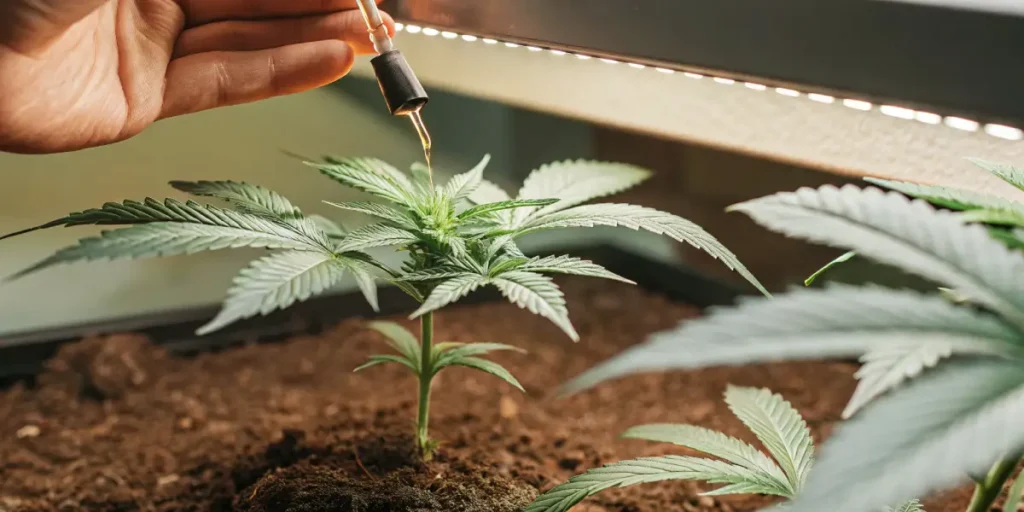
Creating an effective feeding schedule is crucial. Start by introducing nutrients at a lower concentration, then gradually increase as your plants mature. This approach helps prevent nutrient burn, a common issue for autoflower beginners.
Many growers follow a weekly feeding schedule, with a nutrient-free watering session between feedings to flush any salt build-up. Monitoring plant response is key, as different strains like White Widow Autoflower and Northern Lights Autoflower may have varying nutrient needs.
Developing a feeding schedule that aligns with the plant’s growth stages can optimize nutrient uptake. During the seedling stage, a gentle nutrient mix is sufficient, while more robust feeding is required as the plant enters the vegetative and flowering stages. Tailoring your approach can prevent common issues like nutrient lockout.
Flushing the soil with plain water periodically is an effective way to prevent the accumulation of excess salts, which can lead to nutrient burn and other growth problems. This practice also helps reset the nutrient profile, ensuring that your plants can absorb the best autoflower nutrients you provide.
Adjust your feeding schedule based on plant size, growth stage, and environmental conditions. With experience, you’ll find the right balance that maximizes the potential of your autoflowers.
Choosing the Best Autoflower Nutrients
When selecting the best autoflower nutrients, consider products specifically formulated for autoflowers. These typically contain balanced ratios of essential nutrients tailored to the fast growth cycle of autoflowers.
Researching reviews and recommendations from other growers can be invaluable. High yield nutrients for autoflower plants often come highly recommended, as they’re designed to enhance both vegetative and flowering stages.
Understanding the specific requirements of your chosen strains is critical. Some autoflowers may benefit from higher phosphorus levels, while others might require more potassium during the flowering phase. Selecting top-rated autoflower nutrients for beginners can simplify the process and improve results.
Experimenting with different nutrient brands can help you discover which formulations work best for your growing conditions. Keeping a journal to document how your plants respond to various products can offer insights into optimizing your nutrient regimen for future grows.
Experimentation is part of the journey. Trying out different nutrient brands and observing how they affect your strains from Global Green Genetics can lead to discovering the perfect mix for your grow setup.

FAQ
What are the best organic nutrients for autoflowering cannabis?
Organic nutrients are derived from natural sources like compost, bone meal, and fish emulsion. These are often considered the best organic nutrients for autoflowering cannabis because they improve soil structure and promote a healthy microbiome. Organic options are particularly beneficial for outdoor grows where soil health is paramount.
Using organic nutrients, growers can achieve a more natural taste and aroma profile in their cannabis. While they may work a bit slower than synthetic counterparts, their long-term benefits to plant health and the environment make them a preferred choice for many.
Organic growing practices also contribute to environmental sustainability by reducing chemical runoff and promoting biodiversity. The slow release of nutrients from organic fertilizers can lead to more stable and resilient plant growth, minimizing the risk of nutrient imbalances.
Incorporating organic nutrients into your regimen can also enhance the microbial life in the soil, which aids in breaking down organic matter and making nutrients more available to plants. This symbiotic relationship benefits the overall health of your autoflowers and can lead to superior quality buds.
How do I avoid nutrient burn in autoflowers?
To prevent nutrient burn, start with a diluted nutrient solution and observe your plants’ reactions. Gradually increase the nutrient concentration as your plants mature. Look for signs of nutrient burn, such as leaf tips turning brown or curling, and adjust your feeding schedule accordingly.
It’s also important to regularly flush your plants with plain water to clear any excess salts from the soil. This practice keeps the nutrient levels balanced and prevents the build-up that can lead to burn, ensuring healthy growth throughout the plant’s lifecycle.
Regular monitoring of plant health and adjusting nutrient levels based on environmental factors can help prevent nutrient burn. Factors such as light intensity, temperature, and humidity can affect how plants absorb and utilize nutrients, necessitating adjustments to your feeding regimen.
Utilizing soil testing kits or electronic meters to gauge pH and nutrient levels can provide valuable insights into the growing conditions. This data-driven approach allows for precise adjustments, ensuring that your plants receive the best autoflower nutrients without the risk of over-fertilization.
Are there specific nutrients for high yield autoflower plants?
Yes, high yield nutrients for autoflower plants often focus on boosting phosphorus and potassium, particularly during the flowering stage. These nutrients promote larger and denser bud development, which is key for achieving high yields.
Many nutrient lines offer specific bloom boosters or flowering enhancers designed to maximize yield. Combining these with a healthy base nutrient regimen and proper environmental control can significantly increase your harvest size.
Utilizing bloom boosters can enhance the flowering stage by providing additional phosphorus and potassium, which are crucial for bud development. These supplements are often used in conjunction with base nutrients to optimize growth and maximize yields.
Incorporating high yield nutrients into your regimen can also improve the density and potency of your flowers. Selecting formulations that cater to the unique growth patterns of autoflowers can lead to substantial improvements in both quality and quantity of your harvest.
Can I use the same nutrients for all cannabis strains?
While some nutrients can work across different cannabis strains, it’s important to tailor your nutrient plan based on specific needs. Every strain, including those from Global Green Genetics like Blueberry Autoflower, may have unique requirements for optimal growth.
Observing your plants and adjusting nutrient levels based on their response is crucial. Some strains may require more nitrogen during the vegetative stage, while others may benefit from higher potassium during flowering. Personalizing your nutrient approach ensures the best results for each strain.
Different strains have varying growth rates and nutrient uptake efficiencies, necessitating adjustments to your feeding schedule. Keeping detailed records of how each strain responds to different nutrient mixes can help refine your approach for future grows.
Testing different nutrient combinations on a small scale before applying them to your entire crop can prevent potential issues. This trial-and-error method is particularly useful for identifying the best nutrients for indoor autoflower grows, where environmental conditions can be closely managed.
What are the best nutrients for indoor autoflower grows?
The best nutrients for indoor autoflower grows often include a balanced mix of macro and micronutrients. Indoor environments allow for greater control, so selecting nutrients that cater to the specific lighting and temperature conditions of your grow space is beneficial.
Look for nutrients that support robust vegetative growth and enhance flowering. Many indoor growers prefer using synthetic nutrients for their precise control, but organic options are also popular for their environmental benefits and impact on flavor and aroma.
Indoor growing offers the advantage of controlling environmental factors such as light cycles, temperature, and humidity, which can directly affect nutrient uptake. Tailoring your nutrient choices to these conditions can maximize growth potential and yield.
Choosing nutrients specifically designed for indoor autoflowers can simplify the growing process. Products formulated to work within the constraints of indoor environments often lead to more consistent results and can be an excellent choice for growers aiming for the best autoflower nutrients.