
Lighting is crucial for cannabis growth. Whether you’re a first-time grower or have years of experience, understanding the best light schedule for cannabis can significantly impact your harvest. With the right light cycle, your plants will thrive, resulting in healthier and more productive growth.
First, let’s look at the cannabis seedling light schedule for beginners. During this phase, cannabis seedlings need plenty of light to get started. A common schedule is 18 hours of light and 6 hours of darkness, often referred to as the 18/6 light cycle. This mimics the long summer days and encourages strong, healthy growth from the start.
Recommended Strains
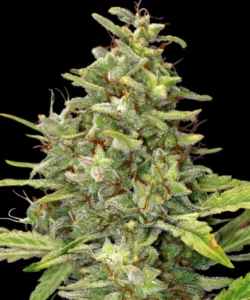
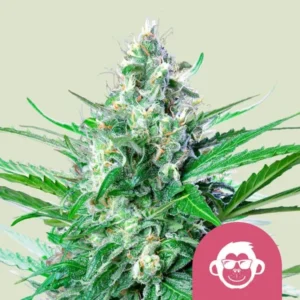
G13 Haze

|
THC | 22% - 23% (Medium) |

|
Lineage | G13 x Hawaiian Sativa |

|
Type | Feminized |

|
Height | 4.43 ft | 1.35 m |

|
Yield | High |

|
Yield Indoor | 1.8 oz/ft² | 550 g/m² |

|
Yield Outdoor | 28.22 oz/plant | 800 g/plant |

|
Flowering Time | 9 - 10 weeks |

|
Phenotype | 20% Indica / 80% Sativa |

|
Effects | Euphoric, Happy, Giggly |

|
Flavors | Pepper, Pine, Herbal |
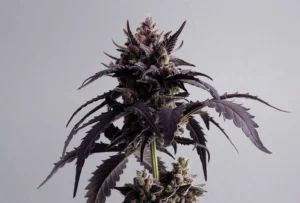
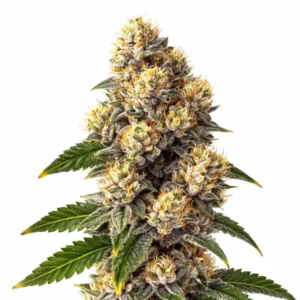
Ginger Punch Auto
|
|
THC | 12% - 14% (Low) |
|
|
Lineage | Ginger-Ale x Ruderalis |
|
|
Type | Autoflowering |
|
|
Height | 5.74 ft | 1.75 m |
|
|
Yield | Medium |
|
|
Yield Indoor | 1.31 oz/ft² | 400 g/m² |
|
|
Yield Outdoor | 7.05 oz/plant | 200 g/plant |
|
|
Life Cycle | 9 - 10 weeks |
|
|
Phenotype | 50% Indica / 50% Sativa |
|
|
Effects | Balanced |
|
|
Flavors | Sweet, Spicy, Floral |
As your cannabis plants grow, adjusting the light schedule for maximum cannabis yield becomes crucial. Different stages require different light cycles, and understanding these can help you optimize your grow. Let’s delve deeper into each stage and what it means for your cannabis plants.
Best Cannabis Light Schedule for Indoor Growing
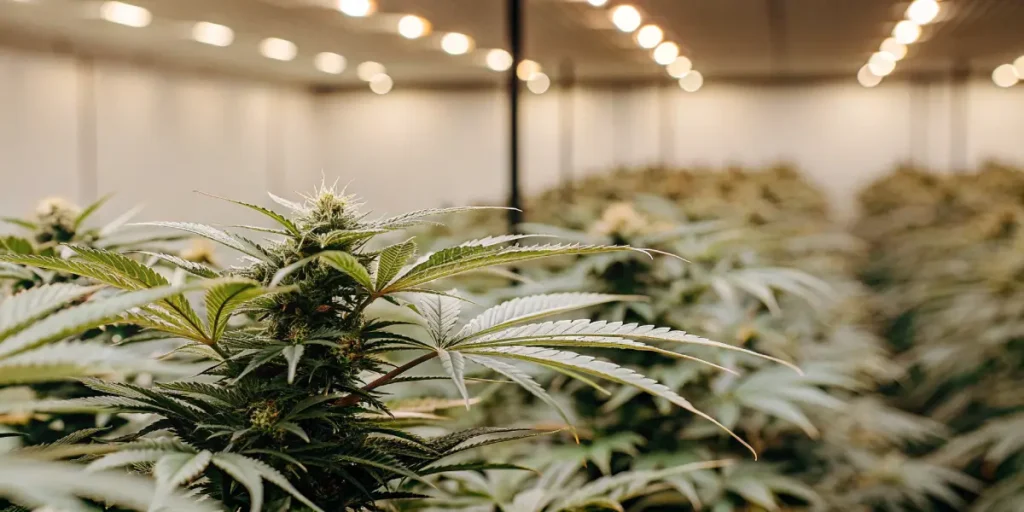
Indoor growing provides more control over the environment, making it easier to implement the best cannabis light schedule. With indoor setups, you can manipulate the light cycle to simulate different seasons, promoting various growth stages of your cannabis plants.
One key advantage of indoor growing is the ability to maintain a consistent light schedule. This consistency is vital for plant health and maximizing yields. As such, sticking to a reliable light cycle is a cornerstone of successful indoor cultivation. Let’s explore the ideal light cycles for different growth stages.
Additionally, the best cannabis light schedule for indoor growing allows growers to avoid environmental stressors like extreme weather conditions or pests. This controlled environment means you can focus on perfecting the light schedule without external disruptions. A well-maintained indoor system can lead to healthier plants and greater production efficiency.
Moreover, indoor growing setups often allow for more experimentation. Growers can test different lighting technologies such as LED, HPS, or CMH to see which best supports their chosen strains. This flexibility, combined with the best light schedule for cannabis, can significantly enhance your overall growing strategy.
Ideal Light Cycle for Cannabis Vegetative Growth
During the vegetative stage, cannabis plants focus on growing leaves and stems. This stage is all about building a strong foundation for the flowering phase. The ideal light cycle for cannabis vegetative growth is typically 18/6. This cycle encourages robust development, mimicking the longer days of summer.
Some growers opt for a 24-hour light cycle during this phase. While it can result in faster growth, the 18/6 light cycle is generally considered more sustainable. It allows the plants to rest, which can lead to healthier long-term growth. The choice depends on your growing goals and the specific strains you’re cultivating.
Understanding the ideal light cycle for cannabis vegetative growth can also help improve nutrient uptake. During this phase, the plants require more nitrogen to support leaf and stem development. Balancing light intensity and nutrient levels ensures the plants have everything they need to thrive.
The vegetative stage is also a great time to experiment with training techniques such as topping or LST (low-stress training). These methods can be more effective when combined with the ideal light cycle, ultimately leading to a more controlled plant shape and increased yield potential.
Optimal Light Schedule for Cannabis Flowering Stage
The flowering stage is where the magic happens. During this phase, cannabis plants need a shift in their light cycle to start producing buds. The optimal light schedule for cannabis flowering stage is typically 12 hours of light followed by 12 hours of darkness, known as the 12/12 cycle.
This change in schedule simulates the shorter days of autumn, triggering the plant to flower. Maintaining complete darkness during the dark period is crucial. Any interruptions can stress the plants and potentially reduce yield. Using blackout curtains or a dedicated grow space can help achieve this.
Implementing the optimal light schedule for cannabis flowering stage not only initiates bud formation but also affects the plant’s resin production. Resin is essential for the potency and flavor of the buds, making this stage critical for quality production. Consistency in the light schedule can enhance resin development, resulting in premium-quality cannabis.
During the flowering stage, it’s also crucial to monitor temperature and humidity levels closely. These factors, in conjunction with the optimal light schedule, influence the plant’s ability to produce dense and aromatic buds. Keeping these conditions stable complements the 12/12 cycle, leading to a successful flowering phase.
Adjusting Light Schedule for Maximum Cannabis Yield
Fine-tuning the light schedule can lead to impressive results. Small adjustments can make a big difference in maximizing your cannabis yield. Every strain has its unique needs, and understanding those can help you adjust accordingly.
For instance, some strains might benefit from a gradual transition between light cycles. Instead of switching abruptly from an 18/6 to a 12/12 cycle, gradually reducing the light hours can ease the plants into the flowering stage. This approach minimizes stress and encourages smoother development.
Adjusting light schedule for maximum cannabis yield also involves paying attention to the plant’s response to light changes. Monitoring plant behavior and health can indicate whether the current light schedule is effective. If plants display signs of light stress, adjustments might be necessary to optimize growth conditions.
Innovative technologies such as smart lighting systems can assist in making precise adjustments. These systems allow growers to automate and control light schedules with ease, ensuring the best light schedule for cannabis is maintained effortlessly throughout the plant’s life cycle.

Practical Tips for Light Schedule Management
Managing your light schedule effectively involves more than just setting timers. Consider the quality of light, as well. High-quality LED lights are a popular choice among indoor growers. They offer the right spectrum and intensity while being energy efficient.
Regularly check your equipment to ensure it’s functioning correctly. Malfunctions can disrupt the light cycle and affect plant growth. Investing in a reliable timer and backup power source can prevent unexpected interruptions.
Another practical tip is to simulate natural light conditions as much as possible. Gradual sunrise and sunset effects can be achieved using dimmable lights, which can help reduce plant stress and contribute to a more natural growing environment.
Maintaining a grow diary can also be beneficial. Documenting light schedules and plant responses helps identify what works best for your specific setup, allowing you to refine and perfect your approach to achieve the best cannabis light schedule for indoor growing.
FAQs
What is the best light schedule for cannabis seedlings?
The best light schedule for cannabis seedlings is typically an 18/6 cycle. This means providing 18 hours of light followed by 6 hours of darkness. This schedule mimics long summer days, encouraging healthy growth in the early stages.
Seedlings need ample light to develop strong roots and stems. Using a gentle, full-spectrum light can support this growth. Avoid placing the lights too close, as seedlings are delicate and can be easily damaged by excessive heat.
A cannabis seedling light schedule for beginners should also consider light intensity. Too much intensity can lead to light burn, while too little can result in leggy growth. Adjusting the distance of lights as seedlings grow can prevent these issues and promote optimal development.
Additionally, maintaining a consistent temperature and humidity level during the seedling phase is crucial. These environmental factors, combined with the right light schedule, create the ideal conditions for seedlings to transition smoothly into the vegetative stage.
How do I transition from vegetative to flowering stage?
Transitioning from the vegetative to the flowering stage involves changing the light cycle from 18/6 to 12/12. This shift signals the plant to start flowering, simulating the shorter days of autumn.
Gradual transitions can help minimize stress. Some growers slowly reduce light hours over a week to prepare the plants. This approach can smooth the transition, leading to healthier flowering and potentially larger yields.
During the transition, monitoring plant response is vital. Look for signs such as pre-flowering pistils, which indicate readiness for the flowering stage. Adjusting the light schedule for maximum cannabis yield means observing these cues and responding appropriately.
Avoid any light disruptions during this transition phase, as inconsistency can confuse the plants and delay flowering. Ensuring a stable environment supports the plants’ adaptation to the new light schedule, enhancing their transition success.
Can I use a 24-hour light cycle for vegetative growth?
Yes, a 24-hour light cycle can be used during vegetative growth. This approach can accelerate growth but may not be sustainable long-term. The lack of a rest period can stress the plants over time.
Most growers prefer the 18/6 cycle as it provides a balance of growth and rest. It allows the plants to recover during the dark period, leading to healthier development. Each grower should consider their goals and the specific needs of their strains.
While the 24-hour cycle might offer faster results initially, it’s important to monitor the plant’s health over time. Signs of stress, such as drooping leaves or yellowing, might indicate the need to revert to a more traditional cycle like 18/6.
The decision to use a 24-hour light cycle can also depend on the strain. Some strains may handle continuous light better than others. Researching your specific strain’s tolerance can inform whether this approach is viable for your grow.
What are common issues with cannabis light schedules?
Common issues with cannabis light schedules include light leaks, inconsistent cycles, and inadequate light quality. These problems can stress the plants, leading to stunted growth or reduced yields.
Ensuring complete darkness during the dark period is crucial, especially in the flowering stage. Checking for light leaks and using quality equipment can mitigate these issues, promoting healthier plant development.
Inconsistent light schedules can confuse the plant’s internal clock, affecting its ability to transition between growth stages. Using automated timers and regularly checking their accuracy can prevent these disruptions and ensure the best light schedule for cannabis is maintained.
Investing in high-quality lighting solutions is also essential. Poor light quality can lead to suboptimal growth and reduced potency. Selecting lights that provide a full spectrum of wavelengths supports all growth stages, enhancing overall plant health and yield.
How does strain choice impact light schedule decisions?
Different strains have unique light requirements, impacting how you set your light schedule. Some are more adaptable to various cycles, while others may need precise conditions to thrive.
Researching specific strains from Global Green Genetics can provide insights into their needs. For instance, Northern Lights is known for its resilience, making it suitable for various light conditions. Tailoring your approach based on strain characteristics can enhance your growing success.
Knowing the genetic background of your chosen strain can also inform light schedule decisions. Indica strains may have different light needs compared to Sativa-dominant strains, affecting how you implement the best light schedule for cannabis.
Experimenting with different strains allows growers to identify which light schedules yield the best results. Keeping detailed records of light schedules and plant outcomes can guide future growing strategies, leading to more predictable and successful harvests.