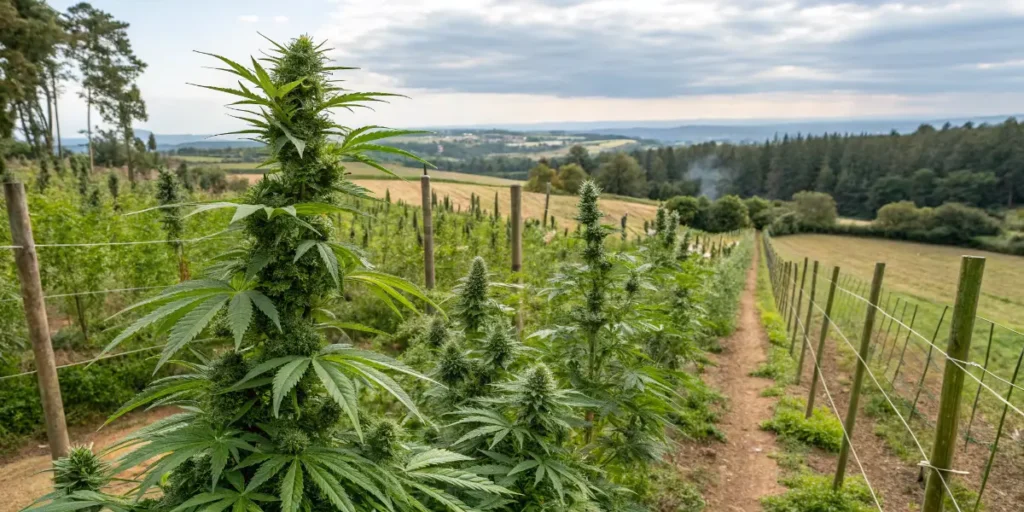

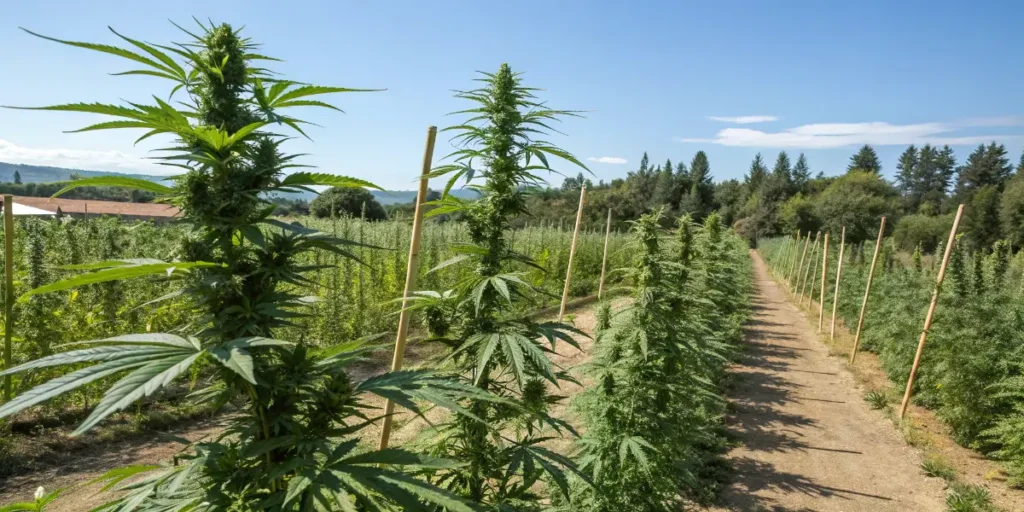
Growing cannabis in cool climates can be a rewarding venture with the right strains. Some strains thrive under cooler conditions, making them perfect for outdoor cultivation in regions with lower temperatures. Choosing the best outdoor mint strains for cool climates involves recognizing the unique characteristics of each strain and how they adapt to chilly environments. Let’s review the top choices from Global Green Genetics that are ideal for these conditions.
Importance of Choosing the Right Strain for Cool Climates
When cultivating cannabis outdoors in cooler climates, selecting an appropriate strain is crucial. The plant’s ability to withstand cold temperatures can significantly impact growth, yield, and potency. Some strains are naturally more adaptable, making them hardy mint strains for outdoor gardens.
Recommended Strains
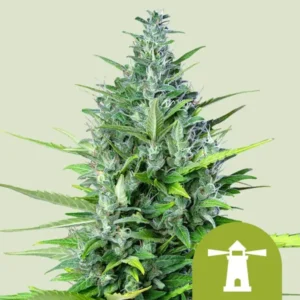
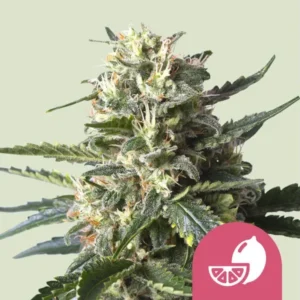
Royal Haze Auto

|
THC | 14% - 15% (Low) |

|
Lineage | Amnesia Haze x Skunk x Ruderalis |

|
Type | Autoflowering |

|
Height | 4.27 ft | 1.3 m |

|
Yield | Low |

|
Yield Indoor | 0.98 - 1.15 oz/ft² | 300 - 350 g/m² |

|
Yield Outdoor | 4.59 - 6.35 oz/plant | 130 - 180 g/plant |

|
Life Cycle | 8 - 9 weeks |

|
Phenotype | 20% Indica / 50% Sativa / 30% Ruderalis |

|
Effects | Focused, Uplifted |

|
Flavors | Citrus, Earthy, Herbal |
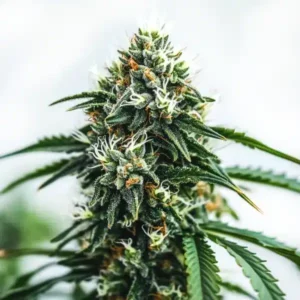
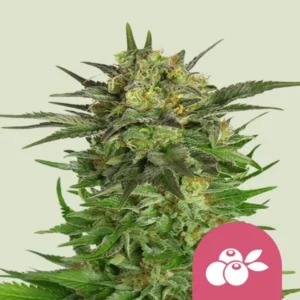
Scrambler Haze
|
|
THC | 30% - 36% (High) |
|
|
Lineage | Cafe Racer x Santa Muerte |
|
|
Type | Feminized |
|
|
Height | 9.84 ft | 3 m |
|
|
Yield | High |
|
|
Yield Indoor | 2.46 - 2.79 oz/ft² | 750 - 850 g/m² |
|
|
Yield Outdoor | 21.16 - 31.75 oz/plant | 600 - 900 g/plant |
|
|
Flowering Time | 10 - 12 weeks |
|
|
Phenotype | 50% Indica / 50% Sativa |

|
Medical | Depression, Pain, Stress |
|
|
Effects | Euphoric, Happy, Relaxed |
|
|
Flavors | Earthy, Fruity, Sweet |
For instance, strains with a shorter flowering period are often better suited for cool climates. This is because they can complete their life cycle before the onset of severe cold. Additionally, strains with a higher tolerance to environmental stressors, such as wind and temperature fluctuations, are advantageous. Considering these factors can help you identify the best mint varieties for cold climates.
Moreover, choosing strains that are naturally resistant to mold and mildew is vital. Cool weather often brings increased moisture, which can lead to these issues. Opting for cold-tolerant mint species for outdoor growth ensures a healthier, more robust cannabis garden.
Additionally, identifying the specific needs of each strain can further enhance their performance in cool climates. For example, Royal Haze Auto benefits from its autoflowering nature, which reduces reliance on specific light cycles, while Scrambler Haze and Shining Silver Haze boast robust growth patterns that can endure temperature fluctuations. Selecting the best outdoor mint strains for cool climates not only maximizes yield but also ensures the plants’ resilience against common environmental challenges.
Top Strains for Cool Climates from Global Green Genetics
Global Green Genetics offers several strains perfect for cool climates. Among these, Royal Haze Auto, Scrambler Haze, and Shining Silver Haze stand out. These strains have been selected for their resilience and adaptability to cooler environments, making them top mint types for cool weather.
Royal Haze Auto is an autoflowering strain that thrives in cooler climates. Its ability to flower automatically means it doesn’t rely on light cycles to start blooming, making it perfect for regions with shorter daylight hours. This strain typically flowers in about 10 weeks, offering a swift turnaround from seed to harvest.
With a THC content of approximately 15%, Royal Haze Auto provides a balanced high that’s not too overwhelming, making it a great choice for both novice and experienced users. Its resilience to mold and pests makes it a hardy option for outdoor gardens in chilly regions.
Scrambler Haze is another excellent choice for those growing in cooler climates. This strain is known for its vigorous growth and ability to withstand lower temperatures. Its flowering period is around 9-10 weeks, which is relatively short and suits the growing season in cooler areas.
With a THC level that can reach up to 18%, Scrambler Haze offers a potent and uplifting high. Its robust nature means it’s less susceptible to common issues like mold, making it ideal for outdoor cultivation in cool climates. This strain is a top contender among mint plants suitable for chilly regions.
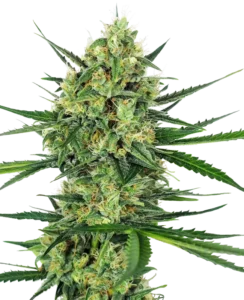
Shining Silver Haze is a classic strain renowned for its resilience and high yield potential. It thrives in cooler climates thanks to its ability to adapt to environmental changes. With a flowering time of about 9-11 weeks, it provides ample opportunity to harvest before the cold sets in.
This strain boasts a high THC content, often exceeding 21%, delivering a strong, cerebral high. Shining Silver Haze’s resistance to pests and diseases makes it a reliable choice for outdoor growers facing the challenges of cool weather. Its adaptability makes it one of the best outdoor mint strains for cool climates.
These three strains from Global Green Genetics not only demonstrate exceptional adaptability but also offer unique benefits that cater to various preferences. Royal Haze Auto’s quick flowering time makes it ideal for growers seeking a rapid harvest, while Scrambler Haze’s potent effects and Shining Silver Haze’s high yield potential cater to those looking for quality and quantity. As top mint types for cool weather, they embody the qualities essential for thriving in less-than-ideal conditions.
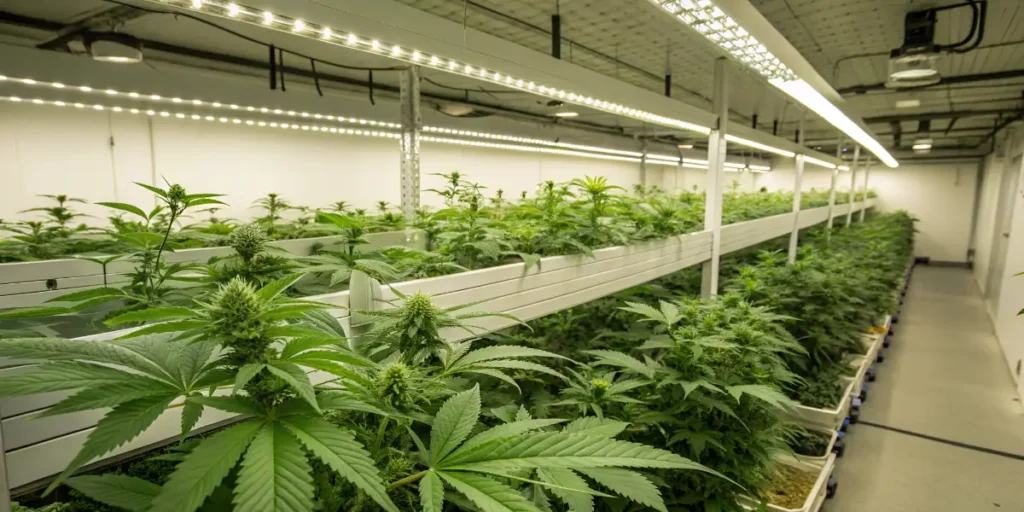
Practical Tips for Growing Cannabis in Cool Climates
Successfully growing cannabis in cool climates requires more than just choosing the right strain. Implementing practical strategies can enhance your garden’s productivity and health. Here are some tips to consider:
Timing Your Planting
Timing is crucial when growing cannabis outdoors. Start your plants indoors early to give them a head start. This approach allows seedlings to develop strong root systems before being exposed to harsher outdoor conditions. Transplant them outside once the risk of frost has passed and temperatures are consistently above freezing.
Monitor local weather patterns and plan your planting around the last frost date. By synchronizing your planting schedule with nature, you can maximize your plants’ growth potential and ensure a successful harvest of the best mint varieties for cold climates.
Soil and Nutrient Management
In cooler climates, using raised beds or containers can help regulate soil temperature and improve drainage. Choose a well-draining soil mix rich in organic matter to support robust plant development. Adding perlite or vermiculite can enhance soil aeration, vital for healthy root growth.
Provide balanced nutrients throughout the growing season, but be cautious of over-fertilizing, which can stress plants and hinder growth. Focus on organic fertilizers that release nutrients slowly, ensuring your plants receive consistent nourishment even in cooler weather.
Alongside careful timing and soil management, selecting the right location for your garden can significantly influence success. Choose a spot with ample sunlight exposure, as even cold-tolerant mint species for outdoor growth benefit from direct sunlight to thrive. Consider windbreaks or natural barriers to protect plants from harsh winds, which can exacerbate temperature stress. These considerations, combined with selecting the best outdoor mint strains for cool climates, can optimize growth conditions and lead to a prosperous harvest.
Maximizing Yield and Quality in Cool Climates
Maximizing yield and quality in cool climates involves combining the right strain selection with effective cultivation techniques. By optimizing environmental conditions and providing appropriate care, you can achieve impressive results even in less-than-ideal weather.
Utilizing Protective Structures
Consider using protective structures such as greenhouses or hoop houses to shield your plants from harsh weather. These structures can help maintain warmer temperatures and protect against wind and rain, creating a more stable environment for growth.
Additionally, using row covers or frost blankets during particularly cold nights can prevent frost damage, ensuring your plants remain healthy and productive. Such measures can significantly enhance the performance of hardy mint strains for outdoor gardens.
Monitoring and Adjusting Environmental Factors
Regularly monitor environmental factors such as temperature, humidity, and light exposure. Investing in a simple weather station can provide valuable data to help you make informed decisions about your garden’s needs. Adjustments, such as altering watering schedules or supplementing natural light, can make a significant difference in plant health and yield.
Ensure your plants receive adequate airflow to reduce the risk of mold and mildew. Pruning and training techniques like topping or LST (low-stress training) can improve air circulation and light penetration, promoting more vigorous growth and higher yields.
Furthermore, integrating water management strategies can bolster plant resilience and enhance yield. Employ drip irrigation systems to provide consistent moisture without over-saturating the soil, which can be crucial in cooler climates. By fine-tuning water delivery and incorporating these methods with the best outdoor mint strains for cool climates, you can achieve a harvest that is both abundant and of superior quality, even amidst the challenges of a cooler growing season.
Frequently Asked Questions
What are the best outdoor mint strains for cool climates?
The best outdoor mint strains for cool climates include Royal Haze Auto, Scrambler Haze, and Shining Silver Haze from Global Green Genetics. These strains are known for their resilience to cooler temperatures and ability to thrive in less-than-ideal conditions, making them ideal for outdoor cultivation in chilly regions.
Each of these strains offers unique benefits, such as shorter flowering times and resistance to common environmental stressors, ensuring a successful harvest even in cooler climates.
How can I protect my cannabis plants from cold weather?
Protecting cannabis plants from cold weather involves using various techniques to create a stable growing environment. Implementing protective structures like greenhouses or hoop houses can help maintain warmer temperatures. Additionally, using row covers during cold nights can prevent frost damage.
Proper soil management, such as using raised beds or containers, can also help regulate soil temperature. By monitoring environmental conditions and adjusting care practices, you can effectively shield your plants from the adverse effects of cold weather.
What should I consider when choosing strains for cool climates?
When choosing strains for cool climates, consider factors such as flowering time, resistance to mold and pests, and adaptability to temperature fluctuations. Strains with shorter flowering periods are advantageous, as they can complete their life cycle before the onset of severe cold.
Additionally, selecting strains with natural resilience to environmental stressors ensures a healthier garden. Opt for strains known for their hardiness and ability to thrive in cooler conditions, like those offered by Global Green Genetics.
Can I start my cannabis plants indoors for outdoor growth?
Yes, starting cannabis plants indoors is a common practice for outdoor growers, especially in cooler climates. This method gives seedlings a head start, allowing them to develop strong root systems before being exposed to harsher conditions.
Begin by germinating seeds indoors and providing them with sufficient light and warmth. Once the risk of frost has passed and temperatures are consistently above freezing, transplant the seedlings outdoors to continue their growth and maximize their yield potential.
How do I prevent mold and mildew in cool climates?
Preventing mold and mildew in cool climates involves maintaining proper airflow and monitoring humidity levels. Techniques such as pruning and training can enhance air circulation around plants, reducing the likelihood of mold development.
Using well-draining soil and avoiding over-watering are also crucial steps in preventing excess moisture buildup. Regularly inspect plants for signs of mold and mildew, and take immediate action if any issues arise to protect your harvest and ensure healthy plant development.