
The Importance of Chromatography in Cannabis Testing
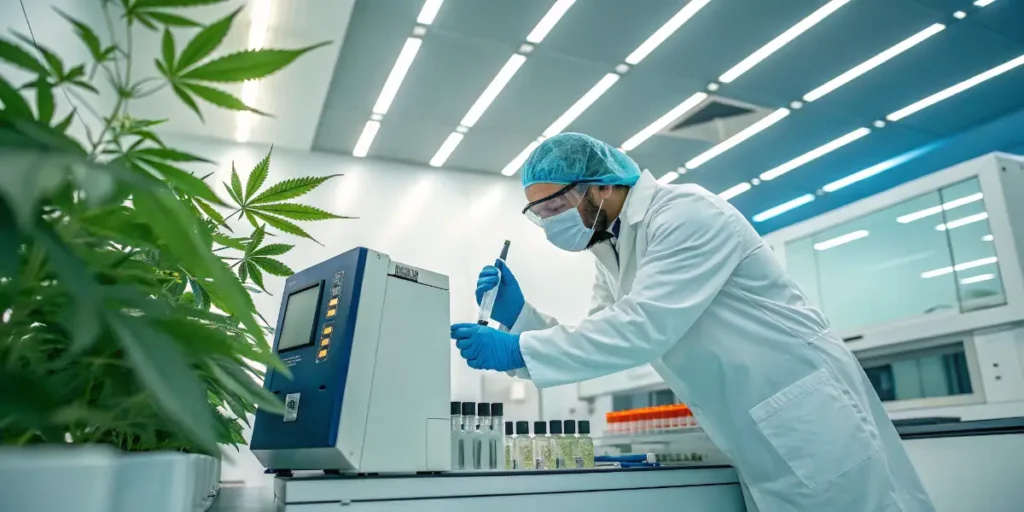
Chromatography plays a critical role in ensuring the quality and safety of cannabis products. By separating and analyzing the different compounds within a cannabis sample, this technique provides valuable insights into the potency and purity of the product. This is particularly important for both medical and recreational users who rely on consistent effects and dosages.
For example, consumers looking to purchase strains such as OG Kush from Global Green Genetics need assurance about its THC levels, which are crucial for its potent effects. Chromatography in cannabis testing offers this level of detail by accurately measuring the cannabinoid content, ensuring that buyers know exactly what they are getting.
Additionally, chromatography methods in marijuana testing are essential for detecting any contaminants, such as pesticides or mold, which could affect the health of consumers. The precision of chromatography ensures that all harmful substances are identified, maintaining the safety standards expected by customers.
Overall, chromatography provides a thorough analysis of cannabis, making it an indispensable tool for growers, testers, and consumers alike.
The incorporation of chromatography in cannabis testing also supports regulatory compliance, as many regions impose strict standards on permissible levels of cannabinoids and contaminants. Using techniques like high-performance liquid chromatography for cannabis, producers can ensure their products meet these legal requirements, avoiding potential legal issues and ensuring product availability in the market. Moreover, this commitment to quality fosters consumer confidence, encouraging repeat purchases and strengthening brand loyalty for companies like Global Green Genetics.
Types of Chromatography Used in Cannabis Testing
High-Performance Liquid Chromatography (HPLC)
High-performance liquid chromatography for cannabis is a widely used method due to its ability to separate, identify, and quantify the various cannabinoids present. This technique is particularly effective for analyzing non-volatile compounds such as CBD and THC, offering precise measurements necessary for cannabis potency analysis using chromatography.
For instance, when testing Northern Lights, a strain known for its balanced THC and CBD levels, HPLC provides accurate data on these cannabinoids, ensuring that the strain meets the desired therapeutic profile for users. The results guide cultivation practices to maintain or enhance these characteristics.
Gas Chromatography (GC)
Gas chromatography in cannabis potency testing is another crucial method, especially for volatile compounds like terpenes. Terpenes contribute significantly to the aroma and flavor of strains, such as GG4, which is prized for its distinctive scent and potent effects.
GC helps in cannabis terpenes analysis with chromatography, giving detailed insights into the terpene profile and concentration of the strain, thereby enhancing its appeal to consumers who seek specific sensory experiences. This information is invaluable for breeders and cultivators aiming to optimize their strains for specific market demands.
While HPLC excels in analyzing cannabinoids, gas chromatography offers an edge in identifying complex terpene profiles due to its ability to handle volatile substances effectively. This makes it an essential tool for producers looking to differentiate strains like GG4 based on their unique aromatic properties. Knowing terpene profiles not only aids in marketing but also in breeding, as growers can selectively propagate plants with desirable traits, thus enhancing the overall quality of the product.
Practical Applications of Chromatography in Cannabis Cultivation
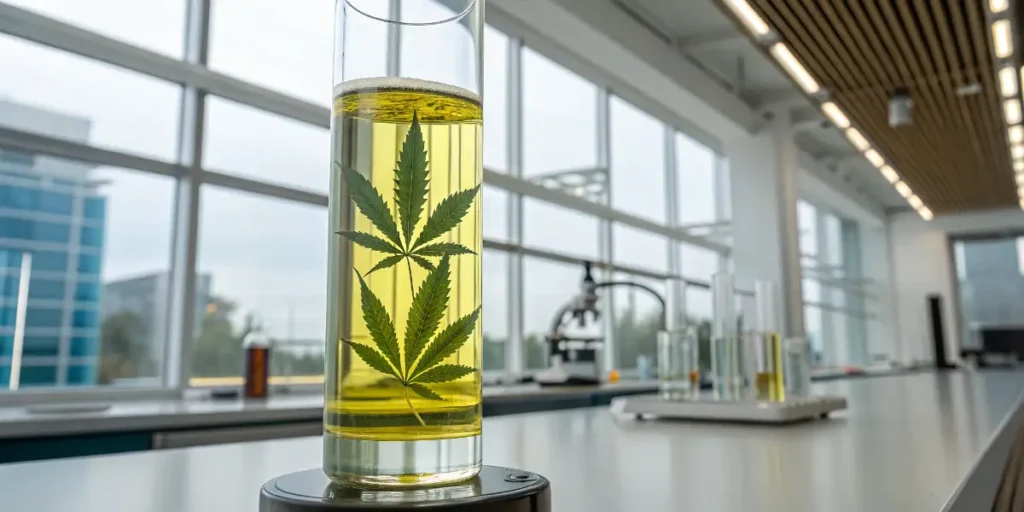
Chromatography methods in marijuana testing extend beyond laboratory settings and have practical applications in cultivation processes. For growers, knowing the chemical makeup of their plants is vital for breeding and developing superior strains.
For example, when cultivating OG Kush, chromatography can help monitor the plant’s cannabinoid levels throughout its growth cycle. By doing so, growers can make informed decisions on harvesting times to maximize potency and yield.
Likewise, for strains like Northern Lights, which are favored for their therapeutic effects, chromatography ensures that the plants maintain their desired CBD and THC ratios. This consistency is crucial for growers targeting the medicinal cannabis market.
Chromatography also aids in identifying any nutrient deficiencies or excesses in the plants, enabling growers to adjust their feeding regimens accordingly, ensuring optimal plant health and productivity.
By integrating chromatography in cannabis testing into their routine practices, cultivators can optimize the environmental conditions and inputs, such as light and nutrients, to enhance the desired traits of their crops. This scientific approach allows for precision agriculture, where data-driven decisions lead to improved quality and consistency of strains like Northern Lights and OG Kush. Such meticulous attention to detail not only boosts yield but also aligns with consumer expectations for premium cannabis products.
Chromatography and Consumer Safety in Cannabis Products
Ensuring consumer safety is one of the primary reasons for employing chromatography in cannabis testing. By accurately detecting and quantifying contaminants, chromatography helps maintain the integrity of cannabis products.
Strains like GG4, known for their high potency, require rigorous testing to ensure they are free from harmful substances such as pesticides or heavy metals. Chromatography provides the precision needed to detect these contaminants at even the smallest concentrations.
The detailed analysis offered by chromatography methods in marijuana testing also extends to ensuring that products contain the advertised levels of THC and CBD. This transparency builds trust with consumers, who rely on accurate labeling for informed purchasing decisions.
Moreover, the use of chromatography in quality control processes helps brands like Global Green Genetics uphold their reputation for delivering premium cannabis strains, driving customer satisfaction and loyalty.
Another key aspect of chromatography in cannabis testing is its role in batch-to-batch consistency, which is critical for consumer safety and satisfaction. By consistently monitoring the chemical composition of products, producers can ensure that each batch of OG Kush or GG4 meets the established quality standards. This consistency not only prevents variability in consumer experience but also helps in maintaining compliance with regulatory standards, which is crucial for the brand’s credibility and market success.
The Future of Chromatography in Cannabis Testing
As the cannabis industry continues to evolve, the demand for more sophisticated testing methods is on the rise. Chromatography is at the forefront of this development, with ongoing advancements enhancing its accuracy and efficiency.
Innovations in chromatography are expected to further streamline the testing process, reducing costs and turnaround times. This is particularly beneficial for large-scale operations producing popular strains such as Northern Lights and OG Kush, where rapid and reliable testing is crucial.
Additionally, the integration of advanced technologies like mass spectrometry with chromatography is set to enhance its capabilities, allowing for even more detailed analyses of cannabis compounds. This will lead to better knowledge and optimization of strains such as GG4, ensuring they meet consumer expectations.
Overall, the future of chromatography in cannabis testing holds great promise for improving product quality, ensuring consumer safety, and supporting the growth of the industry.
As new analytical techniques emerge, the combination of chromatography with cutting-edge technology will likely enable real-time monitoring and in-field testing, transforming the current testing landscape. This adaptability will empower growers and manufacturers to react promptly to any issues, ensuring continuous improvement in the quality of strains like Northern Lights and OG Kush. Such advancements will be critical in a competitive market, where efficiency and product excellence drive consumer choice and loyalty.
FAQ Section
What is chromatography in cannabis testing?
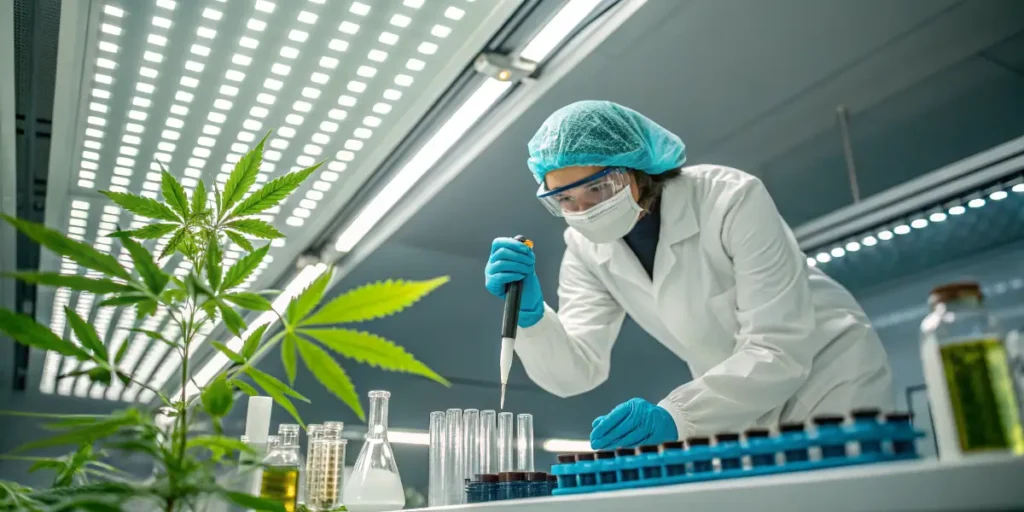
Chromatography in cannabis testing is a technique used to separate and analyze the different compounds within a cannabis sample. It provides detailed information on the levels of cannabinoids, terpenes, and any contaminants present. This ensures that the cannabis products are safe and meet the desired potency and purity standards.
By using chromatography, consumers can be confident in the quality of strains like OG Kush, which require precise cannabinoid profiling to meet market expectations.
How does high-performance liquid chromatography work in cannabis testing?
High-performance liquid chromatography (HPLC) works by passing a liquid sample through a column filled with a solid adsorbent material. Different compounds in the sample move at varying speeds, thus separating them. This method is particularly useful for analyzing non-volatile compounds like THC and CBD.
HPLC is commonly used for cannabis potency analysis using chromatography, providing accurate measurements of cannabinoids in strains such as Northern Lights.
Why is gas chromatography important for terpene analysis?
Gas chromatography is important for terpene analysis because it effectively separates and measures volatile compounds. Terpenes significantly influence the aroma and flavor of cannabis strains.
For strains like GG4, known for their unique scent profile, gas chromatography provides detailed insights into the terpene composition, enhancing its marketability.
What safety benefits does chromatography offer in cannabis testing?
Chromatography offers significant safety benefits by accurately detecting contaminants such as pesticides, mold, and heavy metals. This ensures that cannabis products are safe for consumption and meet regulatory standards.
For example, testing strains like GG4 with chromatography guarantees that they are free from harmful substances, protecting consumer health.
How does chromatography help growers improve cannabis strains?
Chromatography helps growers improve cannabis strains by providing detailed profiles of cannabinoid and terpene content. This information guides breeding decisions and cultivation practices to enhance desired characteristics.
For instance, growers of OG Kush can use chromatography to monitor cannabinoid levels, optimizing harvest times for maximum potency and yield.