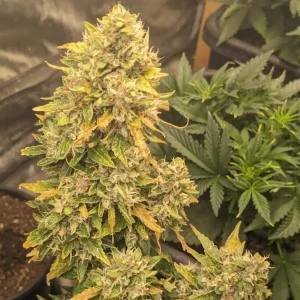


Cannabigerol, commonly known as CBG, is gaining attention among cannabis enthusiasts and researchers alike. But what is cannabigerol (CBG), and why does it matter? CBG is a minor cannabinoid found in cannabis, often overshadowed by its well-known counterparts, THC and CBD. However, CBG plays a critical role in the growth and development of cannabis plants and offers unique benefits that are worth exploring.
CBG is often referred to as the mother of cannabinoids because it is the precursor to THC, CBD, and other cannabinoids. As cannabis plants mature, enzymes convert CBG into these other compounds. This conversion process leaves only a trace amount of CBG in the plant. Despite its scarcity, CBG has sparked interest for its potential therapeutic uses and unique effects on the human body.
For both first-time cannabis seed buyers and seasoned growers, knowing CBG can enhance your cultivation experience. Certain strains have been bred to contain higher levels of CBG, making them an attractive option for those seeking its benefits. At Global Green Genetics, strains like Cookies Gelato, GG #4 Auto, and Runtz Muffin offer diverse profiles that suit different cultivation preferences while providing an opportunity to investigate CBG’s potential.
The Basics of Cannabigerol (CBG)
CBG’s chemical structure and function in the cannabis plant are crucial to grasping its importance. As the non-acidic form of cannabigerolic acid (CBGA), CBG is the starting point for the synthesis of THC, CBD, and CBC. This transformation occurs in the plant’s trichomes, where enzymes break down CBGA into other cannabinoids.
One of the main reasons CBG is less prevalent than other cannabinoids is the plant’s natural conversion process. As the plant matures, most CBGA is converted into THC and CBD, leaving only a small percentage of CBG. However, certain strains have been bred to retain higher levels of CBG by delaying this conversion, offering unique opportunities for growers and consumers.
Besides its role in cannabinoid synthesis, CBG’s presence in the plant may influence its growth patterns and overall resilience. By selecting strains like Cookies Gelato, growers can potentially take advantage of CBG’s contributions to plant health, resulting in more robust plants. This knowledge of CBG’s function within the plant adds another layer of value to its cultivation and use, reinforcing its importance alongside more dominant cannabinoids like CBD and THC.
How CBG Differs from CBD
While both CBG and CBD are non-psychoactive cannabinoids, they interact with the body differently. CBG is believed to bind with cannabinoid receptors in the brain more effectively than CBD, potentially leading to different therapeutic effects. This interaction suggests that CBG might have unique benefits compared to CBD.
Another key difference is their concentration in the plant. CBD is typically found in higher concentrations, whereas CBG is rare. However, advancements in breeding techniques have led to strains with higher CBG content, making it more accessible to consumers seeking its specific effects. For example, the Runtz Muffin strain from Global Green Genetics might offer an intriguing option for those interested in exploring CBG.
Potential Therapeutic Uses of CBG
The potential therapeutic uses of CBG are vast and still being studied. Research suggests that CBG may have anti-inflammatory, analgesic, and antibacterial properties. These effects make it a promising candidate for treating various conditions, such as chronic pain, inflammation, and bacterial infections.
CBG’s unique interaction with the body’s endocannabinoid system may also contribute to its potential benefits for mental health. Some studies suggest that CBG could help alleviate symptoms of anxiety and depression, offering a natural alternative for managing these conditions. The GG #4 Auto strain from Global Green Genetics, with its robust cannabinoid profile, might be a suitable option for those seeking CBG’s therapeutic potential.
Sources of Cannabigerol in Cannabis
CBG is primarily found in young cannabis plants. As the plant matures, CBG levels typically decrease as it converts into other cannabinoids. However, certain strains have been specifically bred to maintain higher levels of CBG throughout their lifecycle.
Strains like Cookies Gelato from Global Green Genetics are known for their potential to retain CBG, making them an excellent choice for growers interested in maximizing CBG content. Selecting the right strain is crucial for those aiming to harness the benefits of CBG.
Knowing the sources of cannabigerol in cannabis also involves recognizing the plant’s genetic makeup and how it influences cannabinoid production. By focusing on strains like GG #4 Auto, which are bred for higher CBG content, growers can effectively cultivate plants that prioritize this cannabinoid. This strategic selection not only enhances the potential therapeutic uses of CBG but also enriches the cultivation process by aligning with specific growth goals and consumer preferences.
Growing Conditions for Maximizing CBG
Optimizing growing conditions is key to maximizing CBG content in your cannabis plants. Factors such as light, temperature, and nutrient levels can all influence cannabinoid production. Providing the right balance of these elements can enhance CBG synthesis in the plant.
Choosing strains like GG #4 Auto, known for its resilience and adaptability, can make cultivation easier for both novice and experienced growers. This strain’s ability to thrive in various conditions makes it a practical choice for those aiming to boost CBG levels.
Harvesting and Processing for CBG
Timing is everything when it comes to harvesting cannabis for maximum CBG content. Harvesting too late can result in most of the CBG being converted into other cannabinoids. Monitoring the plant’s trichomes can provide insights into the optimal harvest time.
Once harvested, proper processing techniques are essential to preserve CBG levels. Careful drying and curing can help maintain the cannabinoid profile, ensuring that the final product retains its CBG content. Global Green Genetics’ Runtz Muffin strain, with its balanced cannabinoid profile, is an excellent example of a strain that benefits from precise harvesting and processing.

The Effects of CBG on the Human Body
CBG’s effects on the human body are still being studied, but early research suggests that it interacts with the endocannabinoid system in unique ways. The endocannabinoid system plays a vital role in regulating various bodily functions, including mood, appetite, and pain perception.
CBG is believed to bind with both CB1 and CB2 receptors, which are part of the endocannabinoid system. This binding may help modulate pain, inflammation, and other physiological responses. Unlike THC, CBG is non-psychoactive, meaning it doesn’t produce the high associated with cannabis use.
Exploring CBG effects on the human body further reveals its potential in addressing specific health concerns. By influencing receptor activity, CBG may play a role in neuroprotection and cell regeneration, offering hope for conditions that affect the nervous system. As research progresses, strains like Runtz Muffin, with its rich cannabinoid profile, could become essential in studies aiming to unlock new benefits of cannabigerol for health, ultimately enhancing our knowledge of how CBG differs from CBD and other cannabinoids.
CBG and Mental Health
CBG’s potential effects on mental health are gaining attention in the scientific community. Preliminary studies suggest that CBG may have anxiolytic and antidepressant properties, making it a promising option for managing anxiety and depression.
By interacting with the brain’s receptors, CBG may help regulate mood and emotional responses. This interaction could make CBG a valuable tool for those seeking natural alternatives for mental well-being. The calming effects of strains like Runtz Muffin from Global Green Genetics may further support CBG’s potential benefits for mental health.
Physical Health Benefits of CBG
Beyond mental health, CBG may offer several physical health benefits. Its anti-inflammatory and analgesic properties make it a potential candidate for managing pain and inflammation. This could be particularly beneficial for individuals with chronic pain conditions.
Additionally, CBG’s antibacterial properties may help combat certain bacterial infections, adding to its therapeutic potential. As research progresses, the full scope of CBG’s health benefits is likely to unfold. Strains like GG #4 Auto, with their diverse cannabinoid profiles, may offer an approachable way to examine CBG’s effects on physical health.

FAQ
What Is Cannabigerol (CBG) and How Does It Differ from CBD?
Cannabigerol (CBG) is a minor cannabinoid found in cannabis, often referred to as the mother of cannabinoids. It acts as a precursor to major cannabinoids like THC and CBD. While both CBG and CBD are non-psychoactive, they differ in their interaction with the body’s endocannabinoid system. CBG is believed to bind more effectively with certain receptors, potentially leading to unique therapeutic benefits.
Unlike CBD, which is more abundant in cannabis, CBG is present in smaller quantities. However, advancements in breeding have led to strains with higher CBG content, allowing consumers to experience its specific effects more readily.
What Are the Potential Therapeutic Uses of CBG?
CBG is being researched for a variety of potential therapeutic uses. Some studies suggest it may have anti-inflammatory, analgesic, and antibacterial properties. These effects make it a promising candidate for managing conditions like chronic pain, inflammation, and bacterial infections.
Additionally, CBG’s potential benefits for mental health, including its anxiolytic and antidepressant properties, are gaining interest. As research continues, the therapeutic uses of CBG may expand, offering new options for natural health solutions.
How Can I Maximize CBG Content in My Cannabis Plants?
Maximizing CBG content in cannabis plants involves selecting the right strains and optimizing growing conditions. Strains like Cookies Gelato and GG #4 Auto from Global Green Genetics are known for their potential CBG content and resilience in various growing conditions.
Proper timing of the harvest is crucial, as harvesting too late can result in the conversion of CBG to other cannabinoids. Monitoring trichomes and ensuring ideal growing conditions can help preserve CBG levels in the final product.
Are There Any Side Effects Associated with CBG?
CBG is generally considered safe and non-psychoactive, meaning it doesn’t produce the high associated with THC. However, as with any cannabinoid, individual responses can vary. Some users may experience mild side effects, such as dry mouth or drowsiness, but these are typically minimal.
As research into CBG continues, knowing its safety profile will become more thorough. It’s always recommended to consult with a healthcare professional before using CBG for therapeutic purposes, especially if you have underlying health conditions or are taking other medications.
What Strains Are Best for Exploring CBG’s Benefits?
For those interested in exploring the benefits of CBG, selecting the right strain is key. Global Green Genetics offers strains like Cookies Gelato, GG #4 Auto, and Runtz Muffin, each with unique characteristics that may enhance CBG’s effects.
These strains are bred to offer balanced cannabinoid profiles, making them suitable for both novice and experienced growers. By choosing strains with higher CBG content, you can better experience its potential therapeutic benefits.