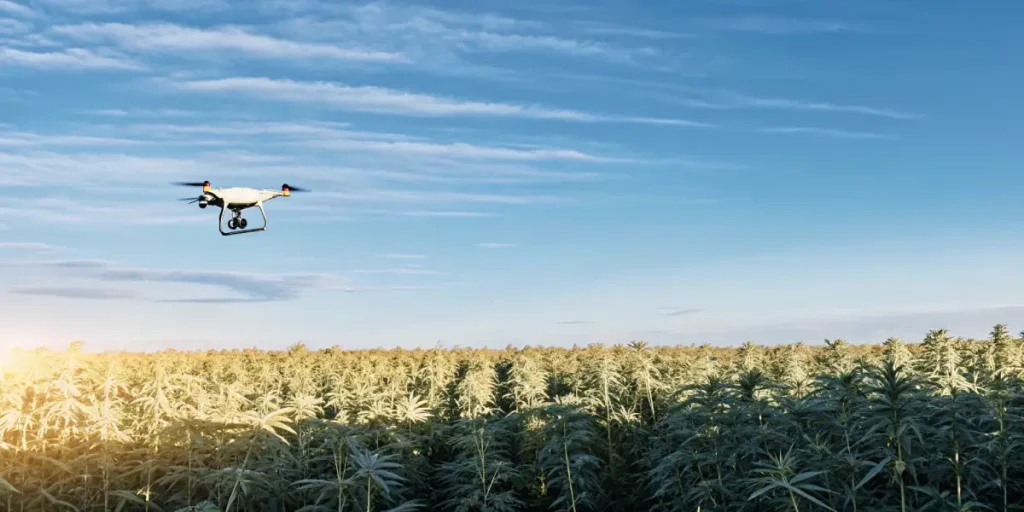

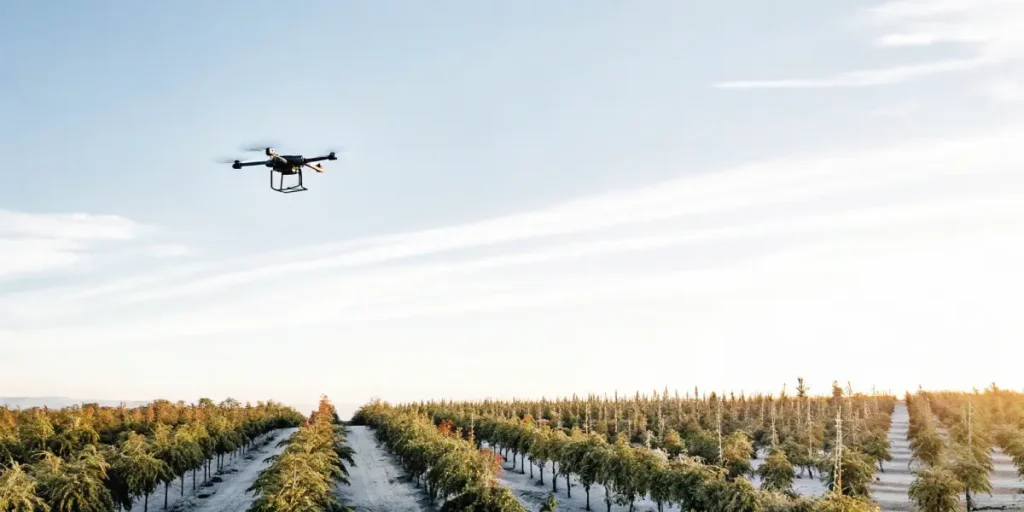
Outdoor cannabis cultivation offers a unique experience and can yield fantastic results. However, many growers now ask: is drone surveillance a problem for outdoor cannabis cultivation? The rise of drones poses new challenges, as tending to your beloved plants while noticing one hovering above can be unsettling, to say the least.
The impact of drones on cannabis farms is multifaceted. These flying machines can capture detailed images and videos, potentially exposing your operation to unwanted attention. Whether you’re cultivating for personal use or a larger enterprise, knowing these risks is crucial.
Recommended Strains
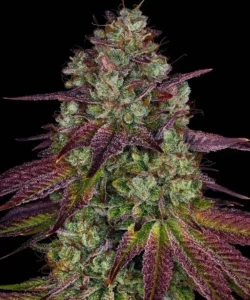
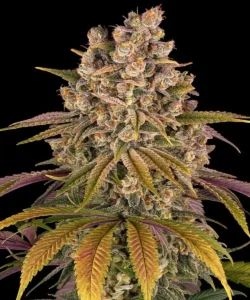
Mimosa Evo

|
THC | 30% - 31% (High) |

|
Lineage | Mimosa x Orange Punch |

|
Type | Feminized |

|
Height | 6.56 ft | 2 m |

|
Yield Outdoor | 70.55 oz/plant | 2000 g/plant |

|
Flowering Time | 9 - 10 weeks |

|
Phenotype | 60% Indica / 40% Sativa |

|
Effects | Happy, Uplifted, Relaxed |

|
Flavors | Fruity, Citrus, Orange |
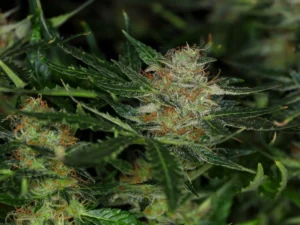
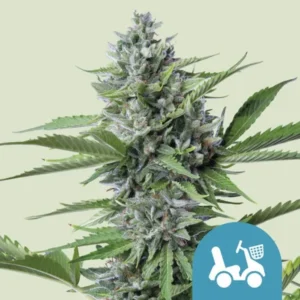
Dream Sherbet Auto
|
|
THC | 18% - 20% (Medium) |
|
|
Lineage | Girl Scout Cookies x Pink Panties x Ruderalis |
|
|
Type | Autoflowering |
|
|
Height | 4.92 ft | 1.5 m |

|
Yield | High |

|
Yield Indoor | 1.64 oz/ft² | 500 g/m² |
|
|
Yield Outdoor | 24.69 - 26.46 oz/plant | 700 - 750 g/plant |
|
|
Life Cycle | 7 - 8 weeks |
|
|
Phenotype | 70% Indica / 30% Sativa |
|
|
Effects | Relaxed |
|
|
Flavors | Sweet, Earthy |
Privacy concerns are at the forefront of this issue. Drone monitoring can infringe on the privacy of growers, leading to a host of legal and security challenges. These concerns are not just hypothetical; they are real and present, affecting growers across the country.
Privacy Concerns and Legal Issues
The question of privacy in cannabis cultivation is not new, but drones bring it to a new level. Drone surveillance impact on cannabis farms can be profound, especially when it comes to privacy. These devices can fly over private property with ease, capturing high-resolution images and videos.
Legal issues surrounding drones and cannabis cultivation are complex. Laws vary by state, and what might be legal in one area could be illegal in another. It’s essential to know the local regulations and how they apply to your cultivation activities.
Knowing privacy concerns outdoor cannabis drone monitoring involves not only knowing where drones can fly but also what data they can collect legally. This distinction can help growers protect their crops while ensuring compliance with regional laws.
Moreover, the intersection of technology and privacy raises ethical questions. While drones can offer valuable insights, their misuse can lead to significant breaches of privacy. This brings up an important issue many growers ask: is drone surveillance a problem for outdoor cannabis cultivation? Staying informed and vigilant is essential to protect crops and ensure compliance with laws.
Protecting Your Cannabis Fields from Drones
Security risks drones pose to marijuana fields are significant. The information gathered by drones can be used for various purposes, some of which may not be in your best interest. Protecting your fields requires a proactive approach.
One practical step is to invest in technology that can detect and even disable unauthorized drones. While this might seem like a high-tech solution, it’s becoming increasingly necessary for growers who want to protect their crops from prying eyes.
Investing in advanced surveillance systems can also help monitor drone activity, providing real-time alerts and evidence of unauthorized access. This proactive defense mechanism can be crucial in safeguarding your cultivation site.
Additionally, collaborating with neighbors to create a community watch for drones can amplify efforts to protect fields. Sharing resources and information can lead to more effective strategies for managing drone threats.
Drone Technology Regulation in the Cannabis Industry
Drone technology regulation in the cannabis industry is evolving. As drones become more common, regulations are being developed to address their use in various sectors, including agriculture. Staying informed about these regulations is essential for any outdoor cannabis grower.
Regulations often focus on airspace control and privacy. Being aware of where drones can legally fly and what they can capture is crucial. This knowledge helps you take appropriate measures to safeguard your cultivation efforts.
New regulations can directly impact how is drone surveillance a problem for outdoor cannabis cultivation, emphasizing the need for compliance. Knowing these evolving laws helps growers adapt their practices to avoid penalties.
Engaging in advocacy for clearer drone laws can also benefit the cannabis industry. By contributing to the conversation, growers can help shape fair regulations that protect both privacy and innovation.
Choosing Cannabis Strains for Outdoor Cultivation
Choosing the right cannabis strain can also play a role in mitigating some of the risks associated with drone surveillance. For instance, strains that blend well with the surrounding environment can make your crop less noticeable from above.
Consider the Blue Dream strain from Global Green Genetics. It’s known for its resilience and ability to thrive in outdoor settings. Its natural look can help it blend seamlessly with other vegetation.
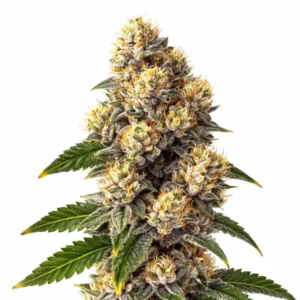
Jealousy is a visually balanced strain that can adapt well to outdoor cultivation when properly managed. Its dense structure and natural coloration help it integrate smoothly into mixed vegetation, making it less conspicuous from above. Beyond its appearance, this strain is appreciated for its well-rounded effects and consistent outdoor performance.
Incorporating strains that naturally blend into the landscape can act as a form of camouflage, reducing the chances of detection by drones. This subtle approach can be a clever line of defense in protecting your crop.
Additionally, experimenting with different planting patterns can enhance the natural concealment of your cannabis plants. Strategic placement can disrupt drone views, offering an added layer of security.
Practical Steps for Growers
Practical steps can be taken to address drone-related challenges. If you’ve ever wondered is drone surveillance a problem for outdoor cannabis cultivation, the first step is to get to know your local laws regarding drone usage. This knowledge empowers you to take legal recourse if necessary.
Installing surveillance systems on your property can provide an extra layer of security. Cameras can help you identify and document unauthorized drone activity, should you need to take action.
Consulting with legal experts familiar with drone laws can provide valuable insights and strategies for protecting your rights. Their expertise can guide you in navigating complex legal landscapes.
Furthermore, staying engaged with local authorities and community groups can keep you updated on any changes in laws or enforcement practices, ensuring your compliance and readiness.
Connecting with the Cannabis Community
Connecting with other growers can also be beneficial. Sharing experiences and strategies can lead to innovative solutions that protect your privacy and crops.
The Northern Lights strain from Global Green Genetics is popular among outdoor growers. Its sturdy growth and resistance to pests make it a reliable choice, especially when combined with community-shared knowledge.
By participating in community forums and meet-ups, growers can exchange tips and strategies, helping each other tackle the challenges posed by drone surveillance. Collective efforts can lead to effective solutions.
Building a strong network of growers also fosters collaboration on broader issues, such as advocating for reasonable drone regulations. A united voice can drive positive change in the industry.
FAQs about is drone surveillance a problem for outdoor cannabis cultivation
What are the main privacy concerns with drone surveillance in cannabis cultivation?
Privacy concerns outdoor cannabis drone monitoring arise from the ability of drones to capture detailed images and videos. This capability can expose the location and size of your cannabis operation, making it vulnerable to theft or unwanted attention. With drones flying over private property, the invasion of privacy is a genuine threat that growers must consider.
Addressing these concerns involves understanding the legal landscape. Laws regarding drone usage vary, and knowing your rights can help protect your privacy. Engaging with legal experts or local authorities can provide clarity on what measures can be taken to safeguard your operation from drone surveillance.
Moreover, the balance between technological advancement and privacy rights is a contentious issue. Advocating for balanced regulations can help protect growers while allowing for innovation in drone technology.
Educating the public and lawmakers about the unique challenges faced by the cannabis industry can also promote understanding and lead to more equitable drone laws.
How do legal issues affect drone surveillance for cannabis growers?
Legal issues drones cannabis cultivation focuses on can vary greatly depending on the jurisdiction. Some areas have strict regulations regarding where drones can fly and what they can capture. Violating these laws can lead to legal challenges for both drone operators and cannabis growers.
For growers, understanding these legal frameworks is crucial. It allows you to operate within the law while also providing avenues for recourse if your privacy is breached. Consulting with legal professionals who specialize in drone and cannabis laws can offer guidance tailored to your situation.
The complexity of these legal issues requires growers to stay informed and proactive. Regularly reviewing legal updates ensures your practices remain compliant and reduces the risk of penalties.
Participating in advocacy groups can also give growers a voice in shaping drone laws, ensuring that regulations are fair and considerate of the cannabis industry’s needs.
What security risks do drones pose to marijuana fields?
Security risks drones impose on marijuana fields are substantial. They can gather information that might lead to theft, vandalism, or legal scrutiny. The ability to capture high-resolution images means that anyone with access to the drone’s data can potentially pinpoint the exact location of your cultivation site.
To mitigate these risks, growers should consider implementing security measures such as surveillance cameras, drone detection technology, and natural barriers. These strategies can deter unauthorized drone activity and protect your valuable crops from external threats.
In addition to physical security measures, fostering community awareness about the risks of drone surveillance can help create a more secure environment. Knowledge sharing can empower growers to take collective action.
Moreover, understanding the motivations behind drone surveillance can inform more effective countermeasures, addressing both immediate threats and long-term security needs.
How can drone technology regulations impact cannabis growers?
Drone technology regulation cannabis industry-wise is a developing area. As regulations become more defined, they can significantly affect how growers operate. Restrictions on airspace and data collection can limit the ability of drones to invade your privacy.
Staying informed about regulatory changes is essential for compliance and protection. Engaging with industry groups and following legislative developments can keep you ahead of the curve, ensuring that your cultivation practices align with current laws.
Regulations not only dictate what drones can do but also provide growers with legal recourse against unauthorized surveillance. Understanding these protections can enhance your security strategy.
Proactively engaging with policymakers can also help ensure that the unique needs of cannabis growers are considered in the development of new drone regulations, promoting fair and effective policies.
What are some effective measures to counteract drone surveillance?
Effective measures against drone surveillance include both technological and natural solutions. Investing in drone detection systems can alert you to the presence of unauthorized drones, giving you the opportunity to respond appropriately.
Natural solutions, such as planting tall trees or using camouflage netting, can obstruct drone views. These measures, combined with a thorough understanding of local drone laws, can help protect your cannabis cultivation site from unwanted surveillance.
In addition to these strategies, continuous education on emerging drone technologies can help growers anticipate new surveillance methods and adapt their defenses accordingly.
Collaborating with technology developers can also lead to innovative solutions that address the specific challenges of drone surveillance in cannabis cultivation, enhancing protection for growers.