

The blooming phase is a magical time in the plant life cycle. It’s when plants showcase their vibrant flowers, attracting pollinators and beautifying gardens. For cannabis growers, this phase offers the promise of rewarding yields.
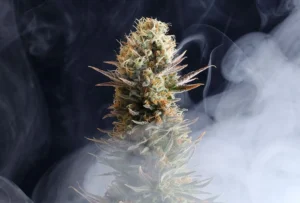
One of the most exciting aspects of this phase is witnessing the transformation. Buds start to swell, colors intensify, and the distinctive aroma becomes more pronounced. It’s crucial to understand this phase to maximize the health and productivity of your plants.
Recommended Strains

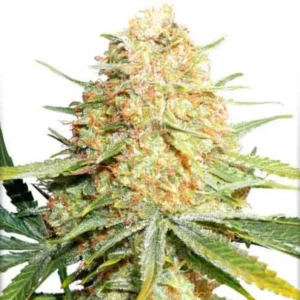
Cheese Strain

|
THC | 22% - 23% (Medium) |

|
Lineage | Skunk x Skunk |

|
Type | Feminized |

|
Height | 5.74 ft | 1.75 m |

|
Yield Outdoor | 31.75 oz/plant | 900 g/plant |

|
Flowering Time | 8 - 9 weeks |

|
Phenotype | 60% Indica / 40% Sativa |

|
Effects | Relaxed, Euphoric, Happy, Powerful |

|
Flavors | Sweet, Pine, Skunk, Cheese |
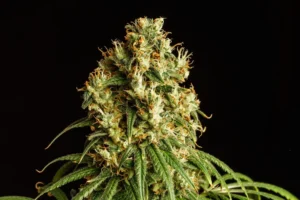
Kaboom Strain
|
|
THC | 20% - 21% (Medium) |
|
|
Lineage | Thai x AK-47 x Afghan |
|
|
Type | Feminized |
|
|
Height | 5.74 ft | 1.75 m |

|
Yield | High |

|
Yield Indoor | 1.64 - 1.8 oz/ft² | 500 - 550 g/m² |
|
|
Yield Outdoor | 28.22 - 29.98 oz/plant | 800 - 850 g/plant |
|
|
Flowering Time | 8 - 9 weeks |
|
|
Phenotype | 45% Indica / 55% Sativa |
|
|
Effects | Energetic |
|
|
Flavors | Sweet, Earthy |
A smooth transition from the vegetative stage to the blooming phase requires careful attention. This includes adjusting light cycles and ensuring optimal nutrient levels. Recognizing these changes helps in providing the best care for your plants.
Factors Affecting the Blooming Phase in Flowers
Several factors influence the blooming phase. Light, temperature, and nutrients all play significant roles. Adjusting these elements can lead to healthier and more abundant blooms.
Light is crucial. Many plants require specific light cycles to trigger blooming. For cannabis, this usually means a shift to 12 hours of light and 12 hours of darkness. Temperature also impacts blooming. Stable temperatures help in preventing stress, which can delay blooming.
Humidity levels are another critical factor affecting the blooming phase in flowers. Too much moisture can lead to mold, while too little can cause plants to dry out. Balancing humidity ensures that plants remain healthy throughout their flowering period.
Soil quality also plays a significant role in the blooming phase. Rich, well-draining soil provides the necessary nutrients and support for plant roots. Amend the soil with organic matter to enhance its structure and nutrient content, promoting vibrant blooms.
Benefits of Extended Blooming Phase
Extending the blooming phase can offer numerous advantages. For one, it increases flower production, resulting in more buds and higher yields. This is particularly beneficial for cannabis growers looking for maximum output.
Longer blooming also enhances the quality of the flowers. Extended time allows for fuller development, richer colors, and more intense aromas. This is true for both cannabis and ornamental flowers like roses.
Another benefit of an extended blooming phase is the extended enjoyment of your garden’s visual appeal. With a prolonged period of flowering, gardeners and visitors can appreciate the beauty and fragrance of flowers over a longer timeframe.
Additionally, an extended blooming phase supports ecological balance by providing a continuous food source for pollinators such as bees and butterflies. This encourages biodiversity and contributes to the health of the ecosystem.
Stages of the Blooming Phase in Roses
Roses, like many flowering plants, go through distinct stages during the blooming phase. Recognizing these stages helps in understanding their needs and optimizing care.
The first stage is bud formation. During this time, buds appear and start to swell. Providing adequate nutrients at this stage is key to healthy development.
Next is the opening stage. Buds begin to open, revealing their colorful petals. This is when roses are most sensitive to environmental changes, requiring careful monitoring.
The third stage is full bloom, where the roses showcase their maximum beauty and fragrance. At this point, maintaining consistent care with proper watering and pest management is crucial to sustaining their health.
The final stage is the wilting phase, where petals begin to fade and drop. Pruning spent flowers encourages new growth and can initiate another cycle of the blooming phase in roses, prolonging their flowering season.

How to Enhance the Blooming Phase in Gardens
Enhancing the blooming phase involves several strategies. Proper pruning, feeding, and watering are all essential. These practices support robust growth and abundant flowering.
Pruning helps by removing dead or overcrowded branches, allowing more light and air to reach the blooms. This practice is particularly beneficial for bushy plants like cannabis and roses.
Feeding with the right nutrients can greatly enhance blooming. High-phosphorus fertilizers are recommended during this phase. They support flower development and increase blooming intensity.
Incorporating mulch into garden beds can help retain soil moisture and regulate temperature, creating an ideal environment for the blooming phase. Mulch also suppresses weeds, reducing competition for nutrients.
Utilizing companion planting techniques can also enhance the blooming phase. Certain plants naturally deter pests and attract beneficial insects, creating a symbiotic environment that promotes healthier blooms.
- Ensure consistent light cycles for your plants.
- Maintain stable temperatures to reduce stress.
- Use high-phosphorus fertilizers to boost blooms.
- Prune regularly to improve air circulation.
- Monitor moisture levels and water appropriately.
Recommended Cannabis Strains from Global Green Genetics
For those looking to experience the blooming phase at its best, consider these strains from Global Green Genetics. Each offers unique characteristics and benefits.
Choosing the right cannabis strain can significantly impact the blooming phase in your garden. Different strains have varying environmental requirements and will respond uniquely to care techniques.
Experimenting with multiple strains can provide insight into which varieties perform best under your specific growing conditions, allowing for more tailored and successful cultivation practices.
Blue Dream
Blue Dream is known for its balanced effects and ease of growth. This strain thrives during the blooming phase, producing large, resinous buds. It’s perfect for both beginners and experienced growers.
During its blooming phase, Blue Dream displays vibrant hues and a sweet berry aroma. Its robust nature makes it a favorite among many cultivators.
Optimal care during this phase will reward you with high yields and quality flowers. Ensure you provide sufficient nutrients and maintain proper light cycles.
Blue Dream’s resilience to common pests and diseases makes it an excellent choice for those looking to extend the blooming phase in plant life cycle without compromising plant health.
The strain’s adaptability to various growing environments, whether indoors or outdoors, contributes to its popularity and success during the blooming phase.
White Widow
White Widow is another top choice. It’s famed for its potent effects and resilience. The blooming phase of White Widow is marked by dense, frosty buds.
This strain adapts well to different growing conditions, making it ideal for various environments. Its ability to withstand stress ensures a successful blooming phase.
Paying attention to its needs during this phase will enhance its iconic white crystal appearance. High-quality blooms are the result of diligent care.
White Widow’s rapid growth during the blooming phase allows growers to quickly achieve substantial yields, making it a lucrative option for commercial cultivation.
The strain’s balanced cannabinoid profile provides a harmonious blend of effects, attracting both recreational and medicinal users alike.
OG Kush
OG Kush is a classic strain that performs exceptionally well during the blooming phase. Known for its strong aroma and powerful effects, it produces impressive flowers.
During the blooming phase, OG Kush requires careful management of light and nutrients. This ensures its flowers develop fully, maximizing yield and potency.
Its unique characteristics make it a popular choice for many growers. Providing optimal conditions will lead to a rewarding harvest.
The strain’s reputation for producing high-quality buds with a distinctive terpene profile makes OG Kush a staple in many growers’ collections.
OG Kush’s flowering period is relatively short, allowing for quicker harvests and the possibility of multiple cycles within a single growing season.

FAQs on the Blooming Phase
What is the blooming phase in cannabis cultivation?
The blooming phase is when cannabis plants form flowers. This is a critical period for growers as it determines the size and quality of the harvest. Proper care during this phase includes adjusting light cycles, feeding, and monitoring environmental conditions.
For first-time growers, understanding the needs of your plants during this phase is crucial. Ensure you provide the right balance of nutrients and maintain optimal growing conditions for the best results.
During the blooming phase, monitoring for pests and diseases that may affect flower development is essential. Early detection and intervention can prevent significant crop damage.
Incorporating natural or organic pest control methods helps maintain a healthy growing environment, reducing stress on the plants and promoting robust blooms.
How can I enhance the blooming phase in my garden?
Enhancing the blooming phase involves several practices. Start by ensuring your plants receive the right nutrients, particularly phosphorus, which supports flowering. Consistent light and water schedules are also important.
Pruning and training can further improve blooming by increasing light exposure and airflow. Regularly check for pests and diseases to prevent any disruptions during this critical phase.
Incorporating beneficial insects, such as ladybugs and predatory mites, can naturally control pest populations, fostering a conducive environment for the blooming phase.
Implementing crop rotation and diversification can also enhance the blooming phase, as it reduces the risk of soil-borne diseases and supports healthier plant growth.
Why is light important during the blooming phase?
Light is essential as it triggers the blooming phase in many plants, including cannabis. A consistent 12-hour light cycle is often needed to initiate flowering. Light also influences bud development and overall plant health.
Adjusting light exposure can accelerate or delay the blooming phase. For optimal results, ensure your plants receive the correct light intensity and duration.
In addition to duration, the quality of light is crucial. Full-spectrum light sources can enhance the blooming phase by providing a balanced range of wavelengths that support photosynthesis and flower development.
Using reflectors and strategically positioning lighting can optimize light distribution, ensuring all parts of the plant receive adequate illumination during the blooming phase.
What are the benefits of an extended blooming phase?
An extended blooming phase can lead to increased yields and better-quality flowers. It allows plants more time to develop, resulting in richer colors and more potent aromas. This is advantageous for both ornamental and cannabis plants.
Additionally, a longer blooming phase can enhance plant health, making them more resilient to pests and diseases. This contributes to a more successful and bountiful harvest.
With an extended blooming phase, gardeners can enjoy a prolonged display of flowers, enhancing the aesthetic appeal of their landscapes and providing a more rewarding gardening experience.
The extended time frame allows for more opportunities to harvest seeds or cuttings, facilitating propagation and the expansion of plant collections.
How do I transition my plants to the blooming phase?
Transitioning plants to the blooming phase involves changing their light schedule. For cannabis, this typically means switching to a 12/12 light cycle. This simulates the natural shift from summer to autumn, signaling plants to flower.
Ensure your plants are healthy and strong before making this transition. Adequate nutrients, proper pruning, and a stable growing environment will support a successful blooming phase.
Gradual adjustments to light and nutrient levels can minimize plant stress during the transition, promoting a smoother and more productive blooming phase.
Monitoring environmental factors such as temperature and humidity during the transition can further support plant health and optimize conditions for the blooming phase.