
When it comes to growing cannabis, knowing the intimate relationship between the plant and its microbiome is crucial. Cannabis endophytes, the microorganisms living inside the weed plant, play a critical role in its health and productivity. These microscopic allies can influence the plant’s growth, resistance to diseases, and even its ability to cope with environmental stress. Whether you’re a first-time seed buyer or an experienced grower, embracing the world of cannabis endophytes can enhance your cultivation success significantly.
Endophytes are not just passive inhabitants; they actively contribute to the cannabis plant’s microbiome, ensuring optimal health and resilience. The symbiotic relationship between endophytes and cannabis is complex, where each microorganism has a specific role. By knowing how these endophytes operate, you can unlock new levels of cultivation efficiency and plant health. This knowledge is particularly useful when growing popular strains like Royal Runtz, known for its high THC levels and sweet flavor profile, making it a favorite among recreational users.
Recommended Strains
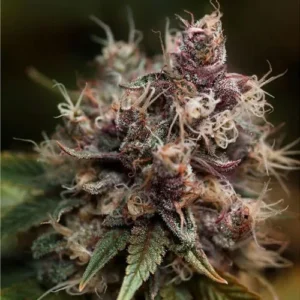
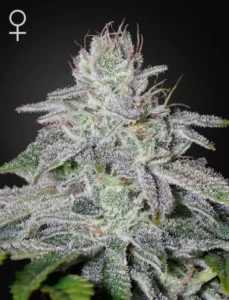
Blueberry

|
THC | 15% - 20% (Medium) |

|
Lineage | 1970's Original Blueberry |

|
Type | Feminized |

|
Height | 4.92 ft | 1.5 m |

|
Yield | High |

|
Yield Indoor | 1.64 oz/ft² | 500 g/m² |

|
Yield Outdoor | 19.4 oz/plant | 550 g/plant |

|
Flowering Time | 9 weeks |

|
Phenotype | 80% Indica / 20% Sativa |

|
Effects | Calming, Happy, Relaxed |

|
Flavors | Berry, Pine, Sweet |
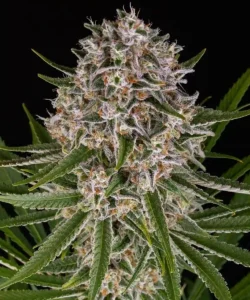
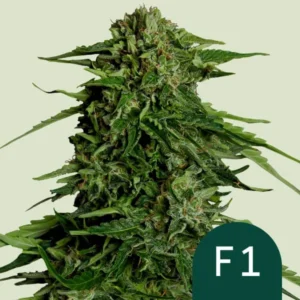
Gmo Auto
|
|
THC | 24% - 25% (High) |
|
|
Lineage | OGM x BF Super Auto #1 |
|
|
Type | Autoflowering |
|
|
Height | 4.27 ft | 1.3 m |
|
|
Yield | High |
|
|
Yield Indoor | 1.64 - 1.97 oz/ft² | 500 - 600 g/m² |
|
|
Yield Outdoor | 7.05 - 10.58 oz/plant | 200 - 300 g/plant |
|
|
Life Cycle | 10 - 11 weeks |
|
|
Phenotype | 80% Indica / 20% Sativa |
|
|
Effects | Euphoric, Uplifted, Relaxed, Focused |
|
|
Flavors | Spicy, Garlic, Diesel, Sweet, Earthy |
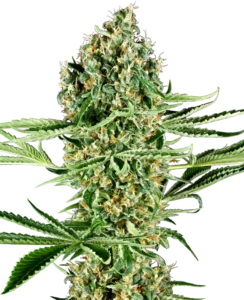
Cannabis plants, much like humans, have a unique microbiome that influences their overall health. The endophytes within this microbiome can affect everything from nutrient uptake to pest resistance. For instance, Jack Herer, a strain renowned for its balanced effects and medicinal properties, benefits greatly from a healthy microbiome that enhances its growth and cannabinoid profile. Cultivating Jack Herer with a focus on its endophytes can result in a more robust plant, capable of delivering its characteristic cerebral high.
The impact of endophytes is also evident in autoflowering strains like Green Gelato Auto. Known for its rapid growth and potent, sweet-tasting buds, this strain thrives when its microbiome is well-managed. By optimizing the endophyte population in Green Gelato Auto, growers can achieve quicker harvests without compromising quality, making it a perfect choice for those who value efficiency and potency.
What Are Cannabis Endophytes?
Endophytes are microorganisms that live within the cannabis plant tissues without causing harm. They include bacteria, fungi, and other microscopic entities that form a symbiotic relationship with the plant. These microorganisms are essential for the plant’s health, acting as unseen guardians that help the plant manage stress, improve nutrient uptake, and fend off diseases.
Recent advances in cannabis plant microbiome research have highlighted the critical role of endophytes in cannabis health, offering new insights into how these microorganisms contribute to plant vitality. By studying the interactions between cannabis and its endophytes, researchers aim to develop sustainable cultivation practices that maximize plant health and productivity. This research is particularly relevant for growers of Royal Runtz, Jack Herer, and Green Gelato Auto, as knowing the specific endophytic relationships within these strains can lead to improved cultivation strategies and increased yields.
Types of Endophytes in Cannabis
Endophytes in cannabis are predominantly comprised of bacteria and fungi. Bacterial endophytes, for example, can enhance nitrogen fixation, making nutrients more available to the plant. This is particularly beneficial for strains like Royal Runtz, which require a nutrient-rich environment to develop their high THC content. Fungal endophytes, on the other hand, often help in increasing the plant’s resistance to pathogens by producing antimicrobial compounds.
The diversity of endophytes in cannabis can vary depending on several factors, including the plant’s genetics, growing conditions, and even the specific strain. Jack Herer, for instance, may host a different set of endophytes compared to Green Gelato Auto, due to its unique genetic makeup and growth requirements. Knowing these differences can help growers tailor their cultivation practices to optimize endophyte benefits.
Benefits of Endophytes in Cannabis Cultivation
By leveraging the power of endophytes, cannabis growers can see significant improvements in plant health and yield. Endophytes contribute to the plant’s ability to absorb nutrients more efficiently, which can lead to faster growth and larger yields. This is particularly important for strains like Green Gelato Auto, where quick growth cycles are desired.
Moreover, endophytes can enhance the plant’s natural defenses against pests and diseases. This biological protection is critical for maintaining healthy plants, especially for strains with long flowering times like Jack Herer. By fostering a robust endophytic community, growers can reduce the need for chemical pesticides, creating a more sustainable and organic cultivation process.
Impact of Endophytes on Cannabis Growth and Yield
Endophytes play a pivotal role in maximizing cannabis growth and yield. By interacting with the plant’s root system, these microorganisms can stimulate root growth and enhance nutrient uptake. This interaction is particularly beneficial for high-yielding strains like Royal Runtz, where maximizing nutrient absorption is key to achieving its full potential.
Besides enhancing growth, the function of endophytes in cannabis health extends to improving the plant’s stress resilience and overall vitality. For growers of strains like Jack Herer, knowing and optimizing the cannabis microbiome and pest resistance can result in healthier plants that are less susceptible to environmental challenges. By integrating this knowledge into cultivation practices, growers can achieve more consistent yields and superior quality crops, further underscoring the importance of cannabis endophytes: the weed plant’s microbiome.
Enhancing Nutrient Uptake
Endophytes facilitate the breakdown and conversion of soil nutrients into forms that are more accessible to the plant. This enhanced nutrient uptake can lead to more vigorous growth and improved plant health. For strains like Green Gelato Auto, which have shorter life cycles, efficient nutrient absorption is crucial for developing dense, resinous buds in a limited timeframe.
Besides nutrient uptake, endophytes can also improve the plant’s water retention capabilities. This is especially useful in arid growing conditions where water is scarce. By optimizing water use, endophytes help maintain plant vitality, ensuring a healthy crop regardless of environmental challenges.
Boosting Pest and Disease Resistance
One of the most significant advantages of endophytes is their ability to bolster the plant’s defenses against pests and diseases. By producing natural antibiotics and antifungal compounds, endophytes can reduce the incidence of infections and infestations. This natural protection is vital for maintaining the health of strains like Jack Herer, which may be more susceptible to common cannabis pests.
Furthermore, endophytes can induce systemic resistance within the plant, priming it to respond more effectively to external threats. This proactive defense mechanism means that plants can fend off attacks before they cause significant damage, ensuring a more resilient crop.

How to Optimize Cannabis Endophytes in Your Grow
To harness the benefits of endophytes, growers must create an environment that supports their growth and activity. This involves managing soil health, using organic amendments, and ensuring optimal growing conditions. By focusing on these areas, growers can cultivate a thriving endophytic community that supports robust plant health.
Practical steps for optimizing endophytes in cannabis cultivation include regular soil testing to monitor nutrient levels and microbial activity. Growers can also consider inoculating their plants with beneficial endophytes to jumpstart the symbiotic relationship. This process is especially beneficial for strains like Royal Runtz and Green Gelato Auto, where maximizing the impact of endophytes on cannabis yield can lead to shorter growth cycles and higher quality buds. Partnering with companies like Global Green Genetics ensures access to high-quality seeds that are primed for endophyte optimization from the start.
Soil Health and Organic Amendments
Healthy soil is the foundation for a thriving endophytic community. Rich, organic soil provides the necessary nutrients and environment for endophytes to flourish. Incorporating organic amendments like compost or worm castings can enhance soil fertility, promoting a diverse microbial ecosystem.
For strains like Royal Runtz, which thrive in nutrient-rich environments, maintaining high soil quality is essential. By using organic amendments, growers can support the endophytes that contribute to the plant’s high THC levels and overall vigor.
Managing Growing Conditions
Environmental factors such as light, temperature, and humidity can influence the activity of endophytes. Ensuring stable and optimal growing conditions allows these microorganisms to perform their functions effectively. For example, controlling humidity levels can prevent the proliferation of harmful pathogens, allowing beneficial endophytes to dominate.
In the case of Green Gelato Auto, maintaining consistent growing conditions is crucial due to its fast growth cycle. By optimizing these variables, growers can ensure that endophytes remain active and beneficial throughout the plant’s development.
Cannabis Strains and Their Unique Endophytic Relationships
Each cannabis strain has its unique microbiome, influenced by its genetic makeup and growing environment. Knowing the specific needs and characteristics of different strains allows growers to tailor their cultivation practices to maximize endophyte benefits.
Incorporating cannabis endophytes: the weed plant’s microbiome into strain-specific cultivation strategies can significantly enhance outcomes. For example, Royal Runtz may require different soil amendments than Jack Herer to optimize its endophytic community. Similarly, Green Gelato Auto’s rapid growth needs may demand more frequent monitoring of environmental conditions to ensure optimal endophyte activity. By focusing on these unique endophytic relationships, growers can elevate their cultivation techniques, resulting in healthier plants and higher yields.
Royal Runtz
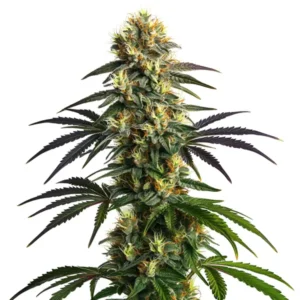
Royal Runtz is a strain known for its high THC content and sweet flavor. It benefits from a diverse endophytic community that enhances its nutrient uptake and stress tolerance. By focusing on optimizing soil health and ensuring proper nutrient availability, growers can enhance the growth and potency of this strain.
The strain’s robust nature makes it ideal for both indoor and outdoor cultivation. With a flowering time of around 8-9 weeks, careful management of its endophytes can lead to a bountiful yield rich in cannabinoids.
Jack Herer
Jack Herer is celebrated for its balanced effects and medicinal properties. Its endophytic relationships are crucial for maintaining its health and enhancing its cannabinoid profile. By fostering a healthy microbial environment, growers can ensure that Jack Herer develops its characteristic cerebral high and therapeutic benefits.
With a relatively long flowering time, managing the plant’s endophytes can aid in disease resistance and nutrient efficiency, ensuring a successful harvest.
Green Gelato Auto
Green Gelato Auto is an autoflowering strain prized for its rapid growth and potent buds. Its endophytic community supports its swift development by enhancing nutrient uptake and stress resilience. Growers can focus on maintaining optimal growing conditions to maximize the benefits of its microbiome.
This strain’s quick flowering time, typically around 8-9 weeks, means that efficient endophyte management is crucial for achieving high-quality yields in a short period.

FAQs
What are cannabis endophytes?
Cannabis endophytes are microorganisms that live within the plant tissues without causing harm. These include bacteria and fungi that form a symbiotic relationship with the cannabis plant. They play a crucial role in enhancing nutrient uptake, improving stress tolerance, and boosting pest and disease resistance. By fostering a healthy endophytic community, growers can improve overall plant health and yield.
How do endophytes benefit cannabis cultivation?
Endophytes benefit cannabis cultivation by enhancing the plant’s ability to absorb nutrients, improving growth rates, and increasing resistance to pests and diseases. They produce natural compounds that help the plant fend off pathogens and can even improve the plant’s tolerance to environmental stressors. This makes them invaluable allies in achieving higher yields and healthier plants.
Can endophytes improve the yield of all cannabis strains?
While endophytes can improve the yield and health of many cannabis strains, their effectiveness may vary depending on the strain and growing conditions. Strains like Royal Runtz, Jack Herer, and Green Gelato Auto can particularly benefit from a well-managed endophytic community. By optimizing endophyte activity, growers can enhance the unique characteristics and yield potential of these strains.
How can I optimize endophytes in my cannabis grow?
To optimize endophytes in your cannabis grow, focus on maintaining healthy soil with rich organic matter and balanced nutrients. Use organic amendments to support microbial diversity and manage environmental factors like light, temperature, and humidity to create optimal growing conditions. By ensuring a supportive environment, you can enhance the activity and benefits of endophytes in your cultivation.
Are endophytes naturally present in all cannabis plants?
Yes, endophytes are naturally present in all cannabis plants, but their composition and abundance can vary based on factors such as genetics, environment, and cultivation practices. By knowing and managing these factors, growers can encourage a beneficial endophytic community that supports plant health and productivity.