
Using honey in cannabis cultivation might sound unconventional, but it’s a method that growers are increasingly adopting. This natural substance is more than a sweet treat; it’s a versatile tool in the garden. Honey offers a range of benefits, from boosting plant growth to acting as a natural rooting agent.
Consider adding honey to your organic cannabis farming techniques. It’s a simple and effective way to support your plants naturally. Whether you’re a novice or have years of experience, honey can enhance your growing process. Let’s delve into how you can integrate honey into your cannabis cultivation practices.
Recommended Strains
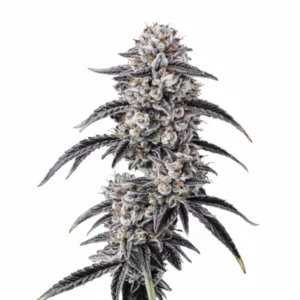
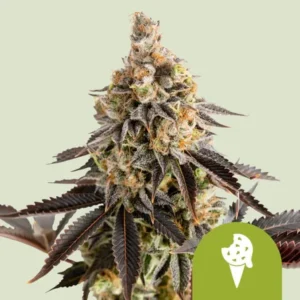
Georgia Pie

|
THC | 20% - 25% (Medium) |

|
Lineage | Gelatti ( Gelato x Biscotti) x Kush Mints |

|
Type | Feminized |

|
Height | 4.92 ft | 1.5 m |

|
Yield | Medium |

|
Yield Indoor | 1.15 - 1.47 oz/ft² | 350 - 450 g/m² |

|
Flowering Time | 8 - 10 weeks |

|
Phenotype | 60% Indica / 40% Sativa |

|
Effects | Euphoric, Powerful, Relaxed |

|
Flavors | Peach, Sweet, Caramel, Apple |
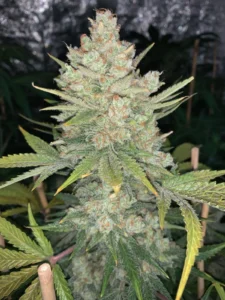
OG Kush Auto
|
|
THC | 23% - 24% (Medium) |
|
|
Lineage | OG Kush x Ruderalis |
|
|
Type | Autoflowering |
|
|
Height | 3.28 ft | 1 m |
|
|
Yield | High |
|
|
Yield Indoor | 1.47 - 1.8 oz/ft² | 450 - 550 g/m² |
|
|
Life Cycle | 9 weeks |
|
|
Phenotype | 80% Indica / 20% Sativa |
|
|
Effects | Powerful, Sedative |
|
|
Flavors | Pine, Herbal, Pepper |
Start with quality seeds from reputable sources like Global Green Genetics. They offer strains like Blue Dream, known for its resilience and productivity. Once you have your seeds, consider how honey can be incorporated at various stages of growth.
Benefits of Honey in Cannabis Cultivation
The benefits of honey in cannabis cultivation are numerous. Honey is rich in nutrients that can promote healthy plant growth. It contains enzymes and sugars that can enhance the soil microbiome, creating an environment where cannabis plants thrive. By improving soil health, honey indirectly boosts plant vitality and yield.
Another advantage is honey’s natural antifungal and antibacterial properties. These characteristics make honey an excellent option for organic cannabis farming techniques. When used correctly, honey can help prevent diseases that might otherwise compromise your cannabis crop. This means fewer chemicals and a healthier, more sustainable growing process.
Additionally, using honey in cannabis cultivation can improve water retention in the soil, ensuring that your plants have consistent access to moisture. This is particularly beneficial in drier climates where water conservation is crucial for successful farming. The benefits of honey in cannabis cultivation extend to enhancing soil structure, reducing erosion, and promoting overall plant resilience.
Honey’s role as a natural growth enhancer cannot be overstated. The carbohydrates present in honey can serve as an energy source for beneficial microbes, fostering a thriving ecosystem around your cannabis plants. This symbiotic relationship boosts plant health and can lead to a more robust and bountiful harvest.
Natural Pest Control with Honey in Cannabis Growing
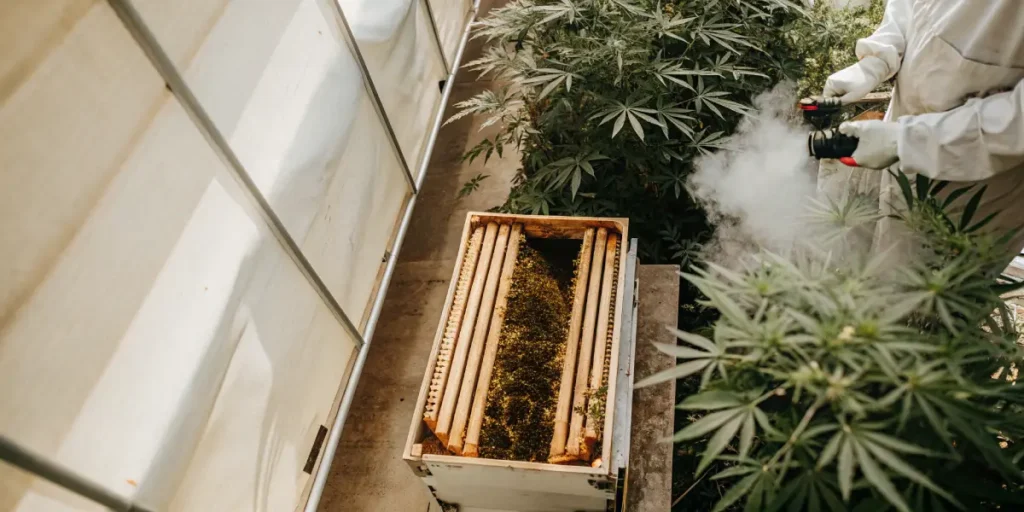
Natural pest control with honey in cannabis growing is another benefit of this versatile ingredient. Honey can attract beneficial insects that prey on pests, reducing the need for synthetic pesticides. For instance, honey can draw in ladybugs, which are known to feed on aphids, a common cannabis pest.
To use honey for pest control, mix it with water and apply it around the base of your plants. This method creates a barrier that pests are less likely to cross. Remember, the goal is to use honey to encourage a balanced ecosystem in your garden, ultimately leading to healthier plants and better yields.
The practice of using honey in cannabis cultivation for pest control also helps maintain the ecological balance within your garden. By attracting predatory insects, honey reduces the reliance on chemical pesticides, which can disrupt the natural ecosystem. This organic approach ensures that your plants are protected without harming beneficial organisms.
Furthermore, natural pest control with honey in cannabis growing can contribute to a more sustainable farming practice. It allows for integrated pest management strategies that work harmoniously with the environment, promoting biodiversity and reducing the carbon footprint associated with conventional pest control methods.
Honey as a Rooting Agent for Cannabis Plants
Honey as a rooting agent for cannabis plants is a technique many growers swear by. The natural enzymes in honey can stimulate root growth, making it a perfect alternative to synthetic rooting hormones. This method is both cost-effective and easy to implement.
To use honey as a rooting agent, simply dip the cut end of a cannabis cutting into honey before planting it in soil. This process can help the cutting develop strong roots more quickly. It’s a tried-and-true method that many organic growers, including those cultivating strains like White Widow, rely on.
Using honey in cannabis cultivation as a rooting agent not only encourages robust root development but also enhances the plant’s ability to absorb nutrients and water. This leads to healthier plants that can withstand environmental stresses more effectively. Honey as a rooting agent for cannabis plants is thus a strategic choice for growers seeking to optimize plant health from the ground up.
Moreover, honey’s antimicrobial properties provide an added layer of protection to young cuttings against pathogens that could hinder root development. This ensures that your cannabis plants have a strong foundation to support vigorous growth throughout their life cycle, leading to higher yields and more resilient crops.
Using Honey to Boost Cannabis Plant Growth
Using honey to boost cannabis plant growth is another practical application. The sugars in honey can act as a mild fertilizer, providing plants with an energy source that supports their growth. This is especially beneficial during the flowering stage, when plants require more energy.
Consider using honey as a foliar spray. Mix a small amount of honey with water and spray it onto the leaves of your cannabis plants. This method allows the plant to absorb nutrients directly through its leaves, enhancing overall growth and vigor. Strains like OG Kush, available at Global Green Genetics, can greatly benefit from this practice.
The application of honey as a growth enhancer in cannabis cultivation can also improve photosynthetic efficiency. By supplying sugars directly to the plant, honey ensures that energy production is optimized, supporting robust flowering and fruiting. Using honey to boost cannabis plant growth is a natural and effective strategy to maximize your garden’s potential.
Furthermore, honey’s role in promoting plant health extends to strengthening the plant’s immune system. The nutrients in honey can fortify plants against environmental stresses, making them more resilient to fluctuations in temperature and humidity. This holistic approach to using honey in cannabis cultivation can lead to a more fruitful and rewarding harvest.
FAQs
Can honey attract pests to my cannabis plants?
Using honey in cannabis cultivation does carry the risk of attracting unwanted pests if not managed correctly. However, when used strategically, such as mixing it with water and applying it near the plant base, honey can actually deter pests by bringing in beneficial insects that keep harmful ones at bay.
It’s essential to monitor your plants and adjust your honey application as needed. Overuse can lead to a sticky mess that attracts more pests than it repels. Balance is key to ensuring honey supports your pest control efforts rather than hindering them.
To mitigate the risk of attracting pests, consider using honey in conjunction with other organic pest control measures. Combining honey with neem oil or diatomaceous earth can provide a comprehensive approach to pest management that protects your plants while maintaining ecological balance. This strategy emphasizes the importance of using honey in cannabis cultivation as part of a broader organic farming practice.
Additionally, regular garden maintenance, such as removing debris and ensuring adequate airflow, can further reduce the likelihood of pest infestations. By creating an environment that discourages pests, you can maximize the benefits of honey in cannabis cultivation without the drawbacks of increased pest activity.
How often should I apply honey to my cannabis plants?
The frequency of using honey in cannabis cultivation depends on the specific purpose. For rooting, a one-time application when planting cuttings is sufficient. For growth enhancement, consider a foliar spray every two to three weeks. Regular monitoring will help you determine the best schedule.
Remember that less is often more. Over-application can lead to sticky residue and potential mold issues. Always start with a small amount and increase gradually if needed, observing how your plants respond.
Incorporating honey into your cannabis cultivation routine should be guided by the plants’ growth stages and specific needs. During peak growth phases, slightly increasing the frequency of honey applications can be beneficial, whereas in dormant periods, reducing usage ensures optimal results. Tailoring your approach ensures that using honey in cannabis cultivation complements your plants’ natural growth cycles.
Ultimately, the goal is to create a nurturing environment that allows your cannabis plants to thrive. By being attentive to how your plants respond to honey applications, you can fine-tune your cultivation techniques to achieve the best possible outcomes.
Is honey effective in all types of cannabis farming?
Honey is particularly effective in organic cannabis farming techniques. Its natural properties align well with the principles of organic growing by minimizing chemical inputs. However, honey can also be used in conventional farming as a supplementary tool.
Regardless of your farming style, incorporating honey should be done thoughtfully. It’s a versatile tool that, when used effectively, can enhance the health and yield of your cannabis plants, making it a valuable addition to any cultivation practice.
In conventional farming, using honey in cannabis cultivation can serve as a bridge between traditional practices and more sustainable methods. By incorporating honey, growers can reduce their reliance on synthetic chemicals, leading to more environmentally friendly and economically viable farming operations.
Moreover, honey’s adaptability makes it suitable for various cultivation environments, from indoor hydroponic systems to outdoor soil-based gardens. Its multifaceted benefits ensure that it can play a role in optimizing growth conditions and improving plant health, regardless of the farming methodology employed.
Can I use any type of honey for my cannabis plants?
While using honey in cannabis cultivation, it’s best to opt for raw, unprocessed honey. This type retains more of its natural enzymes and nutrients, which are beneficial for plant growth. Processed honey may lack these components and could contain additives that aren’t ideal for plant use.
Raw honey is widely available and often more affordable than specialized plant products. Its natural composition makes it a fitting choice for growers looking to enhance their plants’ health and productivity.
Choosing the right type of honey is crucial for maximizing its benefits in cannabis cultivation. Raw honey, with its rich nutrient profile, is better suited to support plant health and growth. Processed honeys may contain additives or undergo treatments that diminish their efficacy for agricultural use.
When sourcing honey for your cannabis plants, consider local options that ensure freshness and support regional beekeepers. This not only guarantees a high-quality product but also contributes to sustainable agricultural practices that benefit the broader community.
What are the risks of using honey in cannabis cultivation?
Like any cultivation tool, using honey in cannabis cultivation comes with potential risks. Overuse or improper application can lead to mold growth due to its sugar content. It’s crucial to apply it in moderation and ensure good airflow around your plants.
Another risk is attracting more pests if honey is not used correctly. However, with careful management and strategic application, these risks can be minimized, allowing you to enjoy the benefits of honey in your cannabis growing efforts.
To mitigate the risks associated with using honey in cannabis cultivation, it’s important to integrate it with a comprehensive plant care strategy. Regularly inspect your plants for signs of mold or pest activity and adjust your honey application techniques accordingly. Timely intervention can prevent minor issues from escalating into significant problems.
Moreover, combining honey with other organic amendments can enhance its effectiveness while reducing potential drawbacks. By creating a balanced approach to plant care, you can harness the full potential of honey as a valuable resource in your cannabis cultivation endeavors.