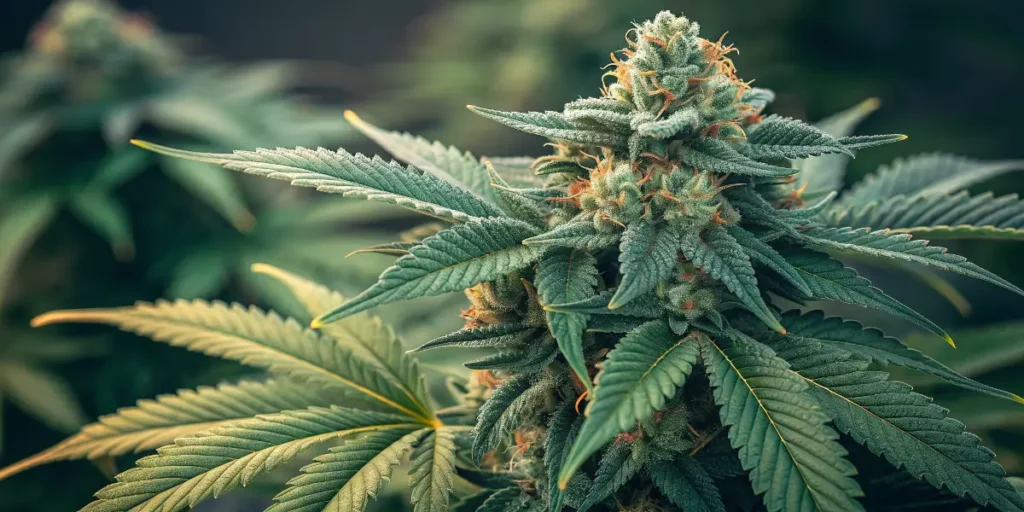

Big Band is a high-yielding hybrid prized for dense, resinous buds and a sweet, fruity aroma with subtle spice. To get the best results, growers need to dial in the environment, choose the right medium, and follow a stage-specific feeding plan—from nitrogen-forward nutrition in veg to phosphorus and potassium support in bloom. This step-by-step guide covers indoor and outdoor setups, germination, training, pest prevention, and harvest timing so you can push Big Band’s yield and quality to its full potential.
First, it’s crucial to select the right growing environment. Big Band can flourish in both indoor and outdoor settings, but it thrives best indoors under controlled conditions. Start by setting up an appropriate grow space with an efficient lighting system tailored to the vegetative and flowering stages. Metal halide lights work well in the vegetative phase, while high-pressure sodium lights are preferable during flowering. Temperature and humidity control are critical; maintain temperatures between 21-26°C (70-80°F) and humidity at around 40-50% during flowering to prevent mold and mildew.
Recommended Strains
Big Band Strain

|
THC | 18% - 19% (Medium) |

|
Lineage | Bubblegum x Chronic x Black Domina |

|
Type | Feminized |

|
Height | 5.91 ft | 1.8 m |

|
Yield | Low |

|
Yield Indoor | 0.16 - 1.8 oz/ft² | 50 - 550 g/m² |

|
Yield Outdoor | 21.16 - 22.93 oz/plant | 600 - 650 g/plant |

|
Flowering Time | 7 - 8 weeks |

|
Phenotype | 35% Indica / 65% Sativa |

|
Effects | Relaxed |

|
Flavors | Fruity, Sweet |
Big Bull Strain
|
|
THC | 18% - 20% (Medium) |
|
|
Lineage | Early Pearl x Skunk x Black Domina |
|
|
Type | Feminized |
|
|
Height | 3.28 ft | 1 m |
|
|
Yield | Medium |
|
|
Yield Indoor | 1.47 oz/ft² | 450 g/m² |
|
|
Yield Outdoor | 21.16 oz/plant | 600 g/plant |
|
|
Flowering Time | 8 - 9 weeks |
|
|
Phenotype | 60% Indica / 40% Sativa |
|
|
Effects | Relaxed |
|
|
Flavors | Sweet, Floral |
Next, focus on the growing medium. Big Band prefers a well-draining soil rich in organic matter, which provides essential nutrients and fosters root growth. Alternatively, hydroponic systems can be employed for faster growth rates and higher yields. Ensure the pH levels of the growing medium are maintained between 6.0 and 7.0 for optimal nutrient uptake. Incorporating beneficial microbes and mycorrhizae can also enhance root health and nutrient absorption.
Watering and feeding Big Band is a balancing act. The strain is susceptible to over-watering, so ensure the soil is allowed to dry out slightly between watering sessions to avoid root rot. Implement a regular feeding schedule with nutrients high in nitrogen during the vegetative stage, switching to phosphorus and potassium-rich formulas during flowering. Monitor the plants closely for any signs of deficiencies or excesses, adjusting nutrient levels accordingly.
Pruning and training techniques can further enhance Big Band’s growth. Employ techniques like topping or low-stress training (LST) to encourage bushier growth and increase light penetration to lower buds. This not only maximizes yield but also improves airflow around the plants, reducing the risk of pests and diseases. Regularly inspect and prune plants to remove any dead or overcrowded foliage, ensuring optimal plant health.
Keep a close watch on the maturity of the buds, using trichome color as an indicator of readiness. Harvest when the trichomes are mostly cloudy with some turning amber for the best potency and flavor profile. With meticulous care and attention throughout the growing process, Big Band can reward growers with a rich harvest of dense, aromatic buds.
Big Band Strain Overview: Traits, Effects & Genetics
Big Band is an enticing hybrid strain resulting from the meticulous crossbreeding of Bubble Gum, Chronic, and Black Domina. This genetic lineage bestows the strain with a unique blend of aromatic and flavor profiles, making it a favorite among many cannabis enthusiasts. The Big Band strain is particularly recognized for its explosive combination of sweet and spicy notes, reminiscent of its Bubble Gum parent, further enhanced by deep earthy undertones from Black Domina. This exquisite mix gives Big Band a distinctly palatable profile that both novices and connoisseurs can appreciate.
Renowned for its robust growth characteristics, Big Band stands out as a highly resilient cultivar. It is particularly praised for its ease of cultivation, which makes it accessible to both novice and experienced growers. Developing into a medium-to-tall plant, Big Band often features dense, resinous buds that promise substantial yields. Its typical flowering period ranges from 55 to 60 days, culminating in a rewarding harvest. The strain’s strong and sturdy structure makes it favorable for both indoor and outdoor cultivation, adapting well to various growing conditions without compromising on quality.
The effects of Big Band are predominantly balanced, often delivering a soothing relaxation due to its indica lineage, combined with an uplifting cerebral high from its sativa genetics. Users frequently report a euphoric yet calm experience, making it ideal for unwinding or social engagements. Medicinal users find Big Band beneficial for relieving stress, anxiety, and mild pain, thanks to its therapeutic properties. Overall, the complex genetic makeup of Big Band facilitates a diverse range of effects, making it a versatile addition to any grower’s collection.
Its harmonious blend of effects caters to a wide range of users, from recreational seekers to those in search of relief from various ailments, establishing it as a well-rounded choice in the cannabis community. As such, Big Band remains a compelling strain for both cultivators aiming for abundant harvests and users seeking a robust sensory experience.
Optimal Environment to Grow Big Band Successfully
The Big Band cannabis strain is renowned for its abundant yields and robust growth, but achieving this potential requires careful attention to its environmental needs. Big Band prefers a warm, sunny climate with temperatures ranging between 70°F and 85°F (21°C – 29°C) during the day. Night temperatures should ideally be slightly cooler by 10°F to mimic natural conditions. Consistent temperature maintenance is crucial, as fluctuations can stress the plants and impede their growth.
Humidity levels are another critical factor for cultivating Big Band successfully. During the vegetative stage, a relative humidity (RH) of 40% to 70% is optimal. This supports healthy leaf and root development while preventing the accumulation of too much moisture that might lead to mold issues. As the plant transitions into the flowering stage, gradually reduce humidity to between 40% and 50%. This drier environment helps prevent bud rot and encourages resin production, which is pivotal for maximizing potency and flavor.
Good air circulation is essential for Big Band to thrive, as it helps regulate temperature, manage humidity, and prevent the build-up of harmful pathogens. Use oscillating fans to ensure consistent airflow throughout your grow space, targeting both the canopy and the lower parts of the plants. Additionally, proper ventilation will aid in exchanging stale air for fresh CO2, a critical component of photosynthesis that fuels plant growth and maximizes yield.
Utilize high-intensity lighting systems like HPS (High-Pressure Sodium) or LED grow lights to simulate natural sunlight during indoor cultivation. Aim for 18-24 hours of light during the vegetative phase and switch to a 12/12 light/dark cycle as you transition into flowering. This strategic manipulation of light encourages healthy growth patterns and enhances the development of large, resin-rich buds.
Grow Room Setup for Big Band Plants
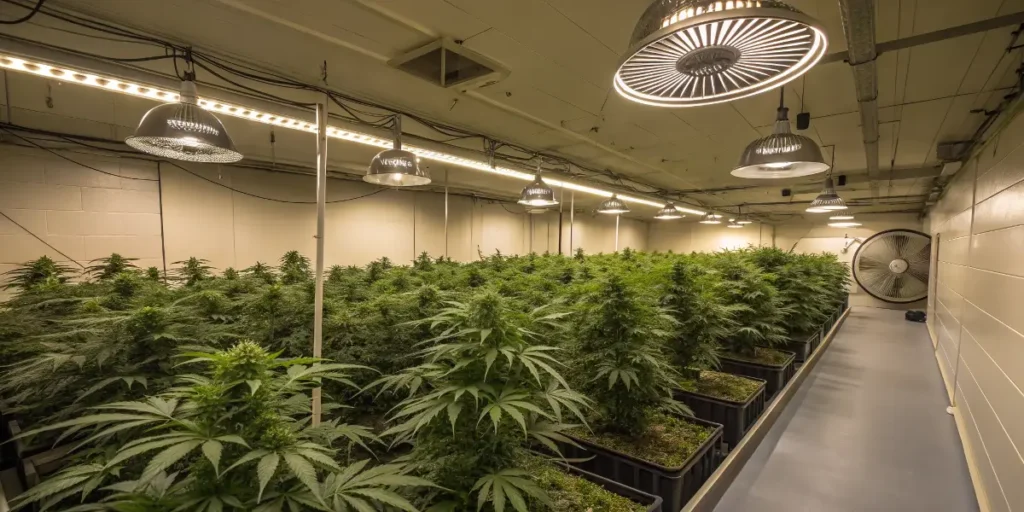
When setting up a grow room for Big Band cannabis plants, consider the specific needs of these robust and high-yielding hybrids. Big Band is known for producing dense, resinous buds, and to optimize these features, a grow room environment must replicate ideal conditions. Start by selecting a space that can accommodate the plant’s growth potential, ensuring there is ample height and width to support its bushy structure. This allows adequate room for air circulation, which is crucial for preventing mold and diseases that can affect yield quality.
Lighting is a critical element in the grow room setup, as Big Band strains require sufficient light intensity to flourish. High-intensity discharge lamps, such as Metal Halide (MH) or High-Pressure Sodium (HPS) lights, are excellent for promoting fast growth and dense bud formation. Alternatively, LED grow lights provide an energy-efficient option, emitting less heat and offering a full spectrum of light that supports various growth stages. Position your lights approximately 18-24 inches above the canopy to prevent light burn while ensuring maximum light penetration to lower foliage.
Temperature and humidity control are equally important. Maintain temperatures between 70-85 degrees Fahrenheit (21-29 degrees Celsius) during the day and slightly cooler at night, around 55-65 degrees Fahrenheit (13-18 degrees Celsius). Employ fans and exhaust systems to manage heat and humidity, keeping levels between 40-60%. This range helps to keep the Big Band plants healthy and vibrant, reducing the risk of mold. A dehumidifier can be useful during the flowering stage, when excess humidity could impact bud quality.
Soil or hydroponic setups can be used for Big Band plants, with each option having distinct advantages. Soil is straightforward and provides a buffer against nutrient imbalances. However, hydroponic systems can offer faster growth, as nutrients are directly supplied to the roots. Choose a medium based on experience level and available resources, ensuring that a nutrient schedule tailored to high-yield strains like Big Band is followed. Regular monitoring and adjustments keep plants healthy and growth on track.
Creating an optimal grow room setup for Big Band plants involves careful attention to space, lighting, temperature, humidity, and the cultivation medium. Through meticulous preparation and maintenance of these environmental factors, growers can achieve the full potential of this remarkable strain, maximizing both quality and yield.
Indoor Growing Tips for Big Band
Big Band is a cannabis strain known for its generous yields and robust growth, making it a popular choice among indoor cultivators. One of the primary considerations for growing Big Band indoors is maintaining optimal environmental conditions. This strain thrives in stable temperatures between 70 to 80°F (21 to 27°C) and requires a humidity level of around 40% during the flowering phase. It is crucial to ensure that environmental fluctuations are minimized, as they can stress the plants and affect overall yield and potency.
Lighting plays a crucial role in the indoor cultivation of Big Band. This strain responds well to high-intensity discharge (HID) lights or LED grow lights, which can effectively simulate sunlight indoors. During the vegetative phase, Big Band benefits from 18-24 hours of light per day, which encourages vigorous growth. When transitioning to the flowering phase, it’s important to switch the light cycle to 12 hours of light followed by 12 hours of darkness, stimulating bud development. Besides, adjusting the light distance is important to prevent light burn while maximizing energy absorption.
Another key to successfully growing Big Band indoors is nutrient management. This strain typically requires a balanced nutrient regimen that supports both vegetative and flowering stages. It is advisable to use a high-nitrogen nutrient blend during the vegetative stage to promote lush, green growth, while during the flowering phase, switching to a phosphorus-rich fertilizer can help boost bud production. Additionally, maintaining a pH range of 6.0 to 6.5 ensures that nutrients are effectively absorbed, reducing the risk of nutrient lockout or deficiencies that can stifle growth.
Pruning and training techniques can significantly enhance the indoor cultivation of Big Band. This strain benefits from methods like topping and low-stress training (LST) to control height and promote lateral growth, leading to a more uniform canopy. Such practices not only improve light penetration across the plant but also increase airflow, reducing the risk of mold and pests. Regularly inspecting and removing unnecessary leaves and branches will help focus the plant’s energy on producing larger, denser buds.
Adequate ventilation, ensured through the use of fans or air exchangers, prevents stale air and maintains consistent CO2 levels, which is beneficial for the photosynthesis process of Big Band. Keeping the grow room clean and free from debris will reduce the likelihood of pest infestations and diseases, essential for maximizing the yield and quality of your harvest. By diligently following these indoor growing tips, cultivators can optimize their Big Band cultivation, achieving bountiful and high-quality results.
Outdoor Growing Tips for Big Band
When cultivating Big Band cannabis outdoors, it’s crucial to start by selecting a suitable environment that accentuates the strain’s natural resilience. Originating from a combination of Black Domina, Bubble Gum, and Chronic genetics, Big Band thrives in warm, sunny climates with long hours of daylight. Selecting a south-facing location can maximize sunlight exposure, crucial for this strain’s development. It’s vital to ensure that the chosen site is sheltered from harsh winds, which can damage the plants and impede growth. Ideally, early spring is the best time to plant Big Band outdoors, usually after the last frost to prevent any potential weather-induced setbacks.
Grasping the soil requirements for Big Band is another essential aspect of outdoor cultivation. This strain flourishes in rich, well-aerated, and nutrient-dense soil. Incorporating organic matter such as compost or worm castings into the soil can significantly boost nutrient availability and foster beneficial microbial activity. Additionally, maintaining proper soil drainage is important to prevent waterlogging, which can lead to root rot. It’s highly recommended to regularly test soil pH, striving to maintain a slightly acidic level of around 6.0 to 6.5 to optimize nutrient uptake, ensuring robust growth and healthy foliage.
Regular maintenance and monitoring are paramount when growing Big Band outdoors. This strain can grow into robust plants, so pruning and training techniques, like topping and LST (low-stress training), are advisable to increase airflow within the canopy and encourage light penetration. These techniques help manage plant height, promote more even growth, and improve bud quality. Regularly check for signs of pests or mildew, as outdoor plants are more susceptible to these challenges. Utilize natural pest deterrents and anti-fungal sprays to maintain plant health. Remember, consistent care and attention are key to achieving a productive Big Band harvest.
As the flowering phase approaches, typically in late summer to early fall, it’s important to anticipate Big Band’s need for additional nutrients, particularly phosphorus and potassium, to support bud development. Avoid over-fertilization, which can lead to nutrient burn and negatively impact the plant’s yield and potency. Keep an eye on local weather forecasts as harvest time nears; an unexpected frost or heavy rain can compromise the quality of the crop. With proper planning and diligent care, Big Band can yield a bountiful outdoor harvest that rewards growers with its distinctively sweet and musky aroma and potent effects.
Big Band Grow Facts at a Glance
| Topic | Big Band Details |
|---|---|
| Strain Type | Hybrid (Indica + Sativa traits) |
| Genetics | Bubble Gum × Chronic × Black Domina |
| Plant Structure | Medium-to-tall, bushy, sturdy; dense, resinous buds |
| Flowering Time | ~55–60 days (also noted as ~8–9 weeks) |
| Best Indoor Temps | 21–26°C / 70–80°F (stable conditions recommended) |
| Best Outdoor Temps | 21–29°C / 70–85°F daytime; nights ~10°F cooler |
| Humidity Targets | Veg: 40–70% RH • Flower: 40–50% RH |
| Light Cycle (Indoor) | Veg: 18–24h • Flower: 12/12 |
| Medium & pH | Soil (well-draining, organic-rich) or hydro • pH 6.0–7.0 (soil often 6.0–6.5 mentioned) |
| Training | Topping + LST for canopy control and airflow |
| Main Risks | Overwatering, mold/mildew, pests (spider mites, aphids, whiteflies, thrips) |
| Harvest Readiness | Trichomes mostly cloudy with some amber |
| Drying & Curing | Dry 7–10 days at ~50–60% RH and 60–70°F; cure 2–4 weeks (burp jars daily early on) |
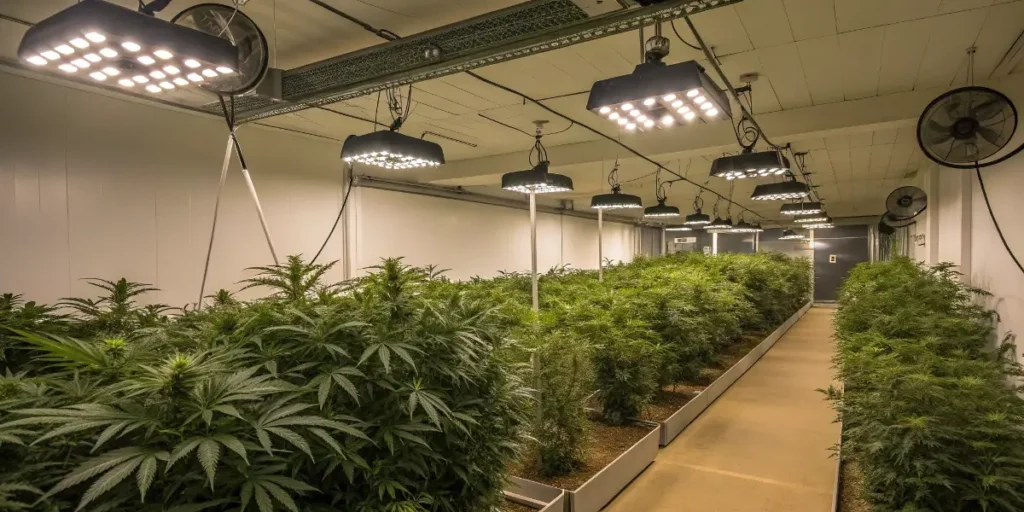
How to Germinate & Propagate
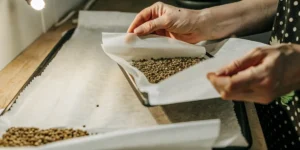
To successfully grow Big Band cannabis, one must start at the very beginning: germination. The germination process is crucial as it lays the foundation for a plant’s health and growth. Start by selecting high-quality Big Band seeds from a reputable supplier. Using reliable seeds increases your chances of successful germination and healthy plants. There are several germination methods, but the paper towel method is particularly popular due to its simplicity and effectiveness. Begin by placing your seeds between two damp paper towels and put them in a dark, warm place, ideally between 70-85°F (21-29°C). This environment mimics the natural conditions that seeds require to start sprouting.
During germination, it is essential to maintain a consistent level of moisture, as seeds are highly sensitive to drying out. You should regularly check the paper towels to ensure they remain damp, but avoid soaking them, as excess water can lead to mold or fungus growth. Within a few days to a week, you should start to see the taproot breaking through the seed shell, signaling successful germination. Once the taproot is about a half-inch to an inch long, it’s ready to be transferred to its growing medium.
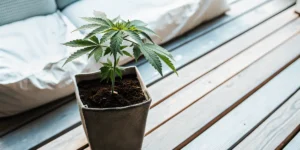
Propagation is the next step following germination, where your new plant continues to develop its root system before transitioning to a more permanent growing environment. Carefully transplant the germinated seed into a small pot filled with a light, nutrient-rich medium such as seedling compost or a balanced soil mix. Plant the seed approximately a quarter-inch deep with the taproot facing downward. Ensure the medium remains consistently moist and place the pot in an area where the seedling can receive ample light, such as under LED grow lights or near a sunny window. This period is essential for establishing strong roots and preparing your Big Band plant for its vegetative stage.
Successful germination and propagation of Big Band cannabis require careful attention to detail and a conducive growing environment. By following these steps with precision, growers can ensure the robust growth and development of their Big Band cannabis plants, leading to better yields and healthier plants in the future. Regular monitoring, maintaining consistent moisture, and providing adequate lighting are pivotal elements during this crucial phase of cannabis cultivation.
Vegetative Stage
The vegetative stage of cannabis is a critical period of growth where your Big Band plants focus on developing strong stems and lush foliage. During this stage, typically lasting between 4 to 8 weeks, the plants undergo rapid growth, primarily directed towards building a robust structure capable of supporting future buds. It is essential to provide ample nitrogen-based nutrients, as they play a crucial role in leaf and stem development. Additionally, maintaining a consistent light schedule of 18 to 24 hours daily will mimic the long days of summer, fostering substantial vegetative growth.
Watering practices must be carefully monitored during this stage to prevent overwatering and underwatering, both of which can stunt growth and lead to nutrient deficiencies. Big Band plants require more frequent watering as they grow, but it’s crucial to allow the soil to partially dry between watering sessions. The “lift the pot” method is an effective way to gauge when watering is due: if the pot feels light, it’s time to water. Ensuring optimal humidity levels, generally between 40% to 70%, also supports healthy growth by preventing issues such as mold and encouraging efficient nutrient uptake.
Training techniques, such as topping and low-stress training (LST), are particularly beneficial during the vegetative stage. Topping involves cutting the main stem, encouraging the plant to grow multiple colas instead of a single main one, thus maximizing light distribution and yielding potential. LST, on the other hand, involves gently bending and securing branches to expose lower growth sites to light, promoting even growth and improving airflow within the canopy. Both techniques, when applied correctly, can significantly enhance the structural integrity and eventual yield of your Big Band plants.
Regularly check and adjust the soil’s pH to stay within the optimal range of 6.0 to 7.0. This pH balance is critical for the absorption of essential nutrients. By giving consistent attention to the environmental and nutritional needs of your Big Band plants during the vegetative stage, you’ll set a strong foundation for flourishing growth and an abundant harvest in the flowering stage.
Flowering Big Band: What to Expect
Big Band, a well-loved cannabis strain, is renowned for its vibrant and prolific flowering phase. When cultivating Big Band, growers can anticipate the onset of flowering around the seventh to the ninth week of the growth cycle. This strain is particularly notable for its substantial yields, a delight to those who favor indoor and outdoor cultivation. Once entering the flowering stage, Big Band demonstrates a pronounced development of dense, resin-rich buds. The plants tend to be bushy, thriving best when they have ample space to spread, optimizing light exposure and nutrient absorption.
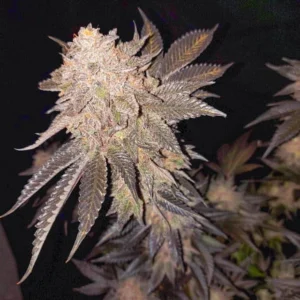
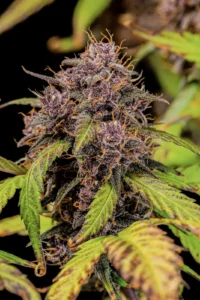
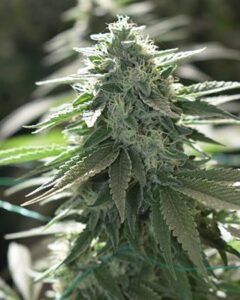
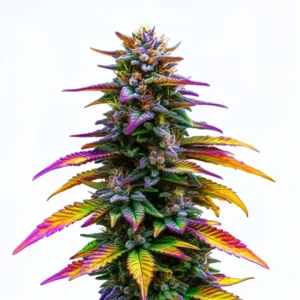
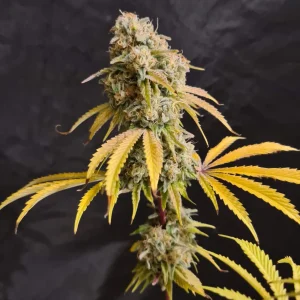
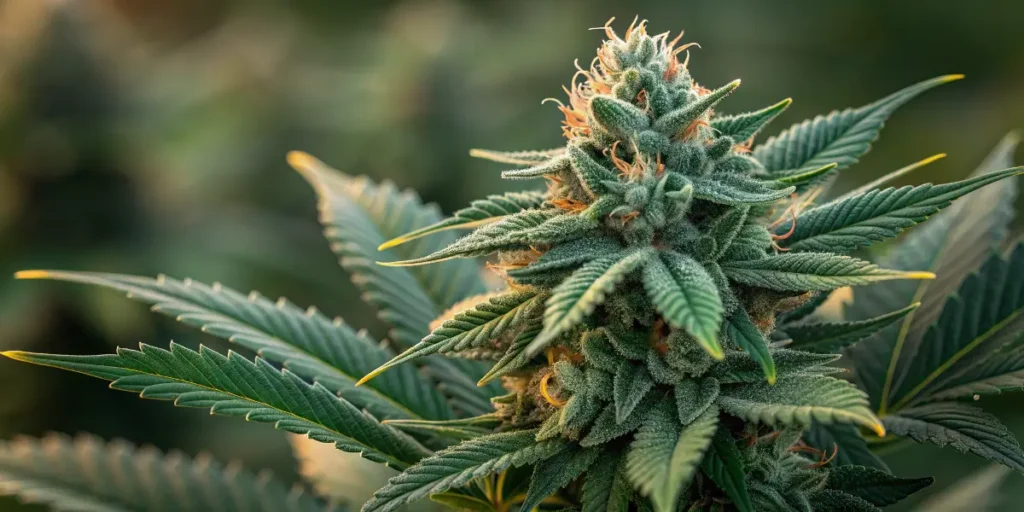
During flowering, the Big Band strain exudes a captivating aroma, combining sweet, fruity notes with a subtle hint of spice, which intensifies as the weeks progress. This fragrant evolution is often a sign that the resin production is in full swing. Growers will also notice the vivid green foliage becoming increasingly coated with sticky trichomes. Such a robust trichome production not only enhances the plant’s allure but is also indicative of the potent cannabinoid content Big Band is known for.
Throughout the flowering period, keeping a close watch on the plant’s health is vital. Regular checks for pests and mold are recommended, as the dense buds can be susceptible to these issues. The growth environment should maintain consistent humidity and temperature levels to prevent fungus and other complications. As the plants near harvest, growers will notice the pistils changing color from white to a reddish-brown hue, signaling the optimal time for harvest is approaching and that the trichomes are at their peak maturity and potency.
Big Band’s flowering stage is generally concluded after approximately 9 to 10 weeks, marking it as a relatively quick maturing strain. As harvest approaches, flushing the plants by providing pure water without nutrients helps enhance the final taste and aroma of the buds. This practice ensures that residual fertilizers are diminished, leaving behind a smoother smoke. It’s crucial to let the plants dry properly after harvesting to ensure the fullest development of their characteristic flavors and effects.
While it requires attentive care and optimal conditions, the effort is well worth the outcome. The strain’s combination of high yield, aromatic profile, and potent effects make it a favorite among growers and consumers alike. A successful flowering phase can yield numerous bountiful, high-quality buds, making Big Band a strain that’s worth the investment in time and effort.
Feeding Big Band: Fertilizers & Nutrient Schedule
Feeding Big Band cannabis plants requires careful consideration of their unique nutritional needs to ensure maximum growth and potency. The Big Band strain, known for its robust growth patterns and significant yield potential, thrives on a well-balanced diet of macro and micronutrients. It is crucial to begin the feeding regimen with high-quality soil or a suitable hydroponic medium that provides a solid nutritional foundation. Start by ensuring the pH levels are balanced around 6.0 to 6.5 for soil and slightly lower for hydroponic systems. This helps maximize nutrient uptake and encourages healthy root development.
The nutrient schedule for Big Band should be adjusted according to its vegetative and flowering stages. During the vegetative phase, the focus should be on nitrogen-rich fertilizers to promote vigorous stem and leaf growth. A nutrient formula with an N-P-K ratio of around 3-1-2 is recommended. Apply fertilizers in a diluted form and gradually increase the concentration as the plants mature. It is essential to monitor the plants for any signs of nutrient burn or deficiencies, such as yellowing leaves or stunted growth, and adjust the nutrient levels accordingly.
As Big Band transitions into the flowering stage, the nutrient focus should shift towards phosphorus and potassium to support bud development. A shift to a nutrient formula with higher phosphorus and potassium ratios, such as 1-3-2, will help the plants produce larger, denser buds. Consider introducing additional supplements like magnesium and calcium to bolster bud formation and overall plant health. During this stage, the frequency of feeding might increase, but it is vital to keep an eye on the plants to prevent over-fertilization.
Regularly flushing Big Band plants with clean, pH-balanced water helps prevent nutrient lockout and maintains a healthy root zone. Flushing every few weeks, particularly switching from vegetative to flowering feeds, can be highly beneficial. It also ensures that any excess salts are removed, allowing the plants to optimally absorb the nutrients provided. Maintaining a consistent, balanced nutrient schedule tailored to the Big Band strain will allow growers to maximize yield and enhance the quality of their harvest.
Pest and Disease Prevention for Healthy Cannabis Plants
In cultivating cannabis, especially varieties like Big Band, maintaining plant health through pest and disease prevention is vital. The goal is to ensure robust growth and maximum yield without compromising plant quality. This begins with selecting pest-resistant strains and utilizing preventive measures. Strains like Big Band, which have natural resistance to some common pests, can reduce the initial risk. However, without proper care, even these plants can fall prey to a variety of pests and diseases if basic preventive strategies are neglected.
One of the most effective pest prevention strategies is maintaining a clean growing environment. Regularly sterilizing tools and surfaces, as well as ensuring proper sanitation practices, helps to eliminate potential sources of contamination. Implementing a strict quarantine procedure for new plants entering the grow space is critical, as they could introduce pests or diseases. The use of high-quality, sterilized growing mediums can also prevent the incorporation of unwanted pathogens. For Big Band cannabis plants, being diligent about the cleanliness of the environment is a fundamental step towards healthy growth.
Environmental controls play a crucial role in pest and disease prevention. Maintaining optimal temperature and humidity levels will deter pests such as spider mites and thrips and reduce the risk of mold and mildew. Big Band plants thrive in conditions where humidity levels are carefully monitored and adjusted according to their growth stage. Comprehending the specific climatic needs of the Big Band strain will aid in adjusting grow room conditions to minimize the occurrence of environmental-related issues.
Integrated Pest Management (IPM) principles can be a lifesaver in dealing with any potential outbreaks. This involves a combination of biological control, mechanical barriers, and organic treatments where necessary. For Big Band cultivators, employing beneficial insects like ladybugs or predatory mites can effectively keep pest populations under control without the need for harmful chemicals. Regular inspections and early intervention are key components of a successful IPM strategy. If pest problems are detected early, safer organic solutions such as neem oil can be used to address the issue without harming the plants.
By prioritizing clean environments, proper climate control, and integrated pest management strategies, growers can ensure that their Big Band cannabis plants thrive. This multifaceted approach creates a robust defense system against pests and disease, ultimately leading to a healthier garden and a more rewarding harvest. Adopting these practices not only safeguards plant vitality but also enhances the overall quality and potency of the final product.
Harvesting & Drying
The completion of a successful cannabis grow hinges on the timing and technique of harvesting, especially for a strain like Big Band. Known for its high yields and dense, resinous buds, Big Band requires patience and precision to capitalize on its full potential. When preparing to harvest, monitor trichomes closely; these tiny, mushroom-like structures should be mostly cloudy with some turning amber to ensure peak potency. The ideal window is generally within a week before trichomes go full amber, ensuring both THC levels and the strain’s renowned sweet, fruity aroma are maximized.
Start by preparing your tools and workspace. Use sterilized scissors or pruning shears to snip branches off the plant carefully. Big Band’s significant foliage requires dedicated attention to ensure a clean cut while minimizing stress on remaining plant parts. It’s best to harvest during a dark cycle to preserve cannabinoid potency and terpenes, which enhance Big Band’s hallmark flavor profile. Execute trimming over a tarp or large tray to capture stray trichomes or sugar leaves, which can be used for secondary products like hash or edibles.
Once harvested, the drying process is crucial to maintaining the Big Band’s quality. Carefully hang branches upside down in a dark, cool room with humidity levels around 50-60%. Maintain a consistent temperature of 60-70°F (15-21°C), ensuring good air circulation to avoid mold. This slow drying process should take 7-10 days and will facilitate the breakdown of chlorophyll, eliminating the “grassy” taste typical of improperly dried cannabis. Feel the buds during this period; they should be crispy on the outside and slightly spongy inside once done.
Transitioning to curing is the final step. After drying, transfer the Big Band buds into glass jars with airtight seals. Store them in a dark, cool place, checking daily for the first week to release excess moisture. This process, known as burping, is vital for achieving the optimal texture and taste of the flower. A slow, 2-4 week curing phase will accentuate Big Band’s sweet, fruity profile, ultimately improving both flavor and smoking experience.
By harvesting with care and managing patience during drying and curing, you ensure that Big Band reaches its full aromatic and psychoactive potential, delivering the desired potency for which it is so fondly cultivated. Such diligence in this final stage not only preserves your efforts but enhances the enjoyment of a truly remarkable strain.
Big Band Strain Type: Indica, Sativa or Hybrid?
Big Band is a popular cannabis strain celebrated for its unique genetic makeup and potent effects. When delving into the classification of Big Band, grasping its nature as an Indica, Sativa, or Hybrid is crucial as it influences both its cultivation requirements and the overall experience for users. Primarily, Big Band is recognized as a hybrid strain, which means that it features genetic characteristics of both Indica and Sativa strains. This balanced composition allows it to offer a blend of effects associated with each type, providing growers and consumers with a versatile option that caters to a broad range of preferences.
The hybrid nature of Big Band can be attributed to its lineage, often resulting from the crossbreeding of select Indica and Sativa strains to capture the best traits of each. As such, growers may notice its growth patterns showcasing a combination of Indica’s bushy stature and Sativa’s taller, more slender appearance. This dual nature often makes it an appealing choice for cultivators seeking a strain that can be grown in a variety of settings, whether indoors or outdoors, and depending on the specific phenotypes present in its genetic lineage, growers can observe various expressions that highlight either the Indica or Sativa dominance of this hybrid.
In terms of the consumer experience, Big Band’s status as a hybrid means it often delivers a balanced high. Users might experience the relaxing, body-centric effects commonly associated with Indica strains, alongside the cerebral, uplifting qualities characteristic of Sativa strains. This duality makes Big Band an attractive option for both recreational and medicinal users who are seeking a strain that does not heavily lean towards exclusively sedative or energetic effects. The nuanced balance found in Big Band as a hybrid strain illustrates the dynamic range of experiences that cannabis enthusiasts can experience.
Key Benefits for Cultivators
Big Band is a popular choice among cannabis cultivators for a variety of compelling reasons. It’s a hybrid strain that offers the best of both worlds, featuring genetics from Northern Light and Black Domina. This unique blend results in a robust plant that is well-suited for both indoor and outdoor cultivation. Its resiliency to common pests and diseases means less intervention is required, allowing growers to focus on maximizing yield without constant worry about the health of their plants.
One of the primary benefits of cultivating Big Band is its impressive yield. When grown under optimal conditions, this strain can produce up to 600 grams per square meter indoors and up to 1200 grams per plant outdoors. This high yield is particularly advantageous for both commercial growers and hobbyists looking to get the most from their efforts. The plant itself is quite manageable, with an average flowering time of approximately 55-60 days, which enables multiple harvests in a single season.
Apart from its pleasing cultivation characteristics, Big Band is also renowned for its potent effects and delightful flavors. The buds are typically dense and loaded with resin, making them ideal for extraction purposes. The strain’s high THC content contributes to its notable potency, offering an uplifting and relaxing effect that is highly sought after by both recreational and medicinal users. Furthermore, Big Band’s sweet, fruity aroma and taste make it a consumer favorite, enhancing marketability for cultivators aiming to satisfy consumer preferences.
Big Band is a versatile strain that adapts well to different growing techniques and environments. Whether utilizing soil, hydroponics, or other methods, this strain responds well to various cultivation strategies. Its adaptability means that even novice growers have a good chance of success, making Big Band an ideal starting point for those new to cannabis cultivation.
Potential Challenges When Growing Big Band
Growing Big Band cannabis can be a rewarding experience thanks to its bountiful yields and delightful flavors, but cultivators may face several challenges during the process. One significant challenge lies in ensuring optimal environmental conditions. Big Band requires a stable and controlled climate to flourish, needing moderate temperatures and appropriate humidity levels. Fluctuations in these conditions can invite problems such as mold, pests, or stunted growth, which can drastically affect the quality and quantity of the yield. Adequate ventilation and monitoring equipment are crucial to mitigate these risks and maintain a healthy growing environment.
Another challenge is nutrient management, which is crucial for the successful cultivation of Big Band. This strain tends to have specific nutrient demands that, if not met, can lead to nutrient burn or deficiencies. Growers must carefully balance the macronutrients such as nitrogen, phosphorus, and potassium, along with essential micronutrients. Overfeeding or underfeeding can cause visible signs of distress in the plant, like yellowing leaves or weak stems. Regular soil testing and adherence to a tailored feeding schedule will help ensure the plants receive the right nutrients at the right time, promoting vigorous growth.
Pest and disease control is also a potential hurdle when growing Big Band. Cannabis cultivators often encounter common pests such as spider mites, aphids, and whiteflies, which can wreak havoc on crops if not controlled effectively. Additionally, fungal diseases like powdery mildew can develop under the wrong conditions. Employing integrated pest management techniques, including regular inspections, using organic pesticides, and maintaining cleanliness in the grow area can significantly reduce the risk of pest infestations and diseases. Utilizing companion planting and natural predators can also offer environmentally friendly solutions for pest management.
Training and pruning practices may pose another challenge for Big Band growers, especially for those less experienced with high-yielding strains. Proper training techniques, such as topping and low-stress training (LST), are essential to manage plant height and maximize light exposure for all parts of the plant. Pruning is necessary to ensure good airflow and light penetration, but doing so incorrectly can hinder plant development or cause undue stress. New growers should familiarize themselves with these techniques to optimize plant structure and achieve the best harvest results.
Here’s What You Need to Know
Big Band is a strain that has been making waves in the cannabis cultivation community for its impressive characteristics and robust growth. For those considering adding this impressive cultivar to their garden, comprehending its attributes is crucial. Originating from a unique blend of Bubblegum, Chronic, and an undisclosed secret strain, Big Band is renowned for its hybrid vigor, robust yields, and delightful sensory experience. Its balanced composition makes it suitable for both medicinal and recreational uses, which widens its appeal among various growers.
One of the most appealing aspects of Big Band is its sizable yield. For cultivators interested in maximizing output, this strain delivers excellent rewards in terms of sheer volume. When grown under optimal conditions, Big Band can produce plentiful harvests, making it a financially wise investment for commercial operations and enticing for home growers who prefer having a generous stash. Outdoor cultivation can lead to even larger yields due to the plant’s ability to flourish with ample space and sunlight.
Flavor and aroma are also significant selling points. Big Band treats the senses with a delightful cocktail of sweet, fruity notes coupled with hints of more traditional earthy and pine undertones. This unique combination often wins over connoisseurs who appreciate a rich and complex profile. Furthermore, Big Band provides a compelling high often described as a balanced blend of relaxing body effects accompanied by an uplifting cerebral buzz. This pleasant high broadens the strain’s appeal to a wide audience, from recreational users to those seeking therapeutic benefits.
In terms of cultivation, Big Band is relatively easy to grow, which adds to its appeal for both novice and experienced growers. It is known for its resilience and can thrive in various environments, whether indoors or out. It is particularly appreciated for its resistance to common pests and molds, making it a more forgiving choice for those still mastering the craft of cannabis cultivation. Its moderate flowering time ensures a good turnover rate, allowing cultivators to enjoy the fruits of their labor without an excessive waiting period.
Big Band offers a compelling package for cannabis cultivators seeking high yield, a rich sensory experience, and straightforward growth requirements. Its balanced genetic makeup provides a holistic high, making it suitable for a diverse range of users. Whether you’re a home grower looking to stock your personal supply or a commercial cultivator aiming for a profitable venture, Big Band’s impressive attributes certainly make it worth considering for your next cannabis project.
FAQs: Growing Big Band
How difficult is it to grow Big Band?
Growing the Big Band strain is considered moderately difficult, making it a good choice for growers with some experience. This strain requires regular monitoring to ensure optimal temperature and humidity levels. It also benefits from a careful nutrient schedule to maximize its yield, so having a basic knowledge of cannabis plants’ needs is highly beneficial.
What is the typical flowering time for Big Band?
Big Band typically has a flowering time of about 8 to 9 weeks. During this period, growers need to maintain a consistent light cycle for indoor cultivation or ensure that outdoor plants receive adequate sunlight exposure. Proper care during flowering will reward growers with dense, resinous buds that reflect the strain’s well-loved characteristics.
What kind of yield can I expect from Big Band?
Big Band is known for its impressive yields, especially when grown under optimal conditions. Indoors, growers can expect around 500 grams per square meter. Outdoors, in a suitable climate, this strain can produce even more, with potential yields reaching up to 600 grams per plant. Regular feeding and pruning can enhance productivity further.
What climate is best for growing Big Band?
Big Band thrives in a warm, Mediterranean-like climate with plenty of sunlight. For indoor setups, maintaining a temperature range between 20-26°C (68-79°F) with moderate humidity levels is ideal. Humidity should be reduced during the flowering stage to prevent mold and enhance bud development. Outdoor growers should plant after the last frost to avoid any cold damage.
What are the common issues when growing Big Band?
One common issue with growing Big Band is its susceptibility to mold and mildew, especially in environments with high humidity. Adequate airflow and humidity control are essential to prevent fungal infections. Additionally, like many cannabis strains, it can be affected by nutrient imbalances, so a balanced feeding regimen is crucial to its health and productivity.