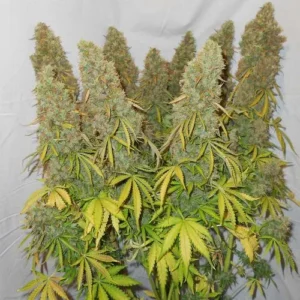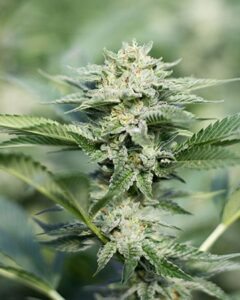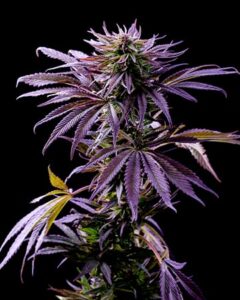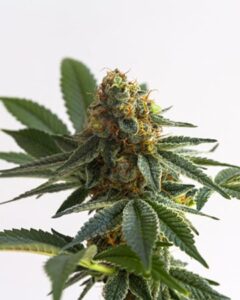

Big Bud is a renowned cannabis strain valued for its high yield and robust growth. To begin cultivating the first essential step is to select premium seeds from a reputable source. Quality seeds ensure the foundational genetics necessary for optimal growth. Big Bud thrives in both indoor and outdoor environments, but beginners often opt for indoor setups for more controlled conditions. Start your seeds in pH-balanced water until you see the first sprout, then transfer them into small starter pots filled with nutrient-rich soil.
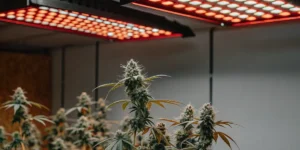
The vegetative stage for Big Bud typically lasts four to six weeks. During this stage, it’s crucial to provide ample light. A consistent 18-24 hours of light daily is optimal, typically achieved using either LED or high-pressure sodium (HPS) lighting systems. Proper lighting encourages robust foliage growth, which is essential for maximized yield. Maintain a temperature range between 70°F to 85°F. Monitor humidity levels to hover between 50%-70% for ideal conditions, promoting healthy plant development.
Recommended Strains
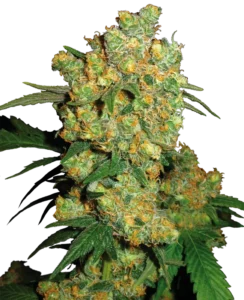
Big Bud Seeds

|
THC | 18% - 26% (Medium) |

|
Lineage | Skunk 1 x Northern Lights |

|
Type | Feminized |

|
Height | 6.56 ft | 2 m |

|
Yield | Medium |

|
Yield Indoor | 1.31 - 1.8 oz/ft² | 400 - 550 g/m² |

|
Flowering Time | 7 - 8 weeks |

|
Phenotype | 85% Indica / 15% Sativa |

|
Effects | Relaxed, Sleepy, Hungry |

|
Flavors | Floral, Earthy, Skunk |
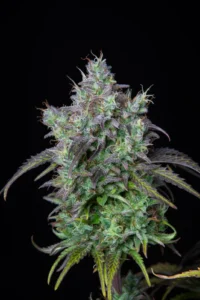
Big Bud Auto
|
|
THC | 23% - 24% (Medium) |
|
|
Lineage | Big Bud x Ruderalis |
|
|
Type | Autoflowering |
|
|
Height | 3.28 ft | 1 m |
|
|
Yield | Medium |
|
|
Yield Indoor | 1.31 - 1.64 oz/ft² | 400 - 500 g/m² |
|
|
Life Cycle | 8 - 9 weeks |
|
|
Phenotype | 70% Indica / 30% Sativa |
|
|
Effects | Creative, Happy, Relaxed |
|
|
Flavors | Floral, Fruity, Sweet |
Feeding it is integral to ensure productive growth. This strain is known for its substantial nutrient requirements. During the vegetative phase, a nitrogen-rich fertilizer supports its extensive leaf and stem production. As your plants transition into the flowering phase, typically around seven weeks, switch to a potassium-rich feed to foster budding and flowering. Regular feeding with a balanced mix of micronutrients will help prevent nutrient deficiencies, facilitating lush plant growth.
Once the plants enter their flowering phase, a shift in the light cycle is required. Reduce exposure to 12 hours of light per day. This mimics natural fall conditions and stimulates bud development. During this period, regularly inspect your plants for pests and mold, focusing on maintaining a humidity level around 40%-50%. Support your branches as the weight of the developing buds may cause strain or breakage due to Big Bud’s flowering yield potential.
Typically, it is ready for harvest within 8-9 weeks of flowering. Look for signs like reddish-brown pistils and cloudy trichomes to determine the ideal time for harvesting. Once harvested, drying and curing your cannabis over two weeks will enhance flavor and potency, providing the premium yield that Big Bud is celebrated for. Following these steps systematically will help you achieve healthy plants and a bountiful harvest.
Big Bud Strain Overview: Traits, Effects & Genetics
This strain is a renowned cannabis strain celebrated for its massive yields and its rich history. Originating in the United States during the 1980s, Big Bud was later refined in the Netherlands by expert breeders. This strain has a legacy of producing some of the most substantial buds in the cannabis world and has earned multiple awards, cementing its status as a staple in both recreational and medicinal growing communities. Its genetic lineage includes Skunk #1, Northern Lights, and Afghan, combining to offer a powerful set of features cherished by growers and consumers alike.
The primary traits of Big Bud are evident in its dense, resin-coated flowers that promise an abundant harvest. The plants typically exhibit a sturdy, bushy structure with branches that are robust enough to support the heavy flowers. This indica-dominant strain is known for its shorter flowering period, making it an attractive option for growers looking for a quick turnaround. The aroma of this strain is both earthy and spicy, with subtle undertones of fruit that are enhanced when the flowers are properly cured. The visual appeal of its well-developed buds, coupled with a high resin content, makes Big Bud a popular choice among cannabis cultivators.
In terms of effects, Big Bud offers a deeply relaxing experience due to its indica dominance, making it an excellent option for evening use. Users often report feelings of euphoria and happiness, accompanied by a soothing body high that can alleviate stress and tension. This strain is also frequently recommended for those dealing with insomnia or chronic pain, as its sedative properties can aid in achieving restful sleep and physical relief. For those seeking relaxation, Big Bud is a prime candidate to consider, especially for those who appreciate a potent high with therapeutic benefits.
The genetics of Big Bud bring together classic strains to produce a cannabis variety that is easy to grow and provides generous yields. Skunk #1 contributes to its robust growth and pungency, Northern Lights imparts a high resin content and resilience, while Afghan offers stability and enhanced potency. Together, these elements create a versatile and hardy plant that performs well in various environments, making Big Bud a favorite among both novice and experienced growers alike. Its ability to produce consistently large colas without requiring intricate care practices makes it both a rewarding and practical strain for cultivation. Whether grown indoors or outdoors, Big Bud remains a solid choice for anyone looking to reap impressive rewards.
Optimal Environment to Grow Big Bud Successfully
Big Bud is a renowned cannabis strain loved for its high yield and large, dense buds. To grow Big Bud successfully, it’s crucial to recreate an environment that supports its thriving. This indica-dominant strain requires specific conditions to unleash its full potential. Although known for its robustness, neglecting environmental factors can lead to suboptimal results, affecting both yield and potency.
Firstly, temperature is a critical component when cultivating Big Bud. Maintaining a stable temperature between 68°F to 77°F (20°C to 25°C) during the day and a slightly cooler 58°F to 70°F (14°C to 21°C) at night is ideal. Extreme temperatures can stress the plant, reducing its growth and fruition capabilities. Consistency in temperature helps in developing tighter and more substantial buds, which the strain is renowned for.
Another crucial aspect is humidity control. Big Bud flourishes in an environment with relative humidity of about 40% to 55% during the vegetative stage, which should be gradually lowered to about 35% to 45% during flowering. Too high humidity can encourage mold and mildew, which are detrimental to dense-flower hybrids like Big Bud. Therefore, monitoring and adjusting humidity levels are vital for preventing fungal diseases and fostering healthy, robust growth.
Lighting also plays an essential role in growing Big Bud. Providing an ample amount of light, preferably from high-quality LED or HPS lights, is important for promoting vigorous growth. During the vegetative stage, a light schedule of 18-24 hours under the lamp works best. As the plant enters the flowering stage, switch to a 12:12 light-dark cycle to encourage blooming. Proper light exposure ensures the plant capitalizes on its maximum yield potential.
Additionally, ventilation and air circulation are necessary to prevent stagnant air, which can lead to mold and other issues. Utilizing fans to create gentle air movement helps in strengthening the plant structure and maintaining a consistent temperature and humidity. Proper ventilation also supplies fresh CO2, which is indispensable for photosynthesis and growth.
It thrives in well-aerated soil with good drainage or a carefully maintained hydroponic system. During the vegetative phase, use nitrogen-rich fertilizers and switch to phosphorus and potassium-heavy fertilizers during flowering for optimal bud development. Regularly checking pH levels, maintaining them between 6.0 to 6.5 in soil (or 5.5 to 6.0 in hydroponics), helps in nutrient absorption and avoids nutrient lockout. By replicating these optimal environmental conditions, growers can successfully cultivate Big Bud with impressive yields and high potency.
Grow Room Setup for Big Bud Plants
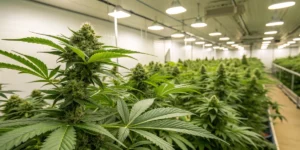
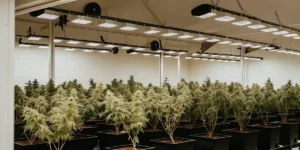
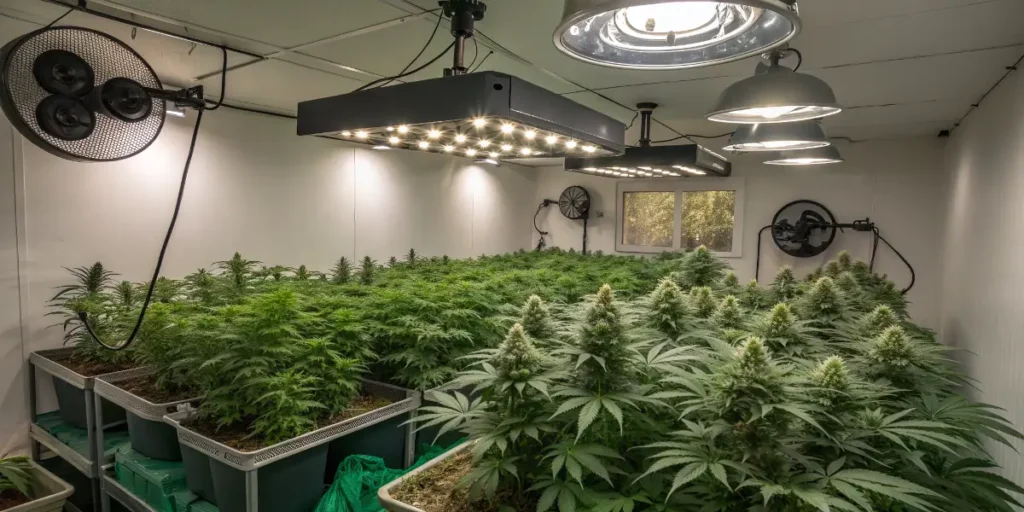
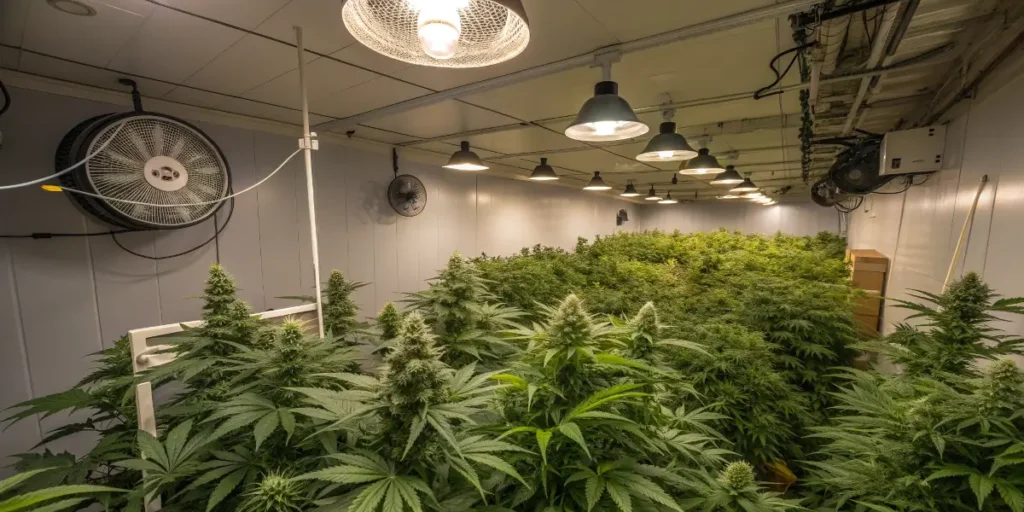
Setting up a grow room for Big Bud, known for its massive yields and quality flowers, requires careful planning and attention to detail. Big Bud plants thrive in controlled environments where temperature, humidity, and light can be finely tuned to their liking. This indica-dominant strain, lauded for its high resin production and potent effects, can flourish indoors once these elements are carefully managed. Ensuring the right ambiance can mean the difference between mediocre and massive harvests.
Firstly, let’s discuss lighting, a crucial factor in the successful cultivation of Big Bud plants. High-Intensity Discharge (HID) lights, such as High-Pressure Sodium (HPS) lamps, are recommended due to their effectiveness in promoting flowering and maximizing yield. These lights should deliver approximately 600 to 1000 watts per square meter, ensuring that all parts of the plant receive sufficient energy. Supplementary lighting, like LED or Compact Fluorescent Lights (CFL), can be employed for energy efficiency and to fill any light gaps.
Temperature and humidity levels are equally critical in cultivating Big Bud plants. The ideal temperature during the daytime should hover between 70-85°F (21-29°C), while at night, it should drop slightly to around 58-70°F (14-21°C). Humidity should be kept low, particularly during the flowering stage, to prevent mold and mildew. Utilize exhaust fans and oscillating fans to maintain air circulation and prevent heat buildup, ultimately creating a balanced and healthy environment.
Another crucial aspect of the grow room setup is the nutrient system, as Big Bud plants require substantial nutrients to reach their full potential. A hydroponic setup can be beneficial, providing the plants with ample nutrients while supporting rapid growth. The nutrient mix should be rich in phosphorus and potassium, promoting flower development and enhancing the innate bountiful yields of Big Bud. Regularly checking and adjusting the pH levels of the nutrient solution between 5.5 and 6.5 is essential for optimum nutrient absorption.
To sum up, creating the perfect grow room for Big Bud plants involves a detailed approach that considers lighting, temperature, humidity, air circulation, and nutrient delivery. By meticulously managing these factors, growers can harness the full potential of Big Bud, resulting in substantial and high-quality yields. A proper setup not only ensures healthy growth but also maximizes the unique qualities of this strain, rewarding cultivators with the big, resinous buds that Big Bud is famous for.
Indoor Growing Tips for Big Bud
When cultivating Big Bud indoors, achieving a successful harvest hinges on grasping the plant’s unique characteristics and needs. Big Bud is renowned for its high yield and resinous flowers, which thrive under controlled conditions. To begin, ensure that your indoor garden has adequate space to accommodate its robust growth. This strain is known for requiring generous canopy space, so allow at least one square foot per plant. Adequate spacing ensures optimal light penetration and air circulation, both essential for healthy development.
Another critical factor is the lighting setup. Big Bud responds exceptionally well to artificial lighting, particularly High-Intensity Discharge (HID) lights like Metal Halide (MH) for the vegetative phase and High-Pressure Sodium (HPS) for the flowering phase. Keep the lighting cycles consistent with 18-6 (light-dark) during the vegetative stage, transitioning to 12-12 to encourage flowering. Using a timer to automate these cycles helps maintain optimal growing conditions, promoting bigger and denser buds that this strain is famous for.
When it comes to nutrition, Big Bud is a heavy feeder, requiring a balanced and consistent nutrient regimen. During the vegetative phase, a higher nitrogen content will support its vigorous growth, while during flowering, a nutrient mix with a higher phosphorus and potassium ratio helps maximize bud size and resin production. Regular monitoring of pH levels is also crucial; keeping the pH between 6.0 and 6.5 ensures nutrient absorption is not hindered. Additionally, supplementing with specialized bloom enhancers and organic boosters can further enhance yield potential.
Maintaining a stable environment is also paramount. The ideal temperature range for Big Bud indoors is between 20-28°C (68-82°F), with relative humidity levels kept between 40-50% during flowering to prevent mold, particularly given the plant’s dense bud structure. Utilizing fans and exhaust systems can help manage temperature and airflow, creating an optimal climate for plant health. It’s also advisable to prune lower branches and leaves periodically to boost light distribution and overall plant energy efficiency.
Regular inspections for pests and diseases, along with timely interventions, can safeguard your plants and ensure they reach their full potential. A diligent approach, combined with the right equipment and practices, will reward growers with the impressive yields Big Bud is celebrated for, making the effort well worth it.
Outdoor Growing Tips for Big Bud
Big Bud is celebrated for its high yields and potent effect but coaxing this strain to its full potential outdoors requires strategic planning and attentive care. Ensuring your outdoor site receives ample direct sunlight is crucial, as Big Bud thrives with at least 6-8 hours of light per day. Carefully select a spot that provides unhindered access to sunlight throughout the growing season for optimal growth and bud development. Inadequate light can lead to reduced yields and less potency, which is detrimental for a strain renowned for its sizeable harvests.
Another critical factor in outdoor growing is soil quality. Big Bud prospers in nutrient-rich, well-drained soil. To properly prepare your soil, consider enriching it with organic compost or well-aged manure before planting. This not only enhances the nutrient content but also improves soil texture, aiding root growth and water retention. Regular assessment of soil pH is also advisable, maintaining a slightly acidic to neutral pH level between 6.0 and 7.0 to ensure nutrient availability. Amendments like lime or sulfur can be used to adjust pH levels as needed.
Timing your planting schedule is another essential factor to consider. Plant Big Bud seeds after the last frost date in your area to avoid damage from late spring frosts, which can stunt growth or kill young plants. In most temperate climates, this typically falls around mid to late spring. Additionally, monitor the local weather forecast regularly. Big Bud’s dense buds are susceptible to mold, especially in humid climates, so ensuring adequate airflow by pruning and spacing plants can mitigate this risk. Promptly address any signs of mold or pest infestations to ensure a healthy, abundant crop.
Implementing a regular feeding schedule tailored to the outdoor environment facilitates vigorous growth and hefty yields. Utilize a balanced fertilizer regimen with higher potassium and phosphorous concentrations during the flowering stage to support Big Bud’s prolific bud formation. Avoid excessive nitrogen during flowering to prevent a negative impact on bud development. Keep systems consistent, observing plants closely for any signs of deficiencies or excesses, allowing for timely adjustments.
As harvest time approaches, be vigilant in observing the trichomes’ maturity levels, as this will be an indicator of harvest readiness. Harvesting at the right time will ensure you capture the desired potency and flavor profiles that Big Bud offers. Overall, a methodical approach encompassing site selection, soil management, and a thorough awareness of your climate will significantly enhance your success in cultivating Big Bud outdoors.
How to Germinate & Propagate
Germinating and propagating Big Bud, a cannabis strain known for its massive yields and robust growth, begins with selecting high-quality seeds. Start by inspecting your seeds for viability; they should be firm, dark brown, and have a slight sheen on the surface. To jumpstart the process, consider using the water glass method whereby seeds are soaked in a glass of water at room temperature for 12 to 24 hours. This helps soften the seed coat, making it easier for the seeds to sprout.
Once the seeds have soaked, the next step is the paper towel method, which is ideal for Big Bud due to its large seed size. Wet a few paper towels and place the seeds between layers. Ensure the towels are damp but not overly soaked to prevent mold formation. Keep them in a warm, dark environment such as a cupboard, maintaining a temperature of 70-80°F (21-27°C). Check the towels daily to ensure they remain moist, and within 24-72 hours, you should see small roots, usually around 1-3 mm, known as radicles, emerging from the seeds.
Transplanting germinated seeds into a growing medium is crucial. Each germinated seed should be carefully picked up with tweezers and transferred to small pots filled with a light, well-draining soil mix or a seed starter. Make a small hole about 0.25 inches deep, place the seed with the root facing down, then cover it lightly with soil. Water gently to soothe the soil around the seed. For optimal Big Bud growth, ensure your growing area has adequate lighting, usually 18-24 hours of light per day during the early stages.
Propagating Big Bud via cloning is another method to maintain genetic consistency and produce plants with identical traits. Cut healthy branches from a mother plant that is at least two months old and trim the cuttings to about 4-6 inches, maintaining a few leaves at the top. Dip the cut end in rooting hormone to encourage root development and place it in a growing medium such as rock wool cubes. Keep the cuttings in a humid environment using a propagation tray with a dome, ensuring adequate lighting much like that for seedlings.
Both germination and propagation require patience and meticulous care, especially when dealing with a strain that promises high yields like Big Bud. Regular monitoring for adequate moisture, humidity, and temperature levels is essential to foster healthy growth. With the right techniques, you can ensure that your Big Bud crop flourishes, yielding the abundant harvests for which it is famed.
Vegetative Stage
The vegetative stage is a critical phase in the life cycle of your Big Bud plants. During this time, the plants focus on developing strong roots, sturdy stems, and lush foliage, all of which are essential for a successful flowering period. Proper care during this stage sets the foundation for maximum bud production later on. You’ll want to emphasize optimal lighting, watering, and nutritional strategies to support vigorous growth.
Lighting plays an essential role during the vegetative stage. Big Bud cannabis plants require ample light to perform photosynthesis efficiently, which fuels their growth. It is recommended to provide 18 to 24 hours of light per day using high-intensity grow lights, such as metal halide or LED lamps. These lights should be positioned close enough to ensure intensity but far enough to prevent leaf burn, encouraging plants to grow sturdily without stretching.
Besides adequate lighting, watering practices must be finely tuned. Overwatering is a common mistake, leading to root rot and other growth issues. It’s crucial to water just enough to keep the soil moist but not saturated. The use of well-aerated soil or a hydroponic setup can help optimize water drainage and root oxygenation, both of which are vital for healthy Big Bud plants. Regularly check moisture levels to avoid any potential problems that could hinder their development.
Nutrient uptake is another key factor in the vegetative success of your Big Bud plants. During this stage, they need a diet rich in nitrogen, which promotes leafy growth. You can achieve this by using a quality vegetative-stage nutrient formula or organic composts. Monitor your plants for signs of nutrient deficiencies or excesses, such as discoloration or leaf curling, and adjust feeding regimens as needed to maintain plant health and vigor.
Techniques such as topping, low-stress training (LST), and pruning can help control the size of the plant and encourage a bushier profile, leading to more potential flowering sites. This careful management of plant architecture will assist in maximizing your yield when the flowering stage begins. Careful attention during the vegetative stage ensures that your Big Bud plants will thrive, providing an abundant harvest.
Flowering Big Bud: What to Expect
Big Bud is a cannabis strain renowned for its high yields and robust flowers. During the flowering stage, which typically lasts between 7 to 9 weeks, growers can expect this strain to truly live up to its name. As the plants transition from the vegetative state to flowering, you will notice a remarkable increase in bud size. The buds of Big Bud are dense, chunky, and heavy, often requiring additional support to prevent branches from breaking under the weight. This characteristic makes it a favorite among commercial growers looking to maximize their output.
One of the defining features of Big Bud during flowering is the impressive aroma it begins to emit. The scent is a delightful blend of earthiness with sweet and spicy notes, which becomes more pronounced as the buds mature. The aromatic profile not only pleases the senses but also serves as an indicator of the maturation process. Growers should monitor trichome development closely during this stage, as the presence of milky or amber trichomes is an indicator of the optimal harvest time. Adequate ventilation is crucial to manage both odor and airflow, ensuring the plants remain healthy throughout the flowering period.
In terms of care, feeding Big Bud with the right nutrients is vital during its flowering stage. High phosphorus and potassium levels are recommended to support the formation of large, potent buds. Maintaining proper pH levels in the soil and water will help the plants absorb these nutrients effectively. Growers should also be vigilant about pest management, as the density of Big Bud’s flowers makes them susceptible to mold and pest infestations. Regular inspections and maintaining a controlled humidity level can mitigate these risks, ensuring a bountiful and quality harvest.
Overall, flowering Big Bud requires attentive care and management, as the change from vegetative growth to flowering is accompanied by significant changes in the plant’s needs. By monitoring environmental conditions, providing adequate support, and maintaining a keen eye on trichome development, growers can expect a formidable harvest. When done correctly, cultivating Big Bud rewards patience and effort with large, resinous buds that are as visually stunning as they are high yielding.
Fertilizers & Nutrient Schedule
Feeding Big Bud correctly is essential to maximize its potential for large, resinous flowers. Big Bud is known for its heavy yields, and to achieve these results, a well-balanced nutrient regimen is crucial. During the vegetative stage, focus on a nutrient solution rich in nitrogen, which supports lush, healthy growth. Typically, a nitrogen, phosphorus, and potassium (N-P-K) ratio of 3-1-2 or similar can be effective. Consistent feeding is key, as is monitoring the plant’s response to adjust nutrient concentrations if needed.
As Big Bud transitions into the flowering stage, the nutrient requirements shift significantly. During the early flowering phase, gradually increase phosphorus and potassium levels, as these nutrients support flower formation and growth. A good N-P-K ratio during this phase might be 1-3-3. Critical attention should be paid to the introduction of a high-quality bloom booster; products specifically formulated for cannabis can help optimize the size and density of the buds. Ensure these are introduced in accordance with the nutrient manufacturer’s instructions to avoid overfeeding and nutrient burn.
Regular flushing should be part of the feeding schedule, particularly during the later stages of flowering. Every two to four weeks, water the plants with plain pH-balanced water to help prevent nutrient lockout, where the build-up of salts can hinder nutrient uptake. Within the final two weeks before harvest, it is advisable to cease nutrient feeding and flush the plants consistently. This ensures that the resulting buds are free from residual chemicals, leading to a cleaner taste and smoother smoke. A regular, closely monitored schedule of feeding and flushing will greatly enhance the quality and yield of your Big Bud harvest.
Ideal pH levels range from 5.5 to 6.5 for optimal nutrient absorption. Routine testing and adjustments as necessary can prevent pH-related issues. Remember, every plant and environment might require slight alterations, so closely observe Big Bud’s response to the feeding regimen for optimal results. Combining scientific knowledge with attentive care will ensure that your Big Bud plants flourish and produce bountiful, satisfying harvests.

Pest and Disease Prevention for Healthy Cannabis Plants
Pest and disease prevention is a crucial aspect of cultivating healthy cannabis plants, particularly for strains like Big Bud, which are known for their impressive yields. Ensuring your cannabis plants remain pest-free is essential to maintaining their overall health and productivity. Start by selecting high-quality soil and providing optimal growing conditions. Healthy plants are naturally more resistant to pests and diseases.
One of the best preventative measures is to maintain cleanliness in your growing environment. Regularly clean your tools, pots, and workspaces to prevent any potential contamination. It is vital to monitor your plants closely for any signs of infestation or disease. Early detection can be the difference between a minor issue and a catastrophic loss. Consider using yellow sticky traps to monitor for pests like aphids, fungus gnats, and thrips. Moreover, routinely inspecting the undersides of leaves can help spot early signs of trouble.
Biological control methods are highly recommended for their eco-friendly and non-invasive nature. Introduce beneficial insects such as ladybugs and predatory mites, which can naturally reduce pest populations. These allies help keep your cannabis plants healthy without the adverse effects that chemical pesticides might have. Alongside this, ensure that you maintain good airflow around your plants, as humidity can encourage mold and mildew, commonly seen in dense strains like Big Bud.
Cultural practices such as crop rotation and companion planting can also play a role in pest prevention. Marigolds and nasturtiums, when planted nearby, act as natural deterrents to many harmful insects and can promote the overall health of your cannabis crop. Likewise, rotating the position of your cannabis plants limits the permanence of specific pests and pathogens.
Besides natural methods, consider the use of organic sprays such as neem oil or insecticidal soap, especially when the pest burden is beyond the control of biological means. These sprays serve as an effective line of defense and, when used correctly, do not harm beneficial insects or the environment. Always follow the manufacturer’s instructions to ensure safety and effectiveness. With diligent care and preventative measures, your Big Bud cannabis plants can thrive pest-free.
Harvesting & Drying
Harvesting Big Bud at the ideal time is crucial to maximizing its potential yield and potency. This strain is known for its enormous, dense buds, which are packed with cannabinoids and terpenes. The optimal time to harvest Big Bud is when its trichomes, the tiny resin glands on the buds, change from a clear to a milky white color. Besides, pistils should be approximately 70% brown, indicating that the plant has reached peak maturity. Using a magnifying glass or a jeweler’s loupe can provide a more accurate view and help in making precise decisions on the right harvesting time.
Once you’ve determined the right time to harvest, use sharp, sterilized scissors to cut down the branches. It’s important to remove any large fan leaves, which don’t contain much in the way of cannabinoids, thus simplifying the drying process. Carefully handle the branches to prevent damaging the resin-preserving trichomes. Ideally, the trimming of smaller sugar leaves should occur post-harvest to allow the plant to retain more moisture and to support a more uniform drying process. This is referred to as wet trimming and lays a strong foundation for an effective drying process.
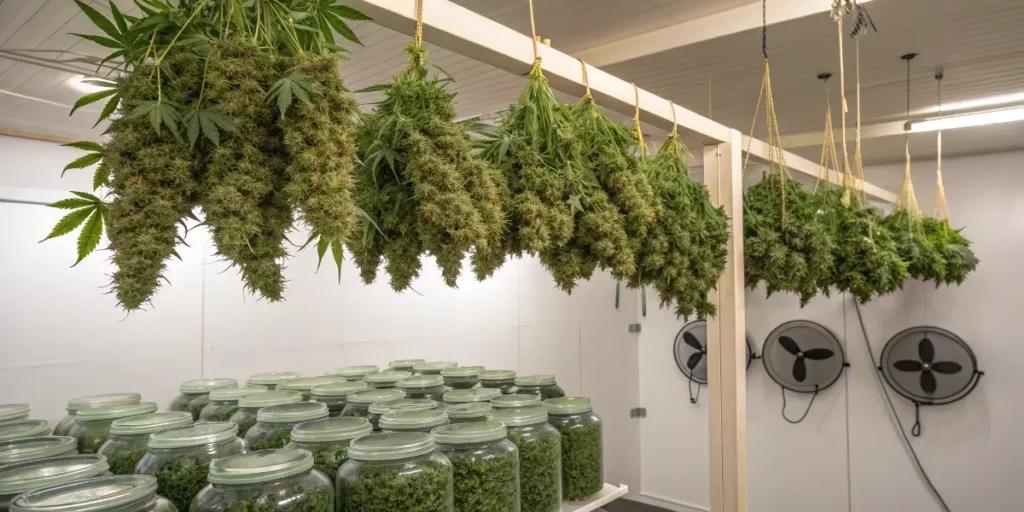
Drying Big Bud correctly is vital to ensuring quality and potency. Hang the trimmed buds upside down in a dark, well-ventilated room with a temperature range of 60-70°F (15-21°C) and relative humidity levels around 50-60%. This environment prevents mold and encourages a gradual drying process, which typically lasts about 7-12 days. During drying, maintain air circulation within the room using fans, but avoid directing them straight onto the buds, as this could cause uneven drying.
After drying, it’s crucial to cure Big Bud to enhance its flavor profile and potency further. Place the dried buds into glass jars, filling them about three-quarters full to allow for air exchange. Store these jars in a dark, cool place, and open them daily for the first couple of weeks to release excess moisture—a process known as “burping.” Proper curing can take anywhere from two weeks to a month, but the enhanced aroma, flavor, and smoothness are worth the wait.
Big Bud Strain Type: Indica, Sativa or Hybrid?
Big Bud is predominantly an Indica-dominant hybrid, renowned for its impressive yield and potent effects. This strain was engineered for its bountiful harvest and its remarkable, large buds. The origins of Big Bud can be traced back to the 1980s, a golden era for cannabis breeders who were experimenting with crossing various strains to enhance both potency and yield. Through meticulous crossbreeding, Big Bud emerged as a standout choice, combining the robust properties of both Sativa and Indica strains, yet leaning more heavily towards Indica characteristics.
As an Indica-dominant hybrid, Big Bud exhibits classic traits that are characteristic of this category. The plant features a short and bushy stature, typical of Indica varieties, making it aesthetically appealing and manageable to cultivate, especially for growers with limited space. Moreover, the flowering period of Big Bud is relatively short, typically ranging around 7 to 9 weeks. This feature, coupled with its significant yields, makes it an attractive choice for commercial growers and hobbyists alike. The lineage of Big Bud includes Northern Lights and Afghani, further solidifying its Indica-heavy profile.
Despite its Indica dominance, Big Bud does retain some Sativa qualities, though these are overshadowed by its Indica features. The effects of Big Bud are predominantly calming and relaxing, often leading to a sedative state that is beneficial for those seeking relief from stress, pain, or insomnia. However, it can also evoke a gentle euphoria, a nod to its Sativa genetics. This balance makes Big Bud an excellent strain for evening use, as it offers an overarching effect of mellowness while still allowing for moments of creative clarity and blissful moods.
Big Bud is primarily an Indica-dominant hybrid, known for its substantial yields and soothing effects. While it possesses minor Sativa traits, they are generally subdued, allowing the Indica influences to take the forefront. This results in a strain that is both productive in cultivation and highly effective in delivering a relaxing and comforting experience for users. Therefore, those who opt for Big Bud are choosing a reliable cultivar that satisfies both the growers’ and consumers’ needs with its potent, comforting attributes.
Key Benefits for Cultivators
Big Bud is a renowned strain in the cannabis cultivation world, celebrated for its impressive yields and robust growth characteristics. Its name itself hints at one of the predominant reasons growers favor this strain: the ability to produce large, dense buds. This feature is particularly cherished by commercial growers seeking to maximize their return on investment through substantial harvests. Additionally, Big Bud is known for its strong, resilient genetics, making it a reliable choice even for those new to cannabis cultivation. Its resilience ensures steady growth across various conditions, reducing the risk of crop failure.
One of the critical benefits of growing Big Bud is its genetic lineage, which stems from a blend of popular strains like Afghan, Northern Lights, and Skunk #1. This composition not only enhances its growth characteristics but also delivers a potent product with a rich cannabinoid profile. The effect of Big Bud is predominantly indica, providing consumers with a relaxing, sedative experience. Cannabis businesses targeting clientele looking for stress relief or those battling insomnia might find growing Big Bud an effective way to cater to this market segment.
Apart from the practical advantages of yield and potency, Big Bud’s cultivation is also relatively straightforward. It boasts a high resistance to pests and molds, attributes that are particularly advantageous for cultivators in humid or unpredictable climates. The strain’s forgiving nature allows cultivators room for minor errors, making it a suitable option for novices. Furthermore, Big Bud tends to have a shorter flowering period, enabling multiple harvests within a year, which can significantly enhance productivity and profitability over time.
To sum up, the primary motivations for choosing to grow Big Bud include its high yield, resilient genetics, and market appeal. Whether you are a commercial producer or a hobbyist gardener, Big Bud offers a harmonious balance of quality and quantity. By choosing this strain, cultivators can look forward to a rewarding growing experience that combines ease of growth with lucrative outcomes. Big Bud stands out as an excellent addition to any garden, promising both novice and seasoned growers a highly rewarding yield.
Potential Challenges When Growing Big Bud
Big Bud is renowned for its high yield and resinous buds; however, cultivating this strain does present several challenges that growers need to be prepared for. One of the primary concerns is its susceptibility to mold and mildew due to its dense buds. The thick colas, while impressive, can trap moisture, making it essential to maintain optimal humidity levels in the growing environment. Proper ventilation is crucial, and growers should ensure good air circulation to prevent any fungal issues from taking hold.
Another challenge when growing Big Bud is its nutrient requirements. This strain is known for being particularly demanding when it comes to feeding. Growers must carefully manage the nutritional inputs to avoid deficiencies or toxicities. Big Bud thrives with a balanced nutrient schedule that supports its vigorous growth, especially during the flowering stage. Monitoring the pH levels of the soil or growing medium is also vital to ensure nutrient uptake is not impeded, as the plant is sensitive to fluctuations.
Additionally, due to its rapid and robust growth, Big Bud can quickly outgrow its space if not managed properly. Plant training techniques, such as topping and pruning, are often necessary to keep the plant under control and to maximize light exposure to the lower branches. This requires an active maintenance schedule and a bit of experience in plant training, making it potentially challenging for novice growers. Space constraints can also become an issue, especially in indoor setups, necessitating thoughtful planning and space management.
However, patience and careful attention to detail are vital for overcoming the hurdles associated with its cultivation. Investing time in research and being prepared to adapt to the plant’s specific needs will help ensure a successful harvest. As with any cannabis strain, growers should remain vigilant throughout the grow cycle to detect and mitigate any problems before they impact crop quality or yield.
Here’s What You Need to Know
When it comes to cultivating cannabis, Big Bud is a name that frequently surfaces due to its reputation for producing exceptionally large yields. This strain, which has been refined over the years to optimize its growth potential, is particularly appealing to both commercial growers and hobbyists who seek maximum output from their plants. But is Big Bud worth buying? Grasping its attributes can help you make an informed decision.
Big Bud is often lauded for its massive flower clusters and the sheer volume of its harvests. It is a predominantly indica strain, although it has been stabilized to incorporate the benefits of both indica and sativa. This genetic mix gives it durability and a relatively short flowering time, usually between 7 to 9 weeks. The quick maturation period means you’ll be able to enjoy its bountiful produce sooner, making it an attractive choice for growers eager to capitalize on multiple harvests within a growing season.
Besides its impressive yield, Big Bud is praised for its potent effects. The high is typically described as relaxing and euphoric, making it suitable for both recreational and medicinal users. It tends to offer a calming body high, alleviating stress and promoting relaxation without leading to complete couch lock, unless consumed in large quantities. This makes it versatile for various consumer needs, from unwinding after a long day to more therapeutic applications.
The physical characteristics of Big Bud plants make them aesthetically pleasing yet robust. They are known to be hardy, capable of thriving in various environments, which is an asset for growers facing less-than-perfect conditions. While Big Bud plants are sturdy, their size and weighty flowers mean they might require some additional support to prevent breakage under the weight of their buds.
However, as with any cannabis strain, the decision to purchase should also take into account your specific growing conditions, budget, and consumption preferences. If your aims align with what Big Bud offers, investing in this strain could certainly be a rewarding venture.
FAQs: Growing Big Bud
How difficult is it to grow Big Bud?
Big Bud is generally considered an easy strain to grow, making it an excellent choice for both novice and experienced cultivators. It thrives in both indoor and outdoor environments, though it prefers a controlled indoor setting for optimal growth. The plant is hardy and forgiving, which makes it resilient to minor growing errors. With proper attention to feeding and environment, growers can expect a successful harvest.
What is the typical flowering time for Big Bud?
The flowering time for Big Bud usually ranges from 7 to 9 weeks. This relatively short flowering period allows growers to enjoy a quicker harvest compared to longer-flowering strains. Indoor growers should monitor light exposure and environmental conditions closely during this stage to ensure the plant develops dense, well-formed buds.
What kind of yield can I expect from Big Bud?
As its name suggests, Big Bud is renowned for its high yield potential. Indoor growers can expect yields of up to 500-600 grams per square meter when all growing conditions are optimal. Outdoors, depending on the climate and care, Big Bud can produce up to 800 grams per plant. Its impressive yield makes it a popular choice for commercial growers.
What are the climate requirements for growing Big Bud?
Big Bud thrives best in a warm and sunny Mediterranean-like climate when grown outdoors. It requires consistent temperature and humidity controls to prevent mold and mildew, especially given its dense buds. If growing indoors, maintaining a temperature range of 68-77°F (20-25°C) with moderate humidity levels will promote optimal growth and bud development.
What are the common issues faced when growing Big Bud?
While Big Bud is relatively easy to grow, its dense buds can be prone to mold and mildew, especially in high humidity conditions. Proper ventilation, spacing, and humidity control can mitigate these risks. Additionally, pay attention to pest management, as spider mites can occasionally be a problem. Regular monitoring and preventative care can help maintain plant health throughout its lifecycle.