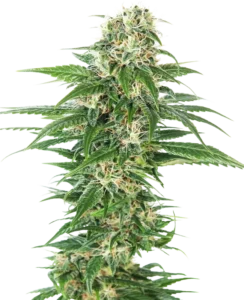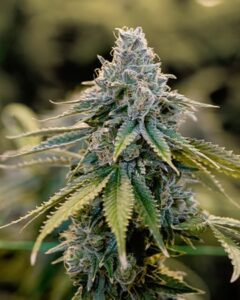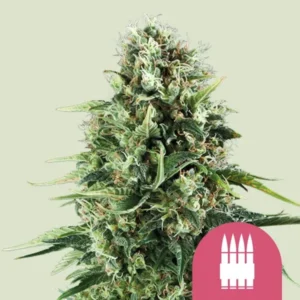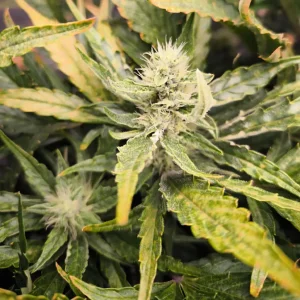
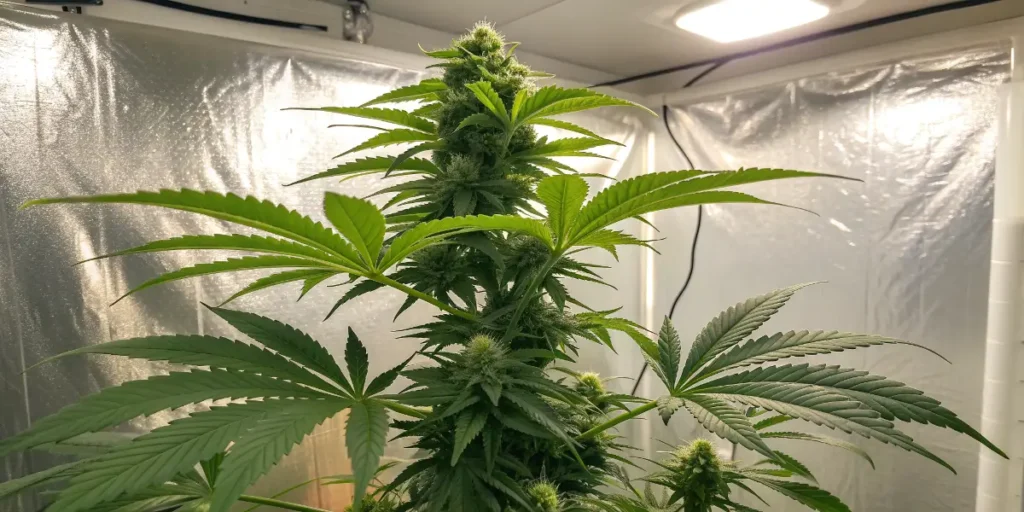

Embarking on the journey to grow Big Bull can be a rewarding experience for both novice and seasoned growers. This variety is known for its robust structure and high-yield potential, making it a favorite among cannabis enthusiasts. Knowing the basics of cannabis cultivation ensures healthy plants and a bountiful harvest.
When cultivating this cultivar, control over the growing environment is key. The plant thrives best with a stable temperature range between 70°F and 85°F and requires consistent humidity levels, ideally between 40% and 60%. Proper ventilation, along with adequate lighting, is necessary to encourage vigorous growth and optimize the development of its buds.
Recommended Strains
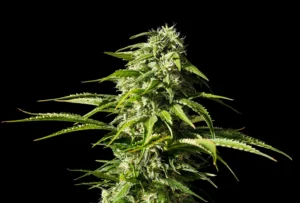
Big Bull Strain

|
THC | 18% - 20% (Medium) |

|
Lineage | Early Pearl x Skunk x Black Domina |

|
Type | Feminized |

|
Height | 3.28 ft | 1 m |

|
Yield | Medium |

|
Yield Indoor | 1.47 oz/ft² | 450 g/m² |

|
Yield Outdoor | 21.16 oz/plant | 600 g/plant |

|
Flowering Time | 8 - 9 weeks |

|
Phenotype | 60% Indica / 40% Sativa |

|
Effects | Relaxed |

|
Flavors | Sweet, Floral |
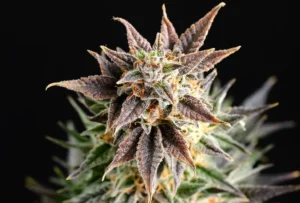
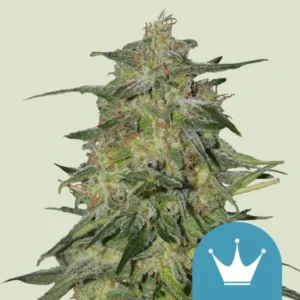
Big Band Strain
|
|
THC | 18% - 19% (Medium) |
|
|
Lineage | Bubblegum x Chronic x Black Domina |
|
|
Type | Feminized |
|
|
Height | 5.91 ft | 1.8 m |
|
|
Yield | Low |
|
|
Yield Indoor | 0.16 - 1.8 oz/ft² | 50 - 550 g/m² |
|
|
Yield Outdoor | 21.16 - 22.93 oz/plant | 600 - 650 g/plant |
|
|
Flowering Time | 7 - 8 weeks |
|
|
Phenotype | 35% Indica / 65% Sativa |
|
|
Effects | Relaxed |
|
|
Flavors | Fruity, Sweet |
Feeding this plant the right nutrients at each stage of growth is crucial. High nitrogen levels support its vegetative phase, while increased phosphorus and potassium aid in bloom development and terpene production. Regularly monitoring the pH of the soil or growing medium will prevent nutrient lockout and support overall plant health.
To maximize yield, utilize training techniques like topping and low-stress training, which encourage the plant to grow more evenly and increase light exposure to all parts. Regular pruning of excess foliage also promotes better air circulation, reducing the risk of mold and pests. With careful attention and timely care, growers can achieve a successful and abundant harvest.
Big Bull Strain Overview: Traits, Effects & Genetics
Big Bull, known for its robust nature, captivates growers with its impressive yield and resilient genetics. It combines the best of its parent varieties, resulting in a plant that thrives under various cultivation conditions. The buds of this cultivar are dense and fragrant, filled with a rich assemblage of terpenes that promise a unique sensory experience.
Cannabis enthusiasts cherish this variety for its balanced effects, which offer a perfect blend of relaxation and mental clarity. The plant’s genetics contribute to its ability to provide stress relief without inducing lethargy, making it a favored choice among both recreational and medicinal users. The euphoric yet calming effects can support creativity and focus, making it versatile across different settings.
Growers appreciate this strain’s straightforward cultivation process. It flourishes indoors and outdoors, adapting well to both soil and hydroponic systems. For an optimal harvest, maintaining consistent temperature and humidity levels is essential. The plant’s resilience to common pests and mold makes it particularly appealing for new cultivators looking to maximize their yield.
In terms of terpene profile, this variety boasts a complex yet inviting aroma, marked by earthy and sweet notes that reflect its diverse lineage. Such characteristics not only enhance the overall smoking experience but also cater to connoisseurs seeking a sophisticated flavor palette. For those aiming to cultivate a rewarding cannabis crop, this cultivar is a remarkable option to consider.
Optimal Environment to Grow Big Bull Successfully
To cultivate Big Bull effectively, creating an optimal environment is vital. It thrives in controlled indoor or outdoor setups, allowing growers to manage variables like temperature and humidity precisely. This cultivar prefers a warm climate with temperatures between 70-80°F (21-27°C), which simulates the natural conditions under which cannabis flourishes.
Besides temperature, maintaining ideal humidity levels is crucial. During the vegetative stage, keep humidity between 55-70% to encourage robust growth. As buds begin to form in the flowering stage, reduce humidity to 40-50% to prevent mold and mildew, ensuring a bountiful harvest.
Lighting also plays a critical role in the development of this genetics. Implementing LED or HID lights indoors with a cycle of 18 hours on/6 hours off during the vegetative phase and 12 hours on/12 hours off during flowering can help maximize yield. Outdoors, ensure the plant receives ample sunlight for optimal bud development and terpene production.
Don’t overlook the importance of soil quality and nutrients. This variety benefits from a well-balanced nutrient regimen rich in nitrogen during the vegetative phase and higher phosphorus and potassium levels during flowering. Ensuring the soil has good drainage and aeration will further support healthy root systems and overall plant vitality.
Grow Room Setup for Big Bull Plants
Cultivating a successful crop of this cannabis cultivar requires a well-arranged grow room that caters to its unique characteristics. While the plant favors a controlled indoor environment, it’s crucial to create an atmosphere where it can thrive, promoting the development of dense buds and potent terpenes which enhance both flavor and therapeutic properties.
Big Bull benefits from consistent conditions with temperatures between 70-85°F (21-29°C) during its growing cycle. Maintaining a stable humidity level, ideally between 40-50%, helps mitigate mold risk while ensuring optimal growth. Proper ventilation is also key; installing quality fans or exhaust systems will prevent heat accumulation and keep air circulating, promoting healthier plants.
Lighting is another critical element for this variety’s cultivation. Invest in high-quality LED grow lights that mimic the sun’s spectrum, fostering robust growth and enhancing the eventual harvest. A light cycle of 18 hours on and 6 hours off during the vegetative stage, followed by 12 hours on and 12 hours off during flowering, supports its developmental needs.
Regular monitoring of pH levels in both the growing medium and water supply can significantly impact the plant’s overall health. Aim for a pH range of 6.0 to 6.5 to maximize nutrient absorption and prevent deficiencies that could hinder yield. By tailoring your grow room to meet these specifics, you’ll foster a thriving environment conducive to producing abundant, high-quality buds.
Indoor Growing Tips for Big Bull
Growing this strain indoors can be a rewarding endeavor for cannabis enthusiasts. Known for producing lush, dense buds, this cultivar thrives in a controlled environment where temperature and humidity can be carefully managed. Ensuring optimal conditions allows growers to harness the full potential of this variety, leading to a successful and abundant harvest.
It’s important to maintain a stable climate within your grow space, as fluctuations can stress the plant. Big Bull flourishes with temperatures between 70 to 80°F (21 to 27°C) and relative humidity of 40-50% during the flowering stage. Adequate ventilation is essential to prevent mold and pests, which can affect the integrity of your buds.
Lighting plays a crucial role in the cultivation of this genetics. LED grow lights are a great choice, offering efficiency and full-spectrum light necessary for vigorous growth and terpene development. Keeping lights at the appropriate distance will prevent light burn and ensure even growth throughout the canopy. Regularly check and adjust as the plant matures.
Feeding your plants properly can make a significant difference in yield and bud quality. Utilize a balanced nutrient schedule tailored for cannabis, and monitor pH levels to facilitate nutrient uptake. These steps, combined with regular trimming and training, will optimize airflow and light penetration, ultimately enhancing the overall health and productivity of this cultivar.
Outdoor Growing Tips for Big Bull
Growing cannabis outdoors can be both rewarding and challenging, especially with a cultivar like Big Bull. This strain is known for its resilience and robust growth, making it a popular choice among outdoor growers. However, to maximize the potential of this variety, it’s essential to understand its specific needs and provide optimal conditions.
For successful outdoor cultivation, location is key. This genetic type thrives in warm, sunny environments, so selecting a site with plenty of sunlight is crucial. Ensure that the planting area has well-draining soil to prevent waterlogging, which could harm the plant’s root system. Regular exposure to fresh air also aids in reducing the risk of mold and pests.
When it comes to feeding the plant, it benefits from a balanced nutrient regime tailored to its growth stage. During the vegetative phase, focus on higher nitrogen levels to promote lush foliage. As the plant transitions to flowering, gradually shift to a phosphorus-rich diet to boost bud development. Monitoring the pH levels of both soil and water can further enhance nutrient uptake and ultimately, the yield.
Timing the harvest is crucial for maximizing yield and terpene profiles. Keep a close eye on the trichomes using a magnifying tool; they should turn from a clear to a milky white color. Harvesting too early or late can impact both the potency and flavor of the final product. With the right preparations, growing this strain outdoors can lead to a bountiful and aromatic harvest.
How to Germinate & Propagate Big Bull
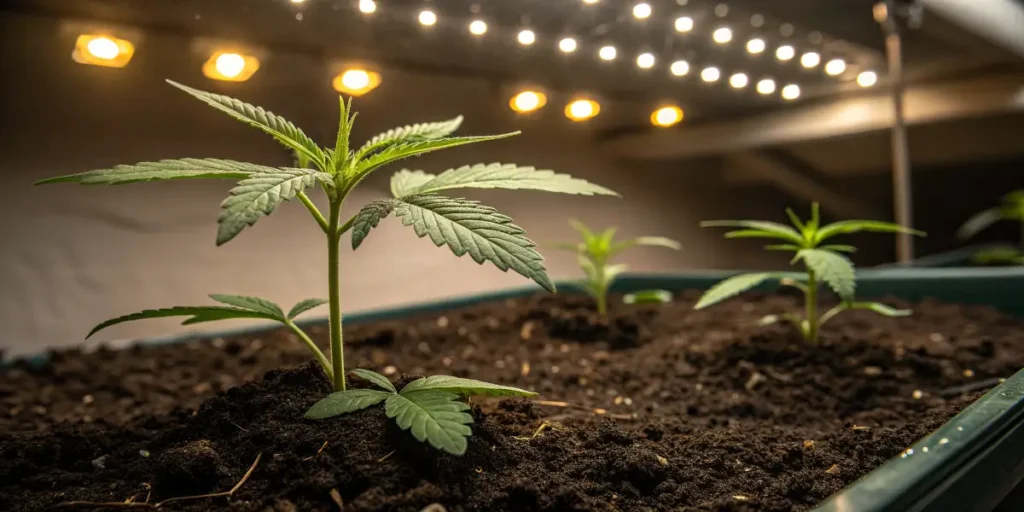
Successfully cultivating this strain begins with proper germination techniques. To achieve the best results, start by soaking the seeds in room temperature water for 12 to 24 hours. This step helps to soften the outer shell, promoting faster sprouting. Keep an eye on the water temperature, as overly warm or cold conditions can hinder the germination process.
Once soaked, transfer the seeds to a damp paper towel, folding it gently to envelop the seeds and then placing it within a sealed plastic bag or lidded container. This method creates a humid environment similar to a greenhouse, aiding in successful cultivation. Store the setup in a dark, warm place, maintaining a temperature between 70-80°F (21-27°C) for optimal sprout development.
After germination, the next step is careful propagation. Transfer the sprouted seeds into small containers filled with high-quality soil or a planting medium designed for cannabis. Ensure that the taproot points downward to support proper root establishment. Maintain a consistent moisture level without over-watering, allowing the roots to establish a strong foundation for future growth.
To maximize yields and potency, monitor environmental conditions closely as the plant matures. This variety thrives in well-ventilated spaces with consistent light exposure. Tailoring the nutrient schedule to support healthy leaves and buds is essential. With attentive care, this genetics can produce an abundant harvest, enhancing its unique terpene profile and overall quality.
Vegetative Stage: Nurturing Your Big Bull Plants
During the vegetative stage, the plant focuses on developing a strong foundation for optimal growth. This phase is crucial for growers aiming to maximize the yield and quality of their cannabis as the plant prepares for the flowering stage. Proper care and attention can significantly influence the strength and structure of this cultivar, setting the stage for a bountiful harvest.
This genetics thrives in a well-maintained environment with ample light, nutrients, and water. Offering 18 to 24 hours of light per day will encourage robust foliage development. The plant’s nurturing demands increase as it grows, and ensuring a balanced approach to feeding with nitrogen-rich nutrients can promote healthier and more vigorous growth during this period.
Maintaining optimal temperature and humidity levels is vital for Big Bull’s cultivation. Keep the temperature between 70-85°F and maintain humidity around 40-70% for best results. Regularly check for any signs of stress or pests, as early intervention can prevent potential issues and safeguard the plant’s potential yield and terpene profile.
Regular pruning and training during the vegetative stage enhance light penetration and air circulation, which can lead to more substantial bud sites and increased overall yield. Techniques like topping or low-stress training can be particularly beneficial for this variety, redirecting energy to the main colas for a more productive growth cycle.
Flowering Big Bull: What to Expect
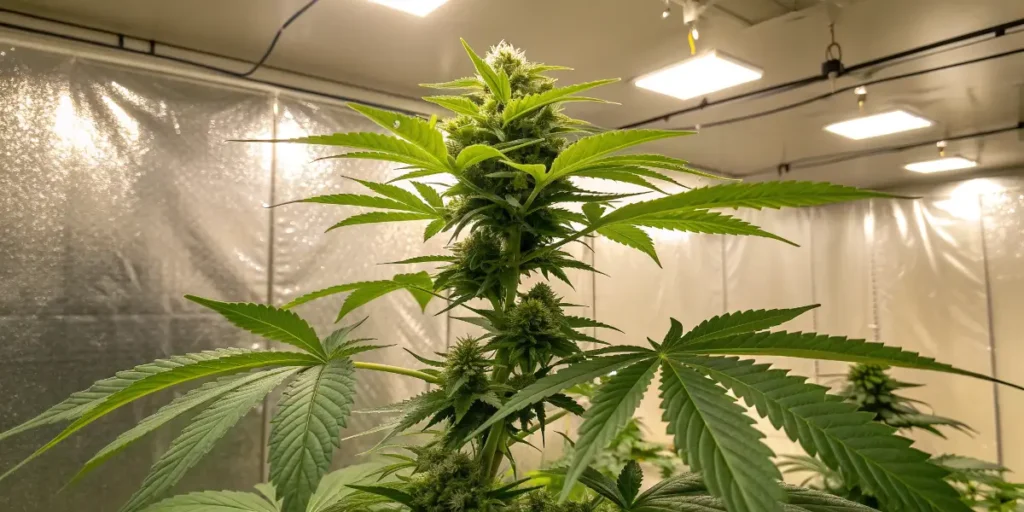
The flowering stage of this strain is a critical period where the plant’s full potential is realized. Known for its robust yield, this cultivar typically transitions into flowering within 8 to 10 weeks, exhibiting lush growth and dense buds. Growers should anticipate a noticeable increase in the plant’s aroma as the terpenes begin to develop, providing a rich scent profile that’s both invigorating and distinct.
During the flowering phase, the plant’s nutrient needs will shift, requiring a careful balance of phosphorus and potassium to promote healthy bud development. Adequate spacing between plants is essential to ensure proper air circulation, reducing the risk of mold and enhancing the overall quality of the harvest. Light cycles should be adjusted to 12 hours of darkness daily to simulate shorter days and encourage blooming.
For those cultivating this variety, it’s crucial to monitor environmental factors closely. Maintain a consistent temperature between 68-77°F (20-25°C) and aim for humidity levels around 40-50% to optimize the conditions for budding. Regularly check for pests or diseases, and prune the lower leaves to direct the plant’s energy towards the buds. These practices will contribute to a bountiful and potent yield.
As the buds of this genetics mature, you’ll notice an increase in trichome production, indicating peak potency. Harvesting should ideally be timed when the trichomes shift from clear to milky white, ensuring a rich cannabinoid and terpene profile. Investing time in knowing the unique needs of this variety during flowering will reward growers with high-quality buds.
Feeding Big Bull: Fertilizers & Nutrient Schedule
The proper feeding regimen is crucial when it comes to cultivating robust and healthy cannabis plants. For this particular variety, knowing its nutritional needs can significantly impact the quality of the buds and the overall yield. Like most cannabis strains, it thrives with a well-balanced diet of macronutrients and micronutrients throughout its lifecycle.
During the vegetative stage, Big Bull benefits from a nitrogen-rich fertilizer to support leafy growth. Growers should aim to maintain a nutrient schedule that gradually increases dosage as the plant matures. This ensures that it develops a strong structure capable of supporting dense buds. Besides nitrogen, including phosphorus and potassium is essential to promote root development and resilience.
As the plant transitions to the flowering phase, the nutrient focus shifts towards phosphorus and potassium to boost bud production and terpene profile. It’s important for growers to ease off on nitrogen during this period as high levels can inhibit bud growth and reduce overall quality. This cultivar responds well to organic fertilizers, which can enhance the natural flavors and aroma of the harvest.
Practically speaking, keeping a close eye on the plant’s response to the nutrient schedule is vital. Adjusting the feeding plan based on its specific reactions can help prevent nutrient burn or deficiencies. Employing a hydroponic setup can give more precise control over nutrients, but even in soil-based systems, regular pH checks and consistent watering schedules contribute to achieving an optimal harvest. By tailoring the nutrient plan to meet this strain’s needs, cultivators can maximize their yield and enjoy a bountiful harvest.
Pest and Disease Prevention for Healthy Cannabis Plants
Ensuring the health of cannabis plants during their cultivation is paramount for a successful harvest. Like any other cannabis variety, Big Bull can be susceptible to various pests and diseases. Growers must adopt complete plant health strategies to cultivate robust buds with rich terpene profiles and achieve optimal yields.
Knowing the common threats that this cultivar faces is the first step toward effective prevention. Pests such as spider mites, aphids, and whiteflies can severely impact the plant’s growth. Additionally, fungal diseases like powdery mildew and botrytis need constant vigilance and control. Early detection and identification are key to managing these potential issues.
Implementing cultural practices is vital in maintaining the health of the plant. Regularly inspecting leaves, stems, and buds helps detect early signs of infestation or disease. Maintaining a clean, well-ventilated growing environment reduces the likelihood of fungal development. Employing organic pest control methods and beneficial insects can effectively mitigate pest issues without harmful chemicals.
Moreover, using disease-resistant strains can minimize risks, though growers should still follow best practices. Rotating and spacing out plants further reduces the spread of disease. Emphasizing holistic care through balanced nutrition and proper watering also plays a critical role in keeping this cultivar strong and resilient against threats.
Harvesting & Drying Big Bull the Right Way
When it comes to cultivating this strain, timing the harvest is crucial for optimizing both potency and flavor. The plant typically displays ripe buds within 8-9 weeks of flowering. Growers should observe the trichomes using a magnifying glass; when these resin glands turn milky white with a hint of amber, the cultivar is at peak ripeness and ready to be harvested.
After determining the right moment to harvest, carefully cut the branches to avoid damage. The goal is to maintain the integrity of the cannabis buds and preserve the unique terpene profile. It’s advisable to handle the plants gently and use sanitized tools to prevent any contamination. Once harvested, the drying process begins, a critical step in ensuring a quality final product.
For drying, hang the branches upside down in a well-ventilated area with a temperature of around 60-70°F and humidity levels between 45-55%. This environment helps conserve the aromatic compounds and cannabinoids, leading to a smoother smoke. Depending on the conditions, this process may take 7-14 days, so regular checks are essential to avoid over-drying.
Upon completion of the drying stage, the buds should be transferred to airtight containers for curing. This final step allows the remaining moisture to distribute evenly throughout the buds, enhancing their flavor and potency over time. Regularly opening the containers for a few minutes each day can aid in the release of excess moisture, ultimately resulting in a superior yield with rich aroma and effect.
Big Bull Strain Type: Indica, Sativa or Hybrid?
The strain in question, a true gem in cannabis cultivation, is predominantly an indica variety. Known for its robust growth characteristics and dense, resinous buds, this cultivar captures the essence of traditional indica genetics with a twist that appeals to both novice and experienced growers. Its profile is well-suited for those seeking a plant that provides a relaxing and mellow experience.
Characterized by its broad leaves and bushy structure, this variety thrives when given adequate space to branch out. As it matures, the plant forms thick, sturdy colas that are a testament to its indica lineage. Growers often admire its ability to produce an impressive yield while maintaining a rich terpene profile, contributing to its potent aroma and flavor notes.
When cultivating this strain, consider employing techniques like topping or low-stress training (LST) to optimize light exposure and promote even bud development. Indoors, maintaining a controlled environment with stable temperatures and humidity levels will enhance the plant’s growth and resin production. Outdoors, ensure it receives ample sunlight and protection from pests for the best possible harvest.
Paying attention to feeding schedules will ensure this cultivar reaches its full potential. Providing a balanced nutrient regimen during its flowering phase will bolster bud development and maximize yield. As the plant nears harvest, flushing the soil will help unlock the full flavors and aromas inherent in its terpene composition, ultimately rewarding growers with a high-quality crop.
Why Grow Big Bull? Key Benefits for Cultivators
For cannabis enthusiasts and cultivators, this variety offers an impressive array of benefits that make it a compelling choice. The plant is renowned for its robust growth and resilience, making it suitable for both novice and experienced growers. Thanks to its hardy nature, Big Bull can flourish in a range of environmental conditions, leading to successful cultivation cycles.
This cultivar stands out due to its remarkable yield potential, characterized by dense, resinous buds packed with aromatic terpenes. Growers appreciate the rich, earthy scent it produces, which is complemented by sweet undertones. Such distinctive aroma profiles make it a favorite among those aiming to produce high-quality cannabis.
When it comes to practical cultivation tips, consider regulating temperature and humidity levels to optimize bud formation. Employing training techniques like topping or low-stress training can further enhance its growth and yield. Ensuring adequate air circulation and nutrient supply will support the plant in reaching its full potential during the harvest season.
The plant’s potent effects and well-balanced cannabinoid composition cater to a diverse range of consumer preferences, elevating its market value. As a result, this genetics can be a lucrative addition to any cannabis operation, rewarding cultivators with a bountiful and high-demand harvest.
Potential Challenges When Growing Big Bull
Cultivating this strain can be rewarding for both novice and experienced growers, but it comes with its own set of challenges. The plant is known for its hearty structure and robust buds, yet growers might face certain hurdles during the cultivation process. Knowing these potential issues can help in preparing effective strategies to optimize growth and yield.
One of the primary concerns when growing this variety is its sensitivity to environmental changes. This cultivar thrives best in a stable climate where temperature and humidity levels are consistently maintained. Sudden fluctuations can stress the plant, potentially affecting its terpene profile and overall health. To avoid disruptions, ensuring a controlled environment is crucial.
Another common issue is nutrient management. The plant demands a balanced diet of macro and micronutrients. Overfeeding or underfeeding can lead to nutrient burn or deficiencies, which may stunt growth and impede bud development. Regular monitoring of soil and plant health, along with thoughtful fertilization strategies, can aid in addressing this challenge effectively.
This genetics may be susceptible to mold and pest infestations, particularly in outdoor setups. Implementing preventive measures, such as regular inspections and organic pest control solutions, can mitigate these risks. Also, maintaining proper ventilation and adequate spacing between plants will help to prevent mold issues, safeguarding the overall quality of your harvest.
Is Big Bull Worth Buying? Here’s What You Need to Know
For cannabis enthusiasts considering a new addition to their garden, Big Bull offers a range of compelling attributes. Known for its robust growth profile, this variety is particularly appealing to both novice and experienced growers. Its resilience against common pests and diseases makes it a reliable choice for cultivation, ensuring a healthy crop and rewarding harvest.
In terms of yield, the plant does not disappoint. It is engineered to produce dense, resinous buds rich in terpenes, providing a fragrant and potent product. This cultivar thrives in both indoor and outdoor settings, offering flexibility for growers depending upon their available space and resources. Its adaptability further enhances its appeal to those seeking a dependable cannabis plant.
When considering a purchase, pay close attention to the environment it requires for optimal growth. It flourishes with regular care and attention to details such as lighting, humidity, and nutrient levels. By ensuring the right conditions, growers can maximize the potential of their harvest, leading to larger yields and more prolific buds.
Investing in this genetics is worthwhile for those interested in exploring a balanced and resilient cannabis plant. Its ability to produce high-quality buds makes it a valuable addition to any cultivation project. By knowingits growth requirements and implementing best practices, cultivators can enjoy a rich, high-yielding harvest that embodies the characteristics sought after by cannabis connoisseurs.
FAQs: Growing Big Bull
How long does it take for this cultivar to flower?
This variety generally has a flowering time of about 8 to 9 weeks when grown indoors. Outdoor growers can expect to harvest around late September or early October. The plant’s flowering period can vary slightly based on growing conditions and whether optimal light cycles are maintained. Monitoring trichome development is crucial for determining the exact harvest time, ensuring peak potency and flavor of the buds.
What climate is ideal for cultivating these genetics outdoors?
This strain thrives best in a mild, Mediterranean climate when grown outdoors. It prefers temperatures between 70-80°F (21-27°C) and requires a stable, sunny environment to maximize yield. Adequate airflow and humidity control are crucial in preventing mold and mildew, especially during the flowering stage. Gardeners in less suitable climates should consider greenhouse growing to better control environmental variables.
What nutrient needs are essential for this plant?
The plant benefits from a balanced feeding regimen that includes nitrogen during the vegetative stage and increased phosphorus and potassium as it transitions to flowering. Micronutrients such as calcium and magnesium are also essential for healthy development. Regular pH monitoring of the soil or water used is vital to ensure proper nutrient uptake. This strain responds favorably to organic fertilizers and compost teas for optimal growth.
Are there common issues when growing this variety?
Pest management is crucial for this cultivar, as it can be susceptible to spider mites and aphids. Regular inspection and the use of neem oil or insecticidal soap can prevent infestations. Overwatering can also be an issue, so it’s important to maintain proper soil drainage. Additionally, ensure good airflow and humidity levels to avoid mold formation, especially during the dense budding period.
What training techniques work well with this genetic?
This plant responds well to training techniques such as Low-Stress Training (LST) and topping. These methods help manage the plant’s height and increase light penetration, promoting lateral growth and larger bud sites. For more advanced growers, methods like Screen of Green (SCROG) can be employed to maximize yield per square meter. Regular pruning and defoliation further help enhance light distribution and airflow throughout the plant’s canopy.