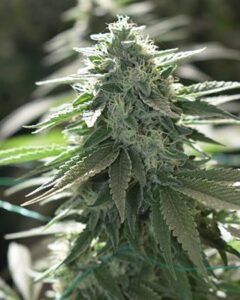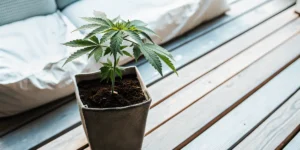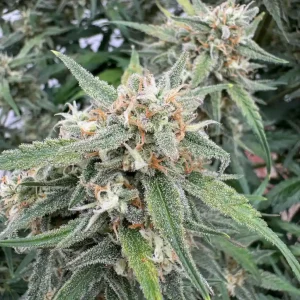
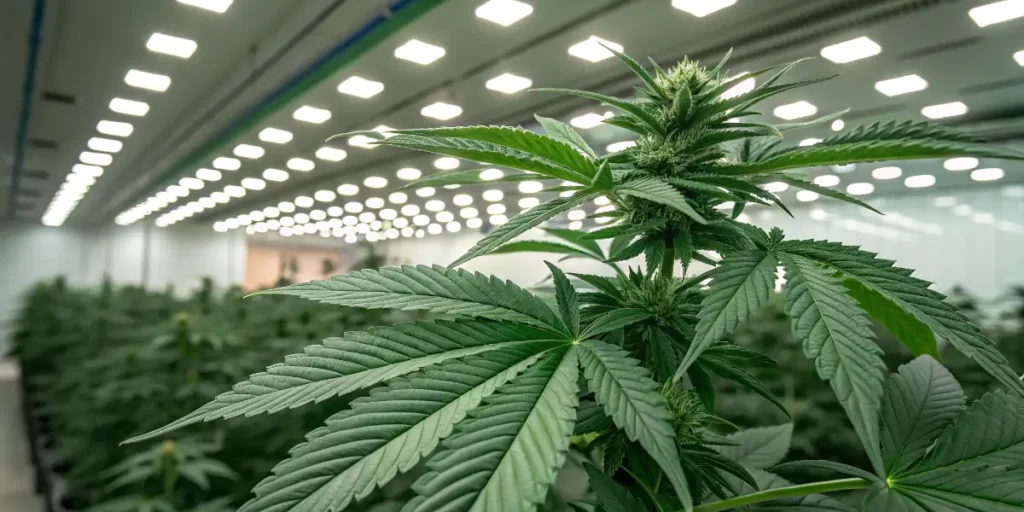

Growing Blue Skunk successfully requires careful attention to light, water, and nutrients. In this step-by-step guide, you’ll learn the ideal environment, grow room setup, feeding schedule, and harvest cues to maximize yield and preserve terpene quality. Begin by selecting quality seeds or clones to ensure strong genetics. This variety thrives in both indoor and outdoor environments, making it versatile for different growers. Ensure the growing area is clean and well-ventilated to prevent mold and pests, which can hinder the plant’s growth.
Blue Skunk plants need a balanced nutrient regimen, featuring nitrogen, phosphorus, and potassium, to support vigorous growth. Monitor soil pH levels to maintain an optimal range around 6.0 to 7.0. As the plant matures, adjust nutrient levels to meet the changing needs to encourage robust bud development. This cultivar’s terpene profile will vary as it nears the flowering stage.
Recommended Strains
Blue Skunk

|
THC | 17% - 24% (Medium) |

|
Lineage | Blueberry x Skunk 1 |

|
Type | Feminized |

|
Height | 6.56 ft | 2 m |

|
Yield | Medium |

|
Yield Indoor | 1.31 - 1.8 oz/ft² | 400 - 550 g/m² |

|
Flowering Time | 7 - 9 weeks |

|
Phenotype | 80% Indica / 20% Sativa |

|
Effects | Relaxed, Euphoric, Giggly |

|
Flavors | Skunk, Blueberry, Pungent |
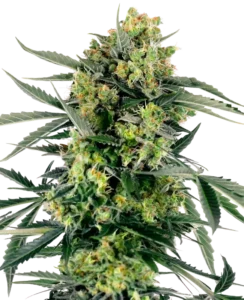
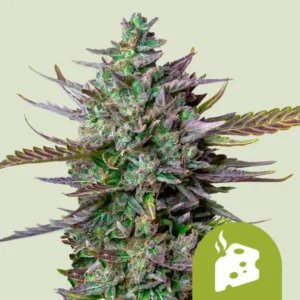
Blue Berry Skittlez Auto
|
|
THC | 12% - 14% (Low) |
|
|
Lineage | Blueberry x NL#5 x Skunk Kush x Durban x Ruderalis |
|
|
Type | Autoflowering |
|
|
Height | 2.62 ft | 0.8 m |
|
|
Yield | Low |
|
|
Yield Indoor | 0.39 - 0.66 oz/ft² | 120 - 200 g/m² |
|
|
Life Cycle | 10 - 12 weeks |
|
|
Phenotype | 60% Indica / 40% Sativa |
|
|
Effects | Relaxed, Tingly |
|
|
Flavors | Berry, Citrus, Diesel, Earthy |
During the flowering phase, maintain consistent lighting schedules to maximize yield. Monitor humidity levels to prevent mold, keeping them below 50%. Recognize harvest time by observing the trichomes on the buds, which should appear milky or amber. After harvesting, dry and cure the buds properly to enhance the terpene profile and potency, ensuring a superior final product.
Blue Skunk Strain Overview: Traits, Effects & Genetics
Blue Skunk is a noteworthy cannabis hybrid cherished for its unique blend of characteristics. Enthusiasts often favor this strain for its balanced profile that marries potent effects with an appealing aromatic bouquet. Known in the cultivation community for its resilience, the plant thrives in diverse settings, making it a popular choice among both novice and experienced growers seeking reliable yields and robust harvests.
This variety is renowned for its enticing terpene profile, which gives rise to a distinctive scent that combines hints of earthiness with floral and sweet undertones. This aromatic appeal is complemented by the visual allure of its dense, resin-coated buds. Growers appreciate the plant not only for its aromatic and aesthetic qualities but also for the rewarding cultivation experience it offers.
Genetically, this cultivar is a blend of powerful indica and sativa strains, resulting in a balanced high that can be both relaxing and uplifting. Consumers often report effects that include a euphoric sensation followed by a calming body relaxation, making it suitable for a range of recreational and medicinal uses. Such versatility is what makes this genetics sought after in the cannabis market.
The effects of this strain are amplified by its diverse cannabis constituents, including its terpenes and cannabinoids, which contribute to its overall impact. As growers prepare for harvest, the anticipation of Blue Skunk’s well-rounded effects and abundant yields heightens the excitement surrounding this exceptional strain, confirming its revered status among cannabis connoisseurs.
Optimal Environment to Grow Blue Skunk Successfully
To cultivate this strain effectively, growers should ensure a controlled environment that replicates its natural habitat. For Blue Skunk, stable temperature and humidity are the biggest drivers of bud density and aroma. A temperature range of 70-80°F is ideal. This variety thrives with humidity levels between 40% and 50%, particularly during the flowering stage. Proper ventilation is crucial to prevent mold and pests that could impact the plant’s health and yield.
Light is a critical factor for Blue Skunk’s growth. Provide ample light using high-quality LED systems, as this will promote the development of dense buds and robust terpene profiles. It’s important for growers to maintain a consistent light schedule, offering around 18 hours of light during the vegetative stage and reducing it to 12 hours for flowering.
Soil quality can greatly influence the plant’s overall health and production. A well-draining mix rich in organic matter is beneficial for this cultivar. Regularly checking the pH levels, ideally between 6.0 and 7.0, ensures optimal nutrient uptake. Additionally, supplementing the soil with essential nutrients, particularly during key growth phases, will enhance the final harvest.
Blue Skunk is known for its resilience, but taking measures to fortify the plant against stress is wise. Implementing practices like regular pruning and training can help improve air circulation and light penetration. These techniques not only enhance the yield but also boost the overall quality of the buds, making the cultivation of this genetics a rewarding experience.
Grow Room Setup for Blue Skunk Plants
To cultivate this strain successfully, create an indoor environment that mimics its natural habitat. This setup should maintain a temperature range of 70-85°F and provide adequate airflow using oscillating fans. It’s essential to use reflective materials on your walls to maximize light exposure, as the plant thrives with around 18-24 hours of light during the vegetative phase.
Lighting is crucial for cultivating Blue Skunk, so invest in high-quality LED or HID lights. These lights should ideally emit a full spectrum to promote optimal growth and abundant resin-rich buds. Keep light fixtures 18-24 inches above the plant canopy to prevent burning while ensuring maximum light penetration for dense foliage development.
Humidity control is another important aspect of growing this genetics. During the vegetative stage, maintain relative humidity around 60%, gradually reducing it to 40-50% as the plant enters the flowering stage. This approach reduces the risk of mold and enhances the terpene profile, contributing to a more aromatic and potent harvest.
Proper ventilation is necessary not only to regulate temperature and humidity but also to supply fresh CO2 for photosynthesis. Implement an exhaust system to keep conditions ideal for cannabis cultivation. Growers should monitor environmental factors consistently, adjusting settings to encourage this cultivar’s robust yield and characteristic aroma. By setting up an ideal grow room, Blue Skunk achieves its full potential.
Indoor Growing Tips for Blue Skunk
The key to successful cannabis cultivation indoors for Blue Skunk involves maintaining consistent environmental conditions. Controlling temperature and humidity is crucial as this cultivar thrives between 20-25°C (68-77°F) and 40-50% relative humidity. Utilizing a quality grow light that mimics the sun is essential for maximizing the plant’s photosynthesis, leading to healthier growth and increased yield.
This variety benefits significantly from a well-planned feeding schedule. Providing the right balance of nutrients, particularly during the flowering stage, can enhance terpene profiles and result in more potent buds. Using organic fertilizers can improve this cultivar’s flavor and aroma, contributing to a more robust and fragrant harvest. Ensuring proper ventilation is also vital, as it helps prevent mold and pest infestation.
Pruning and topping the plant can encourage lateral growth, resulting in a bushier structure that optimizes space utilization and light exposure. Monitoring the pH levels of the growth medium ensures nutrient absorption is at its peak, which is critical for this strain’s development. Overall, attention to detail and consistency in care will reward growers with a generous yield of high-quality cannabis buds.
Outdoor Growing Tips for Blue Skunk
Cultivating Blue Skunk successfully outdoors requires selecting a location with ample sunlight and well-draining soil. Growers should ensure the area receives at least six to eight hours of direct sunlight daily. It’s crucial to prepare the soil with organic matter to boost nutrient availability, thereby enhancing plant growth and increasing potential yields during harvest.
This variety thrives in temperate climates, making temperature monitoring essential. The plant benefits from temperatures ranging between 70°F to 85°F during the day. Protecting it from strong winds is vital, as wind can damage the buds and impact terpene development. Consider placing windbreaks or planting in an area naturally sheltered from harsh conditions.
For optimum results, irrigation is key. This cultivar requires consistent watering, but avoid waterlogging to prevent root rot. Mulching around the base helps retain soil moisture and suppress weeds that might compete for resources. Regular monitoring for pests and diseases will ensure a healthy harvest, improving the overall quality and potency of the cannabis produced.
How to Germinate & Propagate Blue Skunk
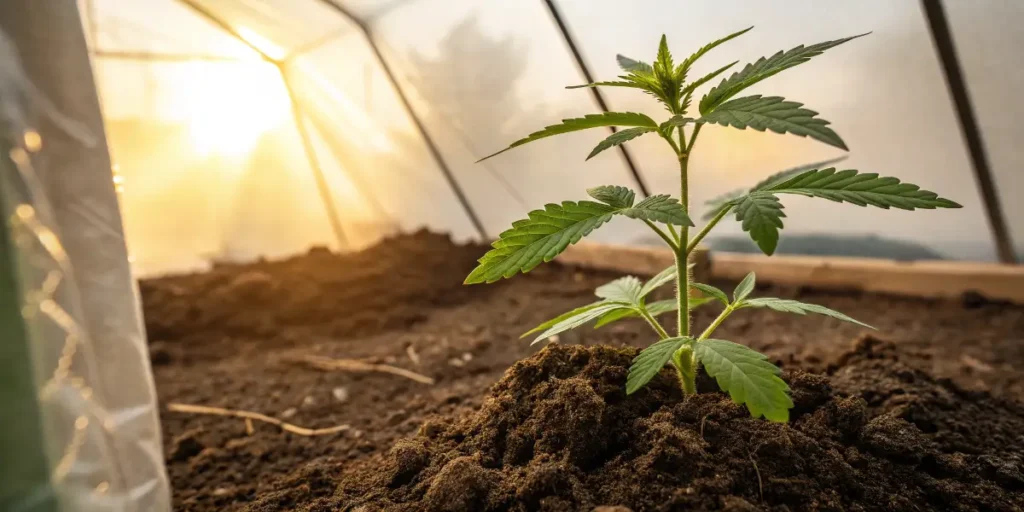
Germinating Blue Skunk seeds is a crucial step in ensuring a healthy start for this cannabis variety. To begin, place seeds between damp paper towels, keeping them moist but not soaking. Once seeds sprout, usually within a week, they can be transplanted into a growing medium. This method is favored by both novice and experienced growers for its simplicity and effectiveness.
This strain thrives when given the right environmental conditions. Blue Skunk prefers a warm, humid atmosphere when starting. Maintaining temperatures between 70-80°F and humidity levels around 70% will support optimal growth. Offering sufficient light, such as a gentle LED or fluorescent setup, aids the seedlings in strong, early development, promising a robust future yield.
Propagation through cloning is another effective technique for this cultivar. Select a healthy mother plant and take cuttings with at least two or three nodes. Dip cut ends in rooting hormone and plant them into a suitable medium. This method ensures that the desirable traits, such as potent terpenes and high yield, are retained, making it popular among many cannabis cultivators.
Timing your propagation efforts carefully is essential for maximizing the harvest of this variety. Cloning should ideally occur in the vegetative stage of the plant to ensure vigorous growth. Monitor new roots closely, adjusting light and nutrient levels to accommodate their needs. By following these steps, you can efficiently germinate and propagate Blue Skunk, preparing it for a productive and bountiful harvest.
Vegetative Stage
The vegetative stage is a critical phase in cannabis cultivation, where the focus is on fostering robust growth. For this strain, ensuring optimal light exposure and a balanced nutrient regimen will be key. This variety thrives in environments where light intensity mimics its natural habitat, so growers should aim for at least 18 hours of light per day to maximize growth.
Watering the plant wisely is essential during this stage. Blue Skunk requires a well-drained medium to prevent root rot, a common issue in cannabis cultivation. Regularly check soil moisture and adjust watering schedules accordingly. This cultivar benefits from a steady supply of nitrogen-rich nutrients, promoting lush, green foliage that supports future bud production.
Pruning and training techniques can significantly boost the harvest potential of this genetics. Low-stress training can help direct the plant’s growth and increase light penetration. Topping the plant encourages more growth tips, resulting in a bushier structure and potentially larger yields. These methods will help maximize the Blue Skunk plant’s output during the flowering phase.
Monitoring environmental conditions is crucial for the success of this variety. Maintain temperatures between 70 to 85°F and humidity levels around 50% to create an optimal growing environment. This will support healthy terpenes development, enhancing the plant’s aromatic profile. With attentive care, your cannabis plants will thrive, setting the stage for a productive flowering period.
Flowering Blue Skunk: What to Expect
During the flowering stage, this strain exhibits a robust growth pattern that delights growers with its resilience and vigor. The plant usually transitions into the flowering period after 8 to 9 weeks of steady cultivation. Ensuring optimal light cycles is crucial at this stage, as it promotes bud development and overall plant health. Maintaining the right environmental conditions will support the plant’s flowering success.
As this cultivar matures, its buds become dense and sticky with trichomes, indicating the rich terpene profile it offers. The aroma becomes more pronounced, with earthy and slightly skunky notes prominent. Monitoring the buds for signs of maturity, like changes in pistil color and trichome opacity, will help growers determine the best time to harvest and maximize yield.
This variety is known for producing moderate to high yields, depending on the cultivation environment and techniques applied. By providing adequate nutrients and maintaining a stable climate, growers can encourage Blue Skunk to reach its full potential. Regularly checking for any signs of nutrient deficiencies or pest infestations will help ensure a healthy and fruitful harvest.
Once the plant is ready for harvest, it is crucial to handle the buds carefully to preserve their quality and terpene content. Drying and curing the buds properly will enhance the flavor and potency of the cannabis. With patience and attention to detail, cultivators can enjoy the rewarding fruits of their labor and appreciate the unique qualities of this genetics.
Blue Skunk – Key Growing Facts
| Category | Key Info |
|---|---|
| Strain Type | Hybrid |
| Temperature | 70–80°F (21–27°C) ideal range |
| Humidity | ~60% veg → 40–50% flower |
| Light Cycle | 18/6 veg → 12/12 flower |
| pH Target | 6.0–7.0 (soil) |
| Flowering Time | 8–10 weeks |
| Indoor Yield | ~450–500 g/m² |
| Outdoor Yield | ~600 g+ per plant |
| Main Risks | Mold (dense buds), overfeeding |
| Harvest Window | Trichomes milky + some amber |
Fertilizers & Nutrient Schedule
To grow Blue Skunk successfully, knowing its nutrient needs is essential for optimal cultivation. Blue Skunk responds best to gradual increases in feed strength, especially as flowering begins. The plant thrives on a well-balanced fertilizer regimen. Early in the vegetative stage, aim for a higher nitrogen feed to encourage strong leaf and stem development. This sets a solid foundation for later stages when the focus shifts to budding and terpenes production.
As this strain transitions to the flowering phase, adjust the nutrient ratios to favor phosphorus and potassium. These elements are crucial for bud formation and flowering efficiency, leading to superior production. Often, growers use bloom-specific fertilizers designed to enhance the yield and quality of cannabis blooms. Monitoring nutrient levels helps prevent deficiencies.
For this variety to reach its full potential, maintaining a consistent feeding schedule is key. Typically, a weekly feeding plan, complemented by regular pH testing, ensures nutrient absorption is optimal. Growers should be vigilant about over-fertilization, which can cause nutrient burn, hindering plant health. Adjusting the schedule based on the plant’s response is always wise during cannabis cultivation.
Organic nutrients can also benefit this cultivar, promoting healthy microbial soil activity that enhances nutrient uptake. Compost teas or worm castings are excellent for maintaining soil health. As harvest time approaches, consider a flushing period to cleanse the medium of excess salts and nutrients, ensuring the buds from Blue Skunk deliver a pure and flavorful smoke.

Pest and Disease Prevention for Healthy Cannabis Plants
Ensuring the health of your cannabis cultivation requires a proactive approach to pest and disease prevention. For those growing Blue Skunk, maintaining environmental control such as proper humidity and temperature levels is essential. Regular inspection of the plant helps identify early signs of trouble, such as pest infestations or mold, which can affect terpenes and overall yield.
This variety thrives in conditions where air circulation is optimized, reducing the risk of mold growth. Effective pest management strategies include using beneficial insects and organic sprays that target common cannabis pests. Growers should maintain cleanliness in the grow area to minimize the risk of disease, ensuring that tools and equipment are sterilized regularly.
Implementing a consistent care regimen will help the plant grow vigorously, leading to a robust harvest with quality buds. It’s important for cultivators to stay informed about the latest methods in pest and disease control to protect this cultivar. By taking these preventive steps, you’ll be safeguarding your investment and maximizing the potential of this strain.
Harvesting & Drying This Strain the Right Way
The perfect timing for harvesting is crucial for maximizing the yield and potency of this strain. Growers should examine the trichomes on the buds, which transition from clear to milky white when ready for harvest. Observing the color of the pistils is also essential, as they should be mostly amber, indicating peak maturity for this variety.
Once the optimal time is identified, the next step involves cutting the plant at the base and trimming excess leaves. It’s vital to handle this genetics with care, preserving the resin-rich buds. Proper harvesting techniques not only influence the yield but also allow the terpenes in this cultivar to retain their full aromatic profile, enhancing the overall experience.
Drying is the next step, where the harvested cannabis is hung upside down in a temperature and humidity-controlled environment. This process should be slow and steady, taking between 7 to 14 days. Ensuring good airflow around the buds helps prevent mold, which is critical for maintaining the quality of Blue Skunk’s distinctive aroma and flavor.
After drying, curing begins by placing the buds in airtight containers, opening them daily to release any excess moisture. This gradual process enhances the smoothness of the smoke and the overall potency of the plant. With patience and attention to detail, the drying and curing process significantly elevate the quality of this cultivar, readying it for consumption or sale.
Blue Skunk Strain Type: Indica, Sativa or Hybrid?
Blue Skunk is a unique hybrid that brings together the best characteristics of both Indica and Sativa strains. This cultivar offers a balanced experience, with effects that can be both energizing and relaxing. Growers appreciate this variety for its manageable cultivation process, allowing for substantial yield. The plant is known for producing dense buds rich in diverse terpenes.
When cultivating this strain, growers benefit from its robust genetics, making it versatile and adaptable to various growing environments. The blend of Indica and Sativa in this strain offers both cerebral and physical experiences. This dual nature makes it desirable among cannabis enthusiasts looking for a rounded effect that can be both uplifting and calming, depending on the consumption method and timing.
This variety’s balanced structure enables cultivators to optimize their harvest by carefully managing growth cycles. The plant thrives under various conditions, yielding high-quality buds with an excellent terpene profile. As a hybrid, it suits those seeking a harmonious effect that satisfies the spectrum between the traditional Indica and Sativa experiences, providing a reliable and enjoyable cultivation journey.
Why Grow This Cultivar? Key Benefits for Cultivators
For cannabis growers seeking a strain that combines robust growth with an impressive yield, this cultivar stands out. This variety thrives in diverse environments, making it accessible for both indoor and outdoor cultivation. The plant’s resilience against common pests and diseases further simplifies the cultivation process, ensuring a bountiful harvest for novice and experienced cultivators alike.
This strain is renowned for its extraordinary terpene profile, offering a symphony of skunky and sweet aromas that are unparalleled in the cannabis world. Such a profile not only enhances the enjoyment for consumers but also increases its market value. Trichome-rich buds also mean that it’s a favorite for those interested in producing concentrates, ensuring multiple avenues for use and profit.
Moreover, the yield potential of this cultivar is remarkable, consistently providing substantial harvests that are sure to please growers. With its fast flowering time, cultivation cycles can be efficiently managed, allowing for more frequent harvests. Choosing to grow Blue Skunk can be both a lucrative and rewarding endeavor, combining aromatic delight with high productivity.
Potential Challenges When Growing Blue Skunk
When cultivating Blue Skunk, growers might face environmental challenges that can impact the plant’s growth and yield. This strain thrives best in controlled climates, and maintaining optimal temperature and humidity levels is crucial. Providing adequate air circulation can help prevent mold and mildew, which are common threats to cannabis crops. Being vigilant about the growing environment is essential for healthy buds.
Another challenge with this variety is nutrient management. The plant can be sensitive to overfeeding, especially high nitrogen levels, which can lead to nutrient burn. It’s vital to monitor and adjust the feeding schedule based on the plant’s stage of growth. Starting with a balanced fertilizer tailored for cannabis and adjusting as needed can promote robust and healthy development.
Pests and diseases, like spider mites and powdery mildew, are perennial concerns for this cultivar. Regular inspection of the plants for any signs of infestation or disease can help catch problems early. Applying preventative measures, such as organic pest control solutions, can safeguard the plant from adverse impacts. Consistent attention and care ensure that yields are maximized come harvest time.
Is These Genetic Worth Buying? Here’s What You Need to Know
Blue Skunk is a compelling choice for both novice and seasoned cannabis growers, thanks to its ease of cultivation. This strain thrives in various climates, making it versatile for different growing conditions. The plant’s robust genetics ensure a resilient grow, reducing common cultivation issues, and its vibrant buds are known for a rich profile of terpenes.
This variety offers impressive yields, with many growers reporting a bountiful harvest. Its buds are not only plentiful but also dense and aromatic, enhancing the overall consumption experience. The terpene profile of this cultivar adds layers of complexity to its flavor, making it appealing for connoisseurs seeking unique tastes beyond standard cannabis offerings.
For anyone considering adding a new genetics to their garden, this strain is certainly worth the investment. It provides a harmonious balance between ease of growth and quality of yield. Whether you’re cultivating for personal use or looking to expand your repertoire, the plant’s reliability and abundant harvest make it a standout choice in the cannabis community.
Want to take your cannabis grow to the next level? Explore our carefully selected collections of Skunk Seed Varieties, and find the perfect genetics for your next harvest.
FAQs: Growing Blue Skunk
What is the ideal climate for growing Blue Skunk?
This variety thrives in a Mediterranean climate with warm temperatures and low humidity levels. It’s important for growers to ensure that Blue Skunk receives plenty of sunlight if cultivated outdoors. Indoor growers should maintain a temperature range of 70-80°F. This cultivar benefits from controlled humidity to prevent mold and mildew, which can be common issues due to its dense bud structure.
How long does Blue Skunk take to flower?
Blue Skunk typically has a flowering period of 8 to 10 weeks. Indoor growers can expect the plant to be ready for harvest towards the end of this window, while outdoor growers should plan for a late September to early October harvest. Patience during this stage ensures that the buds fully develop, enhancing both yield and potency.
What are the yield expectations for Blue Skunk?
This strain is known for producing abundant yields. Indoor growers can anticipate yields ranging from 450 to 500 grams per square meter, while outdoor cultivation often results in 600 grams or more per plant. To maximize yield, it’s crucial to maintain optimal growing conditions and employ effective training techniques throughout its growth cycle.
What are common problems faced when growing this strain?
Growers of Blue Skunk often encounter challenges such as pests and mold. Given its dense foliage and buds, this variety is somewhat susceptible to powdery mildew. Regular pruning and maintaining proper airflow are essential to prevent such issues. Additionally, monitoring for common pests like spider mites can help ensure a healthy and productive plant.
What are the specific nutrient needs of Blue Skunk?
Proper nutrition is key to maximizing the potential of this cultivar. During the vegetative stage, Blue Skunk benefits from a balanced mix of nitrogen, phosphorus, and potassium. As it transitions to the flowering stage, increasing phosphorus and potassium while reducing nitrogen is recommended. Watching for nutrient burn or deficiency is crucial in maintaining the plant’s health.
What training techniques work best for Blue Skunk?
Training techniques like Low-Stress Training (LST) and topping can significantly benefit this strain. These methods help manage the plant’s height and encourage a bushier growth pattern, maximizing light exposure and boosting yields. Blue Skunk responds well to these techniques when applied during its early vegetative stage, allowing for increased bud production and overall plant health.